
Many people buy hemp based edibles for sleep or a bit of calm, but a new federal rule might change that pretty fast. Lawmakers quietly added a strict THC limit into the national spending bill, and it could create a sweeping THC gummies ban that nobody really saw coming. This change hides inside a huge document that most people will never read, but its effect reaches far outside budget talk. Because of this rule, thousands of gummies, drinks, and even topical creams could vanish from store shelves soon. A lot of people now feel unsure about what they can buy, while businesses try to figure out what to do next.
The rule did not go through the long debates that usually happen in Washington. Instead, it just slipped into the larger bill, almost like it was tucked into the middle of everything. Even so, the impact feels big and kind of immediate.
The Rise of Hemp-Derived THC Products
After the 2018 Farm Bill passed, hemp took on a whole new role. Before that, many people mostly saw it as something used for rope or maybe textiles. But once that law allowed growing hemp with very low Delta 9 THC levels, brands moved fast. They extracted cannabinoids from the plant, which appeared in oils, fizzy drinks, topicals, snacks, and colorful gummies.
People enjoyed these products a lot. They liked the mild lift without feeling too intense. They also liked that these items sat in gas stations or corner shops instead of inside locked dispensaries. That made them feel simple and accessible.
But as all this grew, confusion grew too. Delta 8 THC and Delta 10 THC became common, and both gave cannabis like effects even though they came from hemp. Many lawmakers said this created a weird legal loophole. Some companies leaned into this gap and started offering stronger gummies and sweeter THC beverages. Most stayed legal because of the Farm Bill wording, but regulators and attorneys general started to worry, especially where kids could buy them without much trouble.
Because of all that, federal lawmakers looked harder at these hemp THC items. The conversation slowly changed from curiosity to concern, which eventually sparked the movement behind the THC drinks ban idea.
What the New Law Says
Inside the new federal spending package, a small section changes the whole structure of hemp rules. Instead of letting products stay under 0.3 percent Delta 9 THC by dry weight, the law now sets a total THC cap of 0.4 milligrams per container. That rule applies to gummies, drinks, vapes, topicals, and most consumable hemp products.
This number is extremely low. A single microdose gummy usually carries two to five milligrams of THC. Drinks often contain similar amounts. Under this new rule, nearly everything on the market suddenly falls outside the law.
The law also expands what counts as THC. It includes Delta 8, Delta 10, and any other isomers, plus converted cannabinoids that manufacturers create from CBD. Many brands rely on converted cannabinoids for their product lines, and this part hits them pretty hard.
Congress did add a one-year transition period, which gives companies some time to adjust their formulas or shift away from THC entirely. Still, many claim they cannot survive with such low limits of THC in their products, noting that the ban on gummies will be the end of their businesses.
How the New Limits Affect Consumers
Consumers feel the impact quickly. A lot of people use hemp gummies for stress or sleep because they prefer low-dose effects. These items are inexpensive and easy to pick up at small shops. But under the new rule, most of these products will vanish.
Once enforcement begins, the majority of these gummies will become illegal to sell. Users who rely on them for wellness may need to find other options that might not feel the same. Many CBD products remain, but they do not offer the same gentle effect that a few milligrams of THC give. People living in states without legal cannabis may struggle most, since they cannot turn to dispensaries.
Some fear this shift might push certain users into unregulated markets. That pattern showed up before in different industries, like with flavored vaping products. Because of that, experts warn that this ban on THC gummies could have similar consequences.
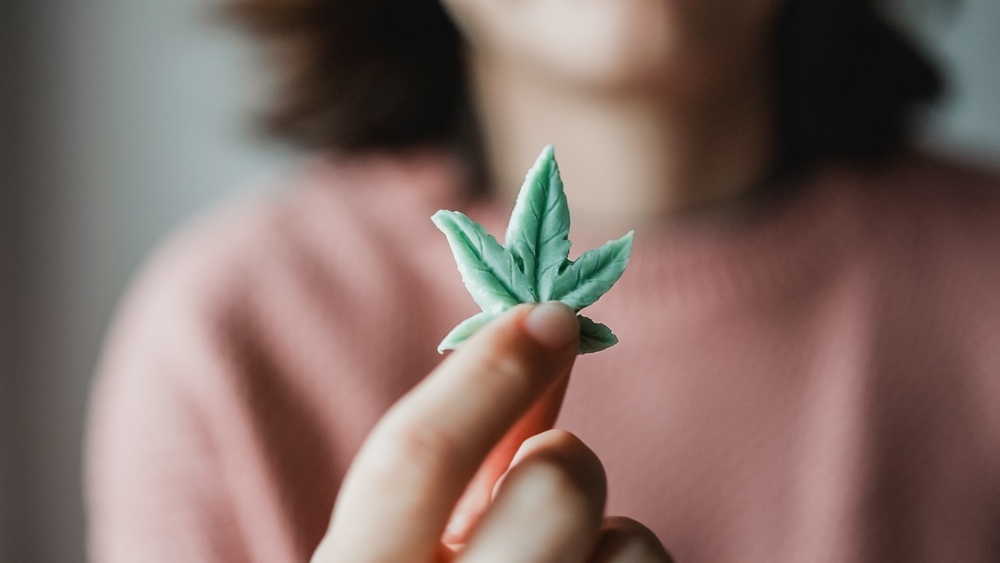
Image credit: Shutterstock
The Impact on Businesses
Businesses now face pressure on every side. Many of them depend heavily on products that exceed the new THC limit. To move forward, they must reformulate old items, rename them, redesign packaging, and go through testing again.
Reformulating these products is not simple at all. Reducing THC to 0.4 milligrams per package basically removes the main effect customers expect. Because of this, some companies are unsure whether to continue making edibles at all.
Supply chains also face trouble. A large portion of the hemp industry has been using conversion methods to create Delta 8 or Delta 10. The new law bans this practice, which means businesses lose access to major ingredients.
Retailers feel strained as well. Many small stores built their brand identity around hemp items. Removing the most profitable products might cause some of them to shut down. Large stores will survive more easily, but they still lose important sales.
There are also cost increases ahead. Updated labeling rules, lab testing requirements, and compliance fees may grow. Smaller companies often cannot handle those costs, especially during the transition into cannabis regulation 2025.
Effects on Farmers and Rural Communities
Hemp farming gave new life to some rural areas. Farmers planted hemp for fiber, seeds, and especially CBD extraction. Extract grade hemp created steady income for many growers.
But with demand for THC conversion dropping, extract grade hemp might lose value. Farmers who partnered with processors may have fewer buyers. If they want to switch to fiber hemp, that switch takes money, equipment, and different knowledge.

Communities that depended on processors could lose jobs, too. Hemp extraction facilities usually hire dozens of local workers. If they close, that loss spreads through the town, hitting restaurants, supply shops, and other small businesses.
Some farmers feel confused and even discouraged. They invested a lot in hemp because the federal government encouraged it. Now the same government is imposing rules that reduce its value. Many worry about how to plan the next season.
Legal and Scientific Elements Behind the Rule
It helps to look at why the limit landed at 0.4 milligrams. Scientifically, THC begins to produce noticeable effects at around one or two milligrams for sensitive users. Five milligrams is where most people start to feel clear changes. By setting the rule at 0.4 milligrams per package, lawmakers basically ensure hemp remains non-intoxicating.
The new rule shifts the line between hemp and marijuana in a dramatic way. Hemp used to be legal as long as the plant carried less than 0.3 percent Delta 9 THC by dry weight. Now the rule is about how much a person can consume from the final product.
Legal specialists believe the wording about cannabinoids that produce similar effects may lead to legal fights. It is not clear who decides what is similar. Courts might need to handle that, yet many expect the rule to remain until Congress rewrites hemp law.
Who Benefits From the New Law
Some groups do gain from this change in the laws.
Regulated Cannabis Companies
State-licensed cannabis companies have followed strict rules for years. They feel that hemp products are being unfairly competed with by selling intoxicating items without heavy regulations. With the THC ban gaining momentum, cannabis companies may see more customers migrate to dispensaries.
Alcohol Companies
Some alcohol brands showed concern about THC beverages cutting into beer or wine sales. Because hemp drinks may disappear, alcohol companies face less competition.
Public Health Supporters
Health advocates argue that brightly colored hemp gummies appeal to minors. They believe the new limit helps protect young people. Although not everyone agrees, this group views the rule as a safety win.
Who Loses Under the New Law
A large number of people will be negatively affected by the THC ban.
Hemp Brands
Brands selling THC gummies and beverages face large losses. Some will close within months. Others will attempt to create CBD-only lines, but that change often reduces demand.
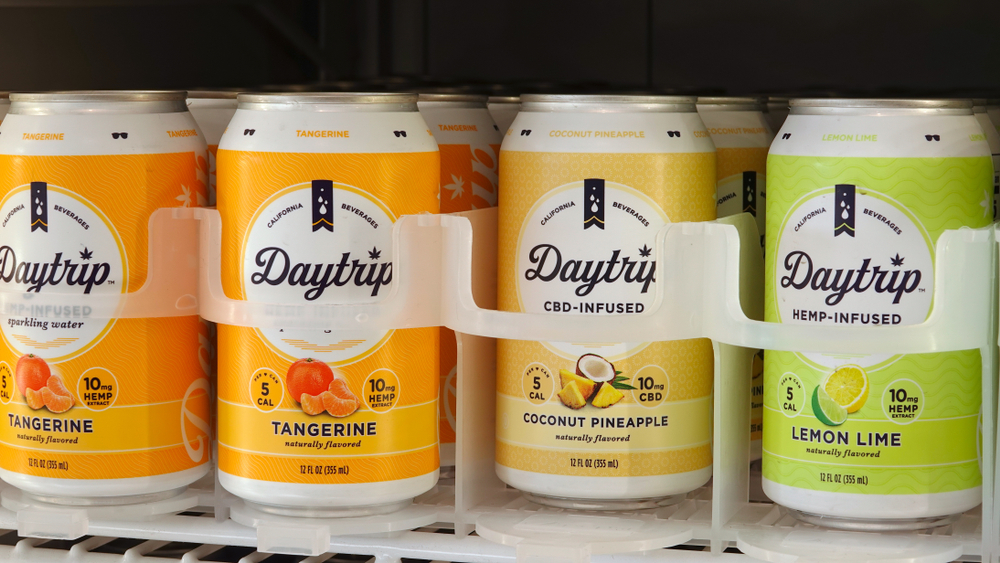
Image credit: Shutterstock
Farmers
Growers who relied on extraction contracts lose their biggest buyers. Many cannot afford to switch to different crops, especially during tough seasons.
Consumers
People who used low THC amounts for calm, rest, or gentle support lose their simplest option. This THC gummies ban affects them more than anyone else.
Small Stores
Small retailers who depended on hemp sales may lose their main revenue source. Many lack other high margin products to replace them.
What Consumers Can Do Next
Consumers should check their current products and note which ones carry more than 0.4 milligrams of THC. Those items likely will not survive the rule change.
They can watch for reformulated versions, too. Some companies will still try to make ultra-low-dose products. Although the effect will be softer, they may still offer mild wellness value.
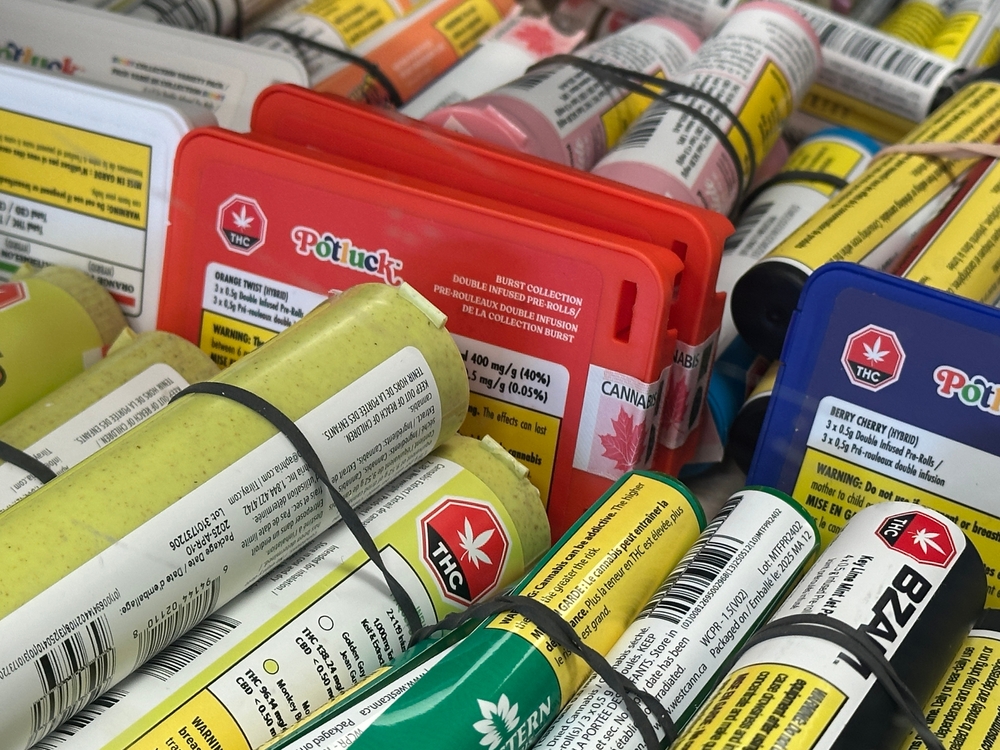
People living in legal cannabis states can consider visiting dispensaries. These stores offer regulated and tested items, though the pricing is often higher. Some may find the quality worth the difference.
It is also smart for consumers to keep an eye on local news. Some states might resist federal guidance. Others might agree with it completely. All these shifts connect to the growing wave of cannabis regulation in 2025.
Read More: Scientists Warn of Rising Cannabis Potency and Health Risks
How Businesses Can Prepare
Businesses should begin with a full product audit. They need to know exactly how much THC each item contains, including all isomers. They should talk with suppliers now. Ingredient shortages or sudden changes can disrupt production later. Companies should also communicate with their customers. Honest updates build trust during uncertain times.

Image credit: Shutterstock
Some businesses may look at entering regulated cannabis markets. Others may shift focus to CBD, adapt packaging, or develop herbal alternatives. Whatever the plan, early action helps when facing regulations.
Possible Future Scenarios
Scenario One: Reformulation Works
Some companies may manage to produce 0.4 milligram hemp items that still offer mild benefits. These products might create a new niche market.
Scenario Two: Congress Revisits the Rule
If enough businesses struggle, lawmakers may reconsider the limits. They might raise the THC allowance or create exceptions.
Scenario Three: Market Shrinks Dramatically
If reformulation fails, many businesses close. Consumers then turn to dispensaries or unregulated channels.
Scenario Four: Legal Challenges Slow Everything Down
Court cases might delay enforcement. That would extend the transition period and add uncertainty.
Any of these scenarios could appear, yet all of them point toward disruptions brought on by the ban on THC gummies.
Final Thoughts
The federal spending law introduced a major shift in hemp product rules. By placing such a tiny cap on THC per package, lawmakers created a real ban on THC gummies and THC drinks. This change affects consumers, farmers, processors, retailers, and manufacturers. Some will adapt and others will leave the market. States may fight or embrace the rule, and courts may even reshape it.
Still, one thing remains clear. The world of hemp-derived THC will look very different one year from now. As cannabis regulations in 2025 continue rolling forward, everyone who uses or sells these products will need to stay alert and adapt as the landscape changes.
Read More: Trump Weighs Major Cannabis Law Changes: Which States Could See Legalization?