
Nuts may be small in size, but they play a large role in many conversations about nutrition and brain function. People often hear that eating nuts for brain health is always a good idea. However, as we shall discover, the truth is more nuanced. Some nuts and nut products support memory, mood, and long-term cognition. Others can quietly introduce toxins, excess salt, or damaged fats that may be bad for the brain. Research in older adults shows that “regular consumption of nuts may benefit cognitive function and reduce the risk of dementia.” This is especially true when they are part of an overall healthy diet. Yet recent studies note that nuts may play a protective role only when portions are sensible. In this article, which nuts to keep and which versions to limit. We will also learn how to decide which nuts are best for brain health in everyday life.
How Nuts Influence Brain Health Over Time
Nuts pack healthy fats, fibre, vitamins, and plant compounds that support blood vessels and brain cells. Many studies now suggest that people who eat nuts regularly tend to show slower cognitive decline as they age. One narrative review of older adults concluded that “regular consumption of nuts may benefit cognitive function and reduce the risk of dementia”. Large cohort data from the UK Biobank add more detail. In that study, “nut consumption of up to 1 handful of 30 g/day and consumption of unsalted nuts were associated with the greatest protective benefits”.
The authors noted that “the daily consumption of nuts may play a protective role in the prevention of dementia”. Benefits probably come through several biological routes. Nuts improve cholesterol patterns and support healthier blood vessels, which helps oxygen delivery to the brain. They also supply antioxidants and anti-inflammatory molecules that buffer everyday cellular stress. Walnuts, almonds, hazelnuts, and pecans each carry slightly different blends of these compounds. However, the picture changes when nuts are badly stored, heavily salted, or fried in unstable oils. Those conditions can shift a helpful snack into a small but chronic stressor for brain tissue.
When Peanuts Turn Risky
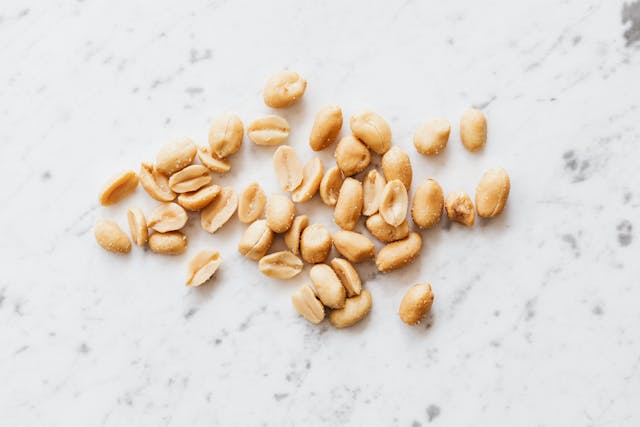
First off, peanuts are not technically a nut, but culinaruly thats how we use them. Peanuts appear in many discussions about nutrition and brain function because they are affordable and rich in plant protein. The concern is not the peanut itself, but the conditions in which some peanuts are grown, dried, and stored. Multiple food safety reviews warn that “peanuts are highly susceptible to aflatoxin contamination and consumption of contaminated peanuts poses serious threats to the health of humans and domestic animals”. Aflatoxins are toxins produced by moulds such as Aspergillus flavus that grow on crops, including maize and peanuts. The World Health Organization notes that aflatoxins are genotoxic and that “aflatoxins can cause liver cancer” when exposure is chronic. Another cancer organisation explains the risk in plainer language: “Aflatoxin is a toxin produced by mould that can damage the liver and may lead to liver cancer (hepatocellular carcinoma) as well as other health-related problems.”
Newer toxicology work shows that the danger is not limited to the liver. One review of aflatoxins reports that, although gut and liver effects are well known, “emerging evidence highlights their immunosuppressive and neurotoxic potential”. That combination matters for brain health, especially when exposure is repeated over many years. For practical purposes, this means storage and sourcing matter as much as serving size. Whole peanuts should be fresh, dry, and free from any musty smell or visible mould. Buying from producers that test for aflatoxins adds another layer of safety. If peanuts taste bitter or seem off, they should be discarded, not eaten or ground into spreads.
When Pistachios Become Salt Bombs

Plain pistachios can support nutrition and brain function. They carry healthy fats, fibre, and important minerals such as potassium. That profile changes when pistachios are roasted with heavy salt and flavour coatings. Excess sodium raises blood pressure, which in turn can damage delicate brain vessels over time. Clinical studies find that pistachios can help lower blood pressure when they replace less healthy snacks. One research summary notes that, in controlled trials, “pistachios were reported to reduce systolic blood pressure by 2.89 mmHg”. However, such findings usually involve lightly salted or unsalted pistachios within a structured diet.
In everyday life, many packets contain strong-flavour powders and a high salt load. Chronically raised blood pressure is a major risk factor for stroke and vascular dementia. Reviews on ultra-processed foods also show that diets high in packaged snacks and instant products are linked with faster cognitive decline. In a Brazilian cohort, “higher consumption of ultraprocessed foods was associated with a higher rate of global and executive function decline” during about 8 years of follow-up. For people who enjoy pistachios, the lesson is simple. Choose plain or lightly salted versions in small handfuls. Try to avoid eating large bags of highly seasoned pistachios in front of screens, because that habit quietly boosts sodium intake and displaces more protective foods.
Cashews, Fried Nut Mixes, And Damaged Fats
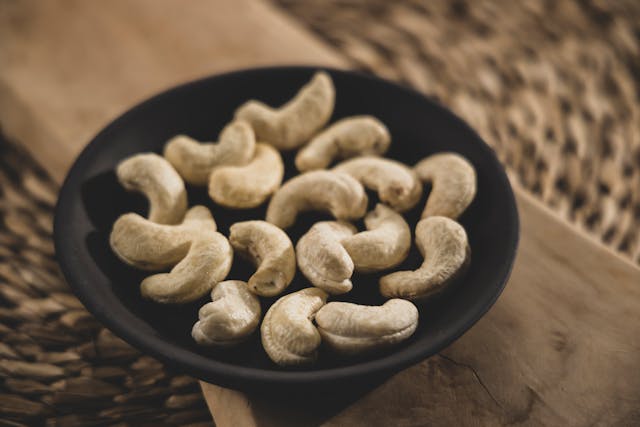
Cashews can be helpful in moderate amounts when they are dry-roasted or raw, since they provide healthy fats and minerals. Problems arise when cashews appear inside deep-fried nut mixes or when they are coated in cheap vegetable oils. Many street snacks and flavoured bar mixes use repeatedly heated oils to fry nuts, crackers, and seeds together. A review of frying methods explains that “extended exposure of oil to high temperatures and atmospheric air can generate highly oxidized, potentially toxic products”. Those oxidized fats not only affect the heart. They also increase systemic inflammation and oxidative stress, which are both involved in cognitive decline.
A recent public health review on ultra-processed foods and brain outcomes notes that chronic intake of these products has been “linked to inflammatory processes in the brain, oxidative stress, and neurodegenerative diseases, contributing to cognitive decline”. Heavily processed nut snacks also bring extra salt, sugar, and refined starch. Together, those additions push blood sugar swings and encourage weight gain, which increases dementia risk over decades. When people want cashews for brain support, the safest choice is to buy plain cashews, store them well, and use a small portion to top salads, yoghurt, or vegetable dishes. That approach keeps the nutrient benefits while avoiding the damaged oils that come from deep fryers.
Brazil Nuts and Selenium
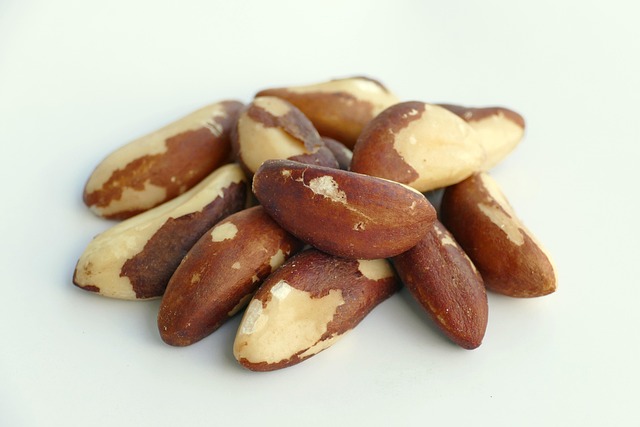
Brazil nuts occupy an unusual place in discussions about nutrition and brain function. They contain healthy fats and also rank among the richest natural sources of selenium. Selenium is a trace mineral involved in antioxidant defence systems that protect cells, including neurons, from oxidative stress. Deficiency can create its own problems, yet the window between enough and too much is narrow. Several nutrition references state that “the safe upper limit for selenium is 400 micrograms a day in adults. Anything above that is considered an overdose.” Because each Brazil nut can contain between 50 and 90 micrograms of selenium, consistent high intakes may push people above this upper limit.
Long-term excess consumption is linked with hair loss, brittle nails, mood changes, and, in severe cases, nerve problems. Clinical descriptions of selenium toxicity warn that routinely getting unsafe levels “could lead to selenium toxicity, a condition linked to breathing issues, kidney failure, and heart problems”. These systems are deeply connected with brain health, since cardiovascular and respiratory problems reduce oxygen delivery to neurons. For most adults, 1 or 2 Brazil nuts on days when other selenium-rich foods are low will be sufficient. This is especially true when people also eat fish, eggs, or fortified products, which supply selenium as well. Brazil nuts should support brain resilience, not overload it with a trace mineral that the body needs only in small amounts.
Walnuts: Brain Shaped Powerhouses For Dementia Protection
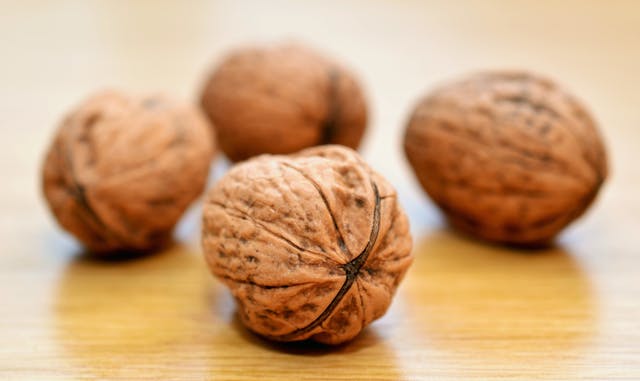
Walnuts appear repeatedly in research on nuts for brain health, and not only because they look like tiny brains. They provide alpha linolenic acid, a plant-based omega-3. Several nutrition organisations summarise the evidence by noting that “walnuts are the only tree nut that is an excellent source of alpha-linolenic acid (ALA), the plant-based omega-3 essential fatty acid”. This fatty acid is linked with reduced inflammation and better vascular health, both important for cognitive ageing. Laboratory and animal studies suggest that walnut extracts can modulate inflammation inside the brain. One review of mechanistic work concludes that “walnut phytochemicals, which can effectively inhibit pro-oxidant and proinflammatory mediators, may be 1 method of reducing the risk of dementia”.
Population studies echo these experimental findings. Observational data in older adults show that higher walnut intake is associated with better cognitive scores and slower decline, although such studies cannot prove direct cause and effect. Narrative summaries now state that “the daily consumption of nuts may play a protective role in the prevention of dementia”, and walnuts frequently feature as a key component of those nut patterns. In practice, a small handful of walnuts most days can be a simple habit. They work well in breakfast oats, salads, or sprinkled over cooked vegetables. To protect their delicate fats, walnuts should be stored in a cool, dark place, ideally in the fridge, and eaten before they taste rancid.
Almonds And Hazelnuts: Vitamin E And Steady Energy
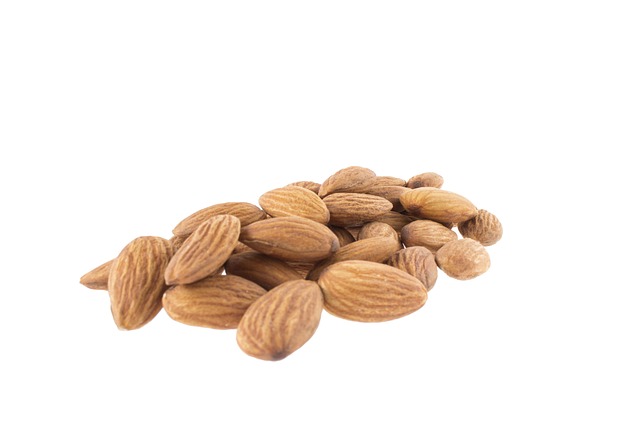
Almonds and hazelnuts are especially rich in vitamin E, a fat-soluble antioxidant that concentrates in brain cell membranes. The Alzheimer’s Drug Discovery Foundation notes that “it has long been known that vitamin E is important for brain health and that diets poor in vitamin E are linked to an increased risk for Alzheimer’s”. Vitamin E does not work alone, but it helps protect polyunsaturated fats in neuronal membranes from oxidative damage. A brain health guide for older adults explains that “vitamin E intake is also associated with improved cognitive function; almonds and hazelnuts are two of the most concentrated sources of vitamin E”.
That combination makes these nuts strong candidates when people ask which nuts are best for brain health and daily concentration. Clinical work also explores direct cognitive outcomes. A trial of older adults found that an almond-enriched diet improved markers of cardiometabolic health and included changes in biomarkers related to cognitive performance. Reviews of nut trials add that weight loss interventions, including almonds, “reported an improvement in memory and attention”, likely because of both metabolic and nutritional effects. For everyday eating, almonds and hazelnuts are easy to add in small handfuls or as chopped toppings. Choosing plain, unsalted nuts avoids extra sugar and sodium that could undercut potential gains.
Pecans And Antioxidant Protection For Ageing Brains
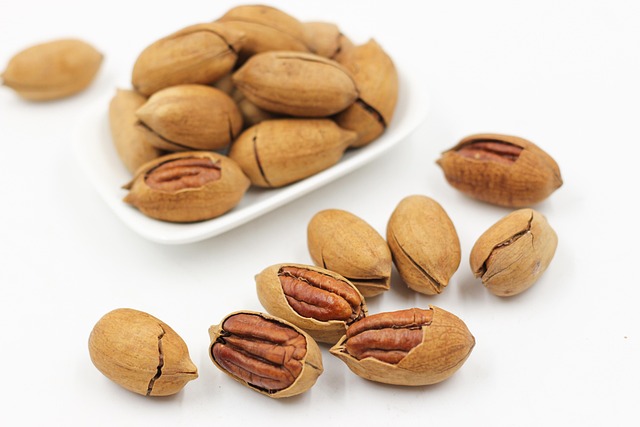
Pecans attract growing attention in discussions of nutrition and brain function because of their antioxidant density. WebMD points out that “pecans are the only nut on the USDA’s list of top 20 foods highest in dietary antioxidants, coming in 14th place”. These antioxidants include vitamin E and polyphenols, which help neutralise free radicals that would otherwise damage lipids and proteins in cells. Some summaries highlight that “pecans contain polyphenols and other dietary antioxidants that may promote brain health” and that this combination can support healthy ageing.
Monounsaturated fats in pecans may also aid vascular health and inflammation control. Long-term cohort work on nuts more broadly suggests that higher nut intake, including pecans, is linked with better cognitive performance and lower dementia risk. Pecans do have a high energy density, so portion size remains important. A small palmful offers a good balance between nutrients and calories. As with other nuts, dry roasting at home or buying plain versions helps keep the fat profile intact. Coated pecans drenched in sugar syrups or deep-fried in unstable oils will not offer the same support for brain health.
Read More: Eating Pistachios Before Bed May Improve Gut Health in People With Prediabetes
How Much To Eat: Building A Brain-Friendly Nut Habit

Research on nuts for brain health does not suggest unlimited quantities. Instead, it points toward modest, regular intake of plain nuts within a balanced diet. The recent GeroScience cohort analysis found that “nut consumption of up to 1 handful of 30 g/day and consumption of unsalted nuts were associated with the greatest protective benefits” and again concluded that “the daily consumption of nuts may play a protective role in the prevention of dementia”. Another study in Nutrients reported that “older adults who regularly consume nuts may have better cognitive health”, and that those with higher nut intake had a substantially lower likelihood of measurable cognitive impairment.
Narrative reviews echo this pattern and state that available research “suggests that regular consumption of nuts may benefit cognitive function and reduce the risk of dementia”. For daily life, that evidence supports a simple template. Aim for about 1 small handful of mixed, unsalted nuts per day, focusing on walnuts, almonds, hazelnuts, and pecans. Keep an eye on peanuts from unreliable sources, very salty pistachios, fried cashew mixes, and large servings of Brazil nuts. Store nuts in airtight containers, away from heat and moisture, to reduce rancidity and mould risks. Used in this way, nuts can become a quiet but steady ally for long-term brain resilience. They work best alongside other protective habits, including regular movement, enough sleep, stress management, and a pattern of eating that favours whole foods over ultra-processed products.
Disclaimer: This information is not intended to be a substitute for professional medical advice, diagnosis or treatment and is for information only. Always seek the advice of your physician or another qualified health provider with any questions about your medical condition and/or current medication. Do not disregard professional medical advice or delay seeking advice or treatment because of something you have read here.
AI Disclaimer: This article was created with AI assistance and edited by a human for accuracy and clarity.
Read More: The Worst Junk Foods for Your Brain, According to New Studies