
Getting a good night’s sleep is a cornerstone of overall health. It impacts everything from mood and cognitive function to metabolic health and immune system strength. While we often focus on environmental factors, such as a dark, quiet room, a comfortable mattress, the role of diet is frequently underestimated. The foods and drinks we consume, particularly in the hours leading up to bedtime, can be powerful allies or disruptive enemies to our sleep cycle.
What You Eat Affects Your Sleep
The body’s sleep mechanisms are complex, governed by circadian rhythms and a delicate balance of hormones and neurotransmitters. Key among these are melatonin, the “sleep hormone” that regulates the sleep-wake cycle, and serotonin, a neurotransmitter that helps produce melatonin. Serotonin is also linked to feelings of well-being. The foods we eat provide the raw materials – such as the amino acid tryptophan (a precursor to serotonin and melatonin) and minerals like magnesium and potassium (known for their muscle-relaxing properties) that the body needs to create these sleep-promoting compounds.
Conversely, certain foods and beverages contain stimulants or are simply too taxing on the digestive system, leading to discomfort, acid reflux, and fragmented rest. By making informed choices about your evening intake, you can prime your body for a seamless transition into restorative sleep. This is a comprehensive guide to the foods that can pave the way to a tranquil night and those that are best left off the evening menu.
Top Foods to Help You Sleep Better
Let’s start off by looking at the foods that help you sleep. Incorporating these nutrient-dense foods into your late afternoon or evening routine can provide your body with the necessary building blocks for better sleep quality and duration.
Tart Cherries and Tart Cherry Juice

Tart cherries, particularly the Montmorency variety, are one of nature’s most potent sleep aids. Unlike sweet cherries, the tart variety is a significant natural source of melatonin. Studies have shown that consuming tart cherry juice can lead to increased melatonin levels in the body, which, in turn, can help regulate the sleep-wake cycle. The fruit also contains tryptophan and powerful anti-inflammatory compounds that may reduce pain and discomfort, another potential barrier to sleep.
This juice is easy to incorporate into a nighttime routine. Drinking two ounces of cold tart cherry concentrate mixed with water about an hour before bed. Fresh or frozen tart cherries are also a great option for an evening snack.
Almonds and Walnuts

A small handful of nuts makes an excellent, balanced evening snack. It offers a healthy mix of fat, protein, and sleep-promoting compounds. Almonds are an outstanding source of magnesium, a mineral essential for muscle relaxation and for regulating the stress hormone cortisol. Magnesium helps deactivate adrenaline and is often called “nature’s relaxant”. Walnuts are also a good source of magnesium, but they are particularly noted for their high melatonin content. Both types of nuts provide tryptophan.
Of course, having a handful of nuts as a bedtime snack is an easy way to incorporate them into your bedtime routine. You can also consider spreading a tablespoon or so of natural almond butter on a few whole-grain crackers or a slice of toast for a perfect balance of protein and complex carbohydrates.
Fatty Fish (Salmon, Mackerel, Sardines)

While fish might not be the first thing that comes to mind as a sleep aid, specific fatty varieties contain a powerful combination of nutrients that can lend a hand. Salmon, mackerel, and sardines are rich in omega-3 fatty acids and vitamin D. These nutrients, paired together, are thought to increase the production and release of serotonin, the feel-good hormone that is a precursor to melatonin. Research suggests that consuming fatty fish regularly can lead to improved sleep quality, fewer nighttime awakenings, and better daytime functioning.
Of course, few of us are craving a fish-based bedtime snack, and even fish lovers don’t want to eat fish every single night of the week. You don’t have to have fish for dinner every night to see the benefits, however. Aim to include fatty dish in your dinner just a few times a week, ensuring that your meal is finished at least two hours before bedtime to allow for proper digestion.
Kiwifruit
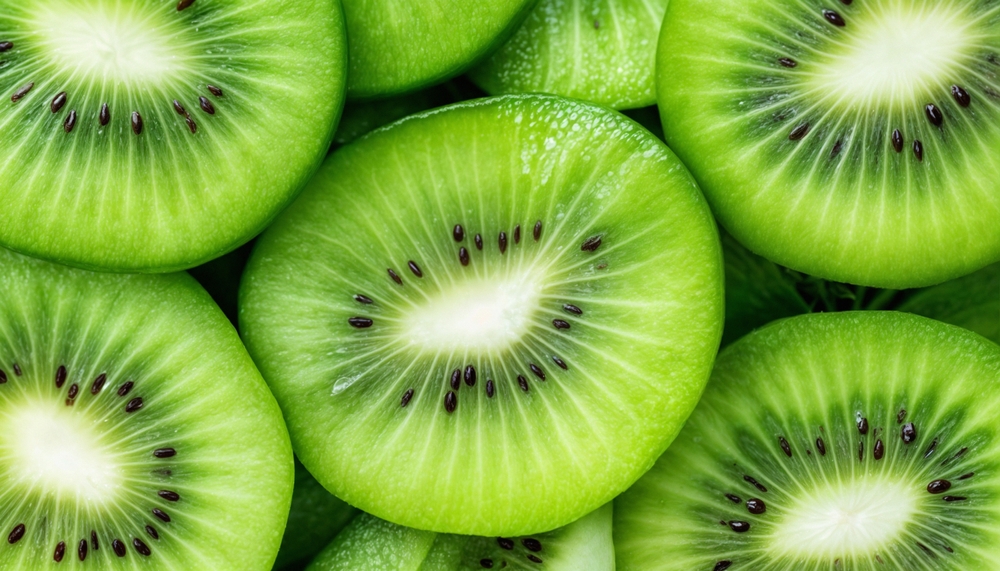
Kiwi doesn’t get the attention that it deserves. This small, vibrant green fruit has been the subject of dedicated research into its sleep-inducing effects. Several studies have linked kiwifruit consumption to better sleep. Researchers believe this effect may be due to its high levels of serotonin, the neurotransmitter that promotes relaxation and sleepiness. Kiwis are also packed with antioxidants and vitamin C, which may help combat sleep disturbances caused by oxidative stress. Eating one or two medium-sized kiwis about an hour before bed is a simple and sweet way to wind down at night.
Bananas
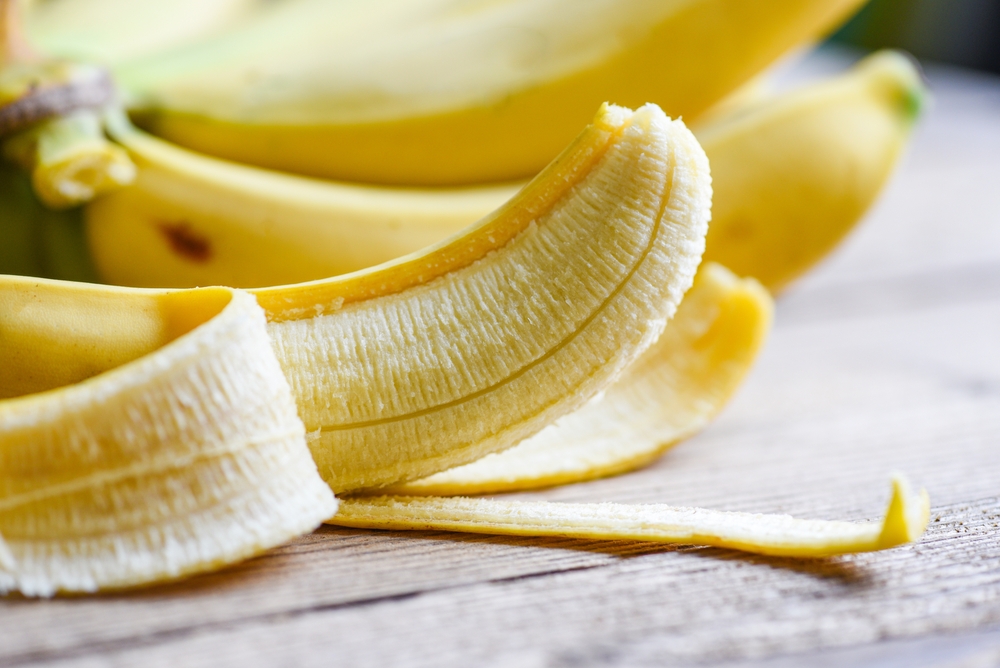
The simple banana is a power-packed sleep food, providing a triple threat of calming nutrients. Bananas are a good source of tryptophan, which, as noted, is key for producing serotonin and melatonin. More significantly, they contain high levels of potassium and magnesium. These two minerals work synergistically as natural muscle relaxants, helping to calm the nervous system and prevent disruptive nocturnal leg cramps. A banana on its own is a great pre-bed snack, or try slicing it into a small bowl of oatmeal or yogurt for added benefit.
Warm Milk or Yogurt

The age-old remedy of a glass of warm milk before bed isn’t just a comforting ritual – it has a scientific basis. Dairy products are a natural source of tryptophan and calcium. Calcium plays a vital role in the central nervous system, helping the brain utilize tryptophan to manufacture the sleep hormone melatonin. The simple act of warming the milk can also have a psychological, soothing effect. Yogurt, especially Greek yogurt, is also a great source of both tryptophan and protein, ensuring sustained blood sugar and a feeling of fullness. As a bedtime snack, have a glass of warm milk or a serving of plain, no-sugar-added yogurt.
Chamomile and Passionflower Tea

The truth is, all warm, non-caffeinated drinks can be soothing. Certain herbal teas, however, offer specific compounds that promote drowsiness. Chamomile tea contains an antioxidant called apigenin, which binds to specific receptors in the brain that are associated with promoting sleepiness. Research indicates that chamomile may significantly improve overall sleep quality. Passionflower tea contains the chemical compound harmane, which has mild sedative and anxiolytic (anxiety-reducing) properties that can help calm the mind before sleep. Steep a cup of herbal tea for about 30 to 60 minutes before bed as part of your winding-down routine. Ensure the tea is 100% caffeine-free.
Foods and Drinks to Avoid Before Bed
Just as some foods enhance sleep, others actively disrupt it. The general rule of thumb is to avoid anything that is overly stimulating, difficult to digest, or highly acidic in the two to three hours before you plan to sleep. The following are foods that you should do your best to avoid in the latter parts of the day.
Caffeine and Hidden Caffeine Sources
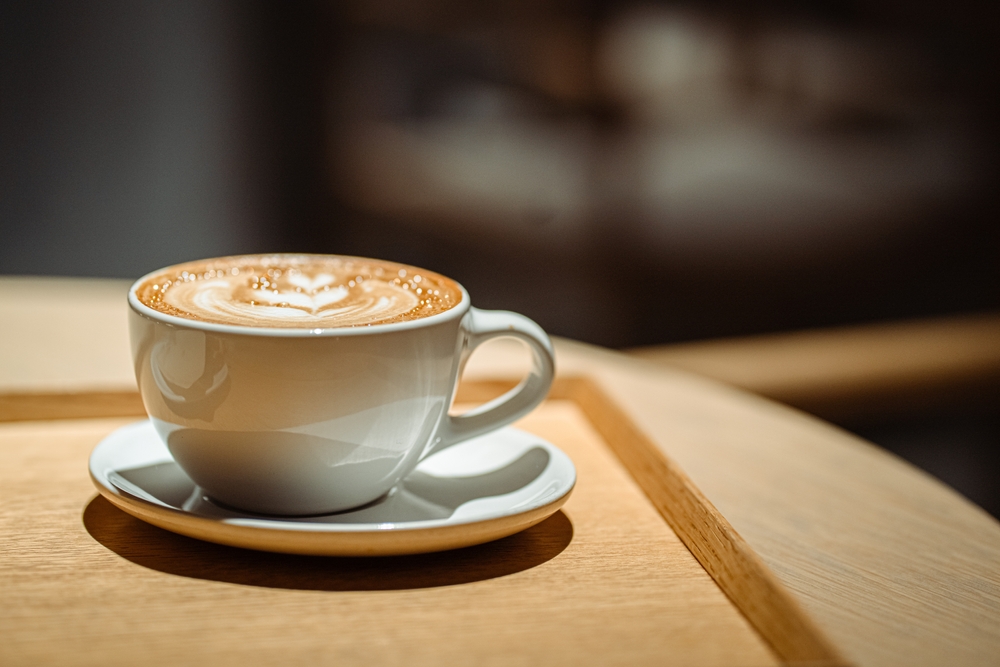
Caffeine is perhaps the most obvious sleep disruptor, but its effects can linger much longer than most people realize. While it may seem that all caffeine-containing foods and beverages are obvious, it can hide in some unexpected places. There are also those people who claim that caffeine doesn’t affect them; that they can drink a coffee right before bed and have no trouble drifting off to sleep. Good sleep isn’t just about your ability to fall asleep or stay asleep, however, but also about the quality of your sleep. Caffeine disrupts that quality – no matter who you are.
Caffeine is a central nervous system stimulant that works by blocking the effects of adenosine, a chemical that builds up in your brain during the day and makes you feel sleepy. The half-life of caffeine can be up to six hours, meaning that if you have a cup of coffee at 4pm, half of that caffeine is still in your system at 10 pm. This can make falling asleep difficult and dramatically reduce the amount of deep, restorative slow-wave sleep you get. That last part is the part that people miss – just because you fall asleep and sleep all night, doesn’t mean you’re getting enough restorative sleep.
Coffee, black and green tea, most sodas, energy drinks, and, critically, dark chocolate and certain desserts that contain coffee flavoring should be avoided in the late afternoon and evening. It’s generally recommended to cut off all caffeine intake by midday or at least six hours before your planned bedtime.
Alcohol

Many people view a glass of wine or a “nightcap” as a way to relax and fall asleep faster, but this is a false form of rest. Alcohol is initially a sedative, which might help you doze off quickly. As your body metabolizes it, however, the alcohol fragments your sleep cycles. It significantly reduces the amount of REM sleep (the deep, dreaming stage critical for cognitive function) and leads to more frequent, prolonged awakenings in the second half of the night. Furthermore, alcohol relaxes all the muscles in the body, including those in the throat. This can make snoring worse and exacerbate obstructive sleep apnea. If you choose to drink, limit intake and ensure you stop consumption at least three to four hours before bedtime.
Spicy Foods and High-Fat, Heavy Meals

A late-night pizza or a rich, spicy curry can spell disaster for a peaceful night. These meals pose a major challenge to your digestive system. Spicy foods containing capsaicin can cause or worsen heartburn and acid reflux when you lie down. They can also subtly raise your body’s core temperature. Since a slight drop in core temperature is necessary to initiate sleep, anything that raises it can make falling asleep harder and lead to restless sleep.
Fatty and fried foods, such as chips, fries, large steaks, or heavy cheeses, require a significant amount of time and energy to digest. Your body should be in “rest and repair” mode at night, not working hard on digestion. This process can cause discomfort, bloating, and indigestion, all of which disrupt sleep continuity. Do your best to avoid curries, chili, hot sauce, deep-fried foods, high-fat processed snacks, and very large meals of any kind close to bedtime. Finish your main meal at least three hours before you lie down.
Acidic Foods (Citrus and Tomatoes)

While healthy during the day, highly acidic foods can be problematic for some individuals when consumed late in the evening. Citrus fruits, such as oranges, grapefruits, and lemons, as well as tomatoes or tomato-based products, can trigger or aggravate acid reflux and heartburn when lying in a horizontal position. Even without full-blown reflux, the acidity can irritate the stomach lining and cause general discomfort that keeps you from relaxing. If you suffer from heartburn often, avoid tomato sauces, whole tomatoes, and citrus fruits and juices too close to bedtime.
Sugary and Refined Carbohydrate Snacks

A midnight snack of cookies, ice cream, or a sugary cereal might seem appealing, but the resulting blood sugar roller coaster is a direct threat to sleep continuity. Simple sugars and refined carbohydrates cause a rapid spike in blood glucose levels. While this initial spike might cause temporary tiredness, the subsequent crash (hypoglycemia) can alert the adrenal glands, prompting the release of stress hormones like cortisol and adrenaline. This hormonal release can wake you up in the middle of the night and make it difficult to fall back asleep. Avoid eating things like candy, desserts, soda, white bread, sugary cereals, and high-sugar ice cream before bed. If you must have a snack, choose something balanced, like a small piece of fruit with nut butter.
Foods with High Water or Fiber Content
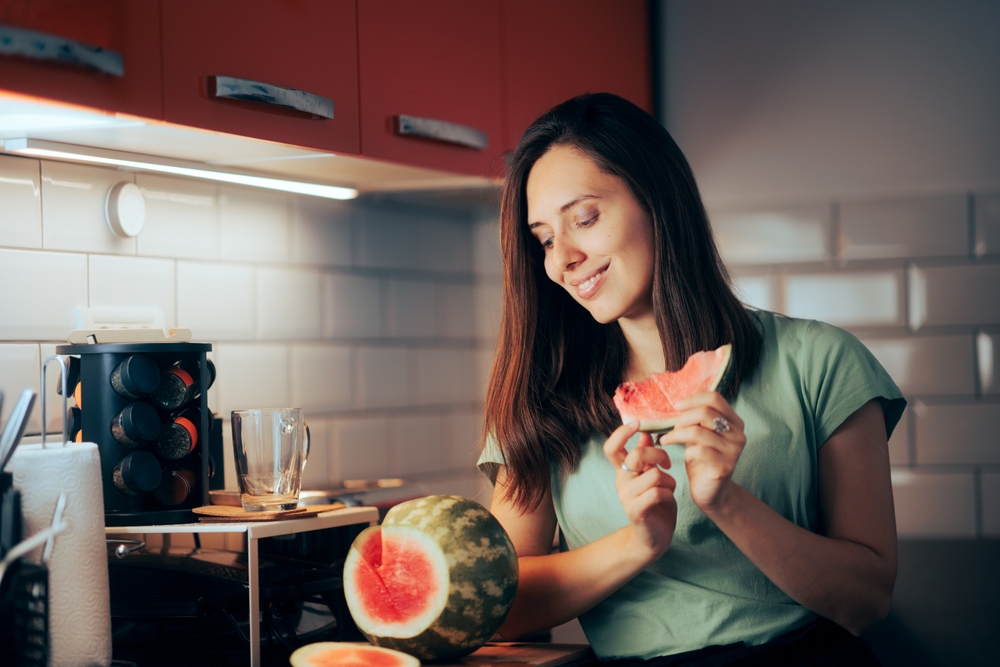
While generally very healthy, certain foods, if consumed in large quantities very close to bedtime, can interrupt your sleep for mechanical reasons. Consuming large amounts of water or foods with a high water content right before bed increases the risk of nocturia – waking up in the night to urinate. Foods that can cause this include watermelon, celery, or large bowls of soup. Your bladder waking you up in the night causes sleep fragmentation, decreasing quality and quantity of sleep.
Foods that are difficult to digest and produce a significant amount of gas can cause bloating, pressure, and general discomfort that makes it hard to lie still and fall asleep. Think of foods such as beans, broccoli, cauliflower, and onions. While these are excellent foods, it’s best to consume them earlier in the day. Right before bed, avoid excess fluids of any kind and limit or move high-fiber, gas-producing vegetables to your lunchtime or early dinner.
A Mindful Approach to Nighttime Nutrition
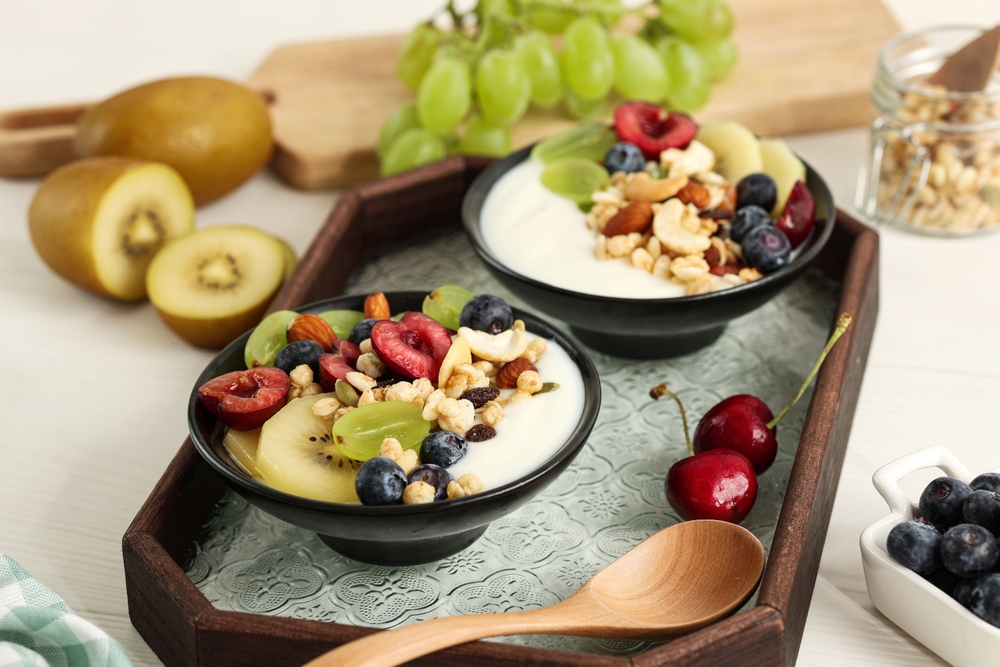
The path to consistently restorative sleep is not paved with a single solution. Rather, it is built on a foundation of sound sleep hygiene, and critically, a mindful approach to your diet, especially in the evening. The key takeaway is to focus on an overall healthy eating pattern. This means one that is high in fiber, rich in fruits and vegetables, and low in saturated fats and added sugars. This is consistently associated with better sleep quality. When it comes to the pre-sleep window, strategic snacking can be incredibly beneficial.
By choosing foods rich in tryptophan, melatonin, magnesium, and potassium, such as tart cherries, almonds, bananas, and chamomile tea, you actively provide your body with the agents it needs to prepare for rest. Conversely, by avoiding stimulants like caffeine and alcohol, and giving your digestive system a break from heavy, high-fat, or spicy meals, you remove the most common physical barriers to a seamless night’s rest.
Pay attention to your body. Track what you eat in the three hours before bed and how it impacts your sleep the following morning. By aligning your plate with your pillow, you can significantly enhance your quality of life, waking up refreshed, focused, and ready to face the day.
Disclaimer: This information is not intended to be a substitute for professional medical advice, diagnosis or treatment and is for information only. Always seek the advice of your physician or another qualified health provider with any questions about your medical condition and/or current medication. Do not disregard professional medical advice or delay seeking advice or treatment because of something you have read here.
Read More: Sleeping Trick? Why Sticking One Foot Out Actually Works