
Avocados are often called a superfood, and with good reason. Unlike many fruits that are high in sugar, avocados stand out for their creamy texture, mild flavor, and remarkable nutritional profile. They are loaded with healthy fats, fiber, vitamins, and minerals that benefit nearly every system in the body. From supporting heart and brain health to improving digestion, skin, and even pregnancy wellness, avocados go beyond being just a trendy food – they are a nutrient powerhouse. Scientists and nutrition experts agree that avocados deserve their reputation because they deliver a unique blend of compounds that promote long-term vitality. Their versatility in the kitchen only adds to their appeal, making it easy to enjoy their benefits in everything from salads and smoothies to dips and spreads.
Rich in Healthy Monounsaturated Fats
Avocados are one of the best natural sources of monounsaturated fats, particularly oleic acid, which is the same beneficial fat found in olive oil. These fats are essential for cardiovascular health because they reduce harmful LDL cholesterol while increasing protective HDL cholesterol. Unlike saturated fats, which may contribute to clogged arteries, monounsaturated fats promote smooth circulation and improve the elasticity of blood vessels. They also play a role in reducing inflammation throughout the body, which is linked to chronic illnesses like heart disease, arthritis, and diabetes. On top of that, healthy fats provide lasting energy that keeps you fueled without causing blood sugar crashes. Adding avocados to your meals can therefore support heart function, reduce inflammation, and keep energy steady throughout the day.
- Contain oleic acid, a monounsaturated fat that supports heart health
- Lower harmful LDL cholesterol while boosting beneficial HDL cholesterol
- Improve circulation and vascular flexibility
- Reduce inflammation that contributes to chronic disease
- Provide steady energy without blood sugar spikes
High in Fiber for Digestion

Fiber is a vital component of good health, and avocados are one of the richest sources among fruits. A single medium avocado delivers about 10 grams of dietary fiber, nearly half of what many adults need in a day. Avocados provide both soluble and insoluble fiber, each offering unique benefits to digestion. Soluble fiber slows digestion, helping regulate blood sugar and cholesterol, while insoluble fiber adds bulk to stool and keeps the digestive system running smoothly. A diet rich in fiber is linked to a lower risk of diabetes, heart disease, and digestive conditions such as diverticulitis. Beyond digestion, fiber also supports satiety, which can prevent overeating and contribute to weight control.
- A medium avocado provides nearly 40 percent of daily fiber needs
- Soluble fiber regulates cholesterol and blood sugar
- Insoluble fiber promotes regular bowel movements
- Supports healthy gut bacteria for improved immunity
- Helps prevent constipation and promotes long-term gut health
Packed with Potassium

Potassium is a mineral that many people do not get enough of, and avocados provide an abundant supply. In fact, avocados contain more potassium per serving than bananas, which are often considered the go-to potassium food. This mineral plays a central role in regulating blood pressure by balancing sodium levels in the body. Adequate potassium intake is linked to a reduced risk of stroke, heart disease, and kidney problems. Potassium also supports muscle function, nerve signaling, and hydration, which makes it especially important for athletes and active individuals. Regular consumption of avocados can therefore help lower blood pressure and protect cardiovascular health.
- Provide more potassium than bananas per serving
- Help balance sodium levels and regulate blood pressure
- Reduce the risk of stroke and cardiovascular disease
- Support muscle contractions and nerve signaling
- Aid hydration and recovery in active individuals
Supports Heart Health

The unique mix of nutrients in avocados makes them particularly powerful for protecting the heart. The healthy fats help reduce bad cholesterol, while the fiber blocks cholesterol absorption in the digestive tract. Potassium regulates blood pressure and reduces strain on the heart, while antioxidants fight inflammation that damages blood vessels. Studies suggest that eating avocados regularly is linked to a lower risk of heart disease and improved vascular function. Plant sterols in avocados also help manage cholesterol levels naturally. Together, these nutrients form a strong defense against cardiovascular problems.
- Healthy fats improve cholesterol balance
- Fiber helps lower cholesterol absorption
- Potassium lowers blood pressure naturally
- Antioxidants protect blood vessels from inflammation
- Linked to reduced risk of heart disease
Rich in Antioxidants

Avocados are an excellent source of antioxidants, which protect the body against oxidative stress and cellular damage. Oxidative stress occurs when free radicals overwhelm the body’s defenses, leading to aging and chronic disease. Avocados contain vitamin E, lutein, zeaxanthin, and glutathione, each with unique protective functions. Vitamin E supports skin and immune health, while lutein and zeaxanthin safeguard the eyes from age-related damage. Glutathione acts as a master antioxidant, aiding detoxification and cellular repair. By including avocados in your diet, you help your body fight off cellular damage and support overall longevity.
- Provide vitamin E, lutein, zeaxanthin, and glutathione
- Neutralize harmful free radicals that damage cells
- Support immune health and skin resilience
- Protect vision by filtering harmful light
- Slow the effects of aging and chronic disease
Excellent for Eye Health

The nutrients in avocados go beyond general health, offering targeted support for vision. Lutein and zeaxanthin, both present in avocados, are carotenoids that accumulate in the retina and act as natural filters of harmful blue light. These compounds reduce the risk of age-related macular degeneration, one of the leading causes of blindness in older adults. They also lower the risk of cataracts, which can cloud vision over time. Vitamin E in avocados further protects the eyes by preventing oxidative stress that damages delicate tissues. Eating avocados regularly can therefore keep vision sharper and healthier for longer.
- Contain lutein and zeaxanthin that protect the eyes
- Reduce risk of age-related macular degeneration
- Lower the chance of cataract development
- Provide vitamin E for additional eye protection
- Help preserve vision into older age
Anti-Inflammatory Properties
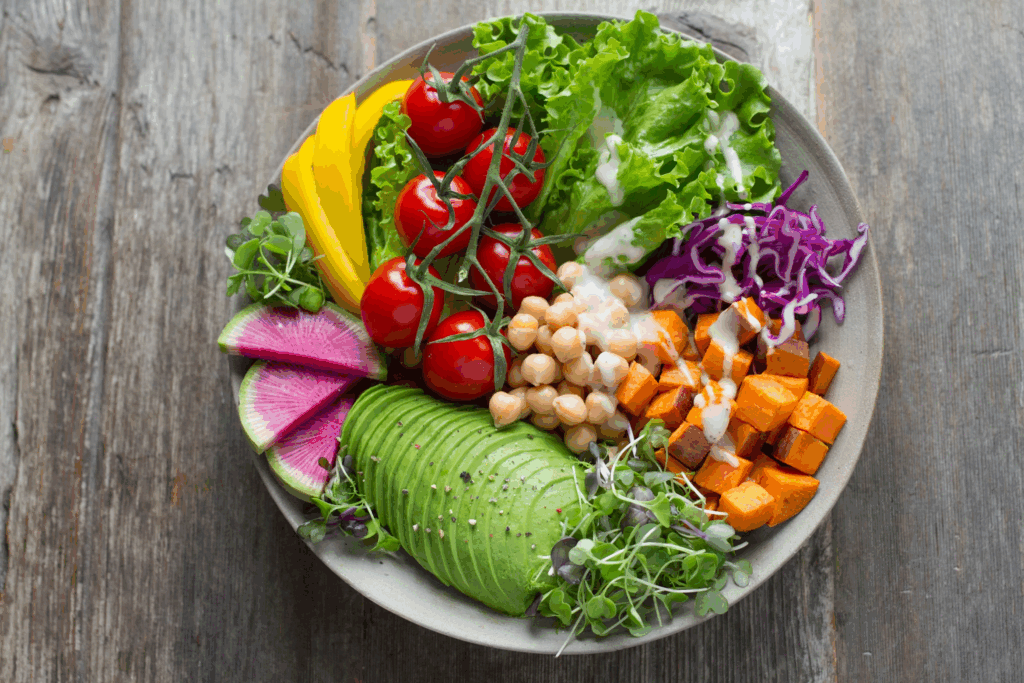
Chronic inflammation is linked to many health issues, including heart disease, arthritis, and certain cancers. Avocados help combat this through a variety of compounds such as phytosterols, carotenoids, and polyphenols. These compounds work together to calm the immune system’s overactive responses and reduce inflammation markers in the body. Monounsaturated fats in avocados also play a role, helping regulate inflammatory pathways. By eating avocados consistently, you may reduce the severity of inflammation-related conditions and promote long-term wellness. This makes them an excellent choice for people managing joint pain or cardiovascular risks.
- Provide phytosterols, carotenoids, and polyphenols
- Help regulate inflammation and immune responses
- Monounsaturated fats lower inflammatory markers
- May ease symptoms of arthritis and joint pain
- Protect against inflammation-driven diseases
Boosts Nutrient Absorption

The healthy fats in avocados make them a perfect partner for nutrient absorption. Fat-soluble vitamins such as A, D, E, and K require fat to be absorbed properly, and avocados provide exactly that. Eating avocado alongside vegetables or salads significantly increases the absorption of carotenoids and other antioxidants. This means that the nutrients from foods like spinach, kale, or tomatoes are more effectively used by the body when avocado is included in the meal. By improving nutrient uptake, avocados make a healthy diet even more effective. This ability makes them more than just a source of nutrition – they also enhance the value of other foods.
- Improve absorption of fat-soluble vitamins A, D, E, and K
- Boost the bioavailability of carotenoids in vegetables
- Pair well with leafy greens and colorful vegetables
- Increase efficiency of nutrient use in the body
- Turn ordinary meals into nutrient-rich combinations
Supports Weight Management
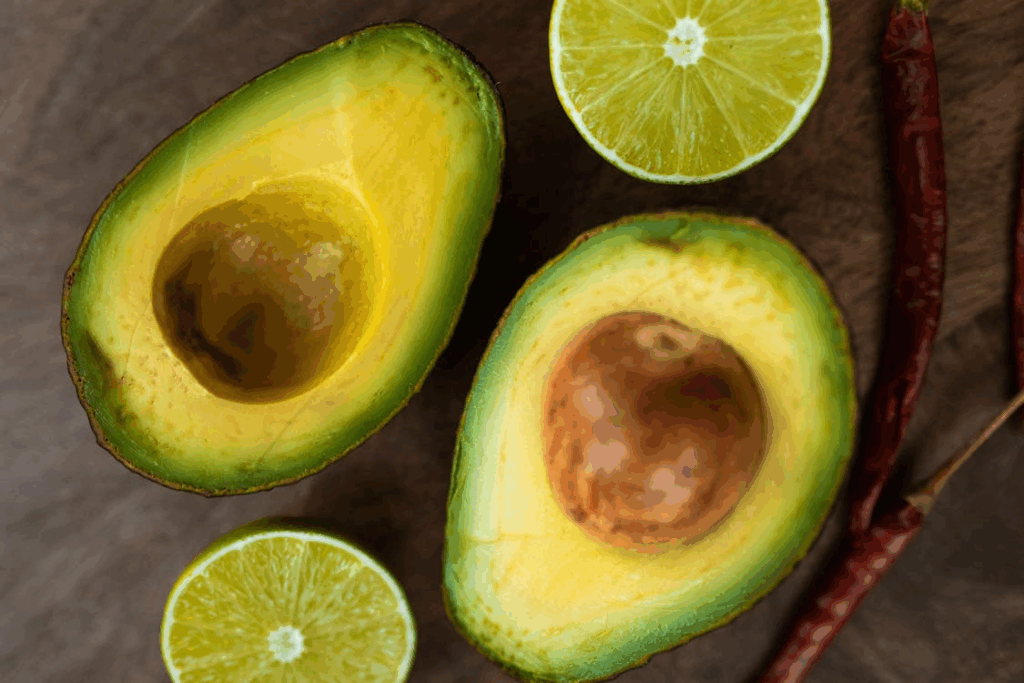
Although avocados are calorie-dense, they can play a valuable role in weight management. Their combination of healthy fats and fiber creates a sense of fullness, which helps prevent overeating. Unlike processed snacks that lead to energy crashes, avocados provide steady energy and satiety. Replacing unhealthy fats like butter or margarine with avocado reduces overall calorie intake while boosting nutrient quality. Avocados also help regulate blood sugar levels, which can reduce cravings and make weight control easier. With regular use, they support a balanced approach to healthy eating and weight maintenance.
- High in fiber and healthy fats that promote satiety
- Prevent overeating and reduce cravings
- Provide steady energy without sugar crashes
- Replace unhealthy fats like butter and margarine
- Support balanced weight control
Great Source of Folate

Folate is a B vitamin that plays an essential role in cell growth and DNA formation, and avocados are an excellent natural source. This nutrient is especially important during pregnancy, as it supports the development of the fetal brain and spinal cord. Folate intake also helps reduce levels of homocysteine, an amino acid linked to heart disease when present in high amounts. Adequate folate is necessary for cell repair and proper functioning of the nervous system. Eating avocados ensures a steady supply of this vitamin in a natural and bioavailable form. By supporting both growth and repair, folate is crucial for long-term health.
- Provide abundant folate, a vital B vitamin
- Support DNA formation and cell repair
- Essential for fetal development during pregnancy
- Help reduce homocysteine levels in the blood
- Promote healthy nervous system function
Provides Essential Vitamins
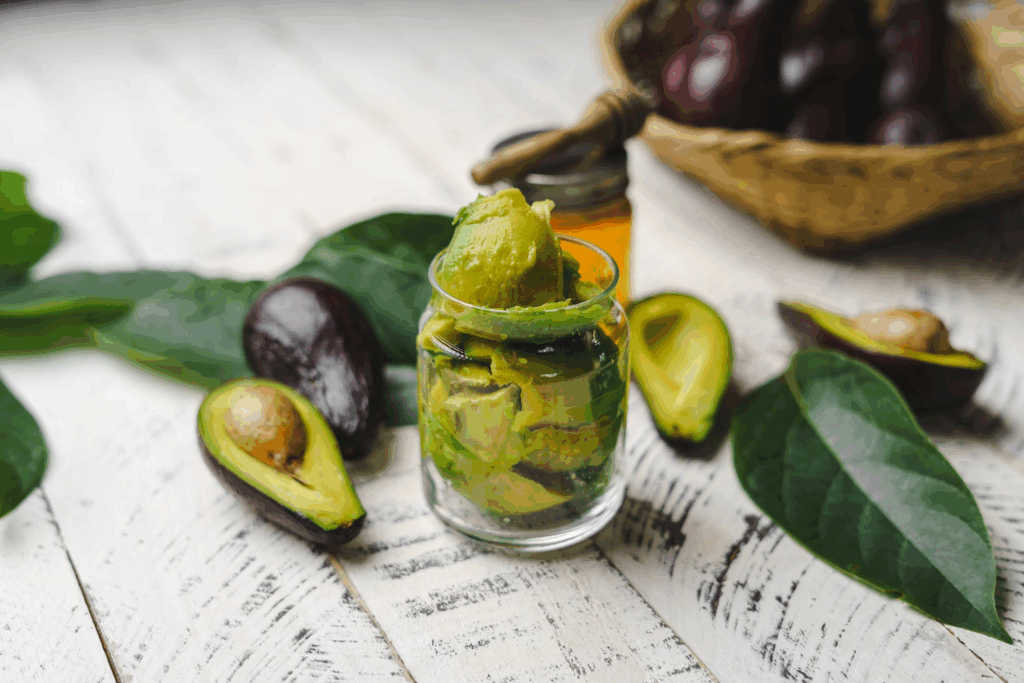
Avocados deliver a variety of essential vitamins that support overall well-being. Vitamin K helps maintain strong bones and proper blood clotting, while vitamin C boosts immune defenses and aids collagen production. Vitamin E offers antioxidant protection that benefits skin, hair, and cellular health. The fruit is also rich in B vitamins, which are critical for metabolism, brain function, and energy production. Having such a wide spectrum of vitamins makes avocados one of the most nutrient-dense foods available. By incorporating them into your diet, you can cover multiple nutritional needs in one serving.
- Provide vitamin K for bone health and blood clotting
- Deliver vitamin C for immune support and collagen production
- Supply vitamin E for skin protection and antioxidant defense
- Rich in B vitamins for metabolism and energy
- Cover multiple essential vitamin requirements
Supports Brain Function

Avocados are not only good for the body but also highly supportive of the brain. Vitamin E in avocados protects brain cells from oxidative damage, which is linked to cognitive decline. Folate supports neurotransmitter production, which is important for mood, memory, and learning. The healthy fats in avocados improve blood flow to the brain and help maintain flexible cell membranes. Consistent consumption of avocados may therefore support better focus, memory, and reduced risk of age-related cognitive disorders. As part of a balanced diet, they provide both immediate and long-term brain support.
- Vitamin E protects neurons from oxidative stress
- Folate aids neurotransmitter production and brain health
- Healthy fats support brain circulation and function
- Linked to reduced risk of cognitive decline
- Promote focus, memory, and mood stability

Skin health depends on hydration, antioxidants, and essential fats—all of which avocados supply in abundance. The vitamin E and healthy fats in avocados keep skin supple, smooth, and well-hydrated. Vitamin C helps the body produce collagen, which supports elasticity and reduces wrinkles. Antioxidants in avocados also protect skin from UV and environmental damage. Many skincare products use avocado oil because of its moisturizing and nourishing properties. By eating avocados regularly, you nourish your skin from the inside out, creating a natural glow and improved texture.
- Contain vitamin E and fats that hydrate the skin
- Vitamin C boosts collagen and elasticity
- Antioxidants protect against UV damage
- Avocado oil is used in moisturizers and masks
- Support a natural, radiant complexion
Strengthens Bones

Bone strength relies on a combination of vitamins and minerals, many of which are found in avocados. Vitamin K is critical for directing calcium into bones rather than soft tissues, reducing fracture risks. Magnesium and phosphorus in avocados support bone density and structure. By including avocados in your diet, you help maintain strong bones as you age. Their supportive nutrients also work alongside calcium-rich foods, making your overall diet more effective. This makes avocados a quiet but powerful ally for skeletal health.
- Provide vitamin K for calcium absorption into bones
- Contain magnesium and phosphorus for bone structure
- Support bone density and strength
- Reduce fracture and osteoporosis risks
- Complement calcium-rich foods for stronger bones
Balances Blood Sugar

Avocados have a unique ability to stabilize blood sugar levels thanks to their fiber and healthy fat content. These nutrients slow the digestion and absorption of carbohydrates, preventing sharp spikes in blood glucose after meals. Unlike high-sugar fruits, avocados have a low glycemic index, making them safe and beneficial for people managing diabetes. Stable blood sugar also means fewer energy crashes and cravings throughout the day. With regular consumption, avocados may even improve insulin sensitivity. This makes them an important food for long-term metabolic health.
- Fiber and fats regulate carbohydrate absorption
- Prevent sharp spikes in blood sugar levels
- Low glycemic index makes them diabetes-friendly
- Help reduce cravings and energy crashes
- May improve insulin sensitivity over time
May Reduce Cancer Risk

Some studies suggest that compounds in avocados may have protective effects against certain cancers. Antioxidants like lutein, zeaxanthin, and glutathione help prevent DNA damage that could lead to mutations. Avocados also contain phytochemicals that may slow the growth of cancer cells. Folate in avocados contributes to DNA repair, reducing the chances of abnormal cell formation. While more research is needed, evidence points to avocados as a protective food that can be part of a cancer-prevention diet. Their nutrient density makes them valuable in strengthening overall cellular defenses.
- Contain antioxidants that protect DNA from damage
- Provide phytochemicals that may slow cancer cell growth
- Glutathione supports detoxification and repair
- Folate helps prevent abnormal cell formation
- Linked to reduced risk of prostate and colon cancers
Improves Gut Health
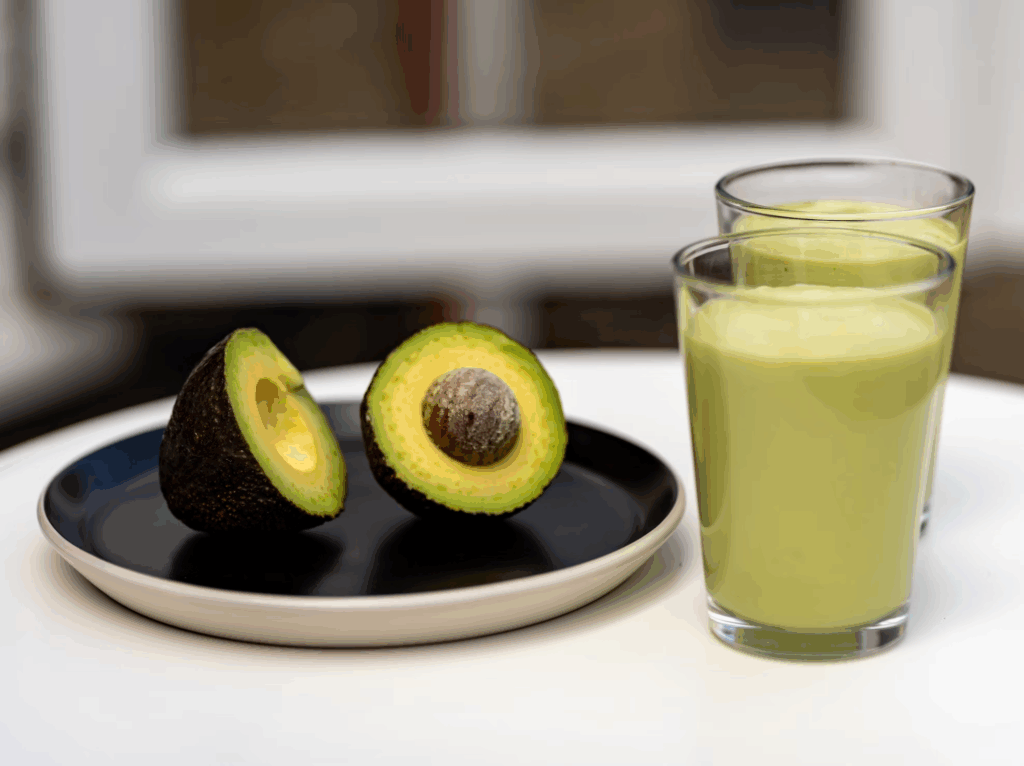
Avocados support a healthy gut microbiome, which is essential for digestion and immunity. Their fiber content feeds beneficial gut bacteria, encouraging a balanced and diverse microbiota. A healthy gut improves nutrient absorption, regulates inflammation, and even influences mood through the gut-brain connection. Eating avocados can reduce digestive discomfort such as bloating or irregularity. Over time, a balanced microbiome contributes to stronger immunity and overall wellness. By promoting gut balance, avocados support nearly every aspect of health.
- Provide fiber that feeds healthy gut bacteria
- Support a balanced microbiome for digestion and immunity
- Improve nutrient absorption in the intestines
- Reduce bloating and gastrointestinal discomfort
- Strengthen the gut-brain connection
Natural Source of Magnesium

Magnesium is involved in over 300 biochemical reactions in the body, and avocados are a natural source. This mineral supports muscle relaxation, nerve signaling, and energy production. It also plays a role in mental health, with low magnesium levels linked to higher risks of depression and anxiety. Athletes and active individuals particularly benefit from magnesium, as it helps prevent cramps and supports recovery. By adding avocados to your diet, you provide your body with a steady supply of this vital nutrient. Adequate magnesium intake ensures better physical and mental performance.
- Provide magnesium for over 300 body processes
- Support muscle relaxation and nerve function
- Aid energy production and metabolism
- Reduce risks of depression and anxiety
- Prevent cramps and support athletic recovery
Supports Healthy Pregnancy

Avocados are especially beneficial during pregnancy due to their rich mix of folate, potassium, and healthy fats. Folate supports the development of the baby’s brain and spinal cord, reducing the risk of birth defects. Potassium helps regulate blood pressure, which is critical for a safe pregnancy. Healthy fats assist in hormone production and fetal growth. The fiber in avocados also eases constipation, a common issue during pregnancy. With their nutrient density, avocados provide a natural way to support maternal and fetal health.
- Folate supports fetal brain and spinal development
- Potassium regulates maternal blood pressure
- Healthy fats assist hormone production and growth
- Fiber reduces pregnancy-related constipation
- Nutrient density supports maternal and fetal wellness
Versatile and Easy to Add to Diet

One of the biggest reasons avocados are so widely loved is their versatility. They can be eaten raw, mashed on toast, blended into smoothies, or used as a creamy base for sauces and dips. Their neutral, buttery flavor pairs well with both savory and sweet dishes. Avocados can even be used as a healthy substitute for butter, mayonnaise, or cream in recipes. This makes it easy to incorporate their health benefits into everyday meals without much effort. With countless ways to prepare them, avocados fit into nearly every diet.
- Can be eaten raw, mashed, or blended
- Add creaminess to smoothies, dips, and sauces
- Work in both savory and sweet dishes
- Replace unhealthy fats like butter or cream
- Easy to incorporate into daily meals
Avocados truly earn their reputation as a superfood because they provide a unique blend of healthy fats, fiber, vitamins, and antioxidants. From supporting the heart and brain to improving skin, digestion, and even pregnancy health, they offer wide-ranging benefits. They not only nourish the body directly but also boost the absorption of other nutrients when eaten with different foods. Versatile and delicious, they fit seamlessly into any diet and can be enjoyed in countless ways. By making avocados a regular part of your meals, you are investing in long-term health and vitality.
Disclaimer: This article was created with AI assistance and edited by a human for accuracy and clarity.
Read More: 20 Foods Marketed as Healthy That Aren’t as Nutritious as You Think