
Public buildings carry a unique responsibility, serving as both functional spaces and symbols of civic identity. Unlike private developments, which often aim to attract customers or tenants with striking designs, public structures prioritize durability, efficiency, and cost-effectiveness. This difference in goals often explains why government offices, courthouses, and libraries lean toward practical but less visually appealing designs. Many were built during eras when architectural movements like Brutalism valued strength, authority, and permanence over beauty or comfort. What once represented progress and seriousness can now feel harsh, cold, or even unfriendly to the communities they serve. A recent nationwide survey of the 100 ugliest public buildings in America highlights how these choices continue to spark debate. The findings reveal not only aesthetic disappointment but also how deeply architecture influences public perception of government and civic life.
1. City of Flint Municipal Center – Flint, Michigan
The Flint Municipal Center was voted the ugliest public building in America. Built in the 1960s, it represents the Brutalist style that was popular at the time. Heavy concrete panels dominate the design, giving it a bunker-like appearance. The windows are small and repetitive, adding little visual relief. Locals often say it feels more intimidating than welcoming. Its stark presence and lack of warmth helped it secure the number one spot.
2. Fresno County Superior Court – Fresno, California
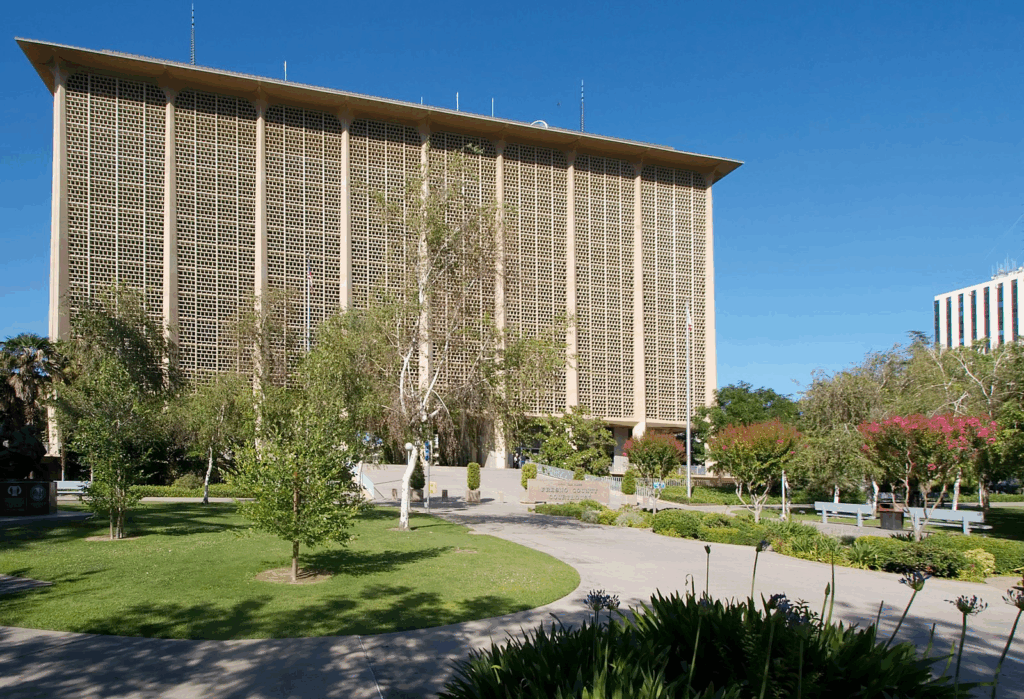
Fresno’s Superior Court building came in second place for its cold and imposing look. Designed to emphasize efficiency, the structure lacks aesthetic appeal. Large blank surfaces and limited glass create a fortress-like impression. Residents say it looks like a government stronghold rather than a space for justice. The harsh, angular lines leave no sense of openness. It is widely regarded as outdated and uninviting.
3. Buffalo City Court – Buffalo, New York
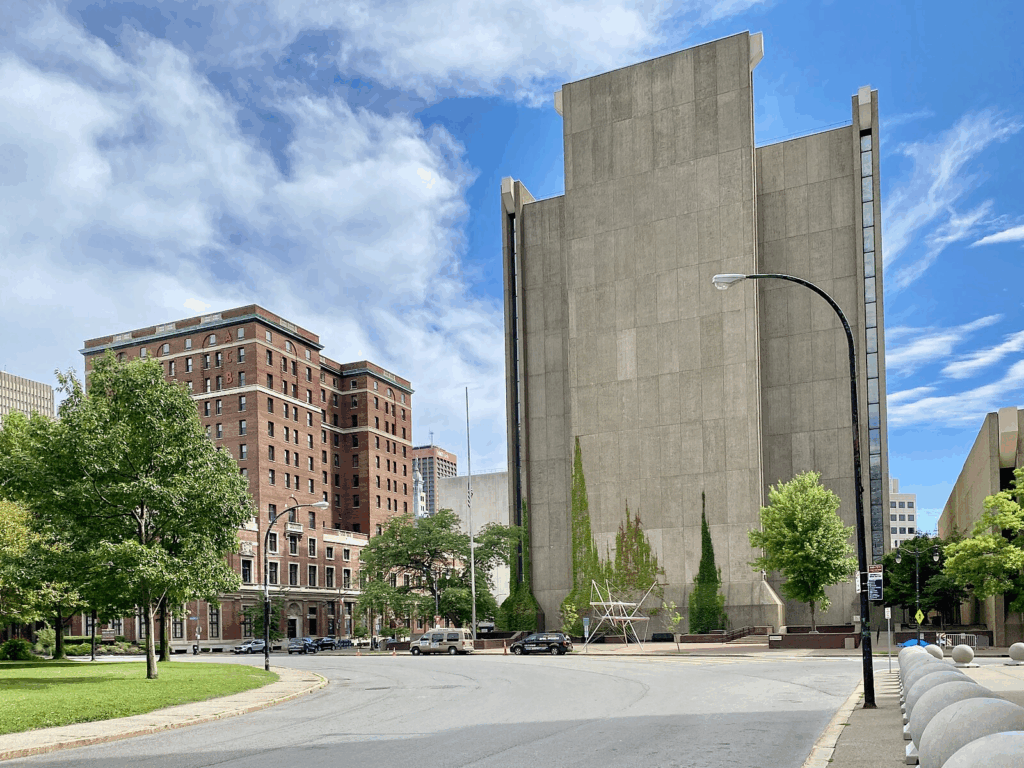
Buffalo City Court earned the number three ranking in a nationwide survey of America’s ugliest public buildings. Conducted by the New Jersey Real Estate Network, the survey gathered responses from over 3,000 adults across the United States, and this courthouse emerged as one of the most disliked structures. Constructed in the 1970s, it embodies classic Brutalist principles with its blocky concrete forms. The towering facade looms over the street, creating a sense of intimidation. Many respondents described it as one of the least approachable buildings in the region. Its rigid symmetry and cold surfaces give it a prison-like quality, leaving the overall effect harsh rather than civic-minded.
4. Jackson County Courthouse – Kansas City, Missouri
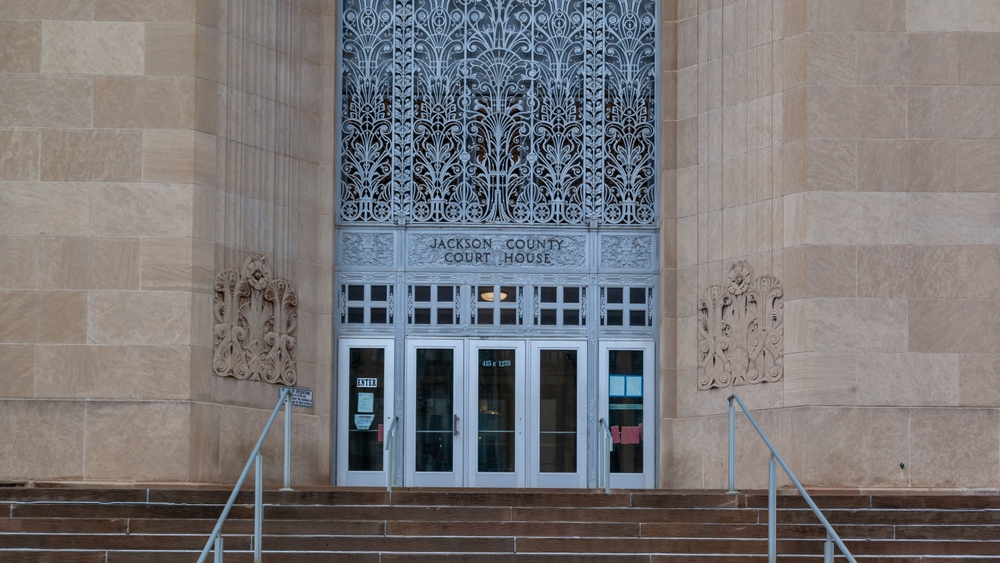
This courthouse secured the fourth position on the list. Its squat, horizontal form stretches across a wide footprint without much variation. The exterior is largely plain concrete with minimal ornamentation. Many describe it as bulky and uninspired. The design reflects practicality but fails to connect with the public. Over time, its unremarkable style has only aged poorly.
5. Philadelphia Municipal Services Building – Philadelphia, Pennsylvania

Rounding out the top five is Philadelphia’s Municipal Services Building. The structure was intended to showcase modern design when it was completed in the 1960s. Today, it is more often criticized for its cold, boxy form. The concrete facade feels unwelcoming, and its scale overshadows the plaza it faces. Locals say it lacks the charm of nearby landmarks. Its utilitarian style left it near the top of the ugly list.
6. Akron Municipal Court – Akron, Ohio
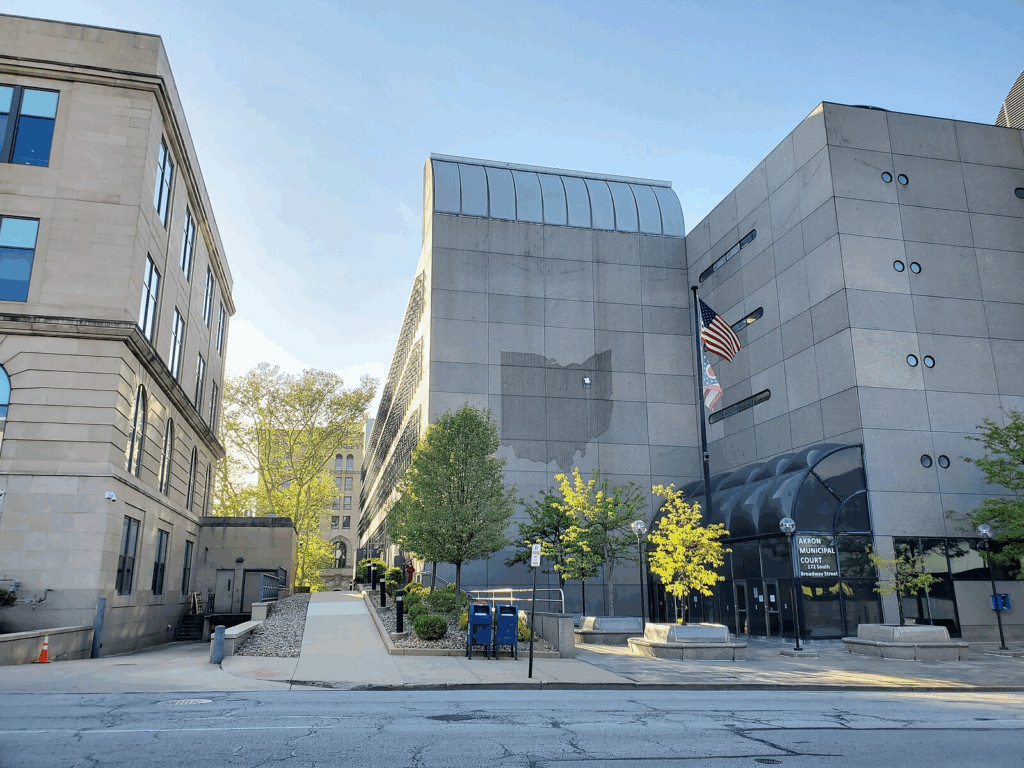
Akron’s Municipal Court is often remembered more for its imposing exterior than for civic beauty. Built with practical intent, the structure features flat walls and a boxy design. The concrete-heavy facade emphasizes durability over charm. Critics say it looks more like an industrial warehouse than a courthouse. Its lack of decorative detail leaves it feeling stark and uninviting. While it serves its function well, it fails to inspire civic pride.
Survey Findings Ranked 7–10
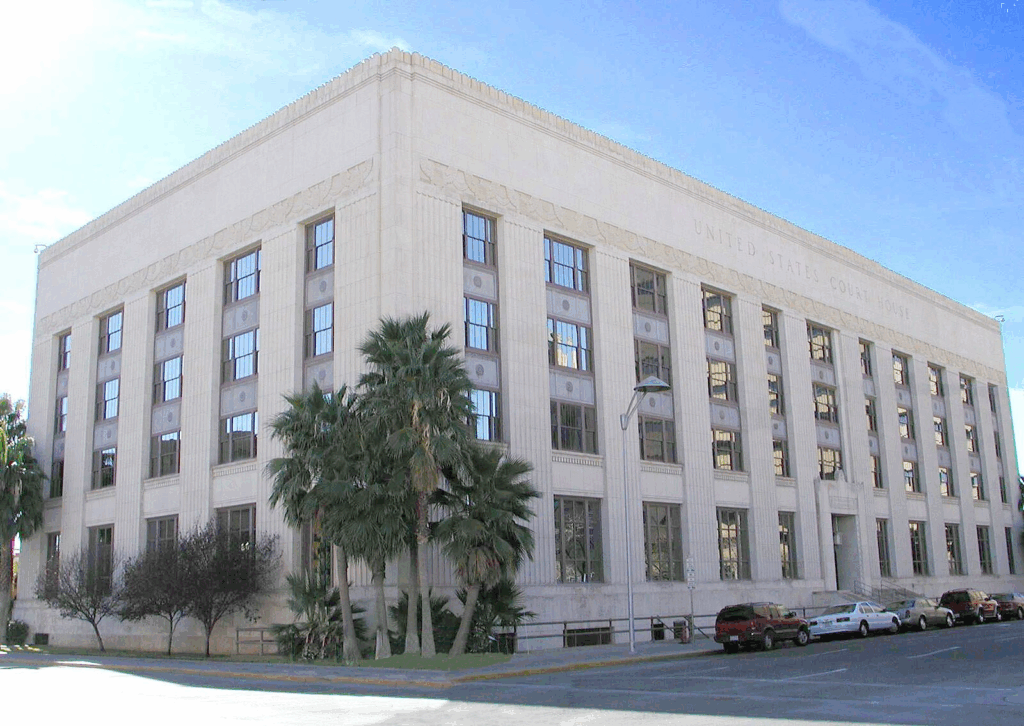
The survey results show that even in the top ten, not all “ugly” buildings are courthouses. Some are utility facilities, others administrative offices, but they share one thing in common: designs that feel uninspired, outdated, or downright unwelcoming. These four examples highlight how form often took a back seat to function, leaving behind buildings that communities now view with little affection.
7. Atlantic City Municipal Court – Atlantic City, New Jersey
In a city celebrated for casinos, neon, and daring architecture, this courthouse feels like a gray shadow. Its plain rectangular form and lack of ornamentation make it look more like a leftover office block than a civic institution. Many residents call it invisible compared to the city’s dazzling skyline.
8. Bentonville Public Works Maintenance Facility – Bentonville, Arkansas
This facility embodies the phrase “function over form.” Its design resembles a warehouse, with little to suggest it is part of civic life. Locals often say it looks unfinished, as if design was an afterthought.
9. Tuscaloosa County Public Works Building – Tuscaloosa, Alabama
Built in the mid-20th century, this public works building reflects the stripped-down style of its time. Concrete walls and sharp lines give it a severe look, while its oversized footprint makes it appear heavy and awkward.
10. El Paso County Court Administration Building – El Paso, Texas (pictured)
Constructed during the Brutalist wave, this building emphasizes authority through thick concrete panels and narrow vertical windows. Critics describe it as “strange” and unfriendly, a civic space that feels more intimidating than welcoming.
11. Boston Government Center Complex – Boston, Massachusetts
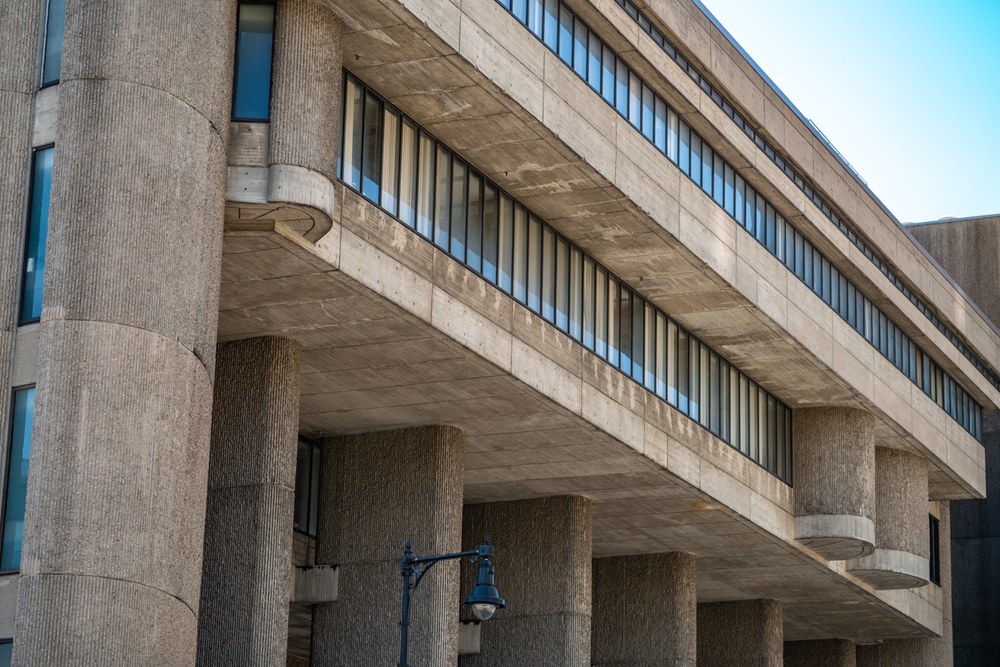
The Boston Government Center Complex, designed during the 1960s urban renewal era, has long divided opinion. Its stark concrete surfaces reflect the height of Brutalist architecture. While it was meant to symbolize strength and modernity, many see it as cold and alienating. The complex replaced a vibrant neighborhood, which deepened local resentment toward its arrival. Over time, its weathered concrete and imposing scale have become synonymous with the city’s least-loved design. For many, it remains a striking example of how civic ideals can clash with public taste.
Survey Findings Ranked 12-15
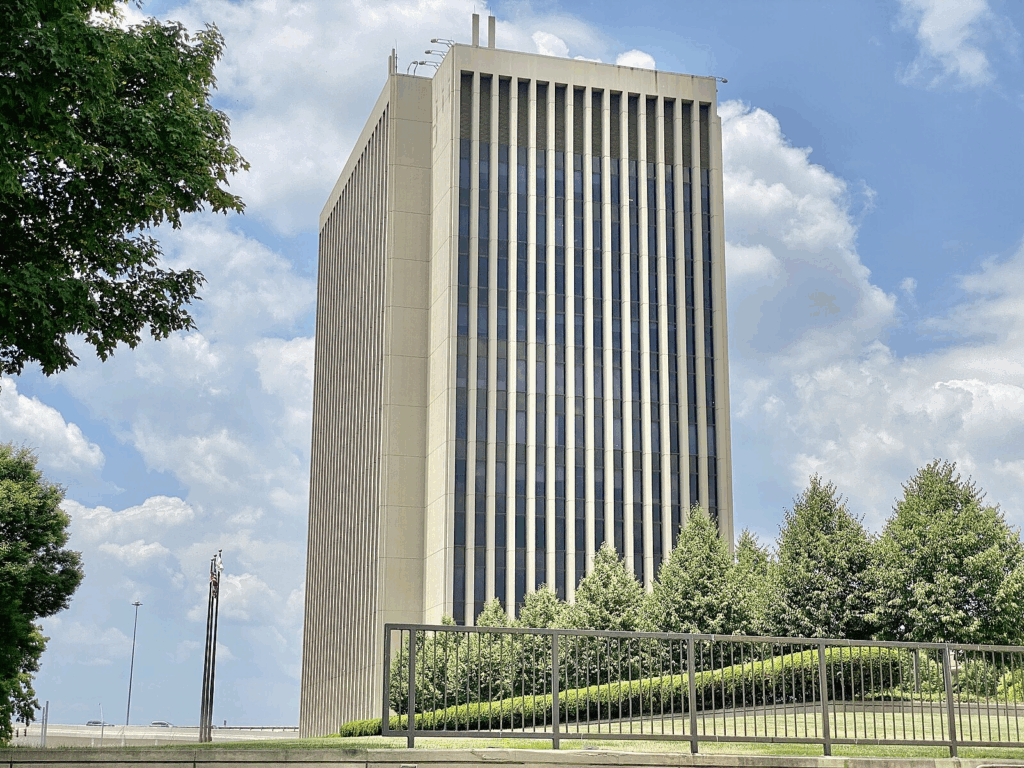
This section of the survey highlights how civic buildings from the mid-to-late 20th century often missed the mark. Built during eras of expansion, they were meant to symbolize progress but instead left behind structures that feel cold, flat, or disconnected from their surroundings. Each reflects the challenges of balancing budget, function, and aesthetics, and each earned a place on the list for failing to capture civic pride.
12. Bridgeport Police Headquarters – Bridgeport, Connecticut
Bridgeport’s Police Headquarters was designed with pure utility in mind. Its concrete-and-glass exterior has been called repetitive and uninspired, resembling an outdated office block more than a civic hub. Once a powerhouse of industry, Bridgeport now sees this building as a reminder of cost-cutting architecture that lacked creativity.
13. Montgomery County Administration Building – Dayton, Ohio (pictured)
This mid-century office block was meant to showcase efficiency during Dayton’s civic redevelopment. Instead, its flat facade and boxy proportions have long been criticized as lifeless. Locals often describe it as a concrete eyesore that disconnects rather than unites the community.
14. Modesto City Hall – Modesto, California
Built in the 1960s, Modesto’s City Hall was supposed to be modern but ended up sterile. Its rigid lines and lack of character clash with California’s vibrant spirit. Residents often say it looks like a corporate office park, not a centerpiece of civic identity.
15. North Las Vegas Municipal Court – North Las Vegas, Nevada
In a city known for bold lights and architectural flair, this courthouse is a disappointment. Completed during a rapid growth phase, its plain facade and blank surfaces feel sterile. Locals describe it as lifeless, especially compared to the energy of Las Vegas nearby.
16. Roswell Municipal Court – Roswell, New Mexico
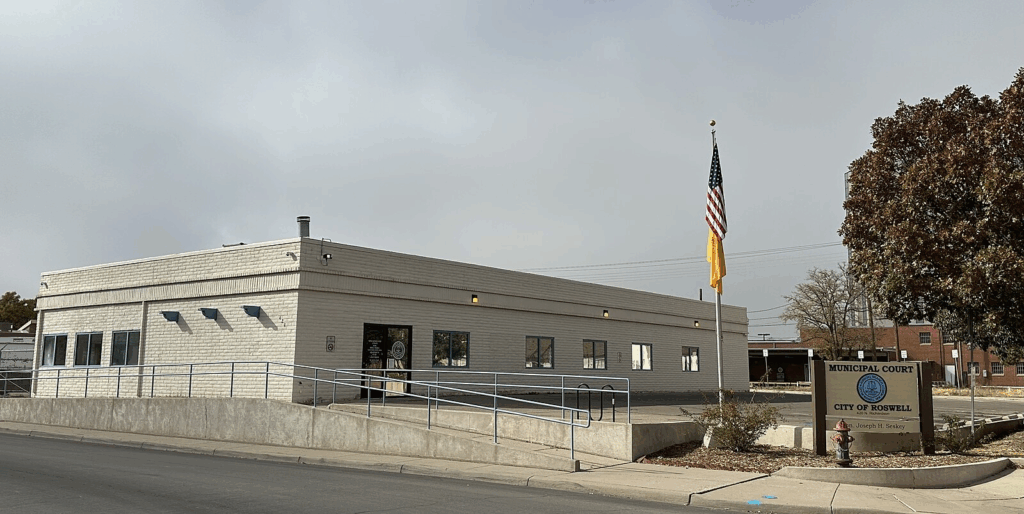
Roswell is best known for its UFO lore, but its municipal court offers no sense of imagination. The building’s straightforward design feels dull and heavy. Its dated style mirrors a mid-century office block rather than a civic building. While intended to communicate seriousness, it instead feels unwelcoming and unremarkable. The city’s quirky reputation contrasts sharply with the court’s lack of personality. For many, it represents an architectural missed opportunity in a town famous for otherworldly creativity.
17. Saginaw County Courthouse – Saginaw, Michigan
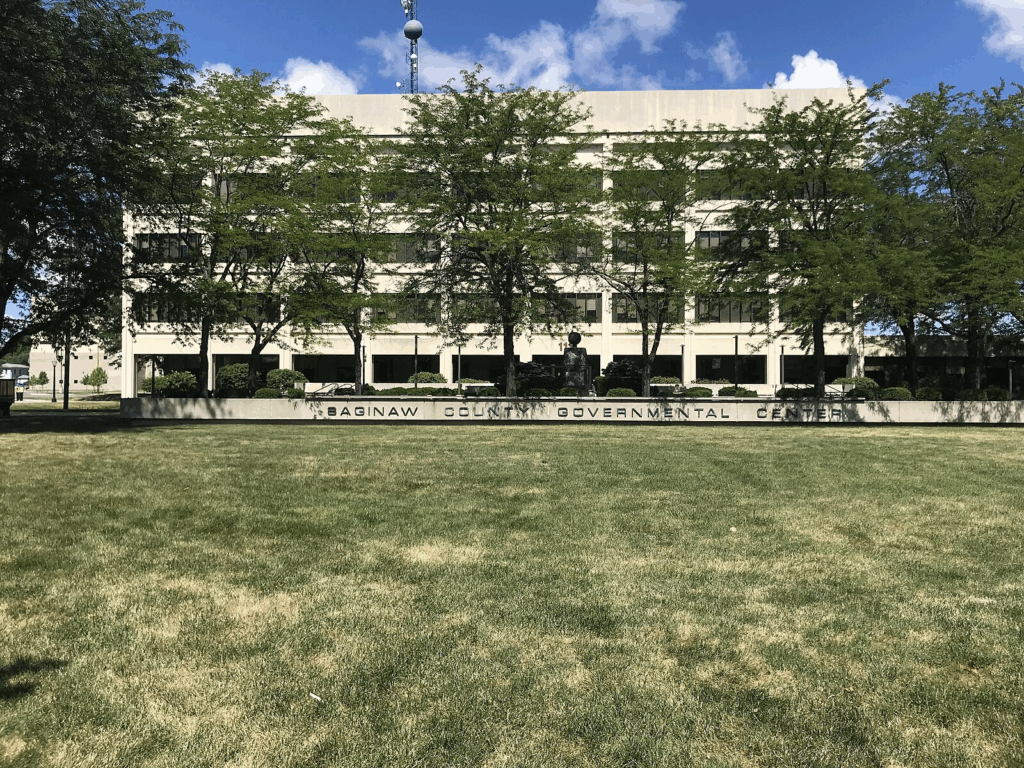
Saginaw’s courthouse, built in the 1970s, was once promoted as a modern symbol of justice. Its Brutalist architecture now feels harsh and uninviting. Thick concrete panels and narrow window strips create an oppressive exterior. The structure was part of a broader wave of utilitarian public buildings across Michigan. Residents criticize it for feeling more like a bunker than a courthouse. Its severe appearance helped secure its place high on the ugly list.
18. Monroe County Hall of Justice – Rochester, New York
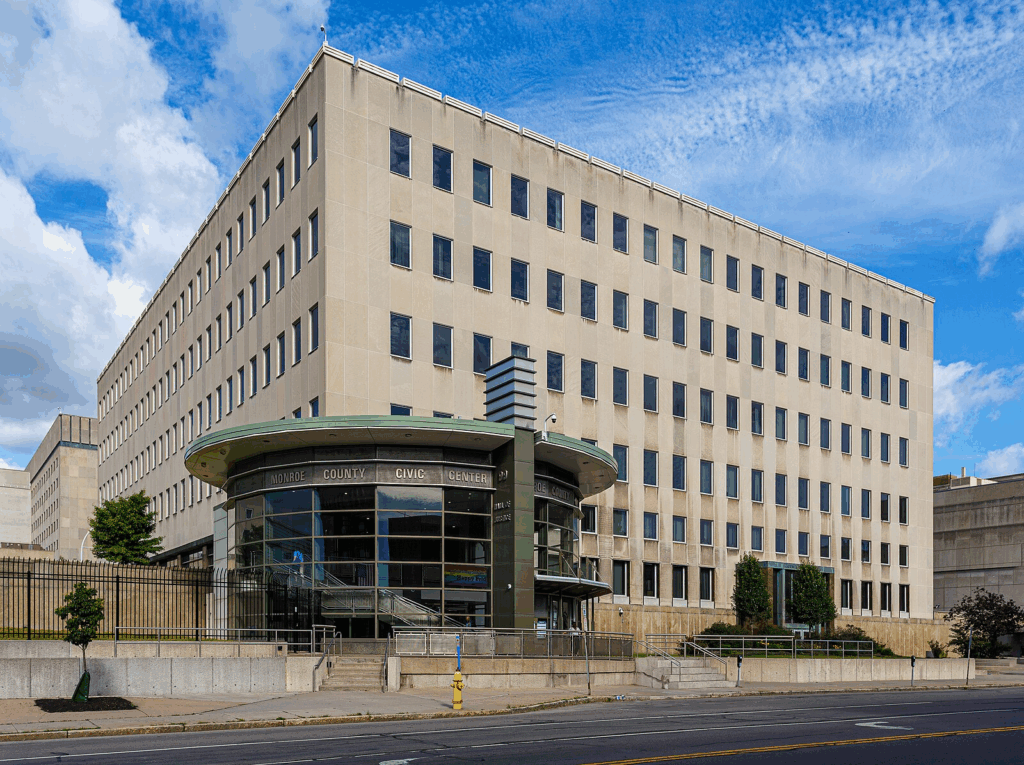
This massive courthouse in Rochester dominates the downtown landscape with its stern and boxy form. Constructed in the late 1960s, it was designed to project authority and efficiency. Unfortunately, its heavy use of concrete and lack of visual variety make it feel intimidating. Locals often compare it to a fortress rather than a place of civic service. Its sheer scale overwhelms the surrounding area instead of blending in. The building’s cold presence has made it one of New York’s least admired public structures.
19. Florence-Lauderdale Government Building – Florence, Alabama
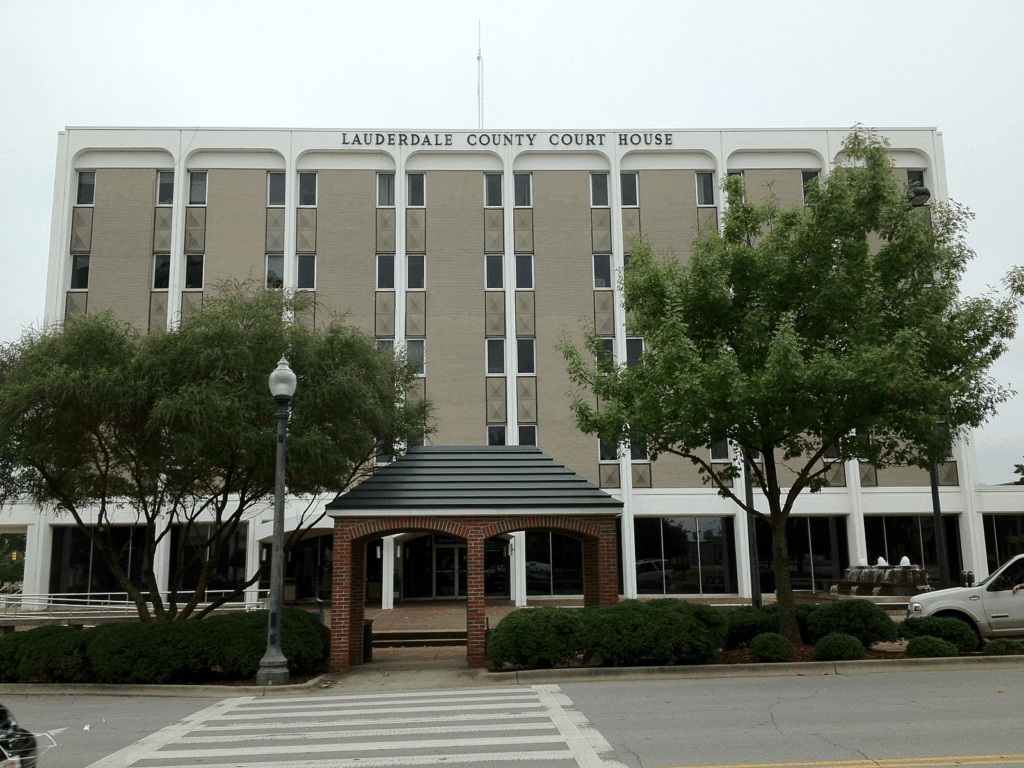
The Florence-Lauderdale Government Building reflects an era when minimalism in civic design was mistaken for modernity. Its rectangular exterior offers little in the way of detail or imagination. Built to serve multiple functions, it prioritizes practicality above all else. The muted facade fails to capture the historic charm of the region. Locals often call it plain and lifeless. Over time, its lack of distinctive features has cemented its reputation as unattractive.
Survey Findings Ranked 20–25
The middle of the top 25 shows how widespread the issue of uninspired civic design really is. From Delaware to New Jersey, these buildings were constructed with practicality as the main goal, yet decades later they are remembered more for their lack of character than their service to the community. Each example reflects a period when cost and efficiency ruled, leaving behind civic landmarks that inspire little pride.
20. New Castle County Department of Public Works Building – New Castle, Delaware
This blocky facility was built to house essential operations, but its dated and uninspired design has long disappointed locals. Residents often say it reflects bureaucracy more than community pride.
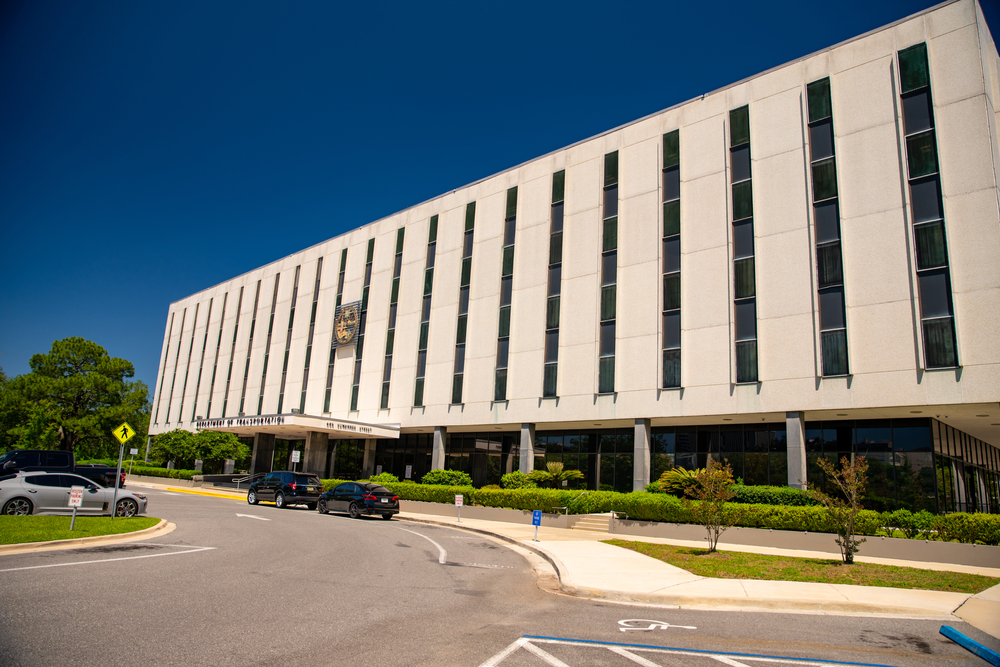
21. Tallahassee Department of Transportation Headquarters – Tallahassee, Florida (pictured)
Constructed during mid-century expansion, this oversized structure emphasizes efficiency over beauty. Its dull facade feels out of place in a city known for Southern charm.
22. Scottsbluff County Administrative Office – Scottsbluff, Nebraska
A no-frills design from the mid-20th century, this county building feels cold and unremarkable. Locals compare it to a generic office block.
23. Escambia County Commissioners Central Office Complex – Pensacola, Florida
Awkward proportions and repetitive concrete panels define this facility. Survey participants called it outdated, unfriendly, and lacking any sense of civic warmth.
24. Pottawattamie County Courthouse – Council Bluffs, Iowa
Built in the 1970s, this courthouse resembles a bunker with its heavy walls and poor natural light. Its cold design has aged poorly.
25. Passaic County Administration Building – Passaic, New Jersey
Drab surfaces and minimal detail mark this 1960s structure. Residents often say it fails to inspire pride, standing out only for its blandness.
26. Raleigh DMV Building – Raleigh, North Carolina
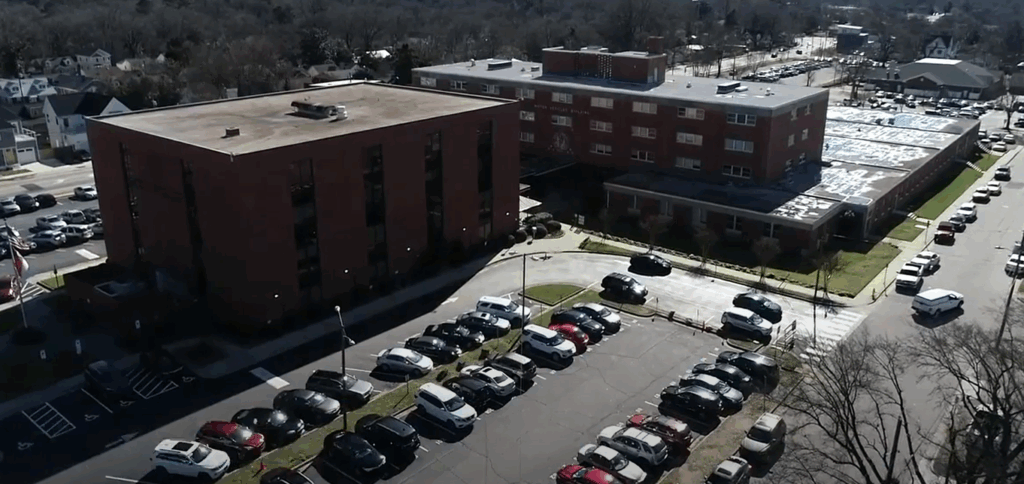
The Raleigh DMV is a building nearly everyone in the city has visited, but few admire. Its concrete exterior and plain lines make it look institutional. Built for high-traffic use, design was not the priority. Locals often describe it as dreary and unwelcoming. The interior is equally uninspired, adding to the frustration of long visits. Its utilitarian style has made it notorious among residents.
27. Lubbock Courthouse – Lubbock, Texas
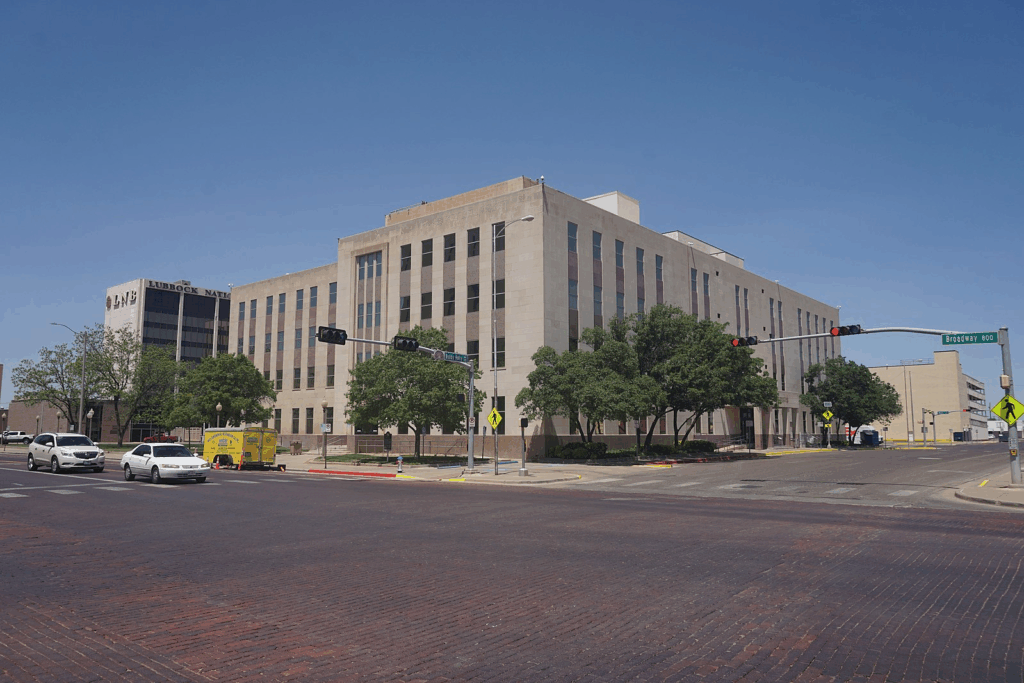
Lubbock’s Courthouse was constructed during a period of civic expansion in the mid-20th century. Its design emphasizes efficiency, not aesthetics. The boxy shape and repetitive facade leave little for the eye to enjoy. Locals say it lacks the warmth expected of a city’s centerpiece. The building’s scale feels imposing rather than welcoming. It remains one of the city’s least admired public structures.
28. Allentown City Hall – Allentown, Pennsylvania
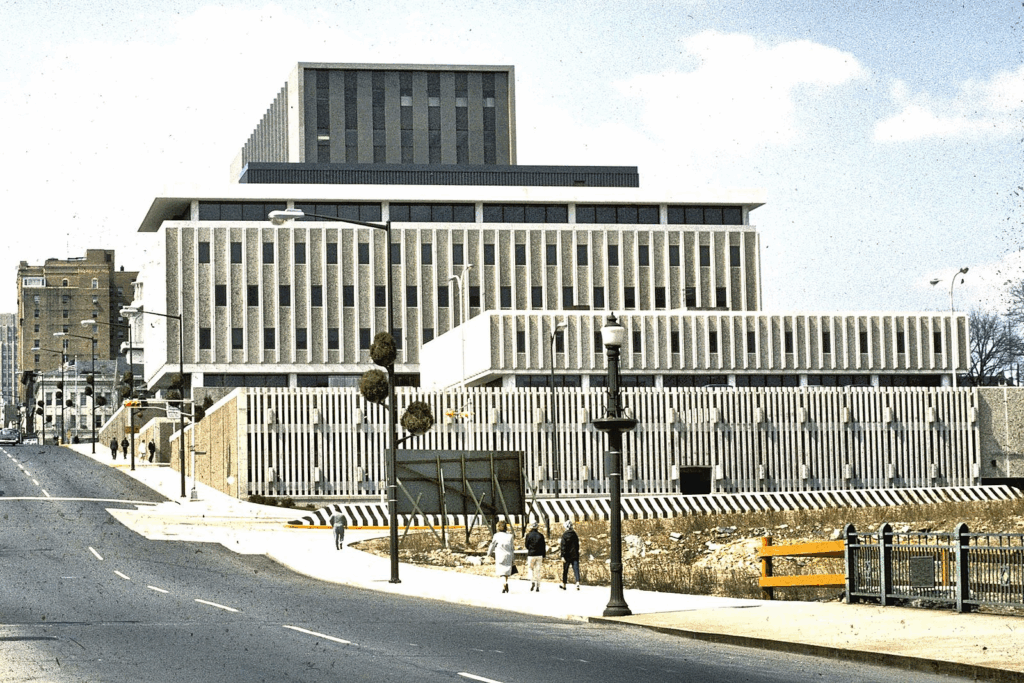
Allentown’s City Hall is remembered more for its uninspired form than for its civic role. Built in the 1960s, its plain exterior reflects the utilitarian trends of the time. The muted facade feels disconnected from the historic architecture nearby. Residents criticize its lack of detail and decorative touches. It projects authority without offering any charm. Over time, it has become one of Pennsylvania’s most disliked public buildings.
Survey Findings Ranked 29–32

The next stretch of the rankings highlights how very different places can share the same problem: buildings that leave citizens cold. From Alaska’s rugged capital to the bright lights of Las Vegas, these civic structures were created with practicality or scale in mind but ended up failing to connect with the people they serve. Whether too plain, too severe, or simply too corporate, each of these entries shows how poor design choices echo long after construction.
29. Juneau Department of Public Safety Headquarters – Juneau, Alaska
Built to withstand harsh weather, this building emphasizes function above all else. Its boxy form and rigid lines give it a severe, unfriendly presence, leaving residents unimpressed.
30. Muskogee County District Court – Muskogee, Oklahoma
Erected in the 1970s, this courthouse reflects utilitarian design trends. Its plain facade and repetitive windows feel lifeless, making it one of Oklahoma’s least admired landmarks.
31. York County Department of Social Services – Rock Hill, South Carolina
Designed to be efficient, this building resembles a dated office block. Locals often say it feels bureaucratic rather than welcoming or community-centered.
32. Clark County Regional Justice Center – Las Vegas, Nevada (pictured)
Despite opening in 2005, this massive complex was quickly criticized for being sterile. Its glass-and-concrete exterior resembles a corporate tower, clashing with the city’s vibrant character.
33. Green Bay City Hall – Green Bay, Wisconsin
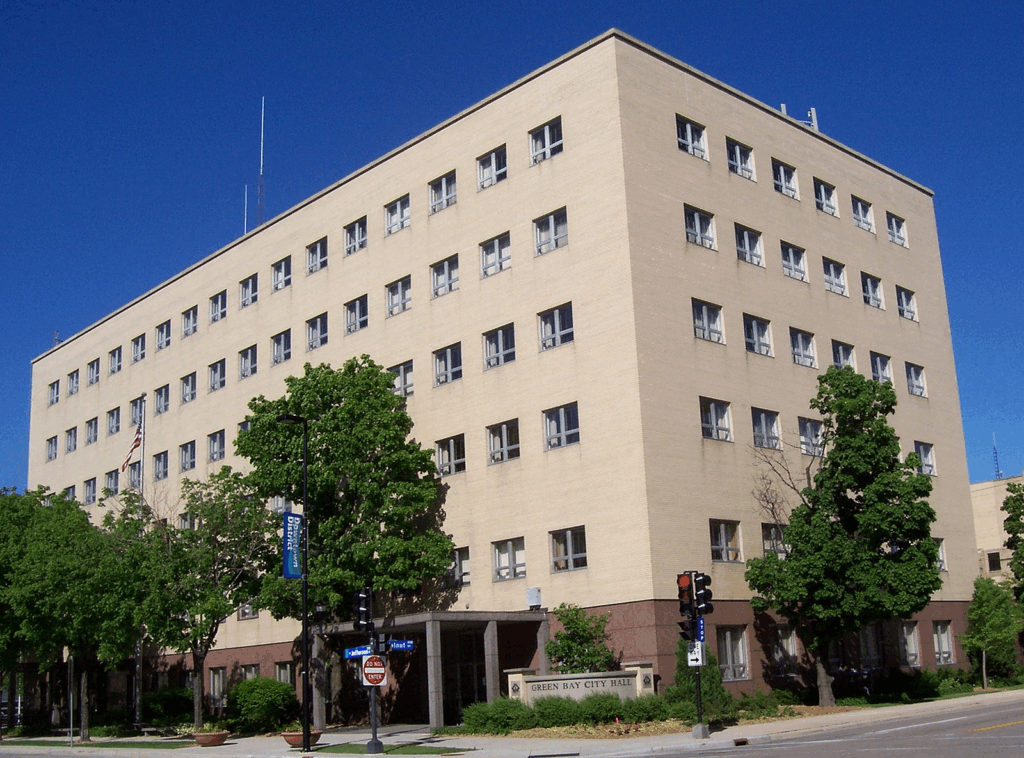
Green Bay’s City Hall was constructed in the 1950s and reflects the stripped-down design of the post-war period. Its blocky form and flat exterior have drawn comparisons to a generic office building. Locals often say it does not capture the character of a city known for sports pride. While efficient, it lacks charm or decorative detail. Over time, its faded materials have added to its unattractive presence. For many, it remains one of Wisconsin’s least inspiring civic buildings.
34. Pine Bluff City Hall – Pine Bluff, Arkansas
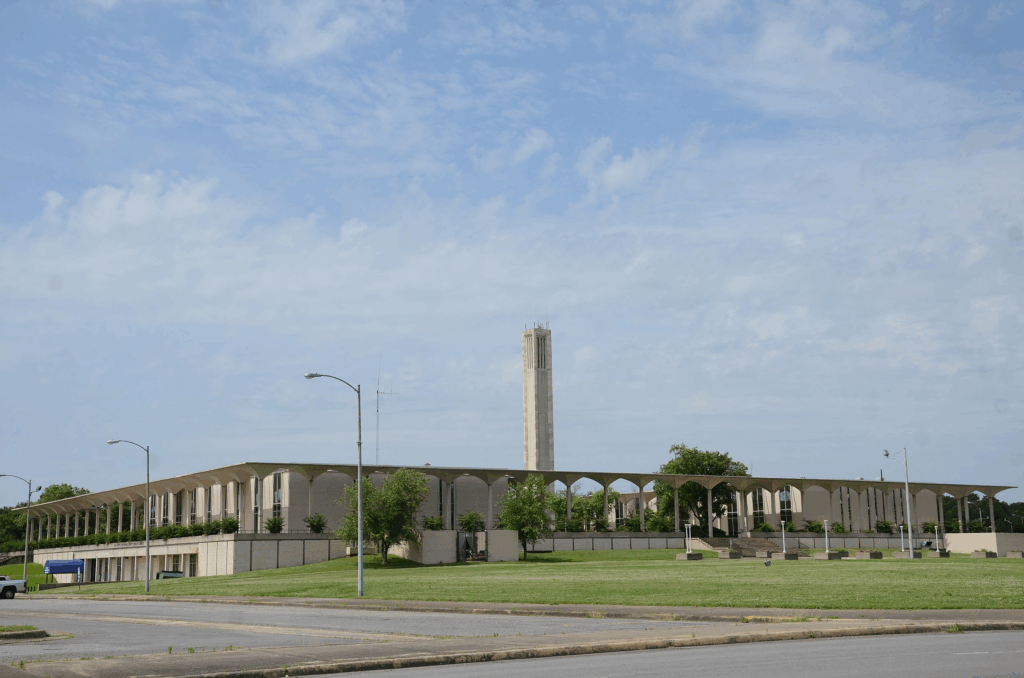
Pine Bluff’s City Hall is a product of the 1960s and looks every bit the part. The building relies on plain rectangular massing with little relief. Critics argue that its uninviting exterior does not reflect the spirit of the community. The muted tones and lack of design imagination leave it forgettable. Residents have long complained about its lifeless presence in the heart of town. It is a classic example of utilitarian architecture aging poorly.
35. New Castle County Government Center – New Castle, Delaware
The New Castle County Government Center is another mid-century block of concrete with little personality. Built during a push for streamlined civic offices, it prioritized function above form. The result is a building with heavy walls and repetitive window lines. Critics say it feels more bureaucratic than civic-minded. Locals often point out its lack of welcoming spaces or architectural detail. Over the years, it has become one of Delaware’s most criticized government buildings, closely ranking with New Castle’s other ugly public building on this list.
36. Hurff Ackerman Saunders Federal Building – Juneau, Alaska
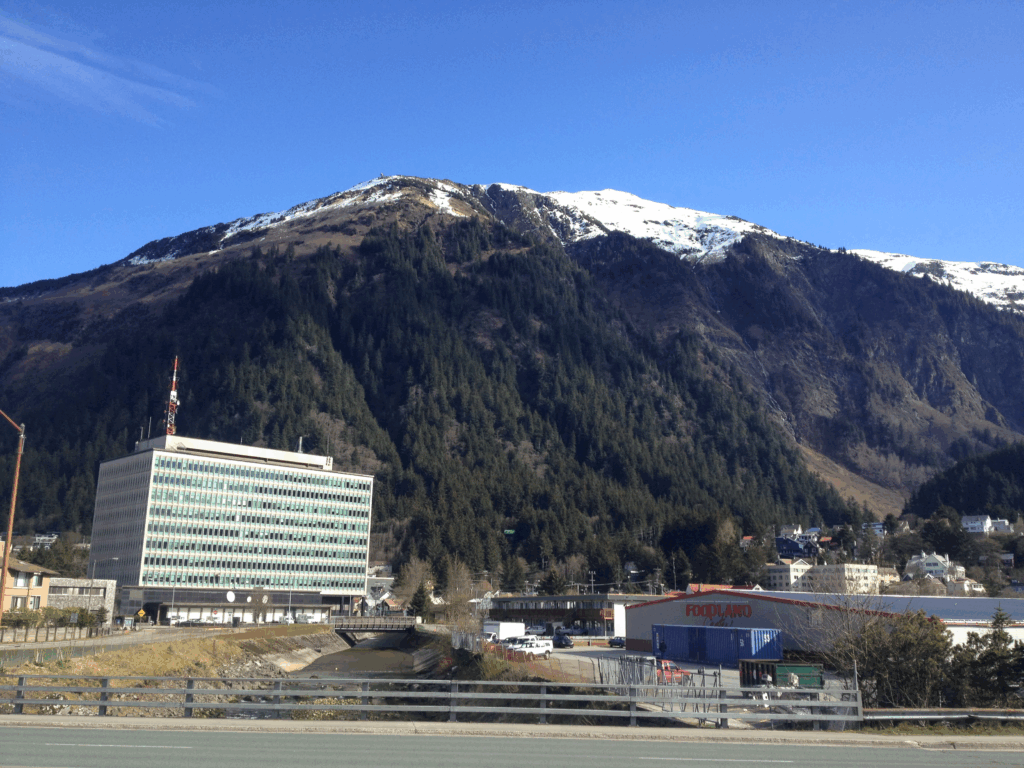
This federal building in Juneau was designed to be practical in Alaska’s harsh climate. Its bulky exterior and stark materials were chosen for durability, not beauty. The structure, however, looks more like a bunker than a civic space. Locals have described it as one of the least attractive landmarks in the capital. Its plain concrete and minimal windows contribute to a feeling of coldness. It symbolizes functionality taken to an extreme.
37. Peoria County Courthouse – Peoria, Illinois
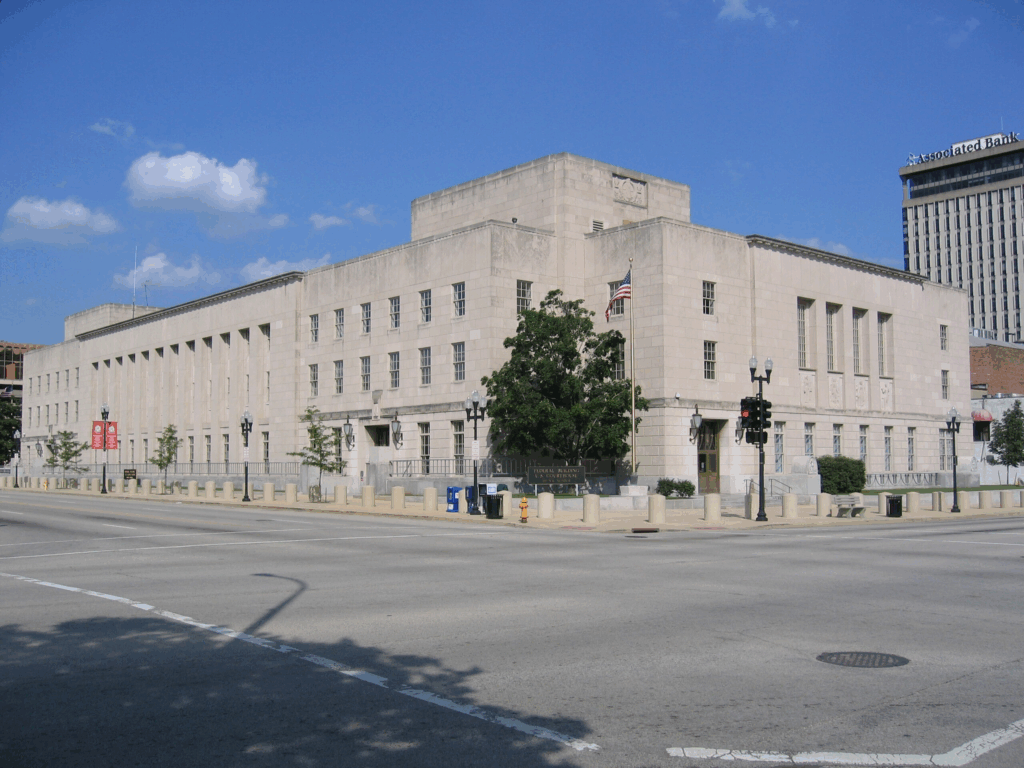
Peoria’s courthouse is an imposing concrete structure built during the 1960s. At the time, it was seen as modern and efficient. Today, its blocky forms and harsh surfaces leave it looking dated. The lack of ornamentation has earned it little love from residents. Critics often describe it as lifeless and unfriendly. Its place on the ugly list reflects how poorly mid-century architecture has aged.
38. Gillette City Clerk’s Office and Police Building– Gillette, Wyoming
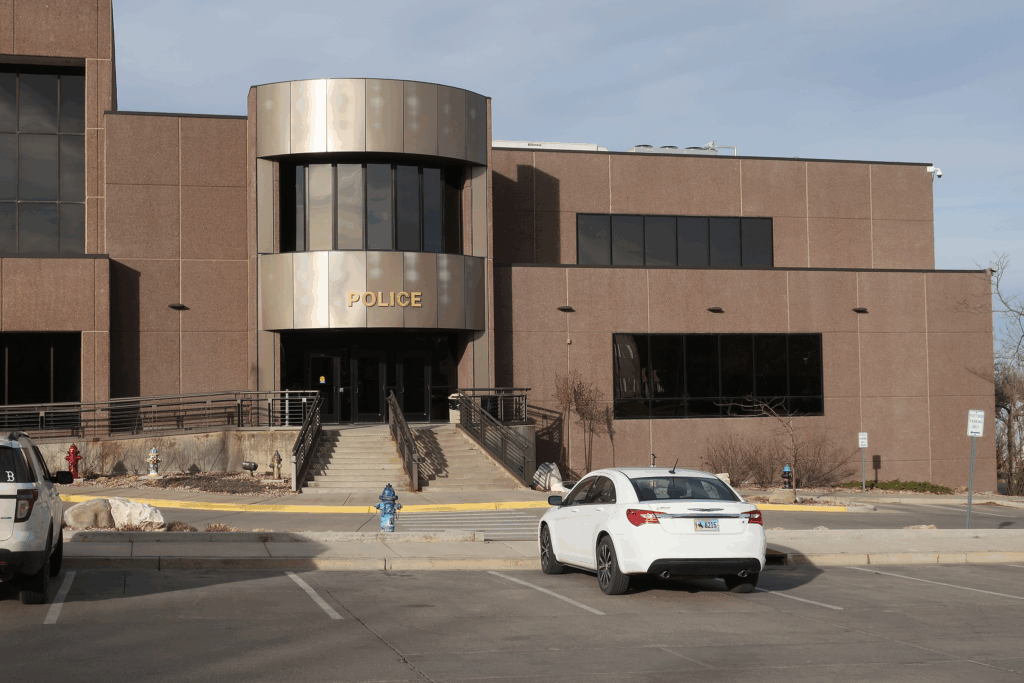
The Gillette City Clerk’s Office and Police Building offers very little, visually. “Plain” is the most common phrase used to describe this multi-functional establishment. Built during a period of rapid growth, it prioritized cost and utility. Locals often say it looks uninspired and dull. The building does little to connect with the character of the community. Its blandness earned it a secure spot on the ugly list.
39. Sioux City Police and Fire – Sioux City, Iowa
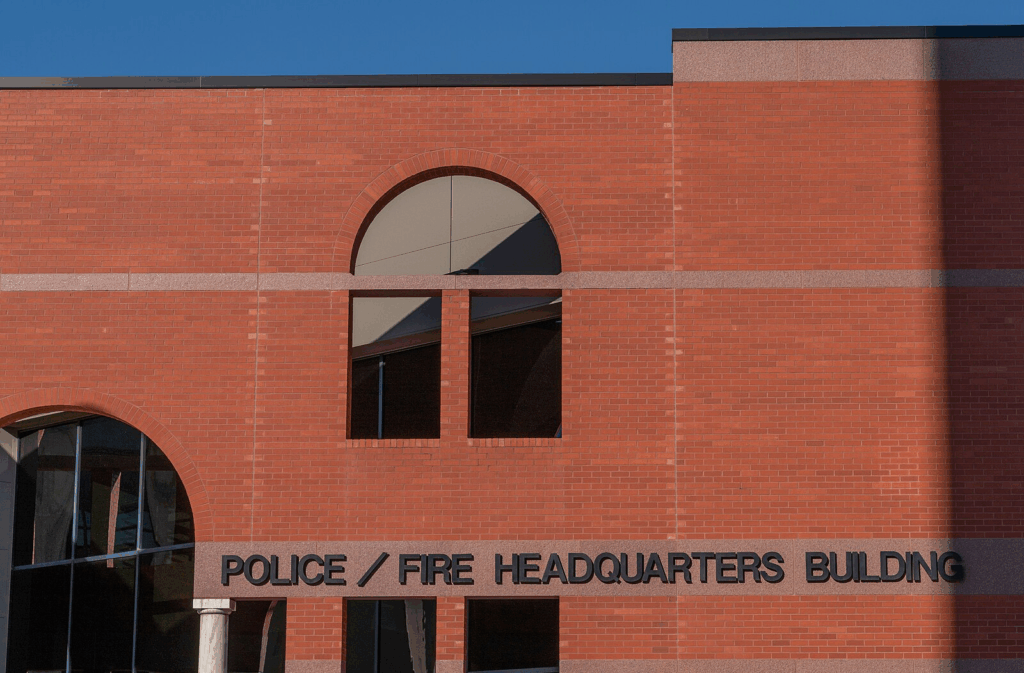
Sioux City’s Police and Fire Department reflects a common problem in civic design: efficiency over appeal. The building is a mishmash of brick-looking construction combined with random window placement and no detail. The lack of character and originality leaves most people who look at it feeling completely underwhelmed. Over time, it has become one of Iowa’s most disliked public facilities.
Survey Findings Ranked 40–45
The next segment of the rankings highlights how mid-century civic projects often left behind oversized structures that communities find difficult to love. Built with practicality and durability in mind, many of these buildings share a reliance on concrete, boxy shapes, and little regard for charm. From New York to Missouri, these government hubs were intended to showcase efficiency but instead became symbols of cold bureaucracy.
40. Westchester County Office Building – Westchester, New York
Constructed in the 1970s, this hulking office building reflects Brutalism at its peak. Its massive form feels gloomy and oppressive, leaving locals with little pride.
41. Spartanburg County Administration and City Hall Complex – Spartanburg, South Carolina
This joint city and county facility was designed for consolidation, not beauty. Its repetitive, boxy look and cold materials make it one of downtown’s least admired buildings.
42. Newport News Circuit Court – Newport News, Virginia
Built in the 1960s, this courthouse is flat and uninspired. Its plain appearance clashes with nearby historic architecture, making it feel dreary and unwelcoming.
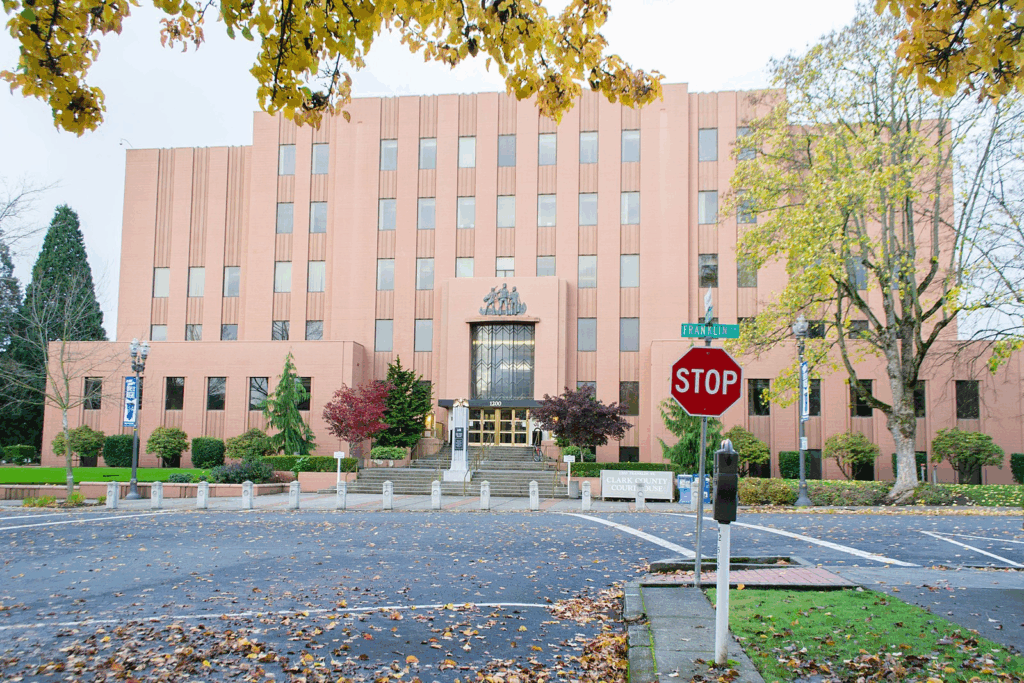
43. Clark County Building Department – Vancouver, Washington (pictured)
This 1970s structure has been compared to an industrial shed. Its flat walls and lack of detail have aged poorly, cementing its spot on the ugly list.
44. Owensboro City Hall – Owensboro, Kentucky
Intended as a cost-efficient project, this city hall ended up looking like a generic office block. Locals say it fails to reflect Owensboro’s cultural energy.
45. Springfield Municipal Courts – Springfield, Missouri
Designed to be modern, this 1970s courthouse now feels clunky and outdated. Critics note its heavy proportions make it resemble a factory rather than a civic space.
46. Knoxville Civic Auditorium and Coliseum – Knoxville, Tennessee
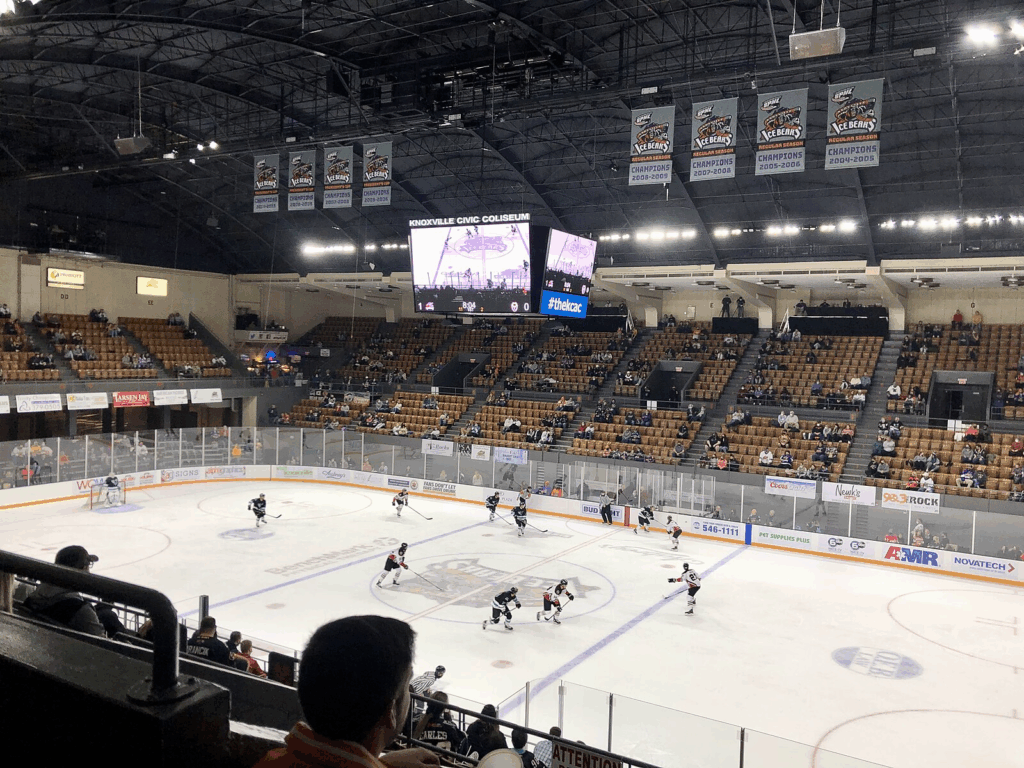
This multi-use venue in Knoxville opened in 1961 with much anticipation. Its design, however, quickly drew criticism for being bulky and bland. The exterior resembles an industrial shed rather than a cultural hub. Despite hosting major sporting events, it has been labeled one of the city’s least attractive buildings. Residents often describe it as clumsy and outdated. Its lack of architectural grace has cemented its reputation as ugly.
47. Tacoma Municipal Court – Tacoma, Washington
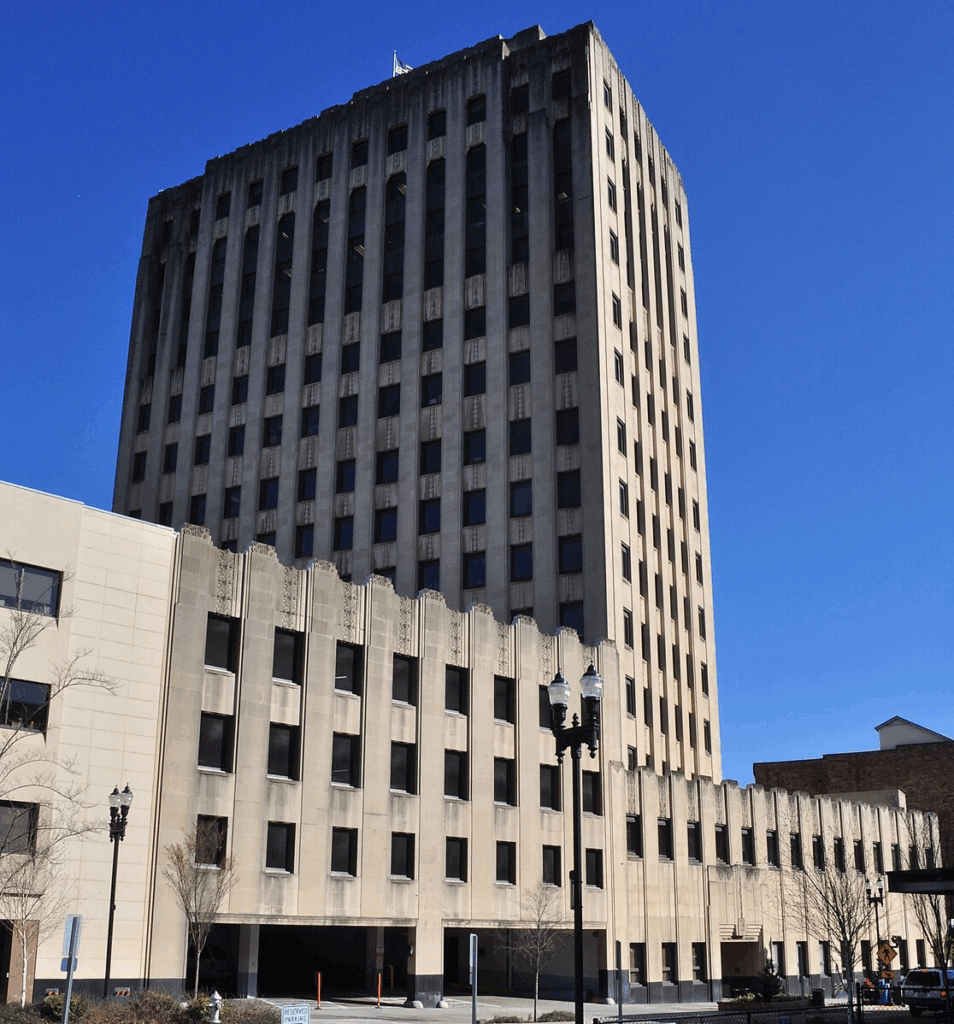
Tacoma’s Municipal Court opened in the 1970s, reflecting the practical design trends of its era. Its concrete shell and narrow windows give it a withdrawn, almost secretive presence on the street. Many locals complain it looks more like a service depot than a courthouse. The lack of glass or ornamentation reduces any sense of openness. Instead of engaging with the city around it, the structure seems tucked away in its own world. The building stands out for its indifference to aesthetics rather than its architectural ambition.
48. Minot City Hall – Minot, North Dakota
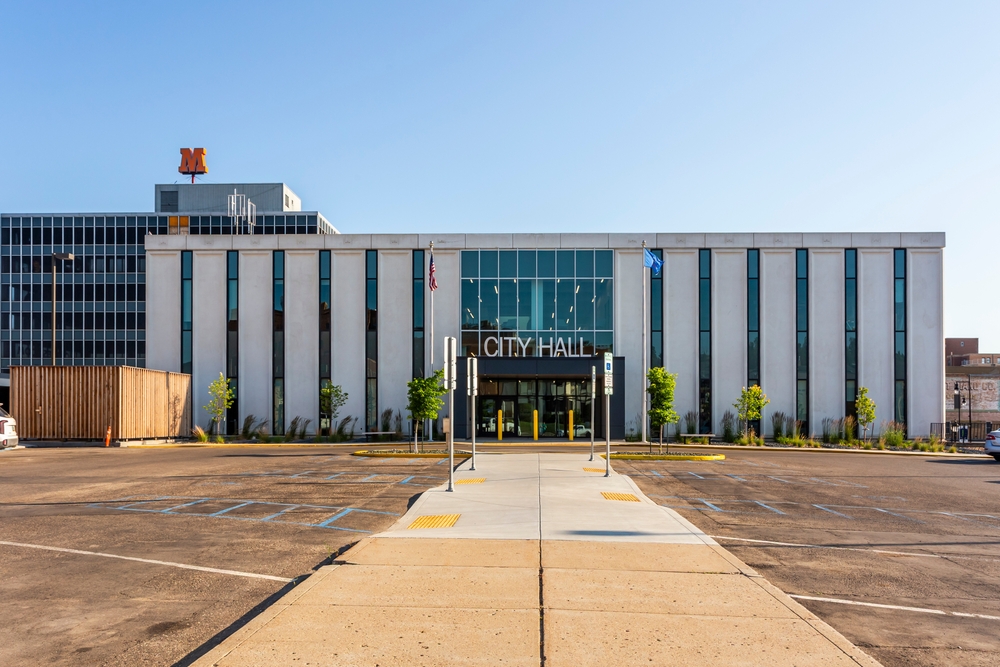
Minot’s City Hall came out of the 1960s with function as its highest priority. What resulted was a simple box with little character. The muted exterior leaves residents comparing it to a budget office building. Without decorative touches or striking form, it fails to provide a civic focal point. Locals often say the building looks like it could belong in any town, anywhere. Over the decades, that lack of identity has made it increasingly forgettable.
49. Topeka Judicial Center – Topeka, Kansas
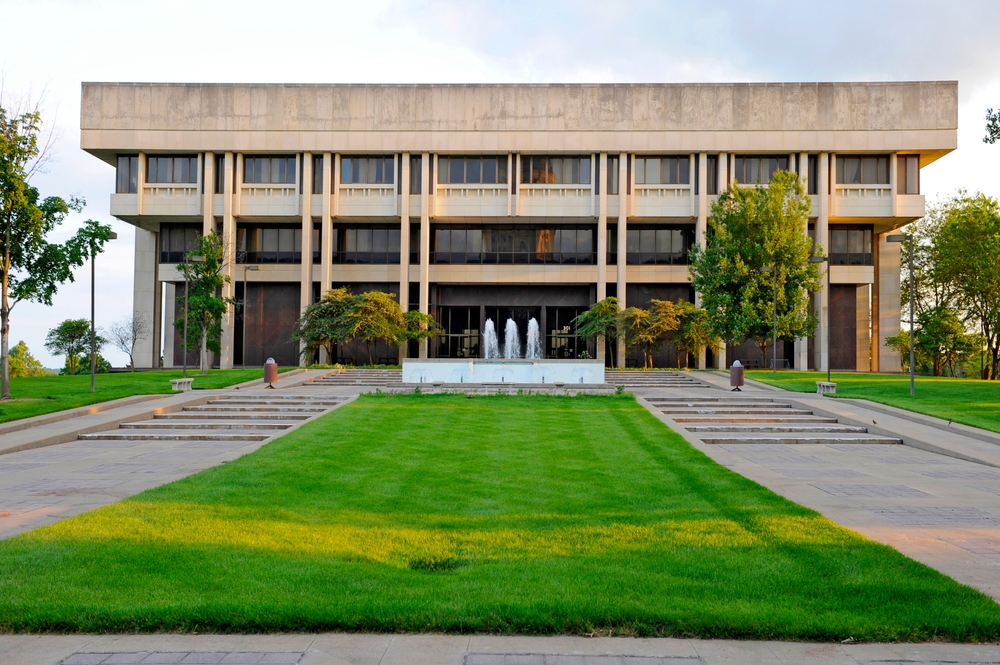
Completed in 1977, the Topeka Judicial Center was intended as a modern symbol of Kansas government. Its vast walls of concrete dominate the landscape but leave little to admire. Instead of grandeur, the building conveys weight and rigidity. Critics often point out its lack of natural light and its unwelcoming approach. Where earlier courthouses projected dignity with stone and detail, this one leans into bulk and severity. It remains a striking example of ambition lost to heavy-handed design choices.
50. New Orleans City Hall Annex – New Orleans, Louisiana
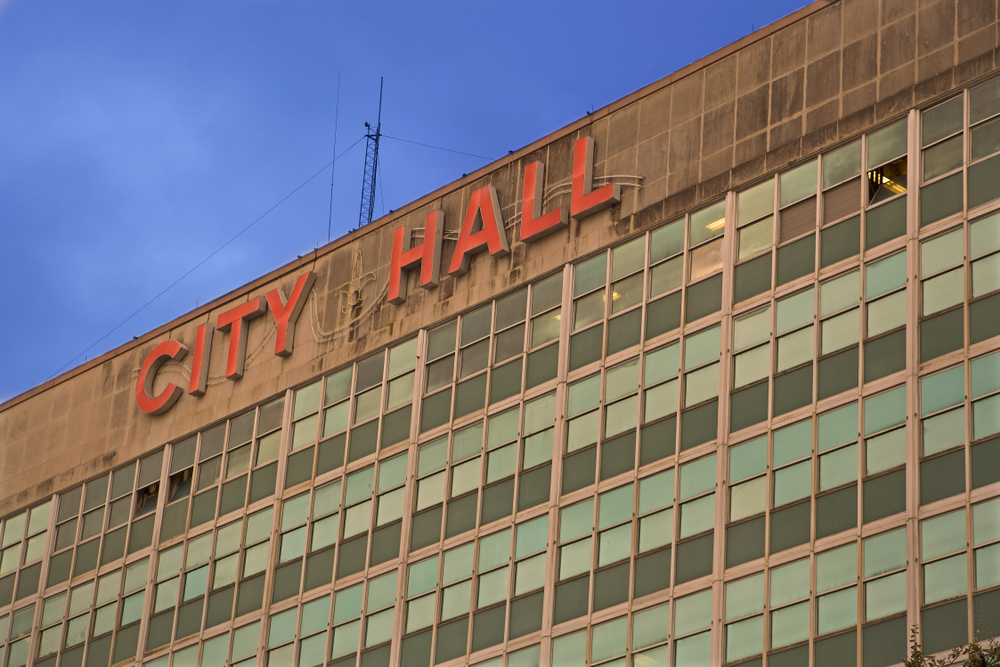
Built in the 1970s, this annex is overshadowed by the city’s celebrated French Quarter and historic landmarks. Its plain surfaces and lack of ornamentation jar against the charm of nearby architecture. Locals argue it could be mistaken for a generic government block in any American city. What makes it especially disappointing is the contrast with New Orleans’ reputation for creativity and flair. Rather than blending in, the annex drags down the cityscape around it. For many, it is remembered as a missed opportunity rather than a proud civic addition.
51. Multnomah County Justice Center – Portland, Oregon
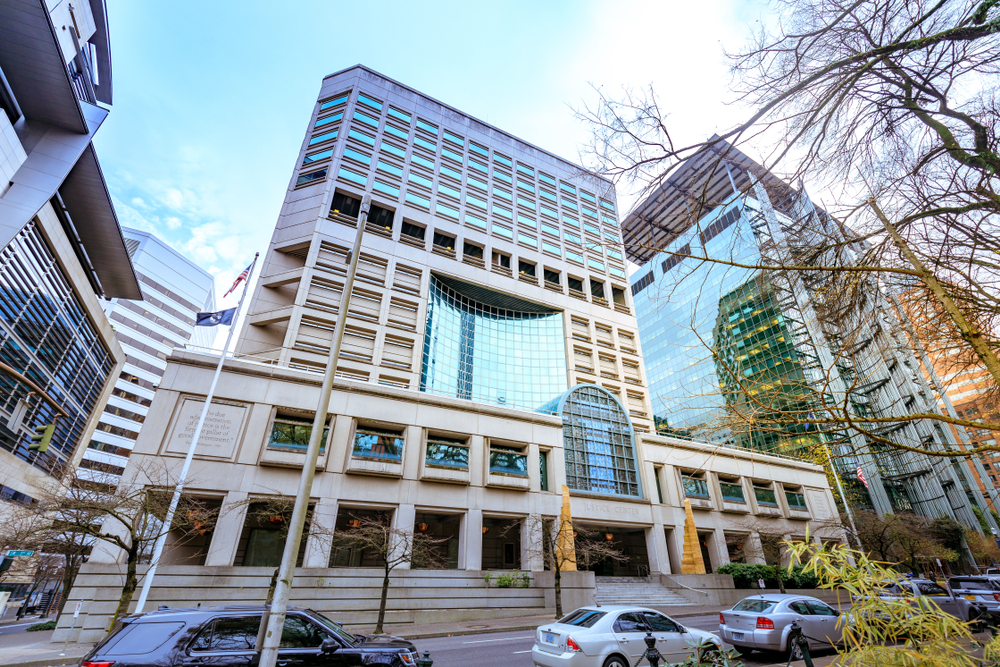
Portland’s Justice Center opened in 1983 to combine courtrooms and jail space under one roof. Its hard edges and towering slabs of concrete give it an institutional feel. Residents often complain that it projects control rather than justice. In a city known for quirky and lively architecture, the structure feels unusually stiff. The design has aged into something more severe than sleek, especially as newer projects rose around it. It has become shorthand for how quickly modern ideas can turn into dated ones.
Survey Findings Ranked 52–55
This part of the rankings highlights how civic projects from the 1950s through the 1970s often left behind buildings that communities struggle to embrace. Intended to be efficient and long-lasting, these structures instead became symbols of blandness, bulk, and missed opportunities.
52. Logan City Hall – Logan, Utah
Built in the 1970s, Logan’s City Hall is a plain rectangular structure of brick and concrete. Locals say it feels more like a back-office utility building than the centerpiece of city government. Its lack of character leaves it out of step with Logan’s historic charm.
53. Overland Park Municipal Court – Overland Park, Kansas
This municipal court arose during a period of rapid suburban growth. Unfortunately, its flat walls and repetitive lines make it look like an office park. Residents often say it lacks the dignity expected of a judicial building.
54. Flathead County Justice Center – Kalispell, Montana
Kalispell’s Justice Center was designed in the 1970s with an emphasis on bulk. Its windowless stretches and gray exterior feel disconnected from the natural beauty around it. Critics describe it as a box that drains energy from the town square.
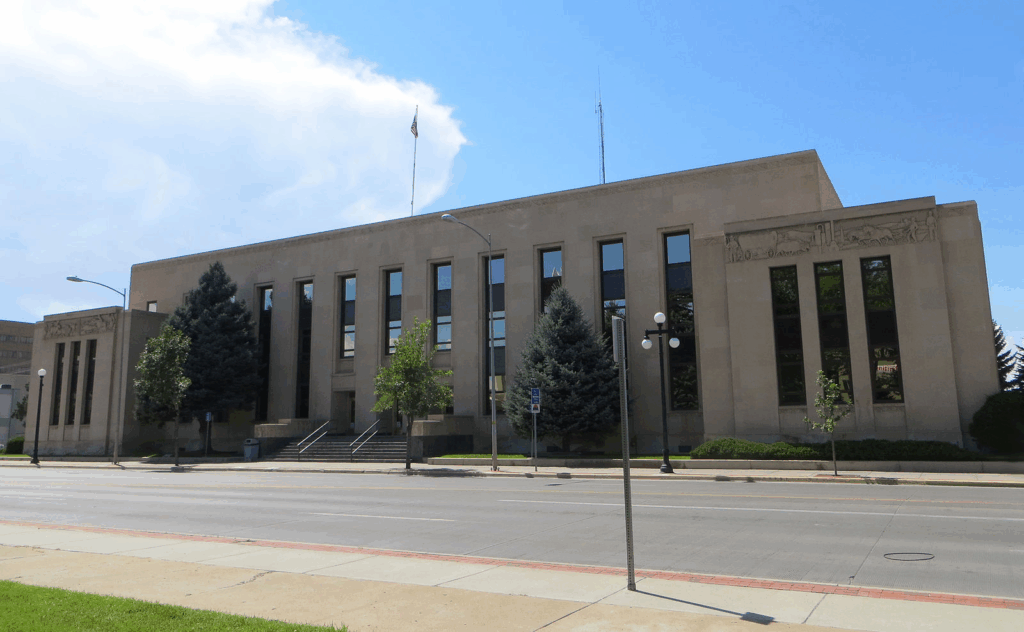
55. Natrona County Courthouse – Casper, Wyoming (pictured)
Constructed in the 1940s, it is a well-preserved example of period architecture. Despite it’s unappealing looks, this courthouse was meant to symbolize authority and permanence. Today, its massive concrete blocks feel dated and overwhelming. Instead of inspiring pride, locals often say it represents a stripped-down era of civic design.
56. Winnebago County Circuit Court – Winnebago, Illinois
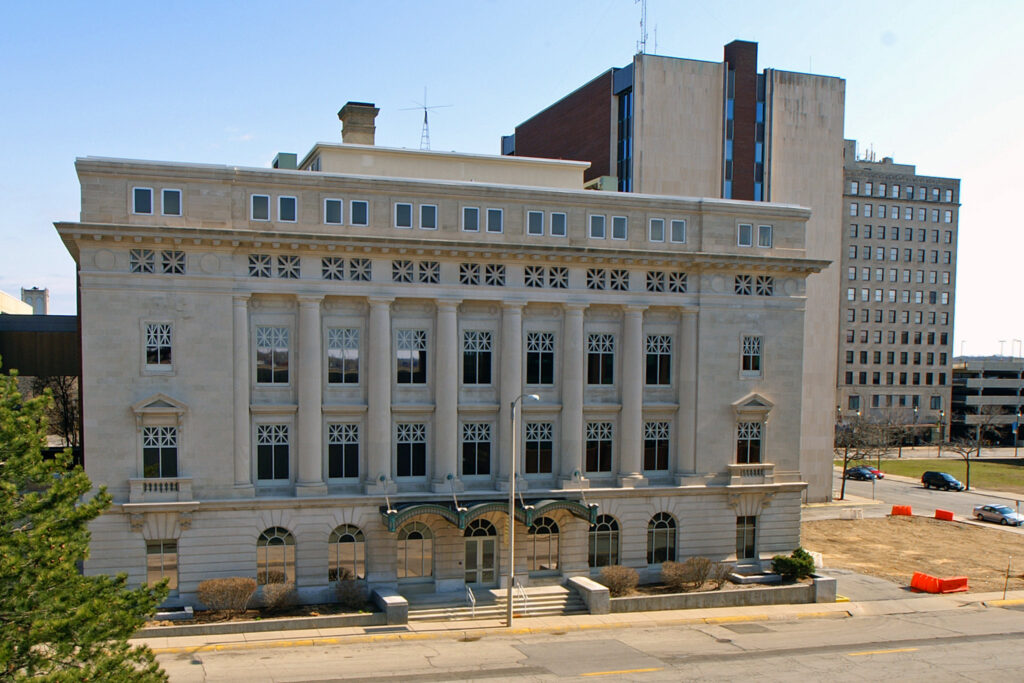
Built in the 1960s, this courthouse embraced the minimalism popular at the time. Its flat walls and narrow strips of windows create a joyless exterior. Locals sometimes compare it to a storage warehouse rather than a place where justice is served. The building offers little detail or character to balance its boxy massing. For decades, residents have regarded it as uninspired and out of touch with civic pride. Its reputation remains firmly planted as one of Illinois’s least admired courthouses.
57. Pennington County Administration Building – Rapid City, South Dakota
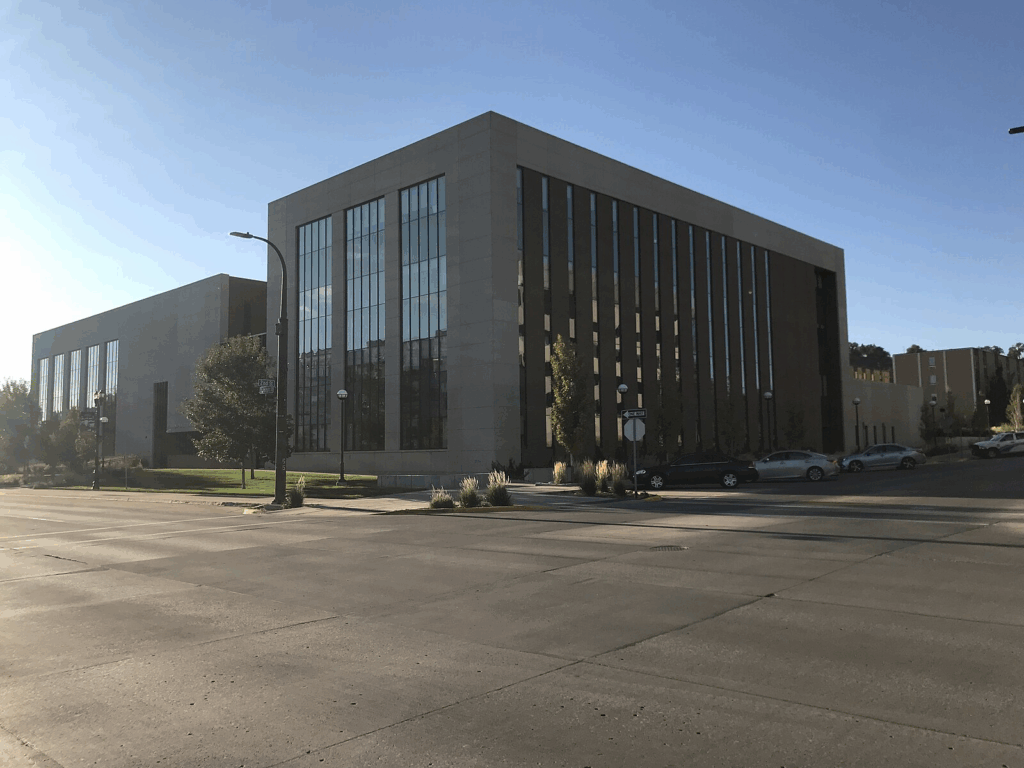
Rapid City’s administration hub was constructed in the 1970s when efficiency drove most government design. The structure’s repetitive window slots and concrete panels give it a monotonous rhythm. Many locals say it feels more bureaucratic than welcoming. Instead of blending with its surroundings, it stands out as stark and unapproachable. The lack of warmth has only become more noticeable as the city grew around it. Today, it’s cited more often for its dreariness than for the work conducted inside.
Survey Findings Ranked 58–62
These mid-20th-century civic projects reflect a period when efficiency and expansion often outweighed design ambition. Intended to show modernization and growth, each ended up leaving its community with a structure that feels more generic than proud.
58. Norfolk City Hall – Norfolk, Virginia
Built in the 1960s as part of downtown redevelopment, Norfolk’s City Hall was supposed to be a modern landmark. Instead, its tall, featureless facade makes it look like an ordinary office tower. Surrounded by historic architecture, the contrast is striking, and many residents see it as a lost opportunity to celebrate the city’s heritage.
59. Norman Municipal Court – Norman, Oklahoma
This courthouse came about during the city’s suburban expansion. Its repetitive windows and boxy frame give it little character. Locals say it feels more like an afterthought than a civic landmark, especially in a university town known for energy and growth.
60. Decatur City Hall Annex – Decatur, Alabama
Decatur added this annex to handle city services, but the design drew criticism from the start. The muted exterior makes it look more like a utility office than a government hub. Residents often describe it as bland and outdated, disconnected from the city’s Southern charm.
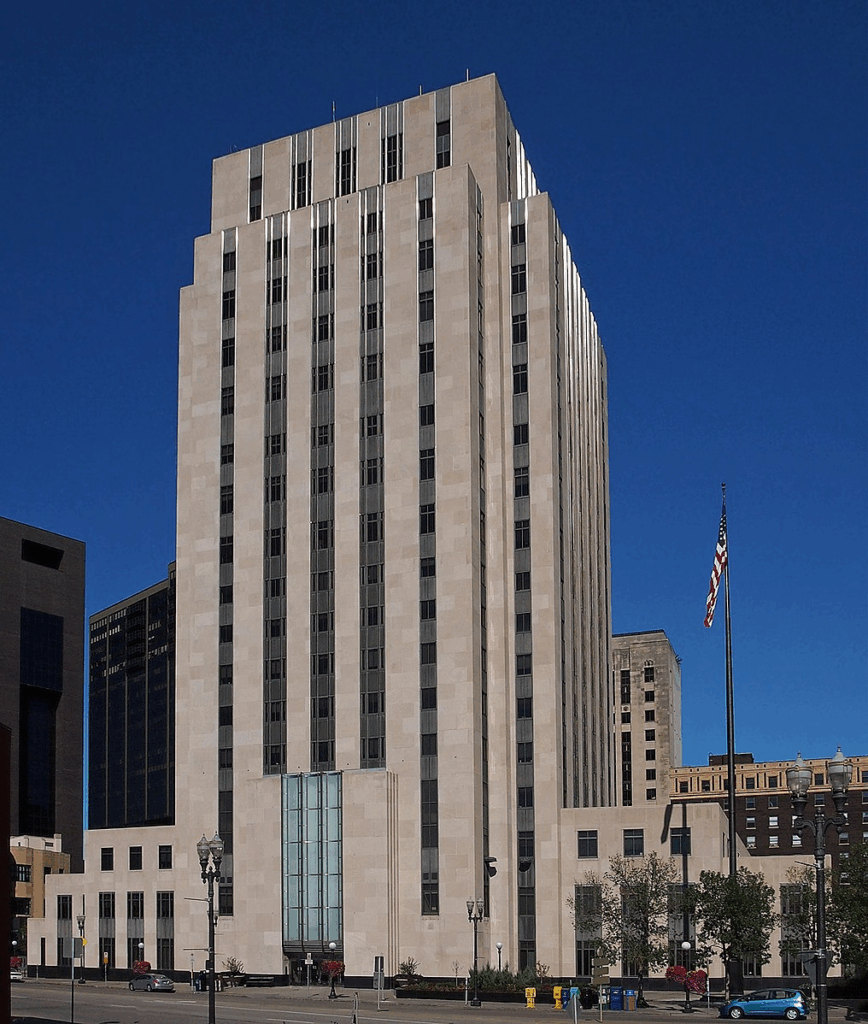
61. St. Paul City Hall – St. Paul, Minnesota (pictured)
St. Paul’s towering City Hall and Ramsey County Courthouse, completed in 1931, is a rare Art Deco entry on the list. Its dark stone and monumental scale were meant to project confidence during the Depression. While some admire its craftsmanship, others find it intimidating and overly austere.
62. Salt Lake County Government Center – Salt Lake City, Utah
Built in the 1980s, this sprawling complex was intended to unify county services under one roof. Unfortunately, its endless wings and repetitive facades leave it feeling corporate rather than civic. Critics say it looks more like a suburban office park than the headquarters of local government.
63. St. Joseph County-City Building – South Bend, Indiana
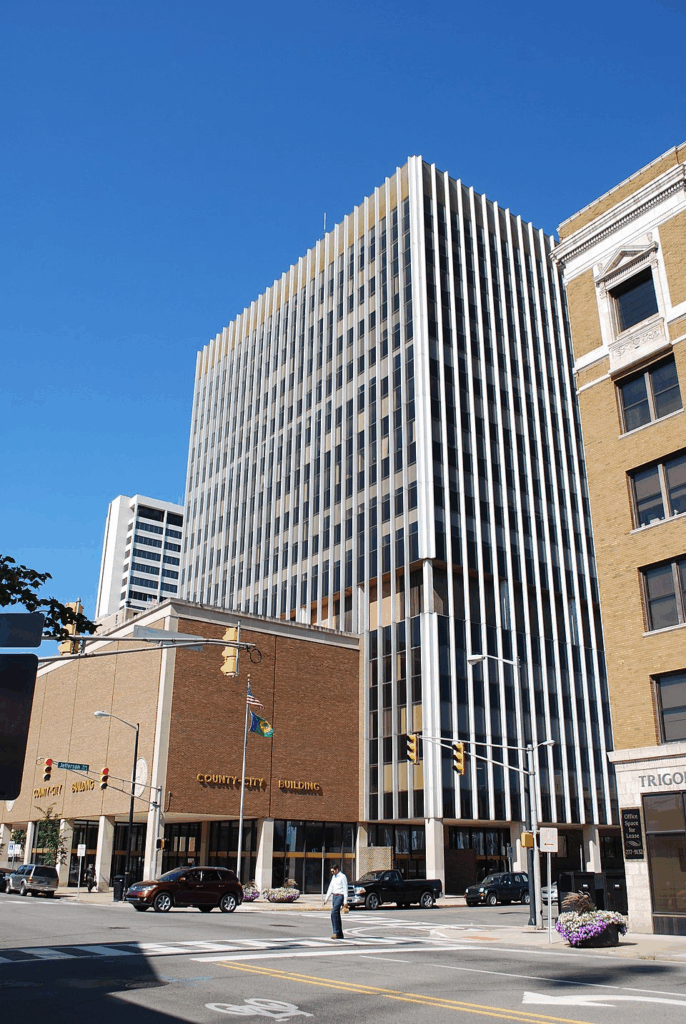
This shared government building from the 1970s was meant to be a modern solution for city and county offices. Its concrete slabs and rigid geometry, however, came across as bleak rather than forward-thinking. Locals frequently describe it as heavy and uninviting. While it successfully consolidated operations, it failed to create a civic symbol worth celebrating. The building has aged into one of Indiana’s most criticized landmarks. Its legacy is tied more to efficiency than to design vision.
64. William N. Pennington Engineering Building University of Nevada – Reno, Nevada

Situated on the University of Nevada campus, this facility was built for engineering students but fell short on design. Its awkward proportions and dull concrete make it resemble a bunker more than an academic hub. Students often complain that the building feels gloomy and isolating. In a city famous for bright lights and energy, the mismatch is even more obvious. The facility has long been criticized for lacking any spark of inspiration. For many, it symbolizes the worst side of late 20th-century institutional design.
65. Durham County Administration II Building – Durham, North Carolina

This building was added in the 1970s as part of an expansion of county services. Its flat exterior and repetitive forms quickly drew criticism for being unimaginative. Locals say it feels lifeless, especially compared to Durham’s more vibrant architecture. Instead of representing growth, it looks stuck in another era. While it gets the job done, it contributes little to the civic landscape. Residents continue to see it as one of the city’s least attractive government spaces.
66. Savannah Civic Center – Savannah, Georgia
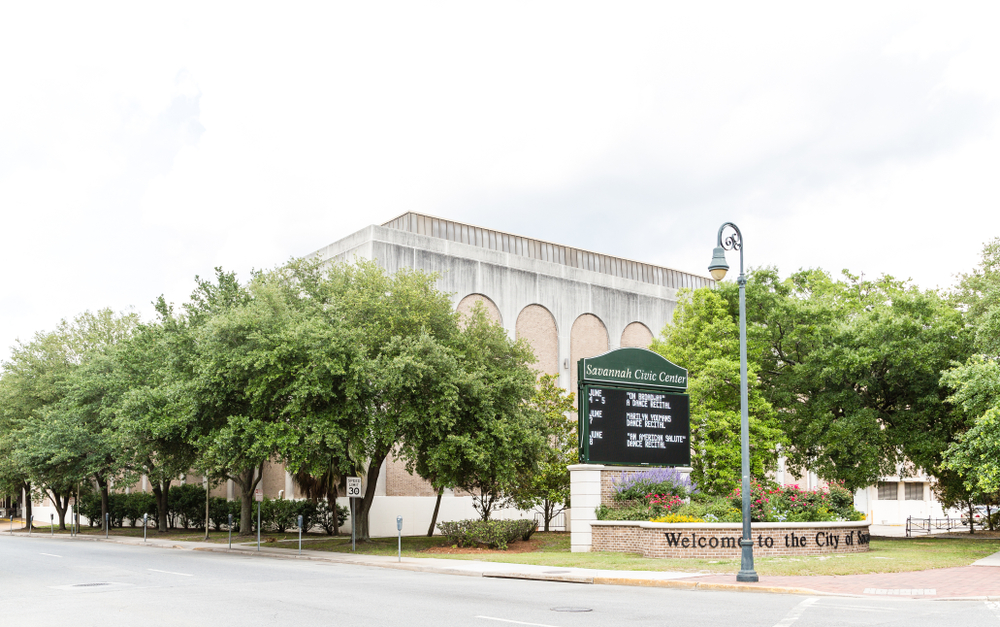
Opened in 1974, the Savannah Civic Center was designed as a multipurpose arena and event space. Its boxy form and oversized scale quickly clashed with the city’s historic beauty. Locals often complain that it feels disconnected from the charm that defines Savannah’s downtown squares. Critics point to its plain facade as a lost opportunity in a city celebrated for elegance. While useful for performances and gatherings, it never achieved architectural respect. Instead, it has lingered on as one of Georgia’s most disappointing civic projects.
67. Monroe Civic Center – Monroe, Louisiana
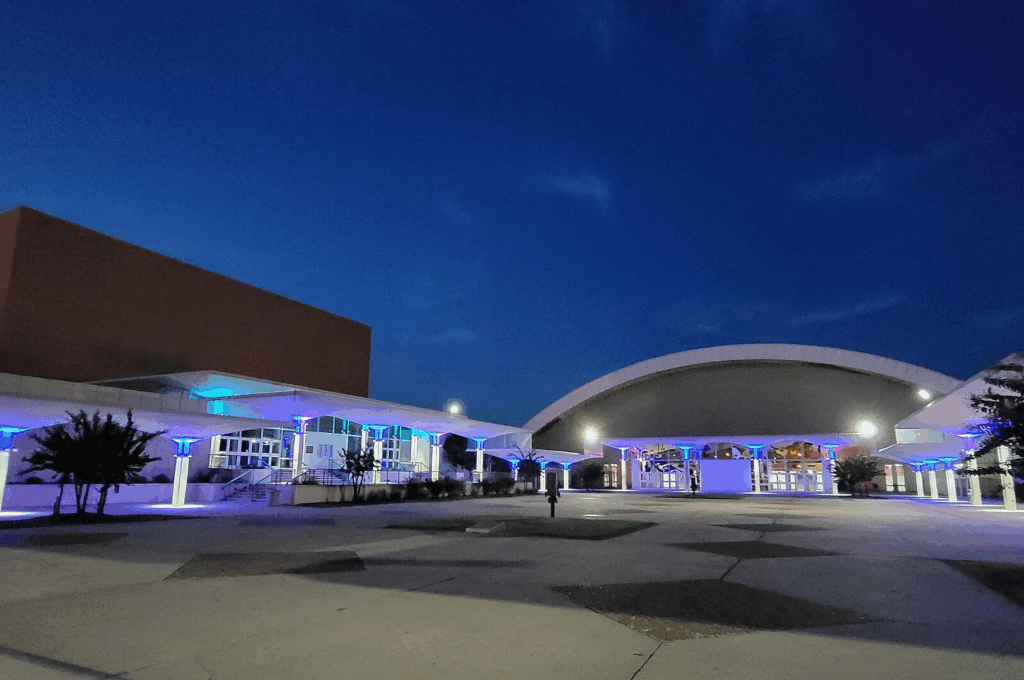
Built in the 1960s, Monroe’s Civic Center was intended as a cultural anchor for the community. Instead, its sprawling structure and awkward proportions have often left people underwhelmed. Residents describe it as clumsy and uninspired, lacking the grace of a true performing arts venue. The materials chosen add little visual appeal, creating a lifeless presence. While events inside bring excitement, the building itself rarely does. Its reputation remains one of missed opportunity rather than architectural success.
68. Gresham City Hall – Gresham, Oregon
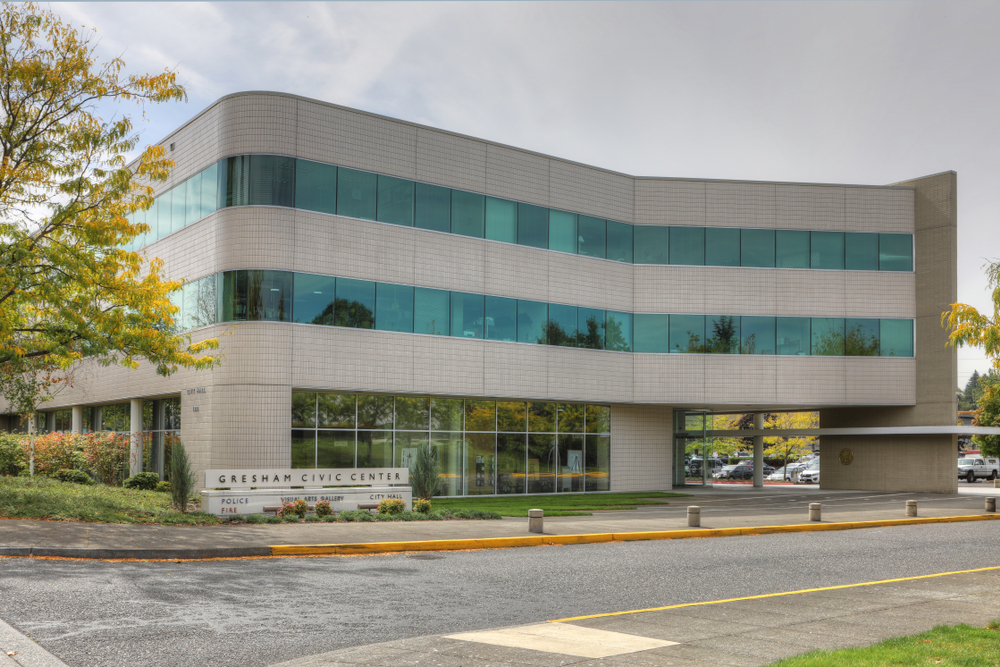
Gresham’s City Hall reflects the stripped-down, cost-conscious designs of the late 20th century. Its exterior is dominated by blank walls that offer little variety or interest. Residents often note that it feels more like a utility office than a civic centerpiece. The lack of detail or charm has left it aging poorly. In a city eager to grow and modernize, this building feels like it’s stuck in the past. For many, it serves as a reminder of uninspired public architecture.
Survey Findings Ranked 69–73
These five buildings reveal how public projects often miss the mark when design takes a back seat to budget or speed. Each one was intended to serve its community, yet their appearances left residents disappointed. Whether it’s the plain boxiness of a city hall or the oversized bulk of an arena, they stand out more for their shortcomings than their strengths. From Nevada to Alaska, the criticism ranges from “uninspired” to “lifeless,” showing how easily civic buildings can fall flat.
69. Sparks City Hall – Sparks, Nevada
Built during a suburban growth period, this city hall never won over residents. Its plain rectangular design feels more like an office park than a government hub, leaving it forgettable next to Reno’s energy.
70. Secretary of State Office Building – Salem, Oregon
This 1970s state facility focused purely on practicality. Flat walls and repetitive windows dominate the design, making it look like a bureaucratic box amid Salem’s historic surroundings.
71. Bangor Cross Insurance Center – Bangor, Maine
Opened in 2013 as a regional arena, it was expected to highlight local heritage. Instead, its warehouse-like appearance and oversized signage left residents unimpressed, making it feel clumsy and generic.
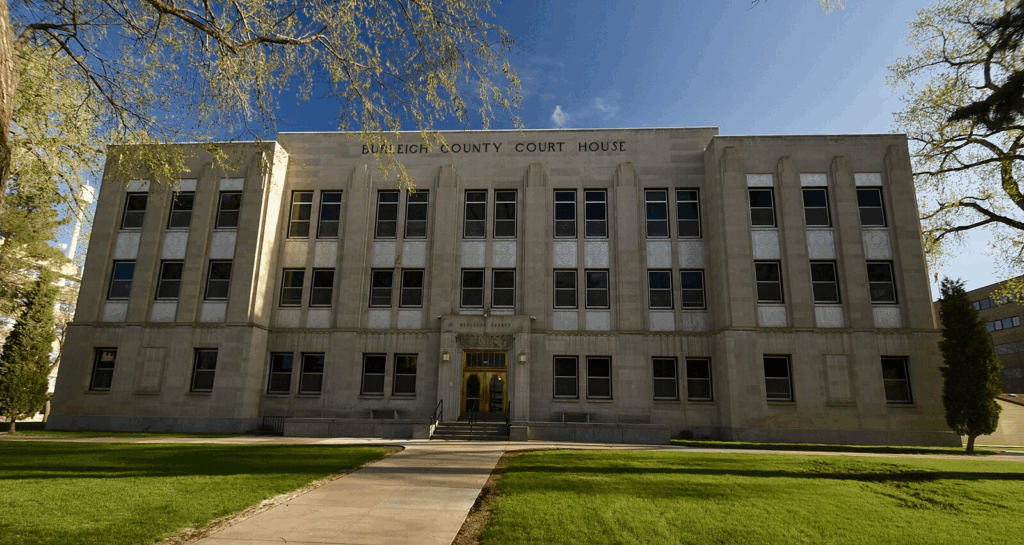
72. Burleigh County District Court – Bismarck, North Dakota (pictured)
Constructed in the 1970s, this courthouse reflects the starkness of its era. Its repetitive facade feels lifeless, and locals say it clashes with the capital’s character.
73. Ketchikan City Hall – Ketchikan, Alaska
This modest mid-century building looks like a plain box with windows. In a town famous for vibrant waterfront charm, its lack of character is especially disappointing.
74. Sioux City Municipal Auditorium – Sioux City, Iowa
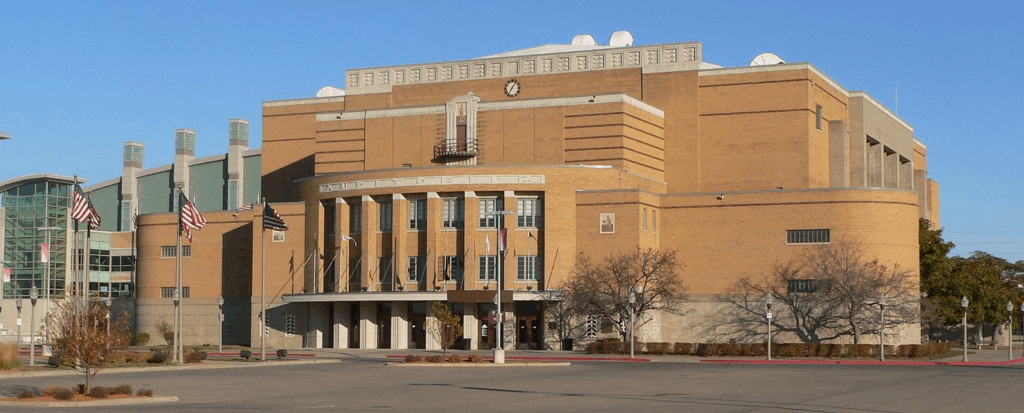
Completed in 1950, this auditorium was once a key regional venue. Time has not been kind to its heavy, bunker-like exterior. The building’s blank walls and clumsy proportions feel outdated in an era of sleeker arenas. Critics say it has all the personality of a storage facility. While it remains functional, it fails to inspire or impress. Residents frequently list it among Iowa’s most unattractive public spaces.
Survey Findings Ranked 75–78
This portion of the survey highlights how mid-20th-century and late-century design often struggled to balance purpose with visual impact. Built for practicality, these structures perform their roles but fall short when it comes to leaving a lasting impression. From arenas to libraries, the consistent theme is functionality overshadowing any attempt at architectural character.
75. Wicomico Civic Center – Salisbury, Maryland
Opened in 1980 as a multipurpose venue, this center has faced constant criticism for its bland exterior. Oversized signage dominates the facade, making it look more like a warehouse than a cultural space.
76. Evansville Civic Center Complex – Evansville, Indiana
Constructed in the 1960s, this sprawling complex centralized local government. Its plain concrete surfaces and confusing layout leave many residents unimpressed, and its massive size overwhelms downtown without offering visual appeal.
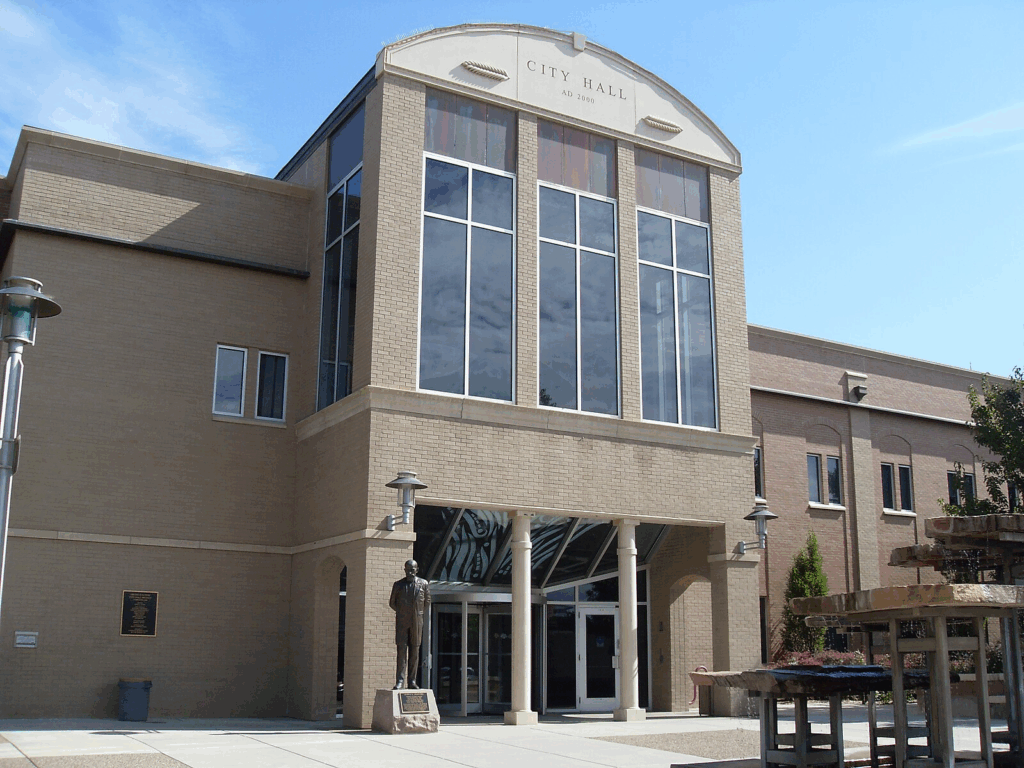
77. Grand Junction City Hall – Grand Junction, Colorado (pictured)
Mid-century in origin, this city hall emphasizes function over design. Its muted tones and boxy form cause it to fade into the background, a disappointment in a region known for natural beauty.
78. Wicomico Public Libraries – Paul S. Sarbanes Branch – Salisbury, Maryland
Named for a respected senator, this library branch was intended to modernize local services. Instead, its plain boxy shape and uninspired exterior have left visitors underwhelmed, especially compared to Salisbury’s historic architecture.
79. Columbus Consolidated Government – Columbus, Georgia
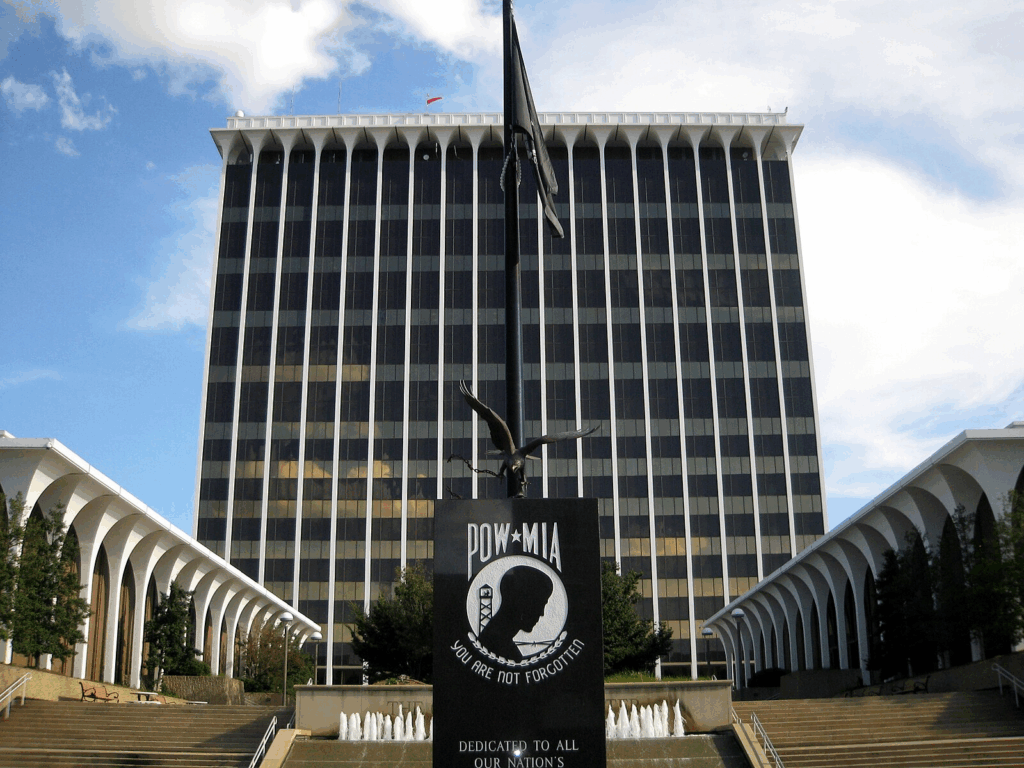
The consolidated government building in Columbus was constructed during the 1970s push for modernization. Its wide, block-like form offers little visual relief. Locals frequently say it feels bureaucratic and impersonal rather than community-focused. The repetitive facade reinforces the sense of monotony. Instead of reflecting the city’s heritage and culture, it projects an image of bland efficiency. It remains one of Georgia’s least admired civic landmarks.
Survey Findings Ranked 80–83
Libraries and city halls are often expected to symbolize learning, growth, and civic pride, yet this group of buildings shows how mid-century efficiency often left them looking drab and unremarkable. Built between the 1960s and 1970s, each structure prioritized function over form, leaving communities with public spaces that feel more like placeholders than landmarks.
80. Salina Public Library – Salina, Kansas
Designed with mid-century practicality in mind, this library’s low rectangular shape recalls a retail strip mall more than a cultural hub. Locals often remark that it lacks the inspiration one expects from a place of learning.
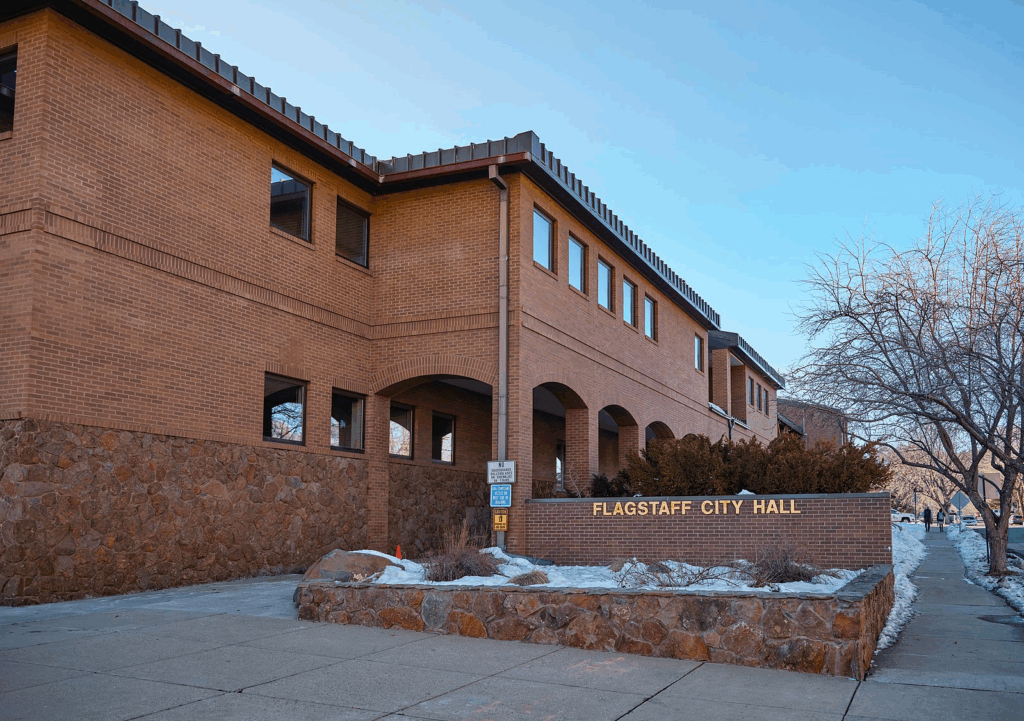
81. Flagstaff City Hall – Flagstaff, Arizona (pictured)
Constructed in the 1970s, this city hall is known for its boxy design and plain surfaces. Its subdued appearance clashes with the striking natural landscapes surrounding Flagstaff, making it feel especially disappointing.
82. Albany Municipal Court – Albany, Georgia
This courthouse reflects a bare-bones approach to design, with little ornamentation or dignity. Residents often note that it resembles a small office block, offering no sense of stature or permanence.
83. Yakima Central Library – Yakima, Washington
Built in the 1960s, the Yakima Central Library is defined by its flat facade and institutional look. Critics say it feels more like a warehouse than a welcoming community space, leaving it far removed from the city’s cultural aspirations.
84. Dothan Civic Center – Dothan, Alabama
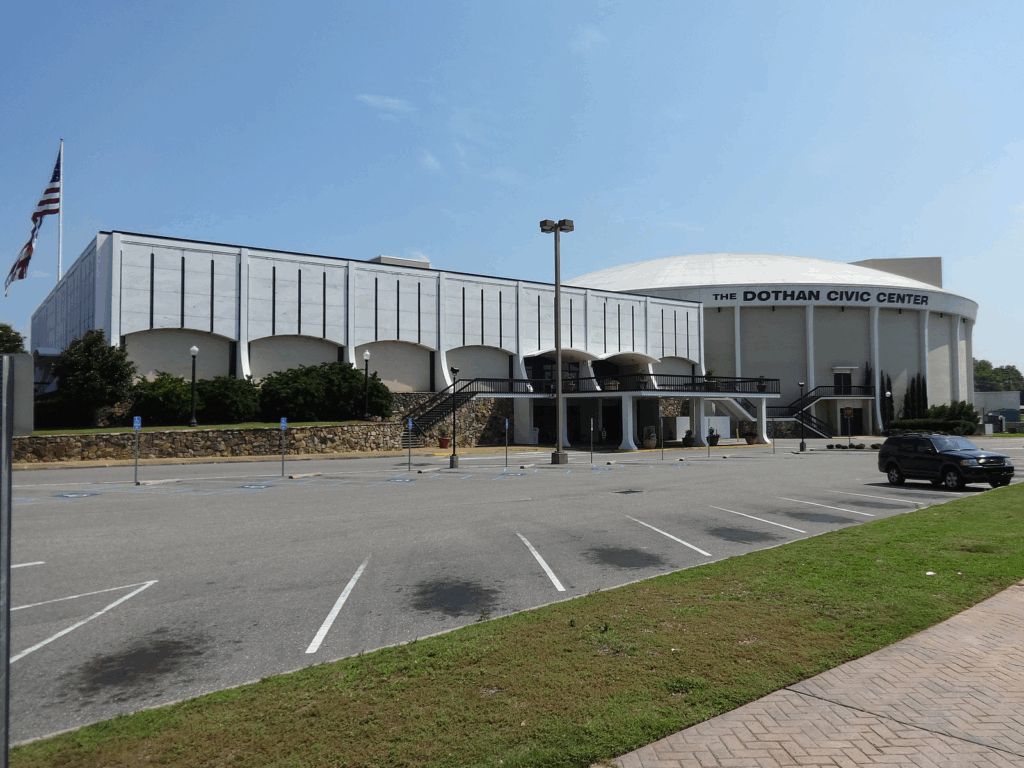
The Dothan Civic Center, completed in the 1970s, was intended to serve as a versatile event space. Unfortunately, its bulky, barn-like appearance has drawn criticism since the start. Locals often joke that it looks more suited for storage than for performances. The plain materials and oversized footprint make it feel heavy rather than welcoming. While the venue has hosted countless community events, its design never won public affection. It remains one of Alabama’s most criticized civic centers.
Survey Findings Ranked 85–87
This section of the rankings features two libraries and a civic center, all of which reveal how good intentions can still result in uninspiring design. Whether constructed in the 1960s or the 1990s, these buildings show that focusing on efficiency or scale often leaves little room for imagination, making them more forgettable than iconic.
85. Gadsden Public Library – Gadsden, Alabama
Built in the 1960s, this library is best known for its oversized signage that dominates the entrance, making it resemble a storefront. Residents often say it lacks the inviting atmosphere one expects of a place dedicated to reading and community.
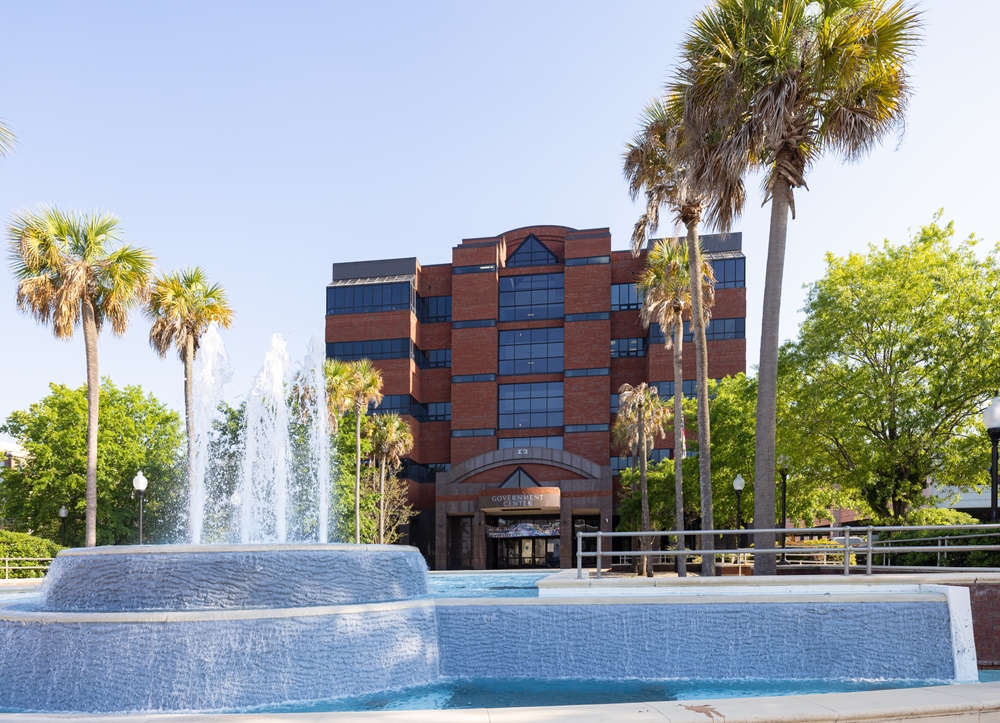
86. Albany Government Center – Albany, Georgia (pictured)
Constructed during the 1970s, this government center embraced the plain, blocky look of the era. Critics describe it as more bureaucratic than civic, blending into the background with little to set it apart.
87. Nampa Civic Center – Nampa, Idaho
Opened in the 1990s, this venue was designed as a gathering place but fell short on appearance. Its bulky frame and convention-hall style leave it looking more like a warehouse than a cultural hub, a disappointment for many locals.
88. Medford City Hall – Medford, Oregon
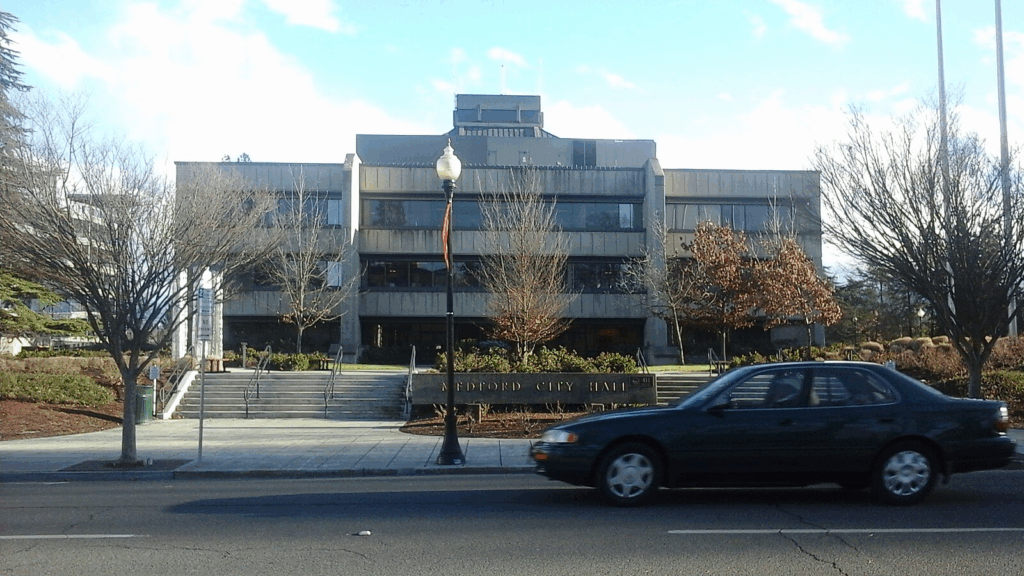
Medford’s City Hall, built during the mid-20th century, reflects the era’s utilitarian design priorities. Its boxy frame and minimal detailing make it easy to overlook. Locals often say it does not capture the city’s energy or growth. Instead, it comes across as lifeless and generic. Surrounded by more character-rich buildings, it feels especially out of place. Over time, it has earned a reputation as one of Oregon’s least inspiring civic spaces.
Survey Findings Ranked 89–92
This group illustrates how different types of civic buildings, from small courts to sprawling arenas, can leave communities underwhelmed when design is treated as secondary. Built for efficiency or scale, they function as intended but offer little in terms of visual identity or sense of place.
89. Casper Municipal Court – Casper, Wyoming
This modest courthouse has often been compared to a converted office building. Its plain facade and lack of distinction leave residents with little to appreciate, making it forgettable as a civic landmark.
90. Kearney City Hall – Kearney, Nebraska
Mid-century in origin, Kearney’s City Hall features flat surfaces and boxy proportions that resemble an ordinary office block. Locals frequently comment that it fails to represent the city’s character, aging into something more outdated than iconic.
91. Berglund Center – Roanoke, Virginia
Opened in 1971 as the Roanoke Civic Center, this arena was built for versatility rather than beauty. Its massive concrete exterior gives it an industrial quality that overshadows the events inside, earning it decades of criticism.
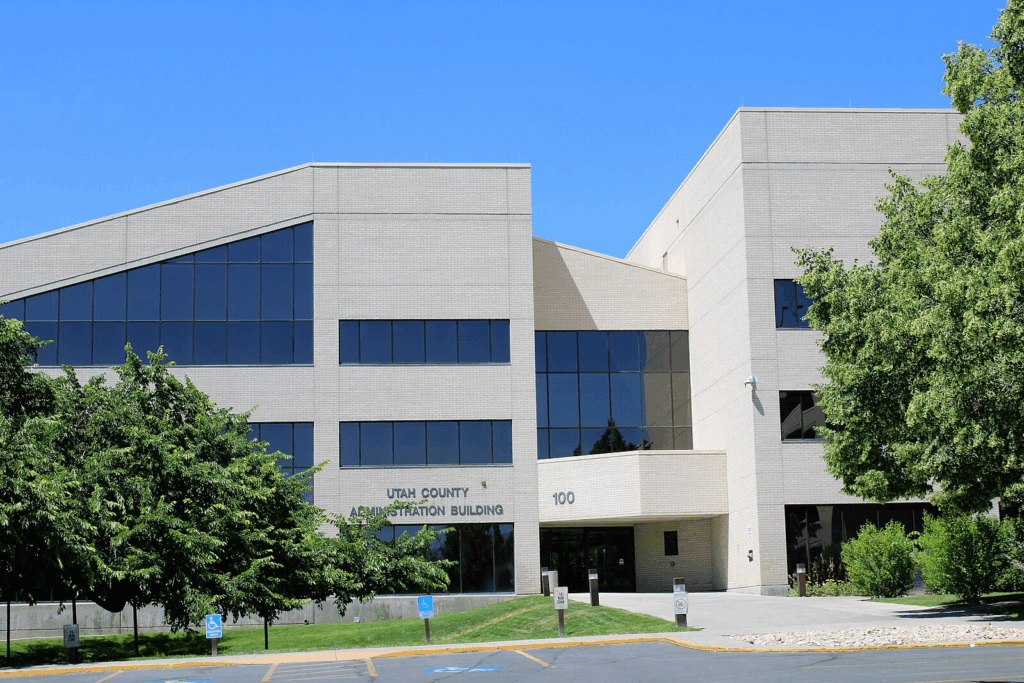
92. Provo County Administration Building – Provo, Utah (pictured)
Constructed in the 1970s, this government facility reflects the block-heavy designs of its time. Locals often describe it as uninspired, noting that it lacks any connection to the natural beauty surrounding Provo.
93. Denny Sanford Premier Center – Sioux Falls, South Dakota

The Denny Sanford Premier Center opened in 2014 as a state-of-the-art event arena. Despite its modern age, locals quickly criticized its bulky, convention-hall appearance. The exterior is dominated by flat panels and oversized signage, leaving little elegance. Residents argue that it feels corporate rather than unique to Sioux Falls. While successful as an event venue, its design remains divisive. Many see it as a symbol of practicality over creativity.
94. Francom Public Safety Center – Ogden, Utah
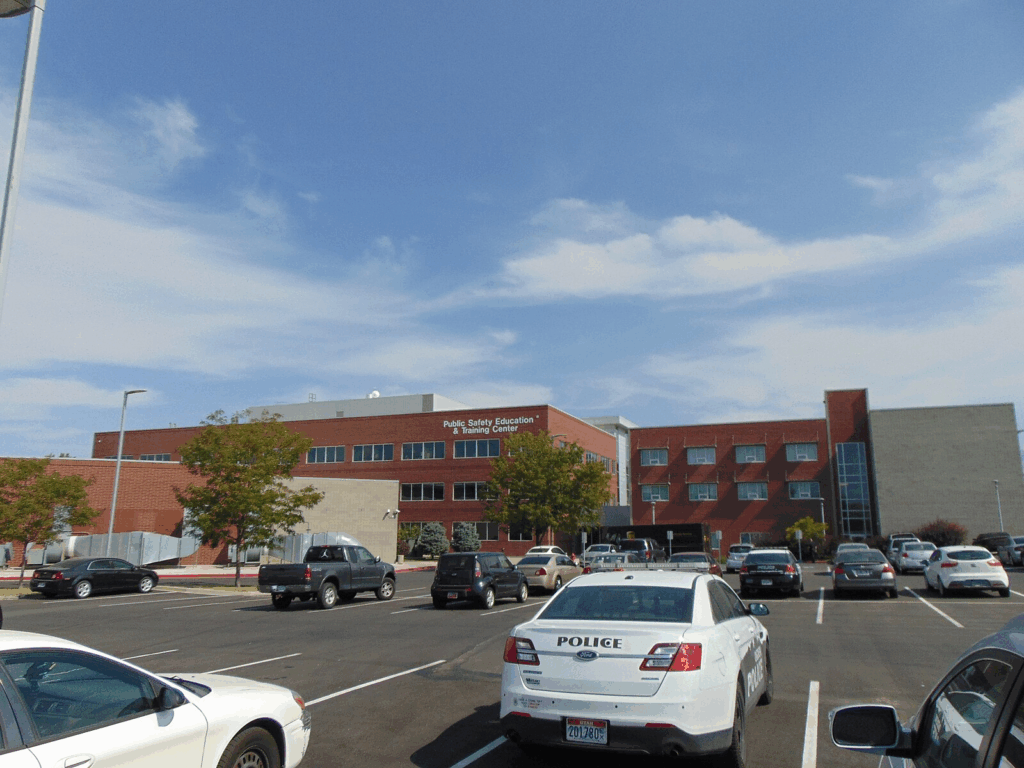
The Francom Public Safety Center was built to centralize police and fire services. Unfortunately, its exterior looks more like a warehouse than a civic hub. The design lacks detail or character, leaving it unwelcoming. Locals often say it feels overly utilitarian for a community building. While efficient inside, its architecture fails to reflect civic pride. It remains one of Ogden’s least admired public structures.
Survey Findings Ranked 95–97
Even in regions known for stunning scenery or historic significance, public buildings don’t always live up to their surroundings. These three examples from Hawaii and Montana show how choices made decades ago, or even more recently, can leave residents with structures that feel disconnected from the places they represent.
95. Hawaii County Building – Hilo, Hawaii
Constructed in the mid-20th century, this government building has been criticized for its plain rectangular form. Many locals argue that it could easily pass for an office block on the mainland, failing to reflect the island’s culture or natural beauty.
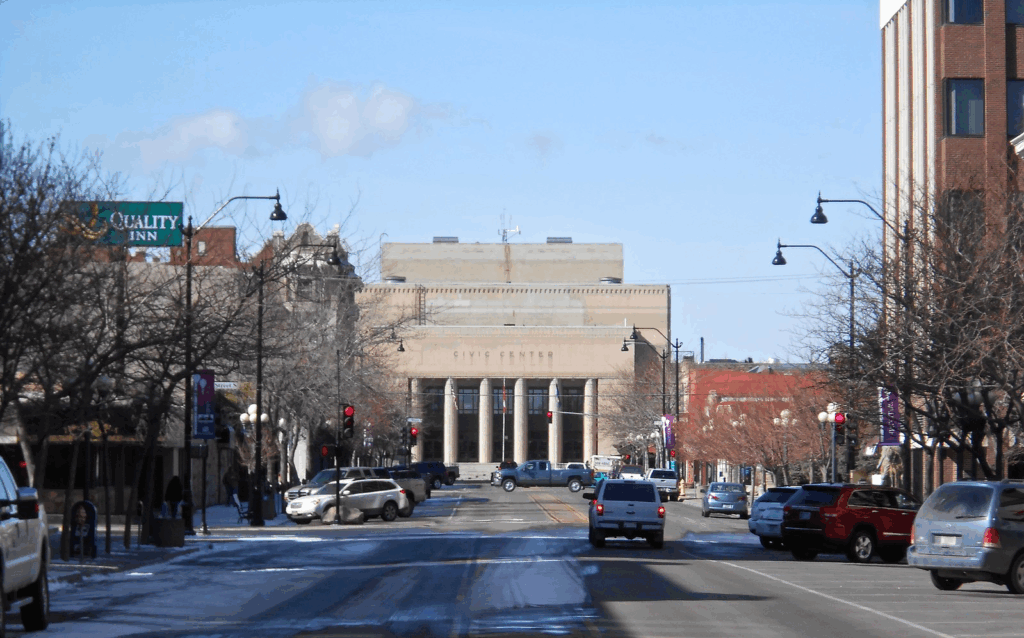
96. Great Falls Civic Center – Great Falls, Montana (pictured)
Completed in the 1930s as part of a New Deal project, this civic center was meant to embody strength and resilience. Its massive stone exterior, however, has long divided opinion—admired for durability by some, described as severe and uninviting by others.
97. Maui County Service Center – Maui, Hawaii
Built to improve government efficiency, this service center looks more like a generic commercial building than a community hub. Residents often point out that its muted facade clashes with Maui’s vibrancy, making it feel out of step with its surroundings.
98. Barre Historic District Buildings – Barre, Vermont
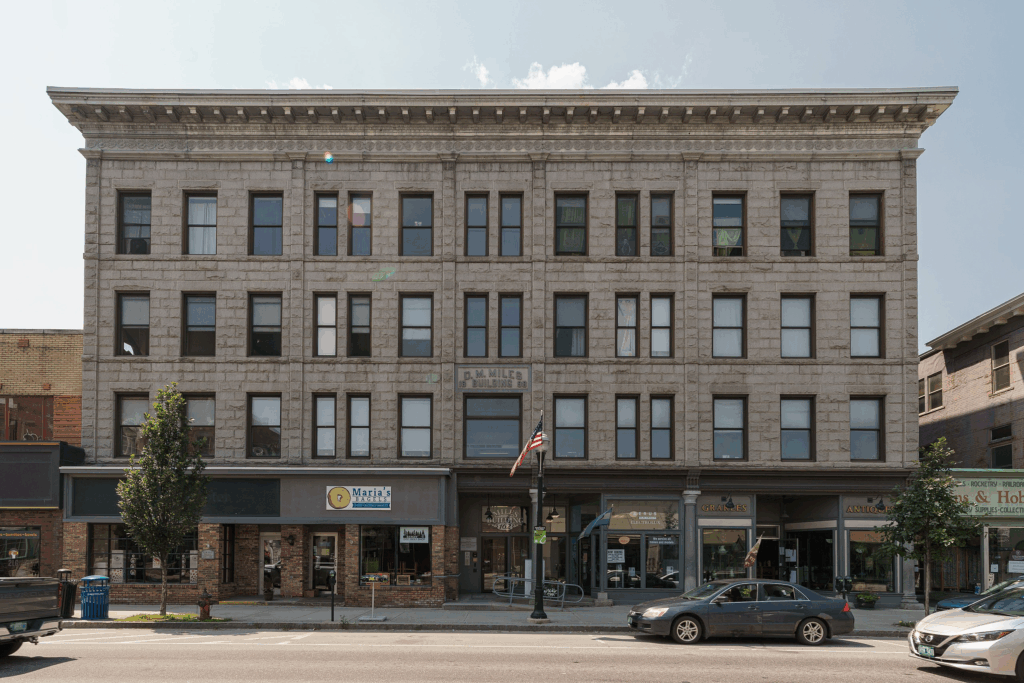
With many buildings being from the late 1890s, the Barre Historic District buildings all have a common theme- blandness. The squat shapes and simple materials make several buildings in the are resemble either storage sheds, or dismal offices. Residents often say the area fails to capture the character of vibrant Vermont towns. While the district remains a historic area, the uninspired designs have limited their appeal. The buildings represents practicality without vision. Over a century later, they continues to draw criticism for its lack of distinction.
99. West Virginia State Office Building – Fairmont, West Virginia
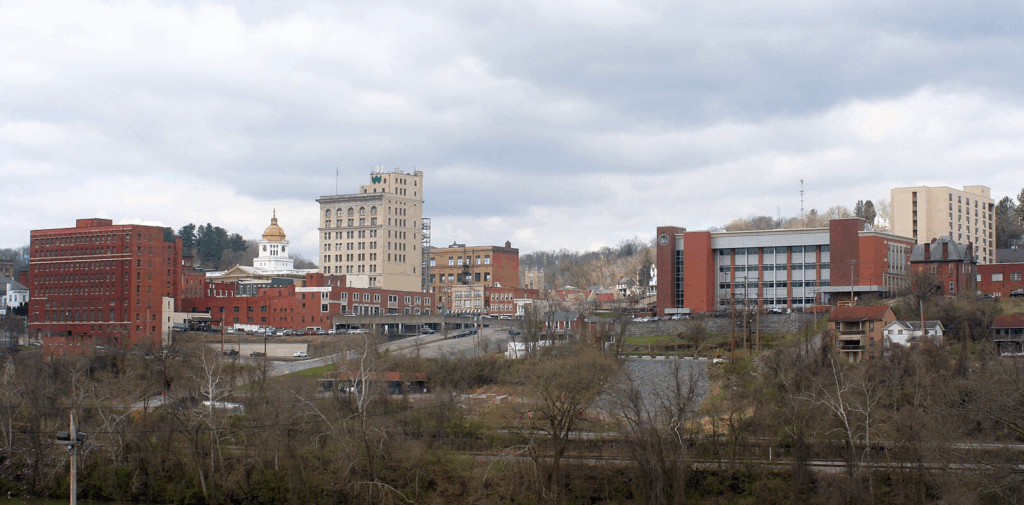
This mid-20th-century office building was part of a statewide modernization effort. Unfortunately, its plain facade and boxy proportions offer little to admire. Locals often say it looks like an anonymous administrative block rather than a state facility. The lack of decorative detail or unique features leaves it forgettable. While it performs its purpose, it does not inspire civic pride. Over time, it has become one of West Virginia’s least celebrated public structures.
100. Nashville Metro Courthouse – Nashville, Tennessee
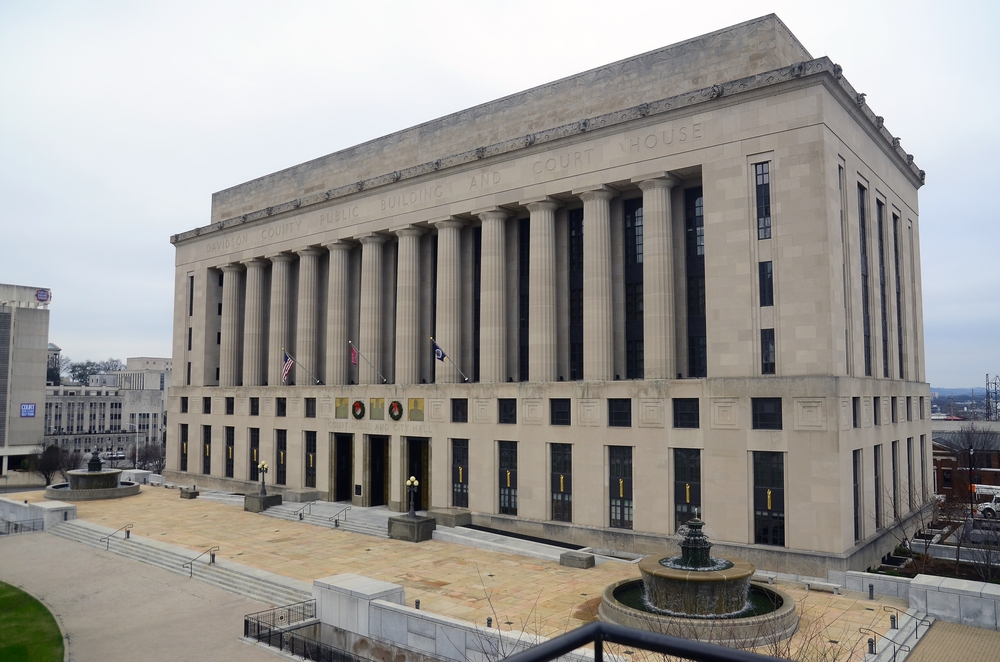
Completed in 1937, the Nashville Metro Courthouse was built with federal support during the Depression. Its Art Deco design was meant to project stability, but its massive stone exterior can feel intimidating. Some appreciate its historic detail, yet others find it cold and overbearing. The dark interior materials add to its severe reputation. While undeniably significant, it remains one of the city’s most polarizing landmarks. Its inclusion on the list reflects how even historic buildings can leave communities divided.
Rethinking the Role of Civic Architecture
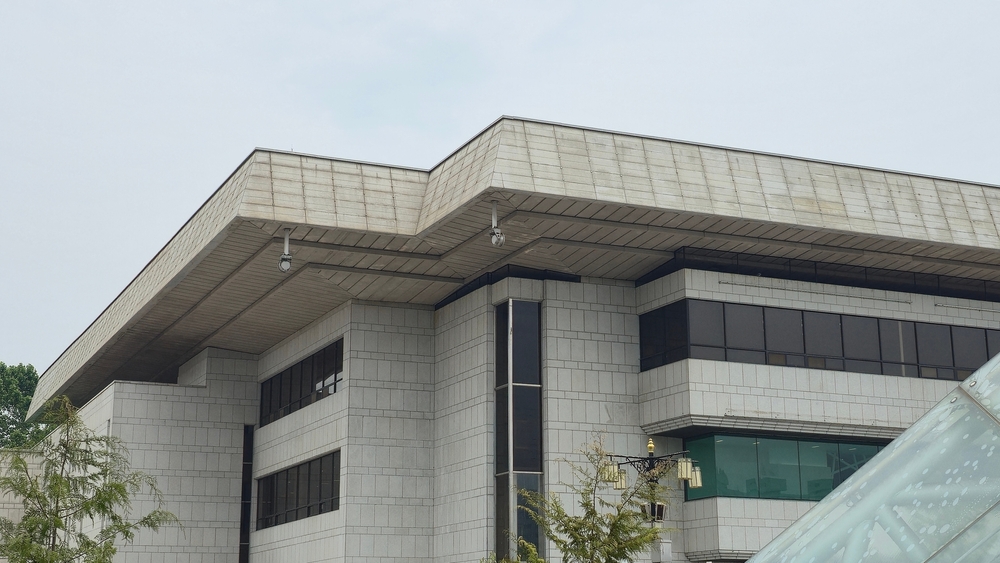
The survey results make one thing clear, people notice when public buildings feel cold or unwelcoming. Many of the structures ranked among the ugliest were built in eras that valued efficiency, durability, and low cost above all else. Brutalism, with its focus on strength and authority, dominated much of mid-20th century government design. While those choices once symbolized progress and stability, today they often leave communities with buildings that feel harsh rather than inspiring. Public architecture is not only about function, it also shapes how residents connect with civic life. This ranking is a reminder that when design lacks warmth or creativity, it can distance people from the very institutions meant to serve them.
Disclaimer: This article was created with AI assistance and edited by a human for accuracy and clarity.
Read More: New Energy-Generating Cement Could Turn Buildings into Power Plants