
Early-onset colorectal cancer once seemed rare, yet doctors now diagnose it more often in people under 50. Researchers increasingly treat early-onset disease as a distinct challenge with different life stages and exposures than later diagnoses. One expert review explains that “in the past decades, the incidence of colorectal cancer in people under the age of 50 years has increased.” That rise affects work, family life, and long-term planning, because many patients are still building careers or raising children.
During the same decades, ultra-processed foods have moved from occasional novelty to everyday staples for many households. These products are cheap, convenient, and heavily advertised, so they often displace home-cooked meals throughout the day. A new JAMA Oncology study links higher ultra-processed food intake with a greater chance of precancerous colon growths in women under 50. The findings do not prove direct causation, yet they strengthen the concern that normal eating patterns may quietly shape cancer risk. This possibility feels unsettling, yet it also offers a chance for prevention through realistic dietary shifts.
Early-Onset Colorectal Cancer is on the Rise
Doctors in different countries now report more colorectal cancer in adults in their 20s, 30s, and 40s. These observations are not only anecdotes, because national cancer registries confirm the trend in younger age groups. A leading review warns that “YO-CRC is expected to account for 11% of colon cancers and 23% of rectal cancers by 2030.” That projection suggests healthcare systems will see many more younger patients with complex needs and long survivorship. Only a minority of these cases involve known hereditary syndromes or strong family histories.
Therefore, classic genetic explanations cannot fully account for the climbing numbers, although they remain important for some families. Researchers are now examining shifting patterns in body weight, physical activity, antibiotic exposure, and diet, which all influence the gut environment. Agencies also estimate that nearly 18,000 people under 50 will receive a colorectal cancer diagnosis in a single year in the United States. That number is still small compared with older groups, yet it is high enough to demand careful attention. For younger adults who rarely expect serious disease, this evidence challenges the idea that colorectal cancer belongs only to later life.
The new JAMA Oncology study

Against this backdrop, the JAMA Oncology team explored whether ultra-processed food intake relates to early precancerous lesions. They analysed 29,105 women from the Nurses’ Health Study II who were younger than 50 and had at least 1 lower endoscopy. These women completed food questionnaires from 1991 to 2015, which captured long-term dietary patterns instead of single snapshots. Researchers then classified each reported item using the NOVA system, which groups foods by processing level. The main outcomes were conventional adenomas and serrated lesions diagnosed before 50, confirmed through medical records and pathology reports.
Ultra-processed foods provided roughly 35% of total daily calories, with a median of 5.7 servings each day. Women in the highest intake group had 45% higher odds of early-onset conventional adenomas than women in the lowest group. The authors summarised their main result clearly, stating that “in this study, higher UPF intake was associated with increased risk of early-onset colorectal conventional adenomas.” They also noted that no strong association appeared for serrated lesions, which follow a somewhat different biological pathway. The study, therefore, points specifically toward one important category of precancerous growths linked with future colorectal cancer.
What Does Ultra-Processed Food Mean
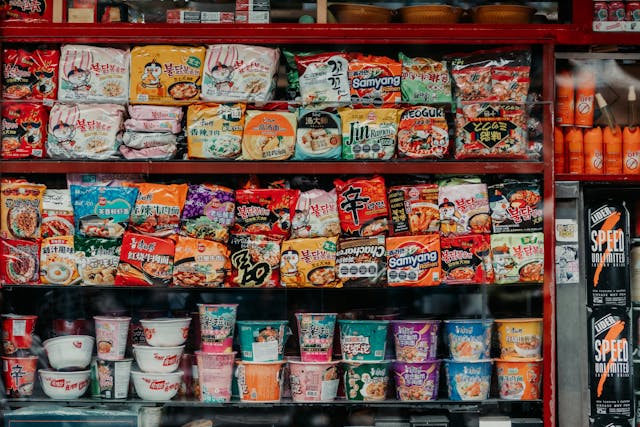
The phrase “ultra-processed food” can sound like a slogan, so careful definitions matter. The NOVA system used in this research separates foods into categories based on how much processing occurs and why it occurs. Ultra-processed items often combine refined ingredients with flavourings, colourings, and other additives to produce highly convenient products. Many do not resemble intact foods, even though they may contain small amounts of grains, meat, or vegetables.
An expert cancer report explains that “processing modifies food from its natural state for safety, convenience, palatability, or taste.” Simple actions such as washing or freezing vegetables can preserve nutrition and reduce waste, so they are not the main concern. The spotlight falls on industrial formulations like sweetened breakfast cereals, sugary drinks, packaged snack cakes, and instant noodles. These foods tend to be energy-dense, low in fibre, and relatively poor in vitamins and minerals. They also use additives that change texture and shelf life, which can encourage frequent grazing and larger portions. Over time, such products often replace minimally processed meals, which quietly transform daily eating habits without much conscious thought.
Diet and Colorectal Cancer
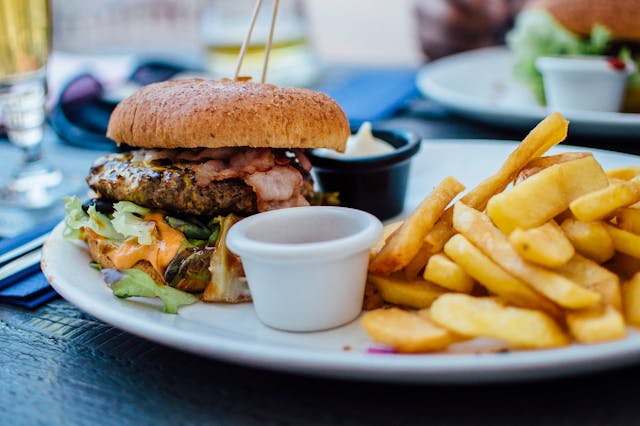
The new JAMA Oncology findings build on broader evidence connecting diet and colorectal cancer risk. Large international analyses show that people who eat more wholegrains, fibre-rich foods, and certain dairy products tend to have a lower risk. In contrast, people with higher intakes of processed meat, heavy alcoholic drinking, and excess body fat tend to face a higher risk. A major review delivers a blunt message, stating that “consuming processed meat increases the risk of colorectal cancer.” That conclusion rests on consistent findings across many population studies.
Research has also started focusing directly on ultra-processed foods as a wider category. In a large French cohort, people who obtained more than 25% of their daily energy from ultra-processed foods showed higher colorectal cancer risk. The study reported that “those with more than 25% of energy intake from ultra-processed foods had a 23% higher risk of colorectal cancer.” The comparison group consumed less than 12% of energy from such products. These findings do not single out one ingredient, yet they support the idea that heavily processed dietary patterns carry important consequences. When combined with the JAMA results on early adenomas in women, the concern becomes even more compelling for younger populations.
Why Are Younger Women Especially Exposed

The commentary accompanying the JAMA study highlights how deeply ultra-processed foods shape typical eating for today’s children and adults. It notes that many people in high-income countries adopt a high ultra-processed pattern during childhood and keep it through adulthood. The commentator observes that “US children already consume a majority of their daily calories from UPFs (about 61%).” That pattern suggests a long exposure window before any screening colonoscopy ever occurs. Young women often balance work demands, caring responsibilities, and tight budgets, which makes convenience especially attractive.
Ultra-processed foods are heavily marketed, widely available, and simple to store, so they easily slot into busy routines. A global cancer report points out that fast foods and sugary drinks are highly energy-dense, strongly flavoured, and often sold in large portions. That combination encourages frequent consumption and makes healthy alternatives feel less accessible or satisfying. For many women, breakfast, snacks, and quick dinners rely heavily on these products for many years. This pattern may interact with other risk factors, such as weight gain or sedentary work, to increase the likelihood of early adenomas. Even small daily choices can therefore become significant when multiplied across decades of adult life.
Possible Biological Pathways

Epidemiology raises concern, yet biology explains why ultra-processed diets might promote colorectal tumor growth. These foods usually contain large amounts of free sugars and refined starches, together with less fibre. That combination can drive rapid blood glucose swings and higher insulin levels, which encourage cell growth and can increase inflammation. Over time, these changes contribute to weight gain and metabolic disruption, which are recognised cancer risk factors.
Processing also introduces additional hazards beyond basic nutrient balance. High temperature cooking of processed meats produces compounds that can damage DNA in colon cells. Some additives, including certain emulsifiers and sweeteners, appear to disrupt the gut microbiome and intestinal mucus in animal studies. An influential report notes that “both fast foods and sugar-sweetened beverages are considered a cause of weight gain, overweight, and obesity.” Excess body fat is itself a convincing cause of colorectal cancer in several major evaluations. Other research describes how packaging can leach substances like bisphenols into foods, which may influence hormone pathways. No single mechanism explains every case, yet together these findings create a coherent picture linking processing and tumour biology.
Established Guidelines
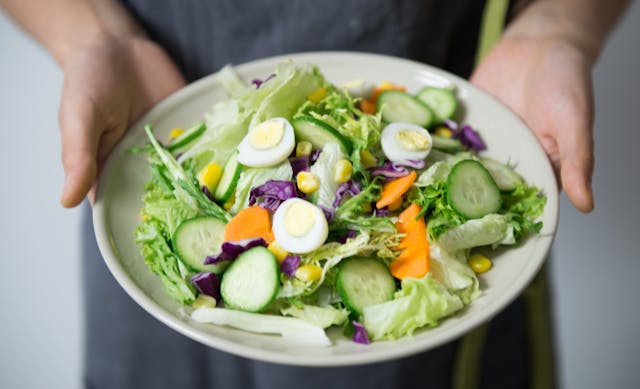
Cancer organisations began advising protective dietary patterns long before this specific JAMA study appeared. The American Cancer Society encourages people to eat plenty of vegetables, fruits, and whole grains while limiting processed and red meats. The guidance also recommends avoiding sugary drinks and highly processed convenience foods when possible, especially as everyday staples. These suggestions aim to support cancer prevention alongside heart and metabolic health. The Society explains that certain eating patterns, such as Mediterranean-style or other plant-forward approaches, align well with lower cancer risk.
Its guideline notes that “some parts of these diets – like eating more plants and less processed meat – are linked with lower cancer risk.” This advice moves the focus away from single nutrients and toward overall habits that people can sustain. Choosing bean-based dishes, wholegrain breads, and simple vegetable sides more often can gradually shift the balance. Reducing processed meat and sweetened drinks helps in the opposite direction, even without perfection. For younger women, adopting these patterns now could reduce risk during decades when early lesions might otherwise develop unnoticed.
Symptoms and Screening

Diet clearly plays a role, but it does not fully determine who develops colorectal cancer. Attention to symptoms and screening, therefore, remains essential, especially while early-onset cases increase. One national agency warns that “nearly 18,000 people under the age of 50 will be diagnosed with colorectal cancer this year in the United States.” That figure supports recommendations to start average risk screening at 45 in several guidelines. People with family histories or medical conditions may need colonoscopy even earlier, under specialist guidance. Screening can detect cancers at an early stage and can also find polyps that have not yet turned malignant.
Removing these growths breaks the progression pathway before cancer appears. Symptoms such as rectal bleeding, ongoing changes in bowel habits, or unexplained iron-deficiency anaemia should never be ignored. Unintentional weight loss without a clear explanation also deserves evaluation. Many younger adults delay care because they feel embarrassed or assume symptoms reflect benign conditions like haemorrhoids. However, clinicians increasingly urge prompt assessment for persistent or concerning signs, even in people who look otherwise healthy. Combining screening, symptom awareness and healthier eating gives the strongest practical defence currently available.
Read More: Doctor Warns Gen Z: ‘Silent’ Signs of Bowel Cancer May Go Unnoticed as Cases Rise
What This Means for Everyday Eating

Together, the JAMA Oncology study and wider literature convey a careful but consistent message. Heavy reliance on ultra-processed foods appears linked with a higher likelihood of early conventional adenomas in younger women. Other large cohorts connect similar dietary patterns with increased colorectal cancer risk across broader populations. In contrast, diets rich in fibre, wholegrains, legumes, vegetables, and some dairy products are linked with a lower risk. No single meal decides someone’s future, yet repeated choices across years clearly matter for long-term health.
It is important to remember the limits of the evidence. The JAMA analysis is observational and focused on mostly white, well-educated nurses in the United States. The results, therefore, show association, not conclusive causation, and may not apply equally to every community. Still, the authors state that “results of this study suggest that reducing UPF intake may be an effective dietary strategy to prevent early-onset colorectal tumorigenesis.” Their conclusion echoes long standing advice from cancer organisations worldwide. For younger women, treating ultra-processed foods as sometimes options, not daily anchors, appears like a reasonable and empowering step. Even modest shifts toward home-cooked, fibre-rich meals can support colon health, while also improving energy and overall wellbeing.
The Bottom Line

Ultra-processed foods now sit at the centre of many everyday diets, especially for younger women. The new JAMA Oncology study does not prove direct causation, yet it places another serious marker on the map. Together with previous cohort research and mechanistic work, it suggests that long-term reliance on these products carries real consequences. The message encourages calm reflection about patterns that quietly shape the bowel over many years. The most realistic changes rarely involve perfect diets or sudden restrictions. They usually begin with smaller swaps that feel manageable and repeatable.
That can mean fewer sugary drinks and more water. It can mean one extra home-cooked meal each week, based on beans or vegetables. It can also mean asking doctors about screening at the recommended age, then seeking help quickly for worrying symptoms. Colorectal cancer in younger adults remains uncommon, yet the rising numbers deserve respect. Reducing ultra-processed foods and supporting a healthier weight gives people meaningful leverage. Staying alert to bowel changes adds another layer of protection across the years. No single step guarantees safety, but together these choices can tilt risk in a safer direction. For many younger women, that shift begins with one thoughtful decision at the next meal.
Disclaimer: This article was created with AI assistance and edited by a human for accuracy and clarity.
Read More: New Study Reveals Unexpected Connection Between Hair Graying and Cancer Risk