
A two-year-old boy arrives at the hospital with a virus and low potassium. His family expect monitoring, fluids, and a careful recovery. Instead, a lawsuit alleges that a single misplaced decimal point in his prescription turned a routine correction into a fatal medical error. The complaint says that staff at a Florida children’s hospital changed a weight-based potassium phosphate dose from 1.5 mmol to 15 mmol twice a day. This classic medication dosing error exposed his small body to a tenfold overdose.
What followed, according to court filings, was rising potassium, missed warning signs, and finally cardiac arrest. For the family, this is not an abstract safety lesson. It is the nightmare scenario where a medical error leads to a child’s heart attack and irreversible brain injury. For everyone else, the case presents a poignant opportunity to understand how prescription decimal errors occur, why they are well-documented in patient safety research, and what must change so that one altered digit cannot harm another child’s life.
The Florida Case
The reference complaint describes how two-year-old De’Markus Page first received care at a local hospital for a viral illness and low potassium, and was then transferred to UF Health Shands Children’s Hospital for specialised treatment. The filing paints a picture of a medically fragile but active toddler with suspected autism, picky eating, and weight in the 30th percentile for his age. Those details matter because small children with limited reserves are more vulnerable when electrolytes shift. The lawsuit alleges that on arrival, he received oral potassium phosphate at 1.5 mmol twice daily, a dose matched to his size and blood tests.
On the second day, according to the complaint, a clinician entered a new order that multiplied the dose by ten, even though his morning potassium had reportedly normalised. The new prescription allegedly removed the decimal point, turning 1.5 mmol into 15 mmol twice a day, while other potassium-containing fluids continued. This is exactly the type of medication dosing error that safety bodies warn about. A StatPearls review notes that “medication errors are the most common and preventable cause of patient injury,” and most often involve the wrong drug, route, or dose. When you combine a tenfold overdose with a very small child, the margin for survival narrows frighteningly fast.
The Lawsuit

Court documents assert that after the new order, staff did not check his potassium quickly enough or recognise early signs of overload. As potassium climbs, heart rhythms become unstable, muscles weaken, and consciousness can shift, but those changes may be subtle until the final collapse. The complaint claims that De’Markus developed medical error–related hyperkalemia and then suffered cardiac arrest on the general paediatric ward, far from intensive care monitoring. In that moment, the alleged prescribing decision turned into a medical error that led to the child’s heart attack scenario, exactly the outcome hospitals work so hard to avoid.
The filing also describes chaotic resuscitation. It alleges that the general ward lacked suitable emergency equipment, that multiple attempts to secure his airway failed, and that staff took time to recognise how long his brain had gone without oxygen. After return of circulation, De’Markus was reportedly ventilator dependent in the paediatric intensive care unit with extensive anoxic brain injury. Two weeks later, his family say they had to withdraw support and watch him die. StatPearls explains that sentinel events, defined as unexpected occurrences involving death or serious injury, often involve medication errors and demand careful review. In this case, every alleged delay and missing safeguard deepens the sense that a single medical error was surrounded by wider system weakness.
Potassium Dosing in Toddlers
Potassium is essential for nerve impulses and heartbeat, but in toddlers, the safe window between too little and too much remains very narrow. Their total body water is small, their kidneys can be affected quickly by illness, and their hearts are more sensitive to rapid shifts. When clinicians treat low potassium, they usually combine cautious intravenous correction with oral supplements and close laboratory monitoring. High alert electrolytes like potassium chloride and phosphate are treated with special care because incorrect strength or rate can destabilise the heart within minutes.
In a child with low body weight and limited nutritional reserves, a tenfold medication dosing error is not just “more medicine”; it can become toxic. If that child also receives potassium in intravenous fluids or nutrition, the total load can climb silently until conduction pathways fail and the heart stops. Research on prescribing shows that children face a particular risk when doses require individualised calculations per kilogram or per body surface area. A JAMA Pediatrics study found that errors in decimal point placement, calculation, or dosage expression accounted for 59.5 percent of dosage equation errors, with most involving children and carrying significant potential for severe harm. In this context, how prescription decimal errors happen is not an academic question. It is the difference between steady correction and sudden collapse.
Medication Errors in Hospitals
It would be comforting to believe that this tragedy is a one-off freak event, but the broader data say otherwise. StatPearls explains that medication errors can occur at any point in the treatment process, from ordering and documenting through dispensing, administering, and monitoring. The same review reports that the incidence of medication errors in acute hospitals is about 6.5 per 100 admissions, and that global estimates place adverse events from unsafe care among the leading causes of death and disability. Many errors are caught before harm, yet each reveals weaknesses in systems meant to protect patients.
Within this larger picture, medical error is rarely just one person’s lapse. System failures include incomplete order checking, poor communication, inaccurate patient records, and interfaces between electronic records and prescribing tools that do not match real workflows. High workload, interruptions, and understaffing further increase risk. The JAMA Pediatrics paper on dosage equations noted that children accounted for almost 70 percent of such prescribing errors, and that more than forty percent of these errors had the potential to cause serious or severe preventable outcomes. When families hear a story where a medical error leads to child heart attack, they are hearing the most devastating expression of patterns that safety researchers have documented for decades.
Prescription Decimal Errors

Decimal-point mistakes may sound like simple slips, yet they sit at the heart of many medication disasters. The Pharmacy Error Injury Lawyer blog, summarising industry data, notes that “a significant number of pharmacy errors are caused by pharmacists incorrectly placing decimal points,” especially when leading or trailing zeros are used poorly. A prescription written as .5 mg can be misread as 5 mg; a dose written as 5.0 mg can be misread as 50 mg. These are classic factor-of-ten errors, where the number looks familiar but the decimal position transforms its meaning. In paediatrics, how prescription decimal errors happen often intersects with weight based equations.
A clinician may calculate an appropriate per kilogram dose, then manually convert to millilitres or millimoles, and finally enter that figure into a computer system. Each step introduces another chance to misplace or delete a decimal point. The JAMA Pediatrics study on dosage equations found that decimal point placement, calculation mistakes, and errors in expressing the regimen made up the majority of equation related prescribing problems, with many carrying a serious risk if not intercepted. When a busy team works under time pressure, one repeated keystroke can turn an intended correction into a dangerous medication dosing error with catastrophic consequences.
Safety Nets

Modern hospitals try to wrap high alert drugs in several layers of defence. Electronic prescribing systems can flag doses that sit outside expected ranges, especially in paediatric patients, where usual maximums are lower. Pharmacists can review orders for consistency with body weight, lab values, and clinical context. Nursing protocols can require double checks before certain infusions start. Despite these tools, StatPearls warns that “medication errors most commonly occur during the prescribing, ordering, and administration stages,” and that nearly half of errors happen when drugs are first ordered. When a tenfold overdose passes through every checkpoint, it suggests that multiple barriers failed at once.
System analyses identify incomplete order checking, poor interfaces between prescribers and electronic health records, and missing protocols as recurring contributors. StatPearls also highlights that “one of the significant causes of medication errors is distractions and interruptions during the prescribing process or the administration process.” In other words, the environment can pull attention away exactly when precise arithmetic matters most. A robust safety culture assumes that humans will sometimes slip and designs processes so that a single misstep, like deleting a decimal point, cannot become a lethal medical error before someone catches it.
Emotional and Legal Fallout
When a medical error leads to a child’s heart attack, the human impact extends far beyond clinical charts. Families must process grief, anger, and shock while trying to understand how a place of healing became the site of loss. They often face a confusing mix of medical language, guarded conversations, and formal investigations. StatPearls notes that medication errors affect not only patients and families, but also health professionals, who may experience shame, guilt, self-doubt, and even suicidal thoughts. Legal action becomes one way to seek answers, accountability, and sometimes systemic change.
In the De’Markus Page case, the lawsuit accuses the hospital of negligence and wrongful death, and alleges failures in prescribing, monitoring, and emergency response. For clinicians named in such suits, careers can be reshaped by civil claims, disciplinary hearings, and board scrutiny. The StatPearls review explains that healthcare professionals who commit medication errors may face loss of patient trust, legal actions, and professional sanctions. Yet focusing only on blame can push people to hide errors instead of analysing them. A just culture approach asks a different question: how can organisations distinguish reckless behaviour from human error, support staff emotionally, and still confront the systemic factors that allowed a deadly medical error to reach a child’s bedside?
Read More: 20 Eye-Opening Medical Facts That Will Shock You
Steps Hospitals can Take
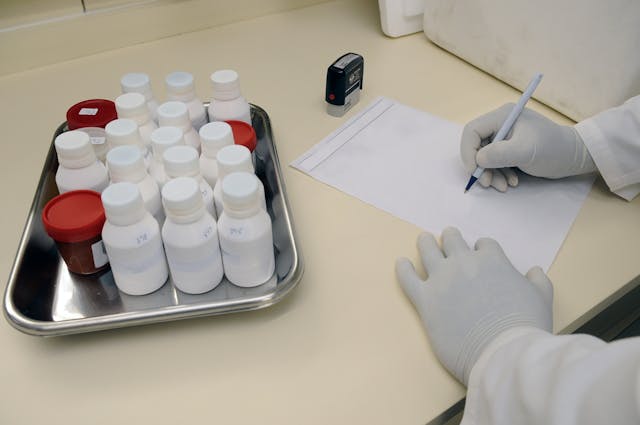
Patient safety research has laid out concrete strategies to shrink the space for medication dosing errors. StatPearls emphasises that preventing errors requires understanding where and why they occur, then redesigning systems accordingly. Hospitals can standardise electrolytes to a limited set of concentrations, remove handwritten orders, and configure smart pumps with built-in limits for paediatric doses. Electronic systems can require entry of the child’s weight, calculate doses automatically, and block orders that exceed safe ranges unless a second clinician confirms. Education remains part of the solution, but cannot stand alone.
The JAMA Pediatrics study points out that errors involving dosage equations frequently arose despite policies requiring dose per kilogram statements and pharmacist review, which shows that a policy without robust design is not enough. Organisations can also audit near misses, not only completed harms, to learn where medical errors almost happened. When institutions treat intercepts as valuable data instead of quiet embarrassments, they can strengthen defences before another decimal goes wrong. Over time, investments in staffing, technology, and training can transform a fragile environment into one where how prescription decimal errors happen is understood deeply enough that each potential route is deliberately blocked.
Advocating for Safer Care
Families cannot rewrite hospital policies, but they can still play a protective role during a loved one’s admission. Safety advocates encourage parents to keep an updated list of medications, ask what each new drug is for, and confirm how the dose matches their child’s weight. It is reasonable to ask whether a second person has checked a high alert medicine, especially electrolytes or chemotherapy, and to speak up if something feels wrong. StatPearls notes that patients and families can help prevent errors by improving communication and understanding their treatment.
These steps must never be framed as shifting responsibility away from professionals. However, they give families concrete ways to engage with care and may catch misunderstandings early. When parents hear news about a medical error that leads to a child’s heart attack, they often wonder if different questions might have changed the outcome. Clear, respectful communication can make it easier for them to voice concerns in real time, instead of staying silent out of fear of being labelled difficult. In the long run, a culture that welcomes questions supports both staff and families, because it treats every extra layer of vigilance as a shared defence against medical error.
Lasting Change

The alleged decimal point mistake that killed De’Markus Page shows how a modern hospital can still be vulnerable to an ancient problem. Humans must juggle numbers, screens, and alarms in busy wards where distraction is constant and consequences are immense. StatPearls states that “medication errors rank as the most frequent and avoidable source of patient harm,” and the JAMA Pediatrics analysis confirms that calculation errors, especially those involving decimal points, disproportionately threaten children. This case stands at the intersection of those realities, where how prescription decimal errors happen stopped being theoretical and became tragically real.
No article can change what happened to this family. The best it can do is keep their son’s story connected to the wider effort to fix dangerous gaps in prescribing and monitoring. That means listening carefully when frontline staff describe unsafe workflows, investing in safer tools even when budgets are tight, and treating every intercepted medication dosing error as valuable data. It also means honest disclosure when harm occurs, since StatPearls stresses that true respect for patients requires “prompt and full disclosure of a medication error once identified.” If health systems use this loss to push for stronger safeguards, then a life cut short by a preventable medical error may still shape safer care for other children who come through the same doors.
Disclaimer: This article was created with AI assistance and edited by a human for accuracy and clarity.
Read More: 13 Unexpected Heart Attack Triggers You Should Know