
Just like dogs, there are many breeds of sheep with their own unique characteristics. People tend to imagine sheep as fluffy and white, but they actually come in many shapes and colors. They also come in black, brown, gray, striped, or spotted. They may have short ears, tall and pointed ears, or floppy ears. Their horns may grow tall and spiraled, short and rounded, or long and curved around their faces. While most breeds have two horns, some can grow four (or even six). This includes Hebridean sheep, a rare breed that may have existed since Viking times. And after nearly becoming extinct in Britain, their numbers are slowly recovering.
What are Hebridean sheep?
Hebridean sheep, also known as St. Kilda sheep, live by the coast of Western Scotland. They run smaller than other breeds, with black faces and legs, short tails, strong hooves, dark-colored fleece, and multiple horns. Both rams and ewes can grow horns, typically two or four. But this isn’t the only trait that differentiates them from most sheep breeds.
What do they eat?
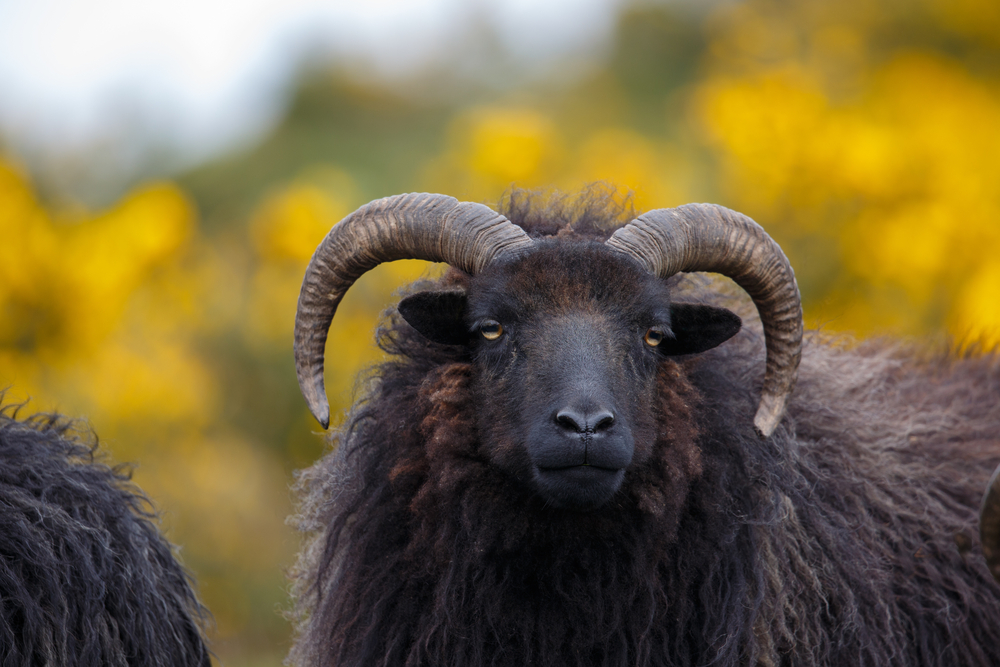
Hebridean sheep tend to browse instead of graze. In other words, they eat a variety of plants beyond grass and low-hanging vegetation, such as tree leaves, shrubs, woody plants, and weeds. This allows them to thrive in ecosystems that would be inhospitable to other sheep species, according to OSU. They are particularly adept at preventing shrubs from overgrowing and keeping some invasive species at bay.
Natural conservationists
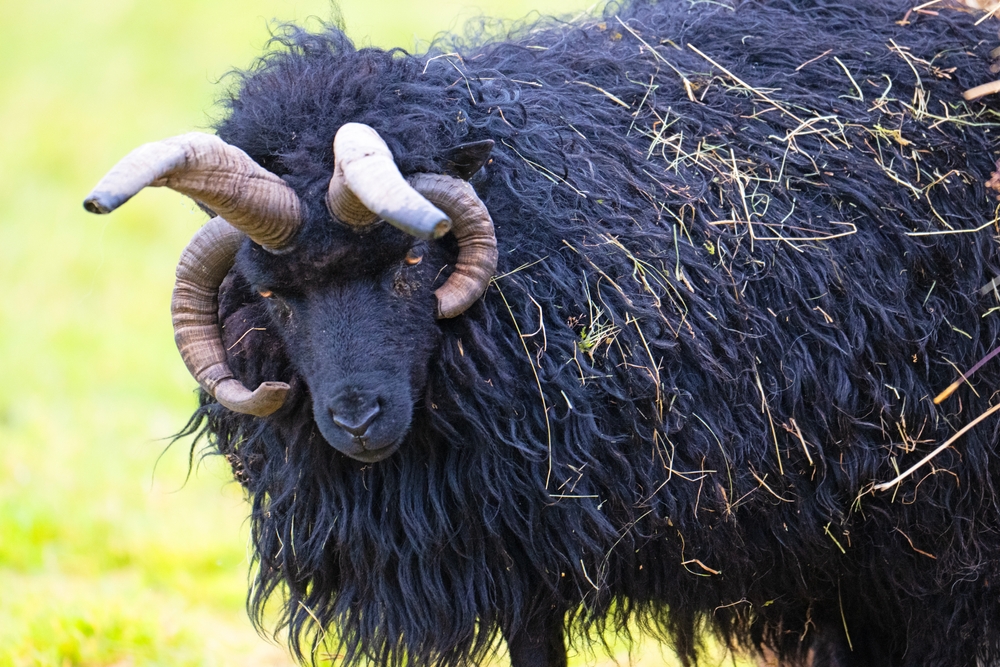
Because of their diet, Hebrideans have been incorporated into ecological projects as natural weed-control for grassland habitats. For example, Hebridean ewes and lambs pasture on lowlands in England to prevent the regrowth of invasive birch and pine scrub, according to the Hebridean Sheep Society. This aids the growth of delicate heathers and similar species that other creatures depend on to survive. Other sheep breeds have been tested for the job but only Hebrideans tolerated the wet environment and poor food options enough to produce strong lambs.
Combat invasive species
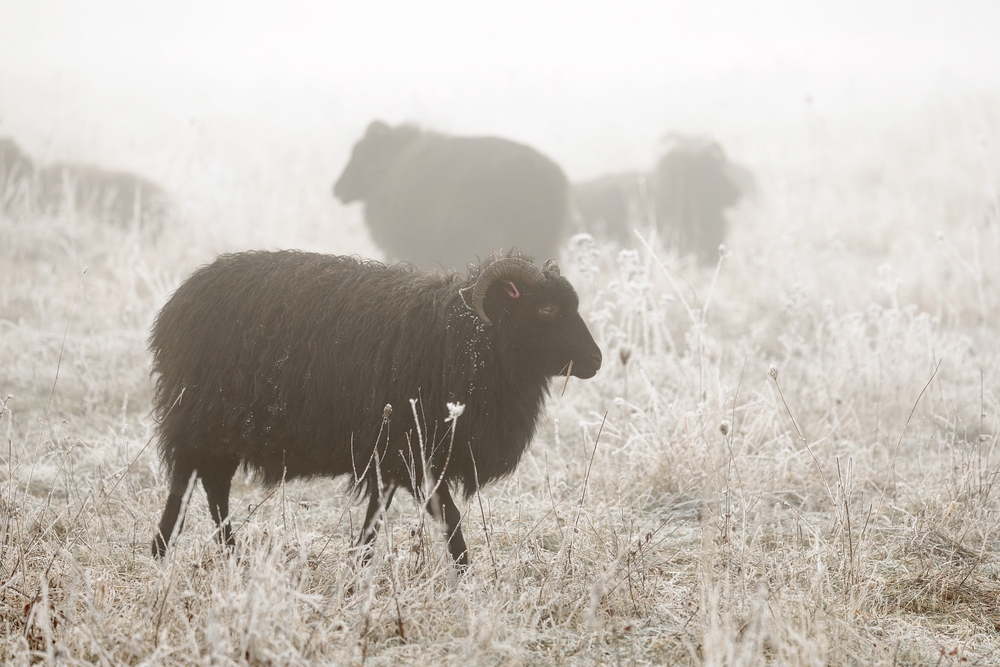
Hebridean sheep are also utilized to control the invasive species Sea Buckhorn. This thorny shrub can quickly grow into dense thickets that inhibit the growth of other plants. They tend to grow in sand dunes and salt marshes that commonly have poor soil, sometimes made worse by the plant’s nitrogen-fixing ability. Therefore, Hebrideans are used to prevent the overgrowth of Sea Buckhorn in coastal areas in Yorkshire.
The history of Hebridean sheep
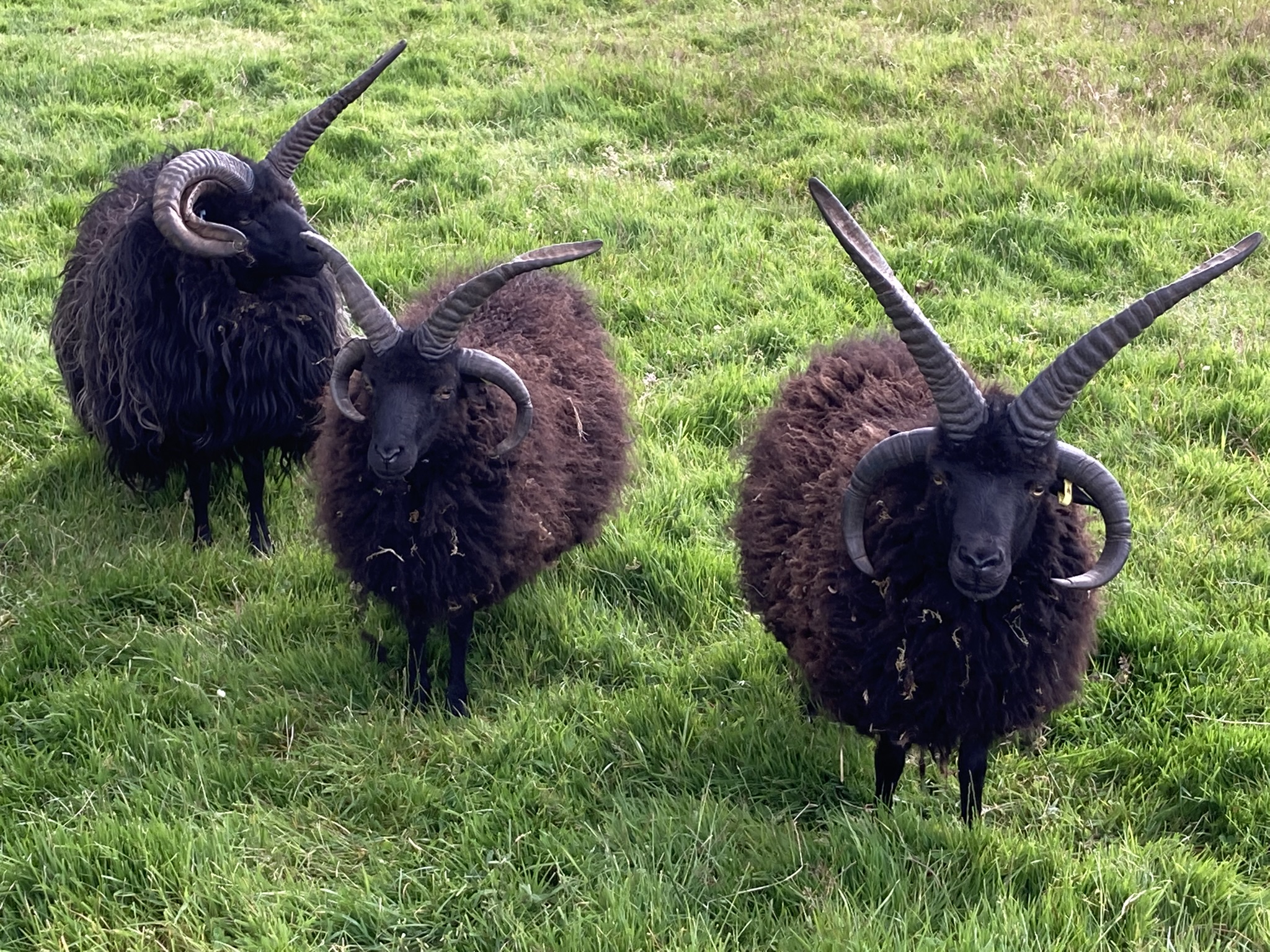
Some historians believe that Vikings and Nordic settlers brought Hebridean sheep to Scotland thousands of years ago. However, others maintain the sheep accompanied Neolithic or Iron Age Celts, who landed there much earlier, although researchers have found no archaeological evidence of this. Today’s Hebridean sheep are descended from the interbreeding of Scottish Dunface sheep with the ancient, multi-horned sheep already living there. Unfortunately, Scottish Dunface are now considered extinct on Scotland’s mainland.
Read More: Blue Whales Have ‘Unprecedented’ Bounce Back From Brink Of Extinction
Nearly wiped out
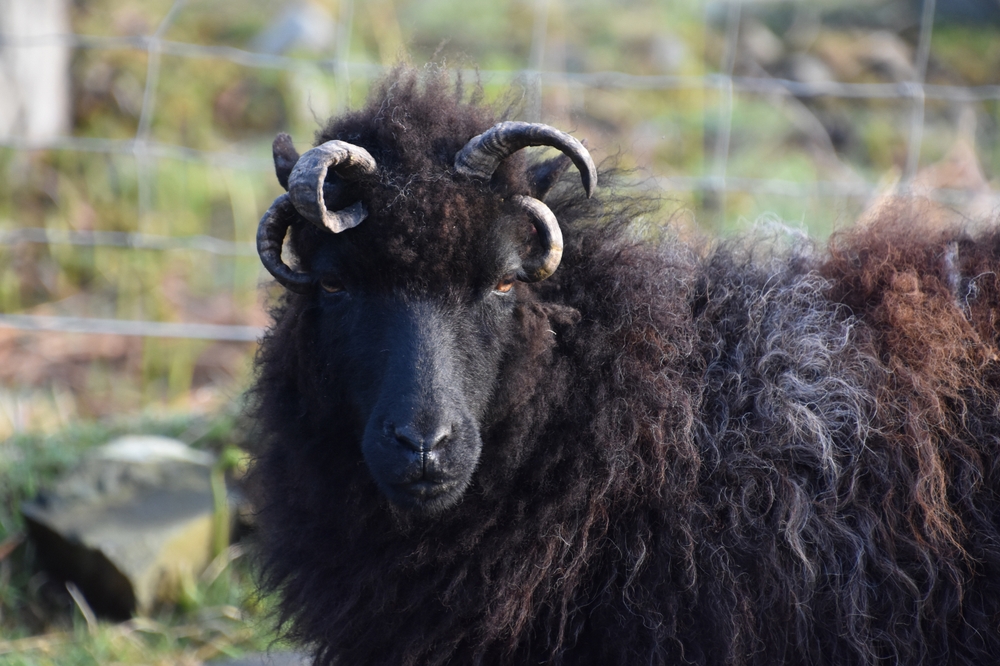
Image credit: Shutterstock
Around the mid-1800s, Hebridean sheep became status symbols among the British elite. They were selectively bred for their naturally black wool. However, estate holders began to lose interest in these flocks, and Hebridean sheep became increasingly rare. They were on the road to extinction until the UK Rare Breeds Survival Trust added them to their threatened livestock list in the 1970s and promoted the conservation of this heritage breed.
Celebrating Hebridean sheep today
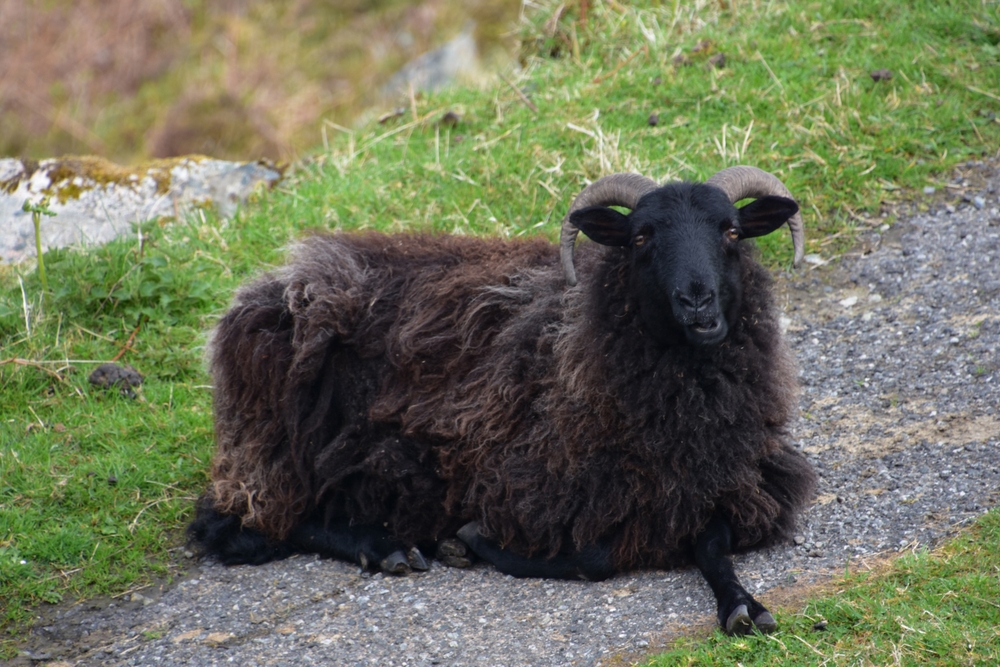
Nowadays, there’s a growing appreciation for Hebridean sheep for their conservation abilities, role in British history, and unique appearance. The latter of which makes them appealing to the textile industry. According to Northwest Yarns, Hebridean wool is naturally black with a slight luster. Because of its coarse texture and thermal resilience, it’s best suited for coats, sweaters, blankets, rugs, and other durable items.
Don’t confuse with Manx Loaghtan
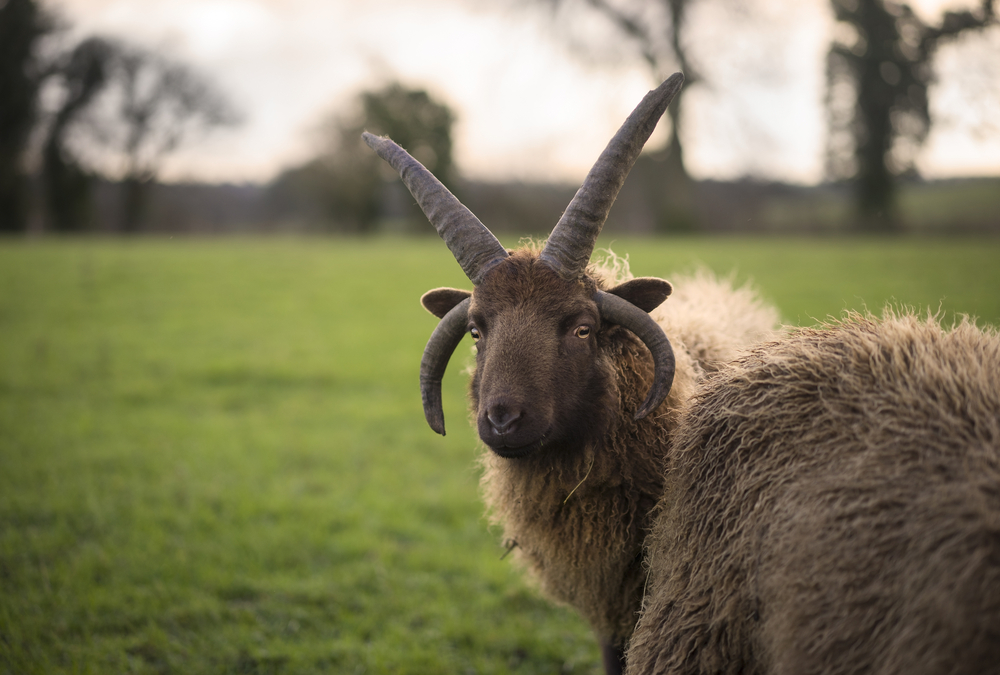
Hebridean sheep are sometimes confused with Manx Loaghtan sheep. Their most striking identical feature is their four horns. Manx Loaghtan is also a Northern Short-tailed type, and resides on the Isle of Man, according to the OSU. They typically grow dark brown fleece, although they can rarely grow white and black. Unlike Hebridean’s thick and coarse wool, Manx Loaghtan’s wool is softer and used for softer garments such as socks, hats, scarves, and of course, sweaters.
Read More: 20+ Animals We’ve Lost To Extinction In The Past 150 Years