
Gray hair often feels like a simple sign of passing time. It is easy to see it as a cosmetic change and nothing more. Yet new evidence links hair pigmentation to deep cellular decisions that also touch cancer risk. In mice, melanocyte stem cells within hair follicles choose between two fates when stressed. One future yields mature pigment cells that soon disappear, which leads to graying but helps prevent malignant change. Another future keeps damaged cells cycling, which can seed the development of melanoma. The type of damage and the surrounding signals appear to steer that choice. This article on the link between gray hair and cancer explains what the research reveals, how it aligns with established biology, and where further research must still go. It also offers grounded context on ultraviolet exposure and melanoma for everyday readers. The goal is clarity, not alarm, with sources you can verify.
How Hair Gets Its Color
Hair colour depends on melanocytes, which load pigment into growing hair shafts. These pigment cells come from melanocyte stem cells that live in a protected niche inside each follicle. That niche helps the stem cells remain quiescent, self-renew, and differentiate during hair cycles. As follicles enter new growth, signals invite stem cells to produce new melanocytes. The process keeps colour present through many cycles, until age or stress disrupts the supply. Researchers have mapped this system across mammals, revealing that melanocyte stem cells derive from neural crest lineages and occupy defined follicle locations.
Reviews describe key markers, including MITF, KIT, and DCT, which track lineage stages and signalling needs. This baseline is considered important because the new paper explores how stress diverts these cells away from their usual renewal process. Without a stable stem cell pool, hair gradually loses pigment input and turns gray. That visible change is tied to specific cellular fates, not only to clock time. Understanding the niche and its signals, therefore, sets the stage for interpreting stress responses that influence both graying and melanoma risk.
The New Mouse Study
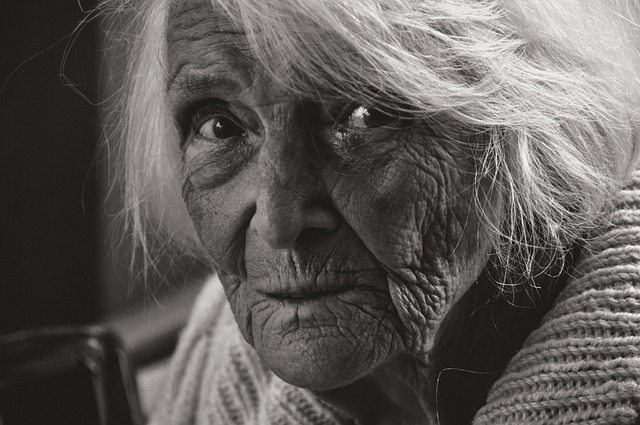
A 2025 Nature Cell Biology paper tested how DNA damage influences these melanocyte stem cell choices. The authors induced double-strand breaks and found a consistent shift toward senescence-coupled differentiation. Basically, damaged stem cells matured into pigment cells, ceased dividing, and were removed from the stem cell pool. Hair then grayed as the pool depleted. The team interprets this as a protective response that removes at-risk cells before they can gain malignant features. That response links a cosmetic outcome to a cancer-limiting mechanism.
The authors used genetic tools and injury models to track how damage alters cell identity over time. They report that double-strand breaks activate a program that locks cells into a non-dividing differentiated state. This shift lowers malignant potential in the stem compartment while producing visible graying. The data provide a concrete mechanism for a pattern many people observe with age, yet they also highlight that not all stresses trigger this path. Some contexts blunt the protective route and leave damaged cells able to persist. The contrast between these outcomes underlies the paper’s central theme.
Antagonistic Fates

Image Credit: Pixabay
The authors describe two opposing fates that emerge under stress. One fate is exhaustion by differentiation, which leads to graying. The other fate is self-renewal despite damage, which raises melanoma risk. The balance depends on the type of stress and the micro-environmental signals that surround the stem cells. In certain injury settings, niche cues favor the protective route, so damaged cells differentiate and exit the pool. In other settings, signals support proliferation and survival, so damaged stem cells continue cycling.
The paper identifies pathways that can tilt the decision, including lipid metabolism programs and growth factor signals. The findings add a mechanistic layer to long-standing concerns about carcinogenic exposures that both damage DNA and also alter tissue signals. The model does not claim that graying prevents melanoma in people, which would be an overreach. It does show that the same stem cell population can either defend tissue integrity or seed malignancy depending on cues. The idea of antagonistic fates, therefore, helps explain how visible ageing and cancer risk can arise from shared stress biology.

Melanocytes rely on KIT signalling for survival, migration, and proliferation during development and homeostasis. KIT ligand in the niche can support melanocyte lineage cells and influence their behaviour. The new paper reports that niche-derived KIT ligand helps damaged melanocyte stem cells persist under certain carcinogenic stresses. It also links arachidonic acid metabolism to this persistence, which suggests that lipid mediators can shift fate decisions. These observations fit a broader literature that places KIT at the centre of melanocyte biology and links metabolic state to lineage control.
Reviews indicate that MITF and KIT cooperate to guide gene expression across melanocyte stages. Experimental work in skin also ties paracrine signals to differentiation and pigment production. Together, these strands suggest why the niche can override a damage response that would otherwise prompt cells to enter a safe, non-dividing state. The exact druggable levers are not ready for clinics. However, the mechanistic leads are strong enough to motivate targeted tests in human systems, including organoids and graft models.
Where do UV Exposure and Carcinogens Fit in?

Ultraviolet radiation can cause DNA lesions in skin cells and contribute to melanoma risk. Global health agencies stress that overexposure is a major driver of skin cancers across populations. The mouse study used specific stressors, including carcinogens and radiation, to probe fate choices in follicle niches. In some contexts, these exposures suppressed the protective differentiation route and encouraged damaged stem cells to self-renew. That result is consistent with the idea that carcinogens do more than break DNA.
They also reshape local signals that govern repair, survival, and cell fate. Human risk involves many factors, including inherited variation and cumulative ultraviolet exposure across years. Public guidance, therefore, emphasizes limiting intense exposure, checking the ultraviolet index, and using shade and clothing during peak hours. The link between stress type, niche signals, and stem cell behaviour adds depth to those messages. It helps explain how the same exposure profile can produce different tissue outcomes depending on context and timing.
What Does that Mean for Us?

The mouse results regarding the study on gray hair and cancer are compelling, but translation to humans needs careful steps. Hair graying in people is common and polygenic, and many individuals gray early without any link to cancer. Melanoma is also complex, with inherited variants and environmental factors that vary across groups. The study suggests a framework where graying and melanoma can arise from related stress biology; however, it does not show that gray hair lowers melanoma risk in people.
It also does not show that people who do not gray face a higher risk. Those claims would require human tissue models, longitudinal cohorts, and clinical endpoints. Trusted cancer resources continue to emphasize the importance of ultraviolet protection and awareness of changing skin lesions. Within that guidance, the new work refines where scientists should look for biomarkers. It points to stem cell states, niche signals, and damage responses that could predict higher risk.
How Ageing Biology and Cancer Intersect

Ageing involves gradual declines in stem cell function across tissues. As reserves shrink, regeneration falters and visible changes accumulate. Cancer involves the survival and expansion of cells that evade checks after damage. These processes can intersect inside stem cell niches, where signals maintain a balance between renewal and restraint. The new mouse work shows that a single lineage can move toward safe exhaustion or toward risky expansion under different stress settings.
That insight aligns with broader views that ageing and cancer share roots in damage sensing and fate control. Reviews of melanocyte biology have long noted how developmental pathways persist in adult tissue and can be co-opted in malignancy. The follicle becomes a tractable system to test these ideas because its cycles expose fate decisions repeatedly. Each cycle offers a fresh look at how damage, metabolism, and growth factors steer outcomes. Tracking those dynamics in people will require new imaging and sampling methods that respect the niche.
Gray Hair and Cancer – From Mechanisms to Measures

Future human work can ask whether specific stem cell states correlate with graying patterns across scalp regions. Researchers can test whether circulating lipid mediators or follicle fluid profiles track with niche signals. They can develop noninvasive readouts of KIT activity near follicles during growth phases. Cohorts that already track pigmentation, sun exposure, and skin outcomes could add targeted imaging and molecular sampling. Organoid models that include follicle structures may help test interventions that push damaged cells toward safe differentiation.
Press releases from academic centres already frame the mouse work as a possible defence model against melanoma. That framing should be paired with strong clinical study designs that avoid over-interpretation. The pathway list includes promising levers, yet off-target effects in human skin must be carefully evaluated. The hope is a future where therapies reinforce natural checkpoints without harming normal pigment cycles. For now, the work offers a roadmap for mechanistic trials that connect cell fate with real outcomes.
Read More: The Surprising Health Risk Linked to Gray Hair, According to Doctors
Prevention and Vigilance Still Matter

While scientists map these fates, everyday steps still reduce risk. Ultraviolet exposure is a key modifiable factor for skin cancers across settings. Agencies recommend shade, protective clothing, and sunscreens with appropriate filters during high index hours. They also advise against intentional tanning and encourage prompt evaluation of new or changing lesions. National resources explain melanoma biology and offer plain guidance on when to seek care. Local groups also highlight that darker skin, while protective against ultraviolet damage, does not remove risk and can lead to later detection. None of these recommendations depends on hair colour, which should prevent confusion. The new mouse work does not change basic prevention, yet it deepens scientific understanding. It suggests why tissues sometimes trade pigment for safety, and why that trade can fail. People can follow standard advice while researchers clarify how follicle decisions relate to human outcomes.
Using this Research without Misreading It

It is tempting to treat graying as a personal cancer barometer. However, that leap is not supported by current human evidence. The mouse work maps a mechanism that links pigment loss and tumor restraint in one niche. It shows how damaged melanocyte stem cells can exit the cycle and deplete, which makes hair gray. It also shows how carcinogenic contexts can keep damaged cells dividing, which raises melanoma risk. Those findings are strong inside the experimental system, yet translation needs human data.
Clinicians still rely on visible skin changes and proven prevention tools. They do not screen cancer risk by hair colour or graying pattern. Readers should view the study as a window into early disease biology. It refines how scientists think about stress responses in skin and hair. It does not replace established guidance on ultraviolet exposure and self-checks. For now, follow authoritative prevention advice while researchers test human models and cohorts. That approach respects exciting science and protects everyday health choices.
The Bottom Line on Gray Hair and Cancer

The study links hair graying and melanoma through opposing stem cell fates in mice. Double-strand breaks can push melanocyte stem cells to mature and stop dividing, which depletes the pool and grays hair. Certain carcinogenic contexts suppress that protective path and keep damaged cells cycling, which can seed melanoma. Signals in the niche, including KIT ligand and metabolic cues, appear to direct the choice. These insights refine how scientists think about ageing and cancer inside one visible tissue. They do not show that gray hair protects people from melanoma or that hair colour predicts risk. That question still needs careful human evidence gathered over time.
Until then, the safe course remains unchanged and practical. Protect skin from intense ultraviolet exposure, and seek evaluation for suspicious changes. Schedule routine skin checks if you have additional concerns. Researchers will continue to test how to nudge damaged cells toward safe exits while preserving healthy pigmentation. Future work may identify biomarkers that flag risky stem cell states. You can look out for new human data that assesses these mechanisms in real clinical settings. Clear findings will guide any shift in prevention or screening advice.
Disclaimer: This article was created with AI assistance and edited by a human for accuracy and clarity.
Read More: This Antioxidant Found in Many Foods Can Help Prevent Gray Hair