
When Pittsburgh resident AJ Owen placed some bins of food in his front yard, he didn’t expect much. It was just a small act of kindness that came from his heart. But that simple setup, which he later called his front-yard food pantry, became something far bigger than he ever imagined. It turned into a story about hope and the kindness still alive in ordinary people.
It began with a $150 grocery trip to ALDI. On a regular Steelers Sunday, Owen and his two sons went out and filled their cart with snacks and canned food. They decided to give back to their community instead of just spending the day watching football. Within days of posting about it online, his quiet effort caught fire across social media, reaching thousands of people.
It was never meant to go viral. Yet what started on a small lawn in South Hills grew into a movement that continues to feed families and inspire others everywhere.
A Small Idea That Touched Millions
Owen’s first TikTok video was short. It showed a few plastic bins filled with food sitting neatly on his grass. He captioned it with a simple message about helping neighbors. But the real surprise came after his second video.
Someone left an envelope in his mailbox. Inside were several hundred-dollar bills and a short note. It read, “May God prosper and bless your food pantry.” There was no name, no signature, no clue who sent it.
@ajpgh412 We’re going to help so many people 😭 #snap #foodpantry #foodbank #trump #pittsburgh
Owen told ABC News that his hands were shaking when he opened it. “I started crying,” he said. “And this was the best cry ever, because it felt like an angel came down and blessed us that day.” His video about the moment got over 16 million views, and soon, donations and messages began pouring in.
From that point, the small front-yard food pantry became a symbol of community care. People from all over Pittsburgh stopped by to drop off food or thank him for what he started.
Growing Into Something Bigger
As the weeks went by, Owen’s yard transformed. What began as a few bins turned into tables filled with food. There were loaves of bread, boxes of cereal, fruit bars, instant meals, and even fresh eggs. Neighbors began showing up with bags of groceries, and some local police officers even stopped by with donations.
At one point, Owen returned from a Costco trip to find more bins already waiting, fully stocked. People had dropped them off quietly while he was away. It showed how kindness spreads when others see it in action.
Then came an unexpected moment that made Owen smile widely. Pittsburgh Steelers defensive end Yahya Black and his fiancée came to visit. They brought what Owen described as “a ton of food.” He posted the moment on TikTok, and it only made the pantry’s reach grow more.
@ajpgh412 I had to cringily ask @Pittsburgh Steelers YAHYA BLACK to do a tiktok at my #foodpantry. HUGE shoutout to them giving back to #Pittsburgh!! #foodbank #ebt #snap ♬ original sound – ajpgh412
Owen says his front-yard food pantry has already helped at least a hundred families. But he doesn’t plan to stop. “People need to eat,” he said simply. “It’s no different than me inviting someone over for dinner. Come on, grab a meal, grab a drink, whatever you need, I’m here.”
The internet can be a noisy place, but sometimes it shines for the right reasons. Owen’s story is one of those moments. His TikTok videos became a breath of fresh air. Instead of arguments or negativity, people were commenting with love and encouragement.
Soon, others across the country started doing the same thing. They built their own versions of a front-yard food pantry. Some used wooden boxes, others plastic tubs, all filled with food for anyone in need. Videos began appearing under hashtags like #CommunityPantry and #GiveBackChallenge. People shared stories about strangers leaving food or notes for them.
What made this special was how fast it spread. It proved that good ideas don’t need fancy campaigns. They just need a spark. One kind act filmed on a phone became a chain reaction of generosity from Pittsburgh to small towns in Texas and beyond.
Social media often gets blamed for division, but here it brought people together. Owen didn’t plan a movement, yet somehow he built one with honesty and a front lawn.
Why This Matters Now
It’s important to understand why this touched so many hearts. Across America, more people are struggling to afford food. SNAP benefits have been cut, and grocery prices keep climbing. Eggs, milk, and bread cost more now than ever before.
The USDA reported that over 12 percent of U.S. households faced food insecurity last year. That means millions of people had days when they didn’t know if they’d eat. Food banks are overwhelmed, and many are short on supplies.
Owen’s front-yard food pantry filled a real gap. He didn’t ask for paperwork or ID. There were no forms, no waiting lists, no judgment. Just food, sitting out for anyone who needed it.
This kind of help shows what happens when regular people step up. It’s a reminder that kindness can be practical. It can fill a stomach and lift a spirit at the same time.
The Rising Cost of Hunger in America
Food insecurity is growing quietly across the country. Many people who once managed comfortably are now facing difficult choices between rent, gas, and groceries. Inflation has pushed the price of food higher than in previous years, especially for staples like bread, milk, and vegetables. For some, a simple grocery run feels like a luxury.
Image credit: Shutterstock
Families who depend on food assistance programs have been hit the hardest by recent SNAP benefit cuts. Parents skip meals so their children can eat, and seniors stretch small budgets by buying cheaper, less nutritious options. The emotional cost is just as heavy as the financial one. Many people feel embarrassment asking for help, even though their situation is not their fault.
That’s why grassroots efforts like Owen’s stand out. His front-yard food pantry offers what struggling families need most, not just food, but a sense of dignity and compassion when times are hard.
The Role of Faith and the Power of Giving
Faith has a quiet but steady presence in this story. The anonymous envelope, with that short note wishing blessings, became a turning point for Owen. It wasn’t about money, he said. It was about feeling seen and supported at the exact right time.
Many faith traditions speak about giving without being noticed. In Christianity, Judaism, and Islam, anonymous generosity is seen as one of the purest forms of charity. The giver doesn’t seek praise, and the receiver feels love without pressure.
When Owen opened that envelope, he said he felt like something greater was guiding the moment. It made him believe even more in what he was doing. And the faith-filled message inside the letter reminded people that sometimes help comes from unseen hands.
Faith-based giving also strengthens communities. Churches and mosques often run food drives, but individuals like Owen show how spirituality can live in everyday acts. His front-yard food pantry became both a symbol of faith and community in one simple setup.
Where Faith and Community Meet
There’s something sacred about sharing food. It’s not just about feeding the body but also nourishing the soul. When Owen invites people to “come on, grab a meal,” he’s offering dignity as much as dinner.
In his neighborhood, this idea caught on fast. Locals started adding to his bins. Churches mentioned his story in their services. People who had never spoken before began talking, connecting, and helping each other.
Faith, in this way, became action. And it’s spreading through every small act of care that follows.
The Emotion Behind Everyday Kindness
Sometimes the biggest stories come from the simplest things. Watching Owen cry in his video made people feel something real. In a world full of polished content, his honesty broke through. You could see it wasn’t about attention, it was about emotion.
Researchers say kindness actually affects our brain. Acts of giving release oxytocin, the same hormone that builds trust and empathy. It makes both giver and receiver feel better, creating what scientists call emotional contagion. That means kindness spreads just like laughter or joy.
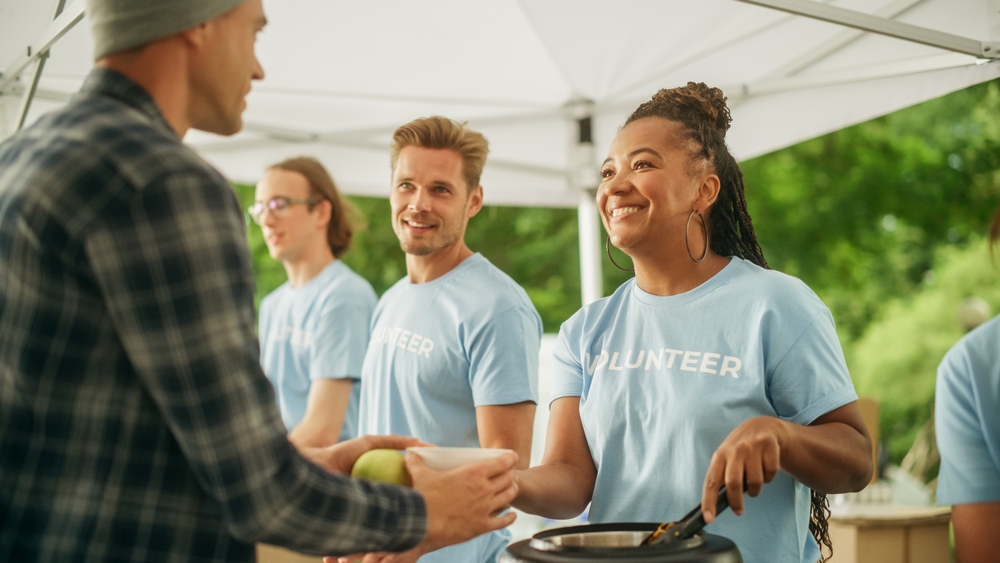
That’s exactly what happened here. People saw Owen’s front-yard food pantry and felt moved to copy it. They didn’t just watch, they acted. Some went grocery shopping for the first time in months not for themselves, but for others.
One person commented online, “You reminded me to believe in people again.” Maybe that’s what the world needed most from this story. A reminder that hope still exists. That generosity builds emotional resilience. When people see kindness in action, that simple reminder can change someone’s entire outlook, showing that connection and compassion are stronger than hardship.
How the Internet Became a New Neighborhood
Social media isn’t perfect, but it can connect strangers in ways nothing else can. Owen used TikTok not to gain fame but to share something good. And it worked.
What’s powerful about his story is how easy it was for others to join in. Anyone with a phone and a bit of food could do the same. It made kindness feel accessible.
People often complain that online life is fake, but stories like this show another side. It’s a place where real people share real hearts. It’s where a small lawn in Pittsburgh can inspire families in other states to do the same.
The Ripple Effect Beyond Pittsburgh
What happened in Pittsburgh didn’t stay there. Owen’s story has inspired dozens of people to start their own versions of his front-yard food pantry. Across the U.S., small towns and suburban neighborhoods have adopted similar setups, from wooden boxes on porches to shelves outside community centers.
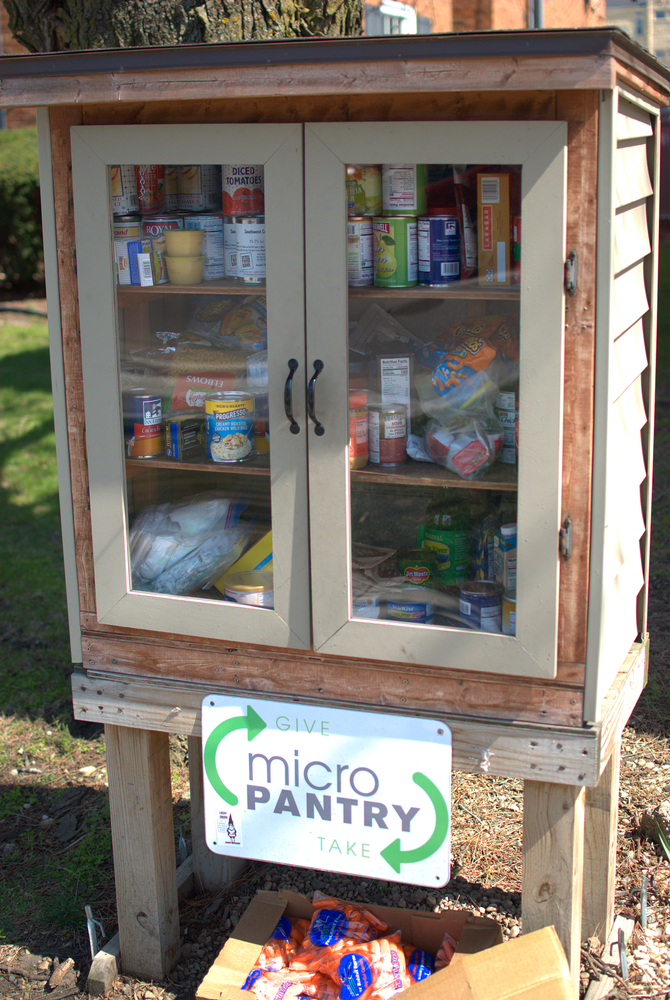
Some TikTok users shared videos of themselves stocking bins at night, leaving notes that read, “Take what you need.” Others tagged Owen directly to thank him for sparking the idea. A few schools even started student-led pantries to teach empathy and civic responsibility.
This ripple effect shows how kindness travels faster than most trends online. It proves that one video can reach millions and turn quiet generosity into a movement. And while each pantry looks different, they all share the same message, to help your neighbor when you can.
Read More: 8 U.S. States Hit Hardest by Grocery Tariff Price Hikes
Why Small Acts Matter So Much
Owen’s idea is what some call micro-activism. It’s small actions that build up over time to make a huge difference. Each can of soup or loaf of bread given might seem small, but together, they change lives.
When large systems fail or move too slowly, local kindness fills the gap. That’s what makes his front-yard food pantry special. It didn’t wait for permission or a grant. It just happened. And it keeps happening because people care.
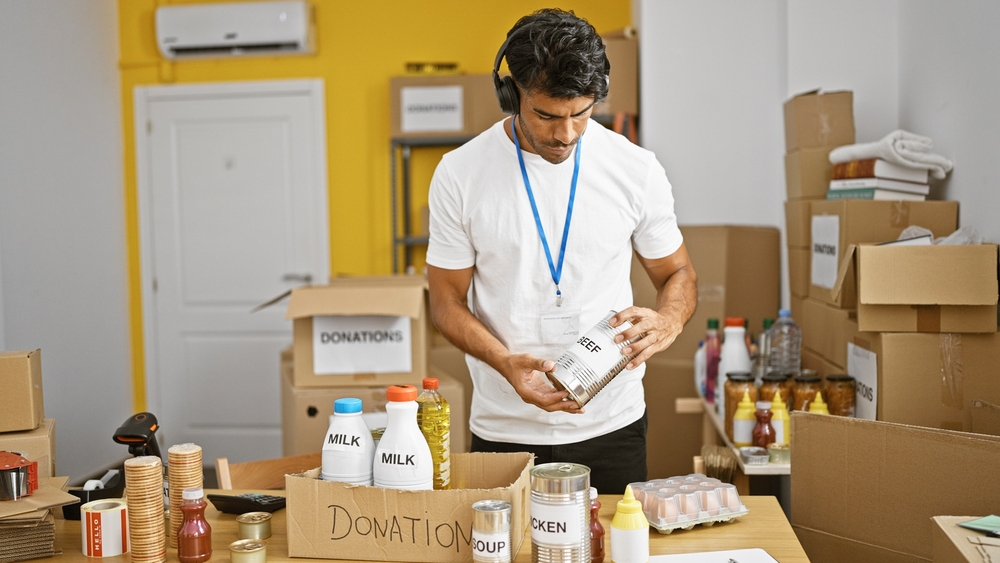
Image credit: Shutterstock
Even small actions matter. They remind others that we all have something to offer, whether it’s time, food, or just kindness. It’s proof that one person really can make a difference.
Lessons We Can All Take Away
There’s a lot to learn from AJ Owen’s story:
- Take action, even when it feels small.
- Share openly so others feel inspired to join.
- Believe that faith, in any form, can guide good deeds.
- Use social media as a force for connection, not division.
- Remember that kindness, in its simplest form, can move mountains.
His example shows that you don’t need a big plan to make a big change. You just need to start.
A Closing Message
Today, Owen’s lawn still has tables filled with food. Neighbors still stop by. Kids drop off fruit bars or juice boxes. And every time someone leaves with a meal, Owen’s mission grows a little stronger.
His front-yard food pantry is more than a project. It’s a statement that community isn’t lost. It’s proof that good things can still go viral for the right reasons.
As Owen said, “People deserve to be fed. It’s no different than inviting you for dinner.” In a world that sometimes forgets how to care, his story reminds us that compassion doesn’t cost much. It just needs someone to begin.
Read More: From Bananas to Toys, 5 Areas Where Costs Have Risen Since Trump’s Tariffs Took Effect