
Most people think heart attacks happen only because of blocked arteries or bad habits. But sometimes, the body reacts to things we don’t expect at all. These unexpected heart attack triggers can sneak up during normal daily life, like waking up too fast, skipping sleep, or getting too emotional. They may sound small, but together they put more pressure on your heart than you’d think.
Understanding these triggers helps you stay aware and make small choices that protect your heart. It’s not about fear, it’s about awareness. Everyday habits and emotions can have surprising effects, and knowing them gives you a head start on prevention.
Cold Weather Can Be a Shock
Stepping out into cold air might seem harmless, but your heart thinks otherwise. When the temperature drops, blood vessels tighten, and that makes your heart pump harder. If you start shoveling snow or jogging without warming up, you could strain it even more.
Doctors say that more heart attacks happen during winter. The reason is simple, the heart works harder in the cold. So if you live in a chilly area, layer up and move slowly until your body adjusts. Even small precautions can make a difference and may help you avoid unexpected heart attack triggers related to temperature shock.
Restless Nights Add Hidden Heart Risks
Sleep does more than just recharge your mind. It’s when your heart gets its own rest. When you constantly sleep less than six hours, stress hormones rise, and blood pressure stays high. Over time, this wears your heart down.
Researchers at Harvard Health found that poor sleep habits can raise your risk of high blood pressure and irregular rhythms. It’s not just about how long you sleep, but how consistent you are. Try to go to bed at the same time every night. Your body and your heart will thank you.
The Power of Emotions
Have you ever noticed your heart pounding after a big argument or even during a joyful surprise? That’s your body reacting to intense emotions. Strong feelings, both good and bad, can cause sudden spikes in adrenaline. This hormone makes blood vessels tighten and raises heart rate and pressure.
Doctors call it broken heart syndrome when emotional stress weakens the heart muscle. It’s rare, but real. Happiness can have the same effect, too, like when fans celebrate a huge win. Emotions are healthy, but balance matters. Deep breathing, walks, or quiet time can keep your heart steady through highs and lows and help prevent heart attacks.
A Heavy Meal Can Be a Heavy Load
A big meal feels comforting, but your body sees it as a challenge. After eating a rich or greasy plate, your blood shifts toward the digestive system. Meanwhile, fat levels rise, and your heart must pump faster.
That’s why some heart attacks occur after big celebrations. Doctors suggest smaller portions and slower eating. Even taking a short walk afterward helps digestion and lightens the heart’s workload. You don’t have to skip your favorite foods, just enjoy them in moderation.

The Air You Breathe Matters
Air pollution isn’t just bad for lungs. It silently harms your heart too. When you breathe in exhaust or smog, tiny particles irritate blood vessels. This causes inflammation, which makes it easier for plaque to form and harder for arteries to stay flexible.
Researchers have noticed that heart attack numbers rise on days with poor air quality. Even short exposure can increase clotting risks. So, if pollution levels are high, stay inside or use an air purifier. Small adjustments like that protect more than your lungs, they help your heart too. Poor air quality is one of those unexpected heart attack triggers that many people overlook.
The Common Cold Isn’t Always Common
Getting the flu or even a bad cold might sound minor, but infections strain the body. When your immune system fights off viruses, it triggers inflammation. That same inflammation can reach blood vessels and disturb plaque inside arteries.
One study found the risk of a heart attack jumps up to six times higher during the first week of the flu. That’s why flu shots aren’t just for avoiding sickness, they protect your heart as well. Keeping your body healthy helps keep your heart strong.
Coffee and Alcohol Drinkers
Most people enjoy coffee or a drink now and then, and that’s okay. The trouble starts when it’s too much. Caffeine speeds up your heartbeat and raises blood pressure. For some people, that can cause fluttering or palpitations.
Alcohol can be similar. A drink or two might relax you, but overdoing it damages the heart muscle and disrupts rhythm. Doctors even have a term for it, holiday heart. It happens when people drink heavily during celebrations. Moderation really is key. Savor the moment without overloading your heart. It’s another reminder that lesser-known heart attack triggers often come from habits that seem harmless.
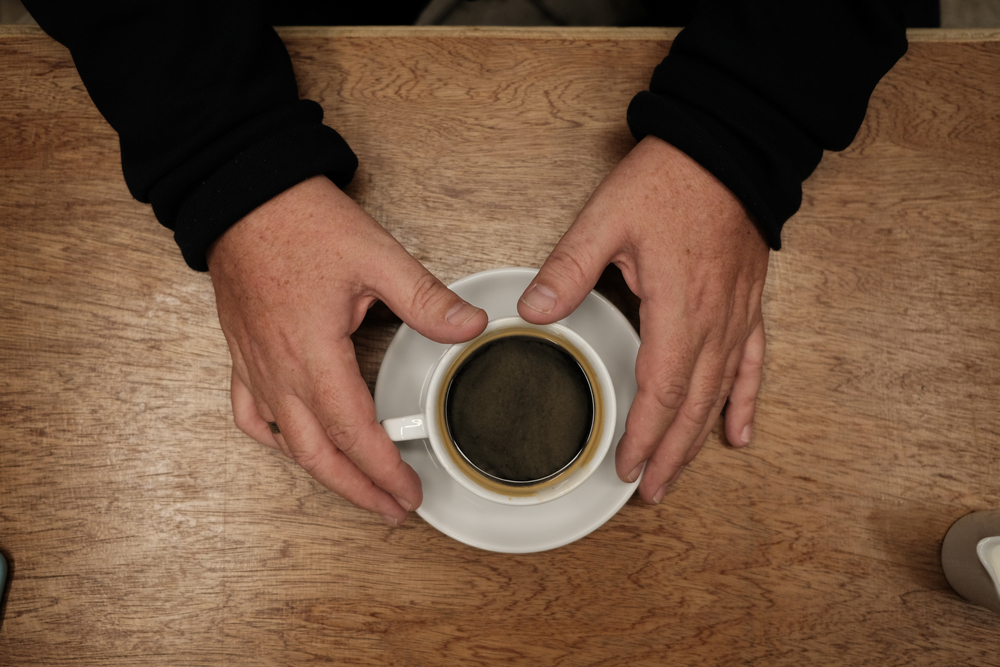
Image credit: Shutterstock
Mornings Are Harder Than They Seem
Heart attacks are more common in the morning, especially just after waking up. That’s when your body releases hormones like adrenaline to get going. This raises heart rate, blood pressure, and even makes blood slightly thicker.
If you already have heart problems, this sudden surge can be risky. Experts recommend taking mornings slowly. Sit up before you stand, stretch, breathe deeply, and move at your own pace. Your body will appreciate the gentler start.
Read More: Doctor Claims These 5 Supplements Are Linked to Heart Attack and Liver Failure
Migraine Pain
Migraines aren’t just bad headaches. They’re part of a bigger problem involving blood vessels. People who get frequent migraines are more likely to face heart or stroke risks. Some migraine drugs also narrow blood vessels, and that adds strain on the heart.
Doctors say managing migraines means looking beyond pain relief. Try regular sleep, hydration, and avoiding food triggers. Controlling migraines doesn’t only help your head, it helps your heart too.
When Sudden Exertion Turns Dangerous
It’s tempting to sprint or lift something heavy after sitting all day. But sudden bursts of effort can shock the heart. The demand for oxygen shoots up fast, and the heart can’t always keep pace.
Cold weather makes this worse since arteries are already tighter. Experts suggest regular, steady exercise instead. Build strength over time so your heart handles effort with ease. Going slow is smarter than pushing too hard at once.

Image credit: Shutterstock
Asthma and the Heart Connection
Asthma mainly affects breathing, but it touches the heart too. Ongoing inflammation can damage blood vessels. Plus, certain asthma medicines can raise blood pressure or sugar levels, adding strain.
The best way to stay safe is simple, follow treatment plans and see your doctor regularly. Managing breathing issues reduces heart risk and keeps your whole body in balance. Your lungs and your heart work together, so caring for one helps the other.
Stressful Events and Disaster Reactions
Natural disasters, big accidents, or emotional trauma hit the body like a storm. Fear and stress flood your system with adrenaline, which can tighten arteries and restrict blood flow.
Hospitals often see a spike in heart attacks right after major disasters. While no one can prevent such events, learning to stay calm can lower the impact. Practicing deep breathing or grounding techniques before crises helps train your body to recover faster.
When Pleasure Has Hidden Risks
Activities like sex or watching a nail-biting sports game can also be an unexpected heart attack trigger. For most people, they’re perfectly safe, but they raise heart rate and blood pressure quickly.
Sex involves physical effort, and emotions can make it intense. Spectator sports, especially tense games, can cause similar adrenaline spikes. Doctors say these are healthy reactions for most, but those with heart problems should listen to their bodies. If you feel dizzy, short of breath, or have chest pressure, get checked out. Excitement and stress are two of the most common causes of heart attacks that people forget about.

How to Protect Yourself
While you can’t control everything, awareness gives you power. Here are small habits that protect your heart every day.
- Sleep well. Aim for 7 to 8 hours each night.
- Stay active. Exercise moderately and build strength slowly.
- Eat smart. Choose balanced meals instead of heavy feasts.
- Handle emotions. Use deep breathing or mindfulness to reduce stress.
- Limit caffeine and alcohol. Both in moderation keep your rhythm steady.
- Watch the weather. Move carefully during extreme heat or cold.
- Check pollution reports. Avoid heavy outdoor activity when air quality is poor.
Small changes create big improvements over time. Prevention doesn’t have to be complicated. These actions can help you avoid some of the most unexpected heart attack triggers hiding in daily life.
Knowing When to Get Help
Heart attack signs can differ for everyone. The classic symptoms include chest pain, pressure, or pain spreading to the arm or jaw. But some people feel nausea, fatigue, or shortness of breath instead.
If you ever feel these warning signs, don’t wait. Call for emergency help right away. Acting fast saves lives and limits damage. It’s always better to be cautious than regret waiting.
Final Thoughts
Heart attacks aren’t only caused by bad diets or old age. Sometimes they happen because of simple, daily things. A restless night, a strong emotion, a big meal, or even a cold morning can push your heart harder than you realize.
Recognizing these heart attack triggers can help you make small, meaningful changes. Listen to your body, slow down when needed, and care for your heart like the vital friend it is.
Read More: 4 Warning Signs Your Body Gives You Right Before a Heart Attack