
Plant-based medicines have played an integral part in society’s healthcare and wellness for thousands of years. Estimates from the World Health Organization indicate that approximately 80% of the world’s population still relies on traditional plant-based medicinal care. Cannabis has been used in traditional medicinal and cultural rituals for millennia.However, cannabis still remains illegal in many regions of the world, but there are compounds in plants that grow all around us that can mimic some of cannabis’s effects, albeit they are non-psychoactive and generally less potent. Phytocannabinoids, which are produced by plants, and endocannabinoids, which are produced by the body, both interact with your body’s systems in similar ways.
There are over 1,000 different types of cannabinoids. They are mainly divided into two types: exogenous and endogenous cannabinoids (from outside vs. made inside your body). Phytocannabinoids are exogenous cannabinoids that are plant-derived and include cannabis compounds such as THC and CBD. Endogenous cannabinoids, also known as endocannabinoids, are produced by the body and include compounds such as anandamide and other N-acylethanolamines (NAEs).
These compounds engage with CB1 or CB2 receptors found in your body. CB1 and CB2, the cannabinoid protein receptors, along with mammalian-produced endocannabinoids, make up the endocannabinoid system (ECS). The endocannabinoid system controls homeostasis and maintains your body and brain health. Endocannabinoids are signaling molecules made from lipid precursors. They activate cannabinoid receptors throughout your body naturally.
For individuals living in regions where cannabis remains illegal, another option exists. People interested in supporting endocannabinoid activity without THC’s psychoactive effects have alternatives. Many common spices, herbs, and plants, found in your local supermarket, contain cannabinoid-like or cannabimimetic compounds that interact with the same receptors or pathways as cannabinoids. While these non-cannabis plants do not contain true cannabinoids, they may mimic certain effects and could hold potential for wellness support. We’re not suggesting these have the same therapeutic effects as THC or CBD, but they do highlight that other natural sources of similar compounds exist and deserve exploration.
The Endocannabinoid System: Your Body’s Regulatory Network
Scientists identified several important chemical compounds called cannabinoids between 1930 and 1960. They discovered delta-9 tetrahydrocannabinol (THC), cannabidiol (CBD), cannabigerol (CBG), cannabichromene (CBC), cannabidivarin (CBDV), and tetrahydrocannabivarin (THCV) within cannabis plants. These discoveries laid the foundation for understanding cannabinoid biology and function. Between 1988 and 1992, researchers made another breakthrough, discovering cannabinoid receptors in mammals. They identified CB1 and CB2 receptors that respond to cannabinoids specifically. These receptors trigger bodily responses when cannabinoids bind to them.
This discovery raised important questions about the natural production of mammalian endocannabinoids. Scientists questioned whether mammalian tissues produce substances activating these receptors independently. They wondered if receptors only respond to plant-derived or synthetic cannabinoids specifically.
In 1992, researchers discovered the first mammalian-produced endocannabinoid, arachidonoylethanolamide. They named it anandamide, derived from the Sanskrit word for bliss, ananda. Your brain synthesizes anandamide in regions involved in memory, movement, reward, and motivation. This molecule influences pain modulation, appetite, and fertility, and has shown the ability to inhibit the growth of certain cancer cells in laboratory studies. Together, CB1 and CB2 receptors interact with your body’s endocannabinoids to form the endocannabinoid system.
These receptors are spread throughout the entire human body. CB1 receptors are concentrated most densely in your central nervous system and brain but also exist in other tissues and peripheral organs. CB1 receptor activation creates psychoactive responses from cannabinoids, with THC being the most well-known. CB2 receptors appear in your nervous system, immune system, and gastrointestinal system. Both receptor types exist in organs, glands, muscle cells, fat cells, and immune cells. Cannabinoid receptors outnumber any other receptor system in your body. Researchers suspect that a third cannabinoid receptor awaits discovery, but research is still ongoing.
6 Non-Cannabis Sources of Cannabinoid-Like Compounds
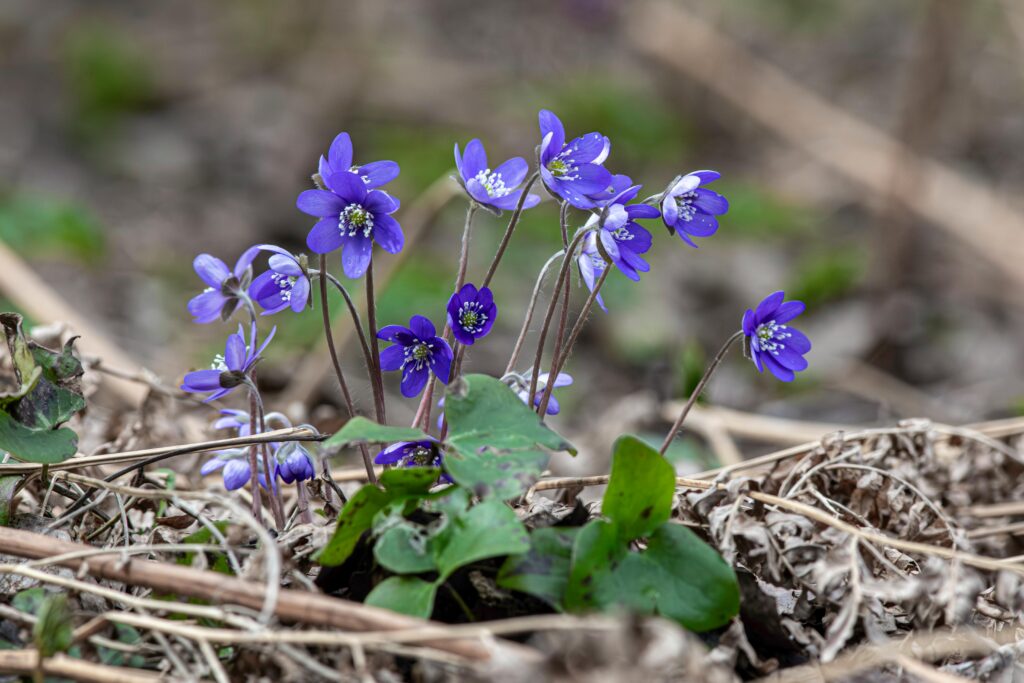
Researchers have been utilizing the ECS for medicinal purposes. They investigated a series of non-cannabis plants that engage with the endocannabinoid system. Beyond cannabis, a variety of plant species generate phytocannabinoids or cannabimimetic compounds directly. This means that these plants mimic the effects of cannabis on the endocannabinoid system. These compounds bind to cannabinoid receptors CB1 and CB2 with specific affinity. Some plant compounds modulate endocannabinoid system enzymes rather than binding receptors directly. This important distinction explains why non-cannabis plants produce therapeutic effects despite lacking true cannabinoids. True cannabinoids exist exclusively in cannabis plant species.
Other non-cannabinoid based plants that engage with the ECS are being investigated by researchers for their medicinal purposes. These cannabimimetic compounds can be found in many household spices, herbs and plant-based matter. Many of these plants have already been used traditionally for thousands of years for their benefits and include cocoa, hops, liverwort, black pepper, helichrysum, electric daisy/spulanthes and coneflower.
1. Cacao (Theobroma cacao)
Cacao, the primary component in chocolate, was first consumed 2000 – 4000 years ago in Mesoamerica. Chocolate has long been revered for its health benefits, which include mood enhancement, pain alleviation, anti-oxidant, aphrodisiac and stimulant properties. It does not, however, contain any phytocannabinoids nor has any cannabimimetic effects but is praised for its enhancement of THC’s effects.
While it has long been thought that cacao contains anandamide, the amount is negligible to have any significant effects. Their effect is also limited due to its lack of bioavailability within the digestive system. Instead, cacao contains N-oleoyl ethanolamine and N-linoleoyl ethanolamine which inhibit the anandamide-breaking enzyme FAAH. Anandamide from chocolate binds to the same cannabinoid receptors that THC targets. These fatty acids then indirectly engage with the ECS through the prevention of the breakdown of anandamide naturally produced in the brain.
2. Black Pepper (Piper nigrum)
Black pepper contains beta-caryophyllene which is one of the most abundant cannabinoid-like compounds available in non-cannabis plants. Beta-caryophyllene is a type of terpene that is contained in black pepper, cloves, basil, oregano, hops, and cinnamon. Beta-caryophyllene selectively activates your CB2 receptor, and is also in cannabis. A 2012 study demonstrated that β‑caryophyllene could be used as ‘a potential therapeutic strategy,’ helping reduce kidney dysfunction and inflammation in a model of chemotherapy-induced nephrotoxicity.
Beta-caryophyllene also binds to CB2 receptors without causing the psychoactive effects associated with THC. Pepper also contains a fatty acid, guineensine, which behaves as an endocannabinoid uptake inhibitor, providing its purported health benefits. Beta-caryophyllene gained FDA approval as a flavoring and fragrance agent in foods and cosmetics. Your body recognizes this compound as safe through extensive research and testing.
3. Echinacea (Echinacea purpurea)
Echinacea purpurea (coneflower) is a popular herbal remedy used today for ADHD, chronic fatigue syndrome, migraines and chronic pains amongst other health benefits. It contains fatty acid-derived N-alkyl amides that act in a cannabimimetic way, especially at CB2 receptors tied to immune balance and inflammation control in humans. These NAAs are most concentrated in the roots and also appear in aerial parts, and their levels and effects can change with species, plant part, and extraction methods used for tinctures or capsules. Researchers identify specific isobutylamides as key drivers of CB2 activity, and this CB2 focus helps explain echinacea’s immune-support reputation without THC-like intoxication.
Laboratory and translational studies show Echinacea NAAs bind and activate CB2, which can modulate immune response, including cytokine patterns and inflammatory mediator output in human immune cells. These studies report reductions in nitric oxide and pro-inflammatory molecules, and changes in COX-related prostaglandin E2, findings that align with anti-inflammatory potential through CB2-linked pathways rather than CB1 psychoactivity. In some models, combining root and aerial extracts produces superadditive CB2-dependent calcium signaling, suggesting synergy among NAAs present in whole-plant preparations.
Echinacea NAAs differ structurally from classical cannabis compounds like THC and CBD and tend to prefer CB2 over CB1. This places their effects in immune modulation rather than central intoxication as observed with cannabis. THC’s strong CB1 activity drives psychoactive effects, while CBD shows broad multi-target actions across receptors and enzymes. By contrast, echinacea NAAs demonstrate CB2-biased activity with limited CB1 engagement. Early human-oriented findings and neurophysiological observations suggest NAAs can affect pain and ion channel function without THC-like euphoria.
4. Liverwort (Radula marginata)
Radula marginata is a small New Zealand liverwort that produces perrottetinene, a bibenzyl cannabinoid compound. This compound resembles THC in structure but shows less psychoactive intensity overall. Perrottetinene binds to CB1 receptors, the brain’s main cannabinoid receptor, in preclinical research. Scientists call this rare plant a unique non-cannabis source of actual cannabinoid compounds. The liverwort also makes related molecules, including a CBD-like compound and a CBG-like bibenzyl substance.
IIn mouse studies, cis-PET crosses the blood-brain barrier and triggers cannabinoid effects through engaging with CB1 receptors. Researchers observed analgesia, which means reduced pain sensation, and hypothermia, meaning lower body temperature. Catalepsy and decreased movement also appeared, matching the classic cannabinoid profile observed in laboratory settings. These findings confirm that PET functions as a moderate CB1 agonist in controlled experiments. Importantly, PET reduces certain brain prostaglandins linked to some THC side effects negatively.
Perrottetinene shares very close similarities to THC’s core molecular structure but differs in stereochemistry and side-chain arrangement. This structural difference reduces its CB1 potency compared directly with delta-9-THC in animals. PET produces pain relief and temperature reduction similar to THC but with fewer negative prostaglandin-linked effects. Researchers view PET as a possible template for future medicines, balancing therapeutic benefit with tolerability. The endocannabinoid system research gains new insights from studying this unique liverwort compound.
Read More: In a Surprising Discovery, Scientists Identify Cannabidiol in a Non-Cannabis Brazilian Plant
5. Helichrysum (Helichrysum italicum)
Helichrysum italicum is an aromatic herb in the daisy family with reported cannabinoid-like activity. CBG, a non-intoxicating phytocannabinoid found in cannabis, appears in helichrysum’s essential oil fractions. This plant may produce CBG-type molecules through biological pathways different from cannabis entirely. Researchers have noted that Helichrysum umbraculigerum also produces cannabinoids in its leaf tissue uniquely. This convergent evolution suggests multiple plant families can create cannabis-like compounds independently.
CBG shows promise for mood support in early laboratory research and animal model tests. This compound interacts with serotonin receptors, which regulate emotional stability and stress response directly. CBG also influences TRP channels and endocannabinoid enzymes, affecting mood and resilience. Helichrysum extracts containing CBG-type chemistry may support calm and emotional balance safely. Human studies remain limited, so researchers continue investigating CBG’s specific role in mood regulation.
CBG does not strongly trigger CB1 receptors, so it lacks intoxicating effects normally. Unlike THC, CBG cannot produce the “high” associated with cannabis use. Its pharmacology extends beyond simple receptor binding, involving multiple molecular pathways. CBG influences anandamide uptake, which can raise your natural endocannabinoid levels. Compared with CBD, CBG remains less studied in humans, requiring more controlled clinical trials.
6. Flax Seeds (Linum usitatissimum)
Flax seeds contain bioactive lipids and phenolic compounds influencing inflammatory and endocannabinoid pathways. These compounds mimic CBD’s actions rather than producing actual cannabinoid molecules themselves. The seed’s omega-3 alpha-linolenic acid content supports anti-inflammatory signaling throughout your body. Flax bioactives modulate endocannabinoid system enzymes through nutrition rather than direct receptor activation. This distinction means flax influences your ECS indirectly through dietary support mechanisms.
Flaxseed components reduce inflammatory markers throughout your body through multiple mechanisms. Evidence shows these compounds support antioxidant defenses and dampen pro-inflammatory signals effectively. Your body’s endocannabinoid system benefits from flax’s ability to shift lipid metabolism patterns. By changing your membrane lipid composition, flax can influence endocannabinoid substrate availability. These dietary effects align with flax seed’s broader cardiovascular and metabolic health benefits.
Flax does not contain THC or CBD through its own biological processes. Components in the plant cannot directly activate CB1 or CB2 cannabinoid receptors on its own. Instead, flax delivers CBD-like effects through modulating inflammatory enzymes and oxidative stress. This nutritional approach supports endocannabinoid balance safely without intoxication or receptor-driven side effects. Flax represents a dietary complement to your endocannabinoid system without containing actual cannabinoids.
Cannabinoid-Like Compounds Beyond Cannabis
Non-cannabis plants offer legal, natural ways to support your endocannabinoid system, without the high. Black pepper, echinacea, liverwort, helichrysum, flax, and cacao contain unique cannabinoid-like compounds, but their effects are milder and not the same as THC or CBD from cannabis. Research is still uncovering how these compounds interact with CB1 and CB2 receptors, so while they may possibly help your body stay balanced and healthy, their impact is more subtle. Knowing about these plants lets you explore ECS support safely, legally, and with realistic expectations.
Disclaimer: This information is not intended to be a substitute for professional medical advice, diagnosis or treatment and is for information only. Always seek the advice of your physician or another qualified health provider with any questions about your medical condition and/or current medication. Do not disregard professional medical advice or delay seeking advice or treatment because of something you have read here.
AI Disclaimer: This article was created with AI assistance and edited by a human for accuracy and clarity.
Read More: Scientists Warn of Rising Cannabis Potency and Health Risks