
In 1951, a young Black woman named Henrietta Lacks walked into Johns Hopkins Hospital with a pain that changed the world. She had no clue that her own body carried the secret to one of science’s biggest discoveries. Her cells, taken without permission, became the first immortal human cell line known as HeLa cells.
Her story is one of pain and progress, of a life that ended too soon but helped millions live longer. What happened to Henrietta Lacks forced medicine to look at itself and ask hard questions about right and wrong.
A Life of Strength and Struggle
Henrietta Lacks was born on August 1, 1920, in Roanoke, Virginia. Her mother died giving birth to her tenth child, leaving the family scattered among relatives. Henrietta grew up in a small wooden cabin that once housed enslaved people on her grandfather’s tobacco farm.
She was described as confident, with a warm smile and a love for bright red nails. She married her cousin, David “Day” Lacks, and together they had five children. The family later moved to Turner Station, a small working-class community near Baltimore.
Life was never easy, but Henrietta didn’t complain much. She cared deeply for her children and worked hard to hold things together. Then one day in 1951, she began feeling something strange. It was a pain deep in her abdomen, what she called a “knot” inside her womb.
At that time, Johns Hopkins Hospital was one of the few places where Black patients could receive care. That’s where she went, not knowing how much her life was about to change.
Life Before the Hospital Visit
Before the sickness took over, Henrietta’s world was simple but full. She spent her days cooking for her family, tending to her small garden, and keeping her children in line with a firm but loving hand. Neighbors remembered her as cheerful and generous, always ready to share food or offer help to anyone who needed it. She was known to dance barefoot in her kitchen when her favorite songs played on the radio.
Faith was a big part of her life. On Sundays, she dressed her kids in their best clothes and walked them to church. She believed in doing good, even when life was hard. Those who knew her said she had a strength that made other people feel safe around her. In a world that often ignored women like her, Henrietta carried herself with quiet dignity.
The Diagnosis That Changed Everything
Doctors found a malignant tumor on Henrietta’s cervix. She had cervical cancer, an illness that was difficult to treat in those days. They began radium therapy, which was considered cutting-edge at the time, but it came with harsh side effects.
During one of her treatments, doctors took two tissue samples from her cervix, one from the tumor and another from healthy tissue. Henrietta was never told about it. She didn’t sign anything. Back then, consent wasn’t something doctors talked about much, especially not with poor or Black patients.
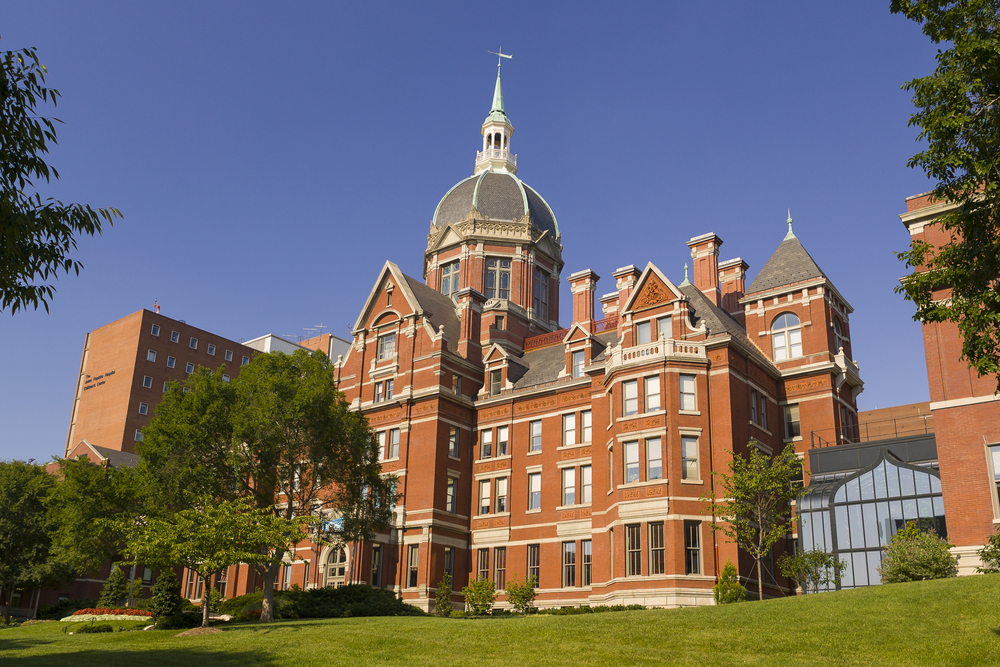
At Johns Hopkins, wards were still racially segregated. Black patients were treated in separate areas, often with fewer resources and less attention. The environment made it clear that some lives were valued differently from others. Even while undergoing painful treatments, Henrietta kept caring for her children. Family members later said she hid her suffering so her kids wouldn’t worry.
Those samples were sent to Dr. George Gey, a scientist who had been trying to grow human cells outside the body for years. Usually, the cells would die after a few days. But not Henrietta’s.
The Birth of the Immortal Cells
In Dr. Gey’s lab, Henrietta’s cancer cells did something extraordinary. They didn’t die. Instead, they kept multiplying at a fast pace, doubling in number every day. It was unlike anything he had ever seen.
He named them HeLa, taking the first two letters of her first and last names. For scientists, this was revolutionary. For the first time ever, they had human cells that could live and grow forever under the right conditions.
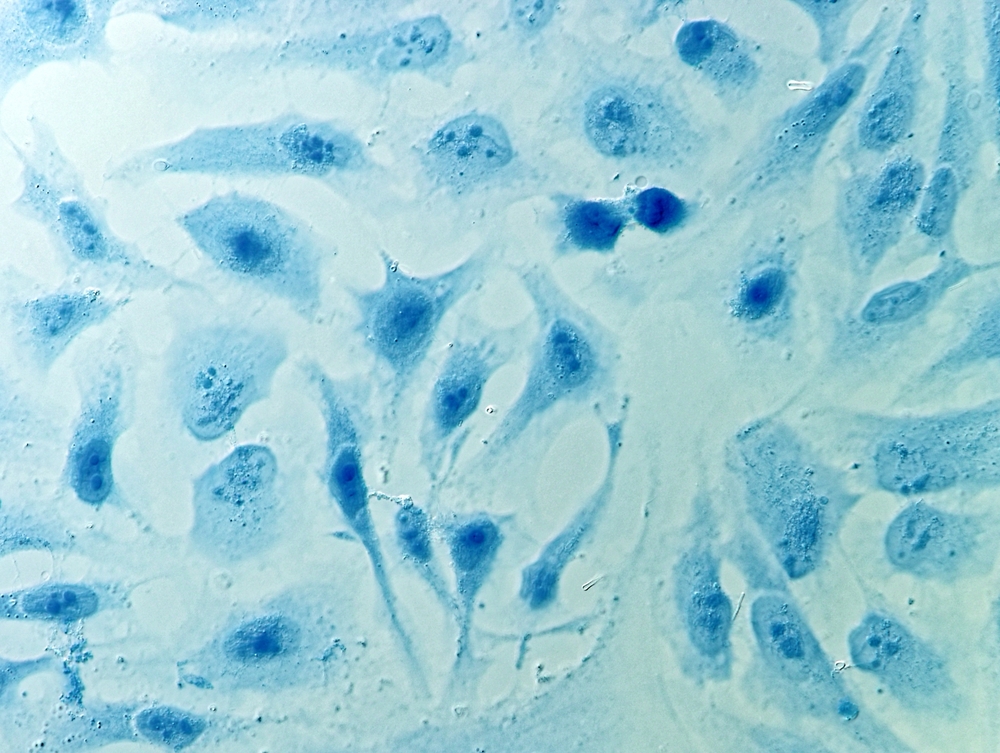
Dr. Gey began sharing the HeLa cells with other researchers. Soon, they spread to labs all over the world. Without even knowing it, Henrietta had given science its most powerful research tool.
A Medical Miracle Emerges
The HeLa cell line changed everything. It became a cornerstone of modern medicine, used to test vaccines, study cancer, and explore how cells behave.
HeLa cells helped develop the polio vaccine, supported cancer research, and later contributed to HIV and COVID-19 vaccine work. They even went into space to see how human cells react in zero gravity.
From radiation studies to genetic mapping, Henrietta’s cells opened doors to discoveries that shaped the world we live in. Scientists called them immortal. But the woman behind them was forgotten.
How HeLa Cells Changed Medicine Forever
The HeLa cell line didn’t just change science; it reshaped it. For the first time, researchers could test theories without risking human life. HeLa cells were used in the creation of the polio vaccine, which saved millions of children during the 1950s. They also played a role in studying how cancer cells multiply and mutate, helping scientists understand how tumors grow and spread.
In the decades that followed, HeLa cells became part of major breakthroughs. They were used to develop treatments for herpes, Parkinson’s disease, leukemia, and tuberculosis. Scientists tested how cells react to radiation, toxins, and even outer space. HeLa cells were aboard early space missions, including those sent before human astronauts.
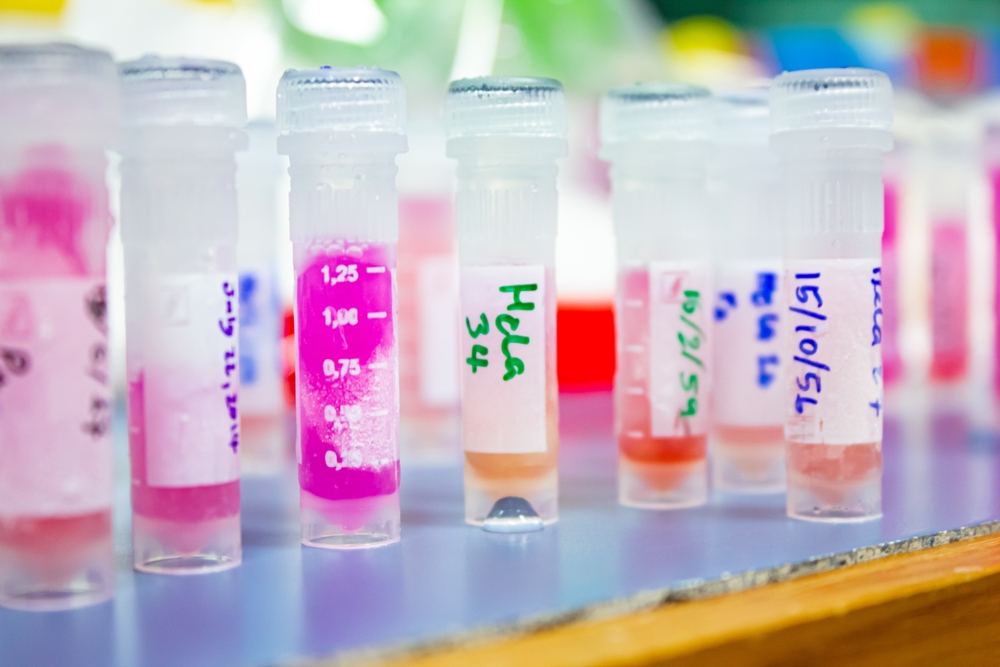
In recent years, they’ve been used to study viruses like Zika, Ebola, and COVID-19. Pharmaceutical companies rely on HeLa cells to test new drugs before they ever reach patients. These cells became so important that entire industries formed around their production. Without them, modern medicine would look very different today.
The Lacks Family Left Behind
Henrietta Lacks died on October 4, 1951, only months after her diagnosis. She was buried in an unmarked grave in Clover, Virginia. Her husband and five children mourned her without ever knowing that part of her was still alive, dividing endlessly in labs.
For more than two decades, the Lacks family had no idea what had happened. Then, in the 1970s, scientists started contacting them to take blood samples. They wanted to study the family’s DNA to better understand the HeLa cells. The family didn’t understand why. Some thought Henrietta was still alive in a laboratory somewhere.
By then, HeLa cells had become a global phenomenon. Companies sold them by the billions, generating huge profits. Yet Henrietta’s family could barely afford medical care. The irony wasn’t lost on anyone.
Her children would later say they felt confused and betrayed. Their mother had helped the world, but no one had helped them.
Ethics and Injustice
Henrietta’s story forced medicine to face some uncomfortable truths. In the 1950s, it wasn’t unusual for doctors to use human tissue without asking. But in her case, it highlighted how systemic racism and inequality shaped medical practices.
Johns Hopkins was one of the few hospitals that treated Black patients, but it also conducted research that often lacked consent. Henrietta’s case became a symbol of how power and privilege could distort science.
Her cells built a foundation for modern medicine, but her family’s pain built the conversation about ethics, race, and justice in research.
The Rise of Consent and Accountability
After her story became public, medicine changed. The field of bioethics emerged to protect patients’ rights. Hospitals began requiring informed consent, meaning no one could use tissue samples without permission.
But the controversy didn’t end there. In 2013, researchers published the complete HeLa cell genome online. The Lacks family wasn’t asked for approval. The genome could reveal private genetic information about Henrietta’s descendants.
There was outrage once again. Soon after, the National Institutes of Health reached an agreement with the family. Scientists would need permission to access HeLa genetic data, and family members would have a say in who used it.
It was a small but important step, giving Henrietta’s descendants a voice that had been denied for decades.
The Fight for Justice
In 2021, seventy years after Henrietta’s death, her family decided to take their fight further. They filed lawsuits against companies that had profited from HeLa cells. One of the biggest was against Thermo Fisher Scientific, a corporation that sells HeLa cell products.
The family argued that the company had made millions from cells taken without consent. In August 2023, Thermo Fisher agreed to a confidential settlement with the Lacks estate. It marked the first real financial acknowledgment of what had been taken.
Encouraged by that victory, the family filed more lawsuits in 2024 against Novartis, Ultragenyx, and Viatris. They are still fighting for fairness, not just for themselves but for anyone whose body has ever been used without permission.
Honoring Henrietta’s Legacy
These days, Henrietta Lacks is no longer invisible. Her name is etched in museums, hospitals, and classrooms around the world.
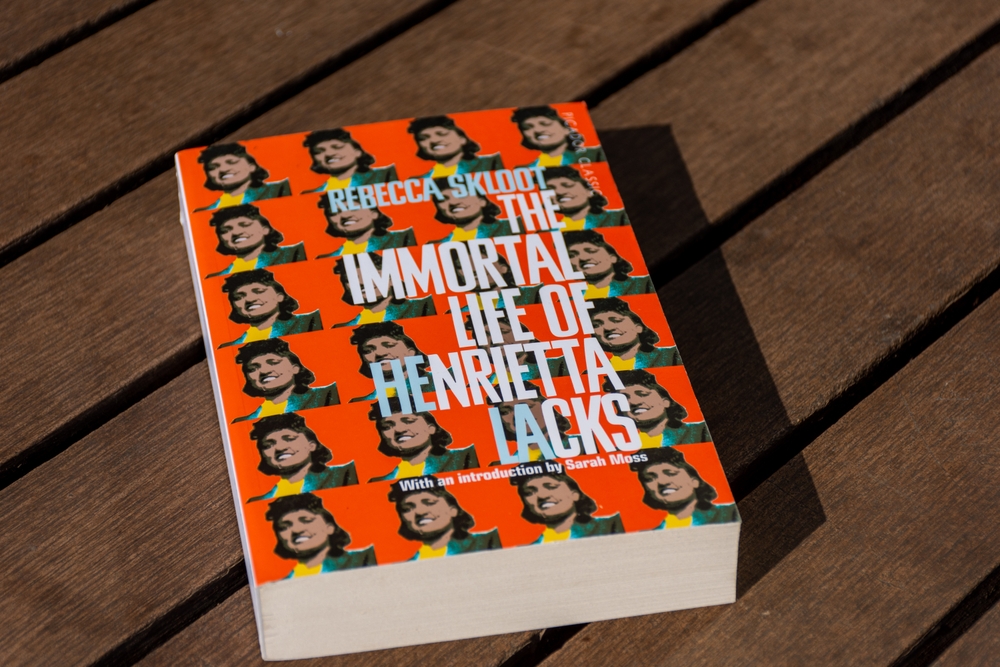
In 2010, the book The Immortal Life of Henrietta Lacks by Rebecca Skloot told her story to millions. Later, Oprah Winfrey starred in the movie version, playing Henrietta’s daughter Deborah Lacks, who spent her life trying to learn the truth about her mother.
In 2021, the World Health Organization honored Henrietta for her contribution to science. The U.S. Congress followed, passing resolutions in her name. Johns Hopkins, once criticized for its role, built a statue in her memory and publicly acknowledged its responsibility.
Even NASA named a satellite after her, ensuring her name continues to orbit above the world her cells helped heal.
The Public Reaction and Cultural Impact
Henrietta’s story did more than change science; it changed society. When her story became widely known, it sparked national discussions about consent, racism, and the rights of patients. For many, she became a symbol of the struggle for fairness in medical research.
Schools began teaching her story as part of ethics and history lessons. Museums created exhibits to honor her life and the impact of her cells. Artists, writers, and activists started using her name to raise awareness about medical inequality.
The book and film about her life opened difficult conversations in households across the world. People started asking who benefits from scientific progress and who gets left behind. Her story reminded everyone that behind every experiment lies a person with a name, a family, and a story.
In modern discussions about genetic privacy and data ownership, her case is often mentioned. As technology advances, new ethical challenges keep emerging, from DNA databases to artificial intelligence in healthcare. Henrietta’s story remains a moral compass that guides how science should handle human material with respect.
The Human Side of Science
The story of Henrietta Lacks shows that behind every medical breakthrough, there’s a human being. Her cells went places she never dreamed of. They’ve helped test cures, create vaccines, and shape our understanding of life itself.
But her story also shows how easily people can be forgotten when science moves too fast. It reminds us that respect and empathy matter as much as discovery.
Henrietta didn’t choose to change the world, yet she did. And because of her, science learned something more valuable than immortality, humanity.
Read More: Lessons From Dietrich Bonhoeffer: Why Stupidity Can Be More Threatening Than Evil
Lessons for the Future
Henrietta’s legacy continues to guide medical ethics today. Her story is not just a moment in history, it’s a living reminder of what happens when science forgets the people behind the data.
First, patients deserve respect and transparency. Informed consent is more than a signature on a form, it’s about understanding and trust. Every patient has a right to know how their samples will be used, whether for study, teaching, or research. The system must protect those rights equally, regardless of race, class, or background. The case of Henrietta Lacks continues to be used in medical schools as a teaching tool about what ethical care should look like.
Second, equality in medicine matters. The Lacks family’s involvement in scientific decision-making shows that inclusion is not just symbolic, it’s necessary. Communities that once had no voice in science now deserve a seat at the table. Representation leads to fairer outcomes and helps rebuild the trust that was broken by decades of exploitation and exclusion.
Third, progress should benefit everyone. Companies that profit from human tissue owe acknowledgment to the people who made that progress possible. Henrietta’s case started a wider conversation about benefit sharing, the idea that medical advancements should give something back to the communities or individuals they come from. It’s not always about money; sometimes it’s about education, recognition, or community health programs that honor the people behind the discovery.
Finally, her story teaches compassion. Science can’t just measure success in data or results. It must also measure how it treats the human beings who make those discoveries possible. Henrietta Lacks reminds us that every cure, every vaccine, and every experiment begins with someone’s story, and those stories deserve to be treated with care.
HeLa’s Living Legacy
Even today, HeLa cells are part of nearly every branch of modern medicine. They’re used in cancer research, drug development, and gene editing. Their strength and adaptability continue to make them invaluable to scientists everywhere.
This time, though, her story is told alongside the research. Labs handle HeLa cells with care and respect. Consent, transparency, and fairness guide every new project involving her immortal cell line.
Her cells still save lives every day, but now, her name and story live beside them.
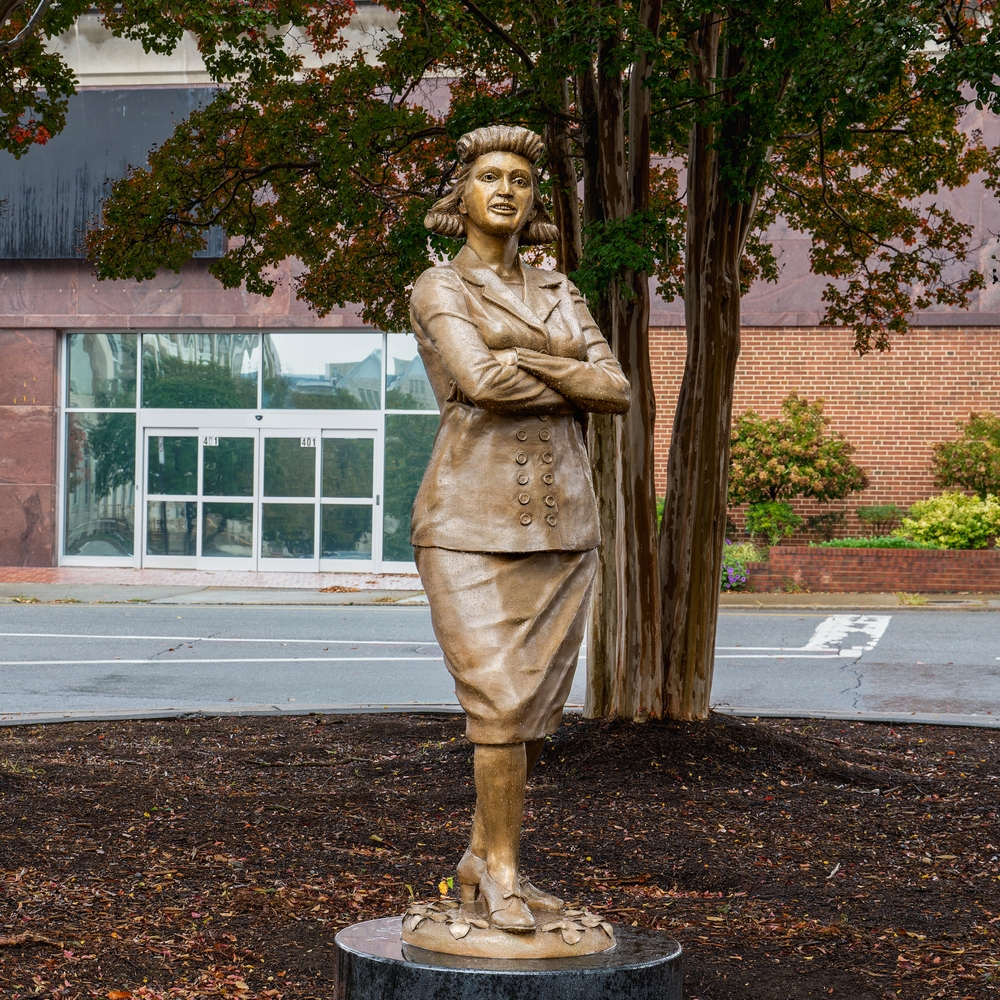
Image credit: Shutterstock
Closing Thoughts
Henrietta Lacks gave the world something no one else ever had. Her story is both inspiring and tragic, a mix of discovery and injustice. Today, she stands as a reminder that progress should never silence humanity.
Henrietta’s cells continue to divide, grow, and heal, but her influence stretches even further. Through her, medicine found its conscience.
Lead Image Credit: Shutterstock / Henrietta Lacks (c. 1945–1951). Photo courtesy of Wikimedia Commons, licensed under CC BY-SA 3.0.
Read More: FBI, CIA, and NYPD Being Sued By Malcolm X’s Family Over His Murder