
Seafood is often promoted as a superfood, yet not every catch belongs on your plate. Some species carry high levels of mercury and industrial pollutants that can slowly build up in the body. Others are victims of unsustainable fishing practices, leaving ocean ecosystems struggling to recover. Even popular farmed fish sometimes raise concerns because of crowded pens, antibiotics, and questionable water quality. Eating fish can absolutely support heart and brain health, but only if the right species are chosen. By skipping certain varieties, you protect yourself from toxins while also supporting healthier oceans. With better awareness, seafood can stay both safe and sustainable for generations to come.
1. King Mackerel: A Mercury Heavyweight
King mackerel is one of the worst fish for mercury contamination, which is why this big guy tops our list of fish you should never eat. This large predator accumulates mercury from the smaller fish it consumes, a process called bioaccumulation. Mercury damages the nervous system and is especially dangerous for pregnant women and children. Regular consumption increases long-term exposure, raising concerns for memory, focus, and coordination. The FDA and EPA specifically advise avoiding king mackerel due to its high mercury levels. While it is still caught and sold, safer choices are widely available. Choosing differently can make a measurable difference for health.
Safer Choices Than King Mackerel
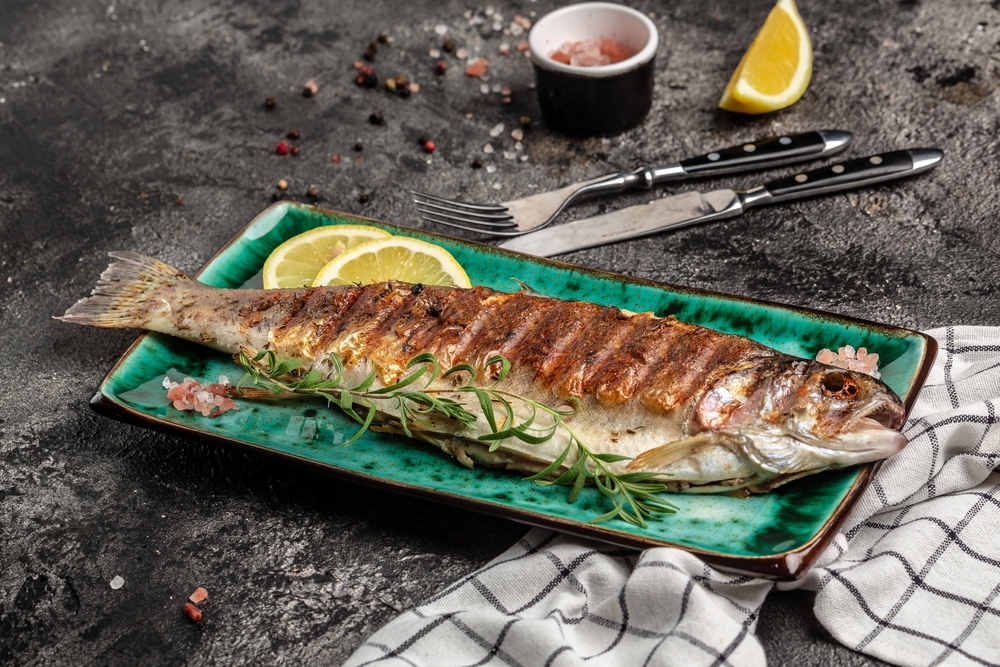
If you enjoy oily fish, salmon and sardines are healthier alternatives that provide omega-3s with much lower mercury levels. Trout is another excellent option, offering similar richness without the contamination risk. Studies show that eating low-mercury fish at least twice a week can support brain and heart health. Farmed salmon, when responsibly raised, is widely available and considered safe. Sardines, being small and low on the food chain, carry minimal toxins and are packed with calcium and vitamin D. These swaps allow you to maintain nutritional benefits while avoiding mercury dangers.
2. Farmed Tilapia: Cheap but Nutritionally Misleading
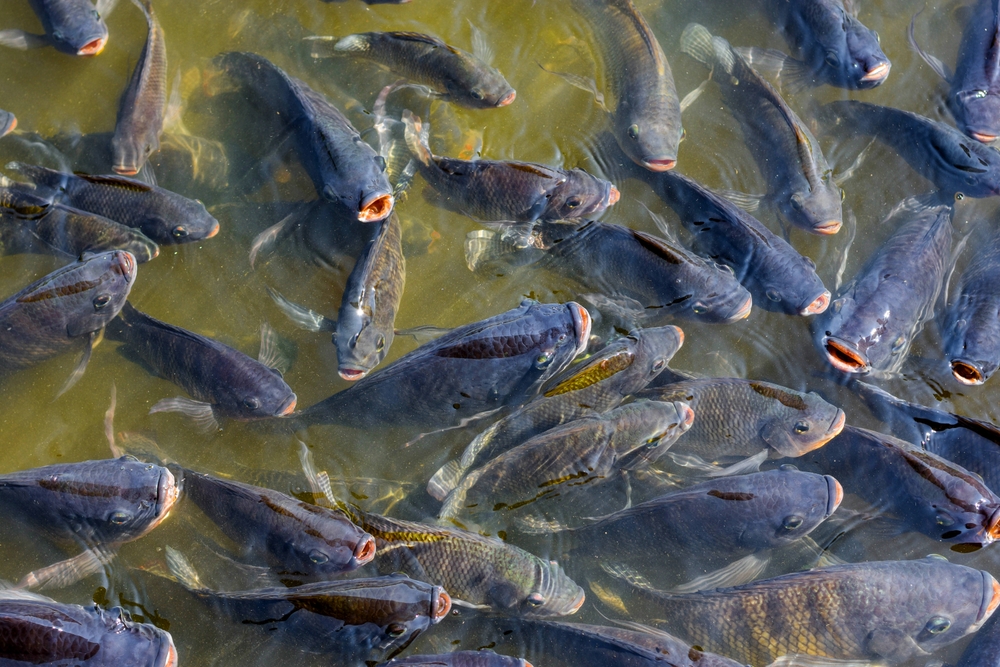
Tilapia is one of the most consumed fish in the world because it’s inexpensive and widely available. But most tilapia is farmed under conditions that compromise its nutritional quality. Studies have found that tilapia contains more omega-6 fatty acids than omega-3s, promoting inflammation instead of reducing it. Poor farming practices can involve the use of antibiotics and overcrowded pens, raising the risk of contamination. Some imports come from countries with less stringent safety regulations, making quality control inconsistent. While tilapia is marketed as healthy, it often does not deliver the same benefits as other fish. Eating it regularly may not support cardiovascular health as intended.
Better Options Than Farmed Tilapia
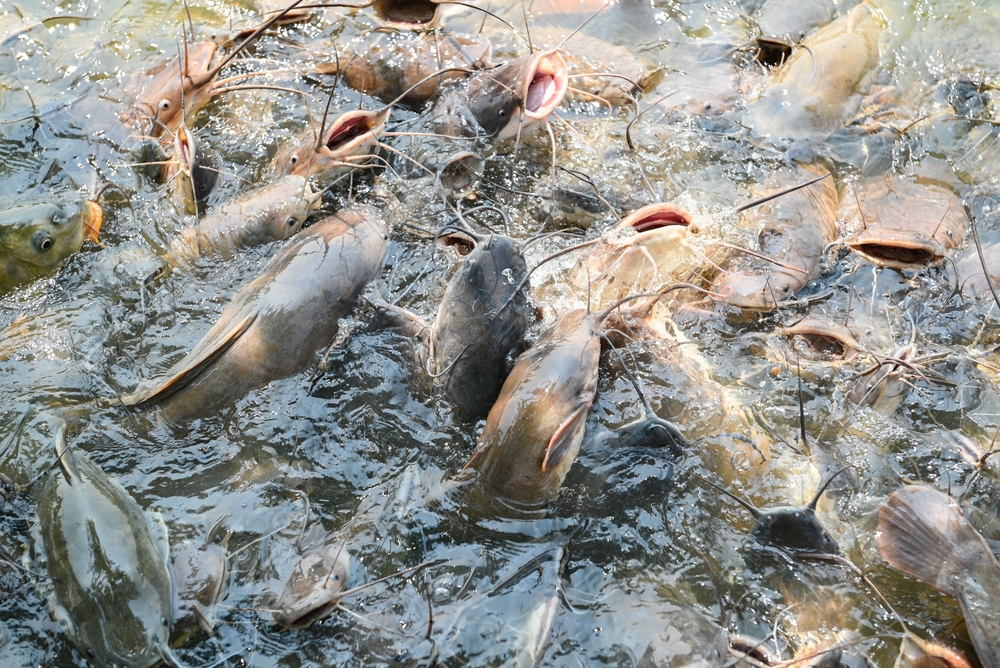
If affordability is important, consider U.S. farmed catfish, which is closely regulated and safer than imported tilapia. Wild-caught Alaskan pollock is another budget-friendly fish that provides good protein with a lower toxin risk. For omega-3s, herring and sardines are superior and have been proven to support cardiovascular health. Choosing wild-caught or responsibly farmed salmon can also balance nutrition without the drawbacks of tilapia. When purchasing, look for certifications such as the Marine Stewardship Council (MSC) label for sustainability. By selecting these alternatives, you can enjoy both nutritional value and peace of mind about sourcing.
3. Orange Roughy: Longevity Comes at a Price
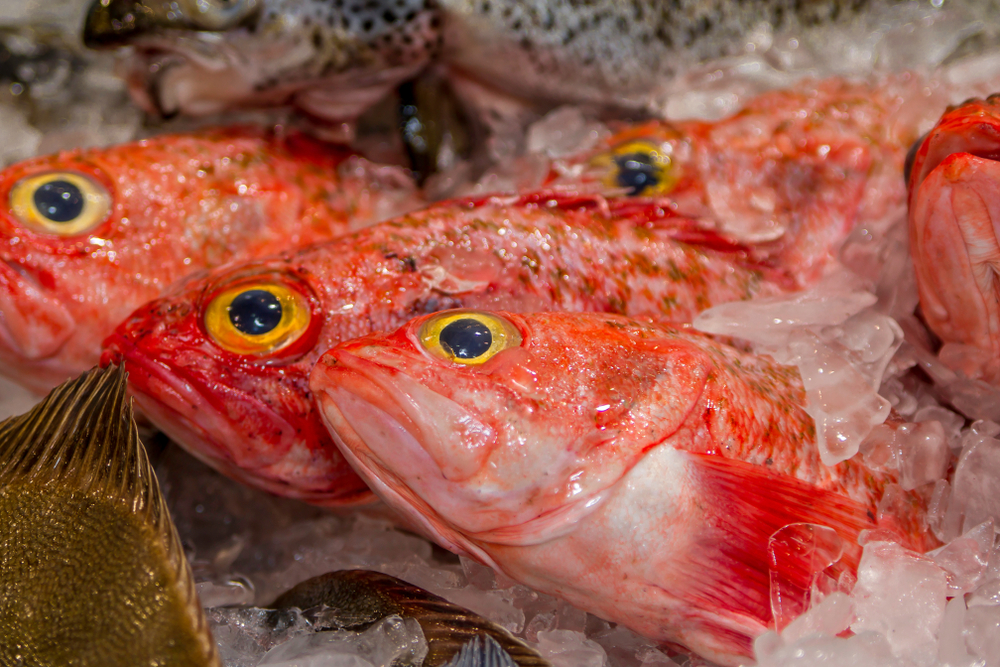
Orange roughy is often marketed as a premium white fish, but its lifespan creates hidden risks. This species can live up to 150 years, which means it accumulates mercury and other toxins for decades. Testing consistently finds high mercury levels in orange roughy fillets. Overfishing is another major concern, as populations have been severely reduced in many parts of the world. Recovery is slow due to the species’ long maturation period. The combination of health risks and environmental strain makes it one of the worst choices on the seafood market. For both personal and planetary health, it’s clear this is one fish you should never eat.
Sustainable Options Over Orange Roughy
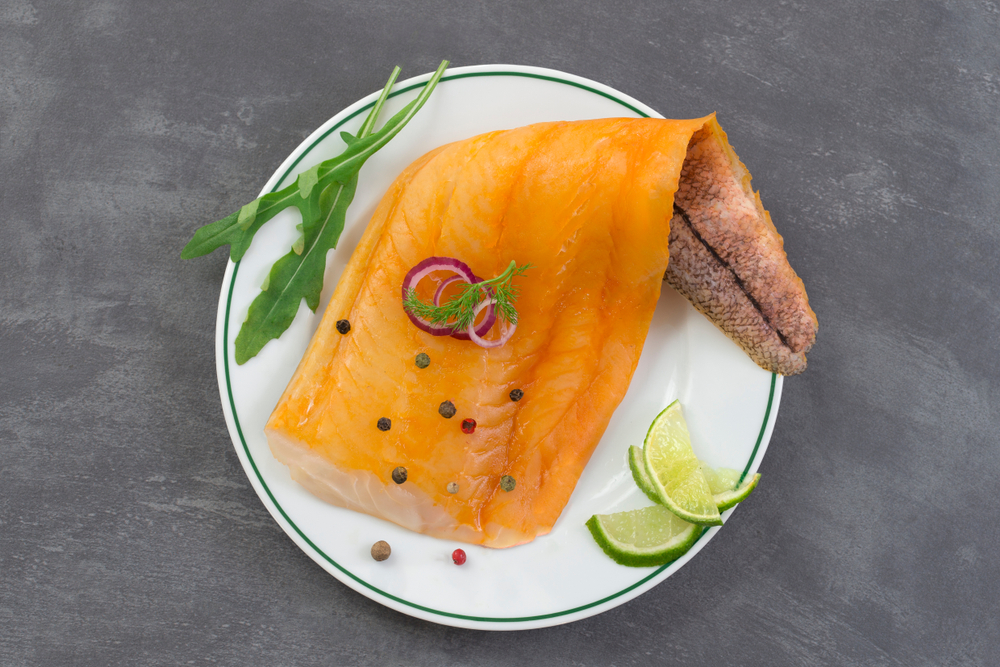
Cod and haddock offer similar mild flavors but are lower in mercury and sourced from more sustainable fisheries. Pacific halibut, when caught responsibly, provides a firmer texture with far less contamination. For recipes that call for white flaky fish, U.S. farmed catfish is another option backed by regulation. Tilapia from certified sustainable farms can also work as a substitute when sourced carefully. These alternatives allow for the same cooking versatility without the downsides of orange roughy. Choosing them helps protect marine ecosystems and reduce toxic exposure.
4. Swordfish: High Mercury Predators
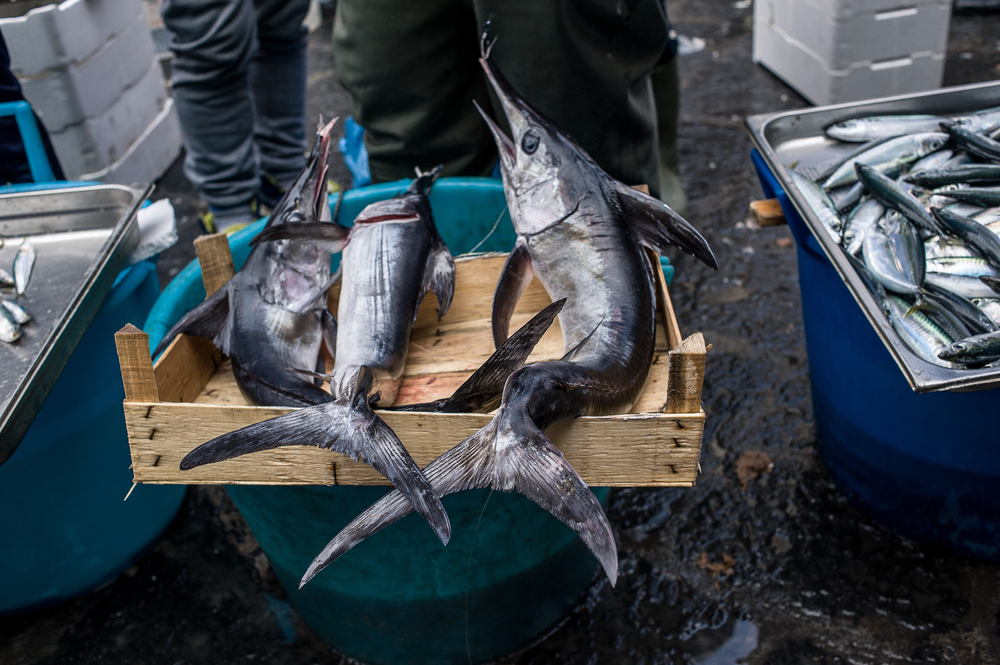
Swordfish are apex predators, meaning they sit at the top of the food chain. Because of this, they accumulate extremely high mercury levels. Consuming swordfish regularly can cause neurological issues, particularly in children and pregnant women. The FDA strongly advises against swordfish consumption for vulnerable groups. Beyond mercury, swordfish populations have faced overfishing in certain regions, making sustainability a concern. While prized for its meaty texture, the risks far outweigh the culinary benefits. Avoiding swordfish is a prudent choice for long-term health.
Safer Alternatives to Swordfish
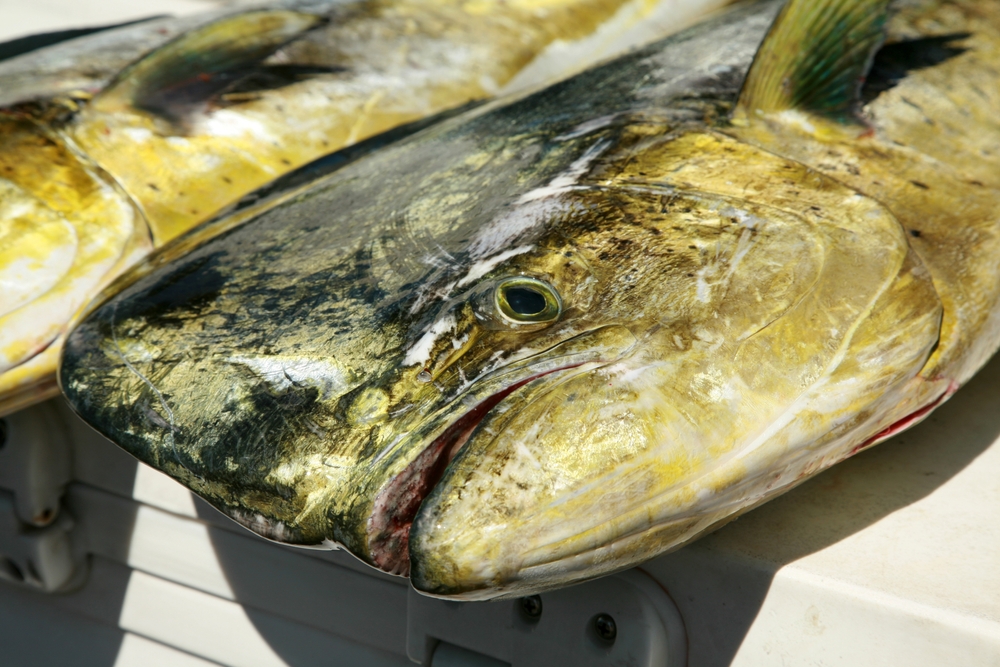
If you like the firm, steak-like texture of swordfish, try mahi-mahi or tuna steaks in moderation. Both provide the dense meatiness without quite the same mercury burden. Arctic char is another excellent choice with a similar richness but much lower contamination levels. For grilling, salmon is versatile and provides far superior omega-3 content. Choosing these alternatives helps protect brain health while offering satisfying flavor. By steering clear of swordfish, you prioritize both health and sustainability.
5. Farmed Salmon: Risk in the Wrong Supply Chain
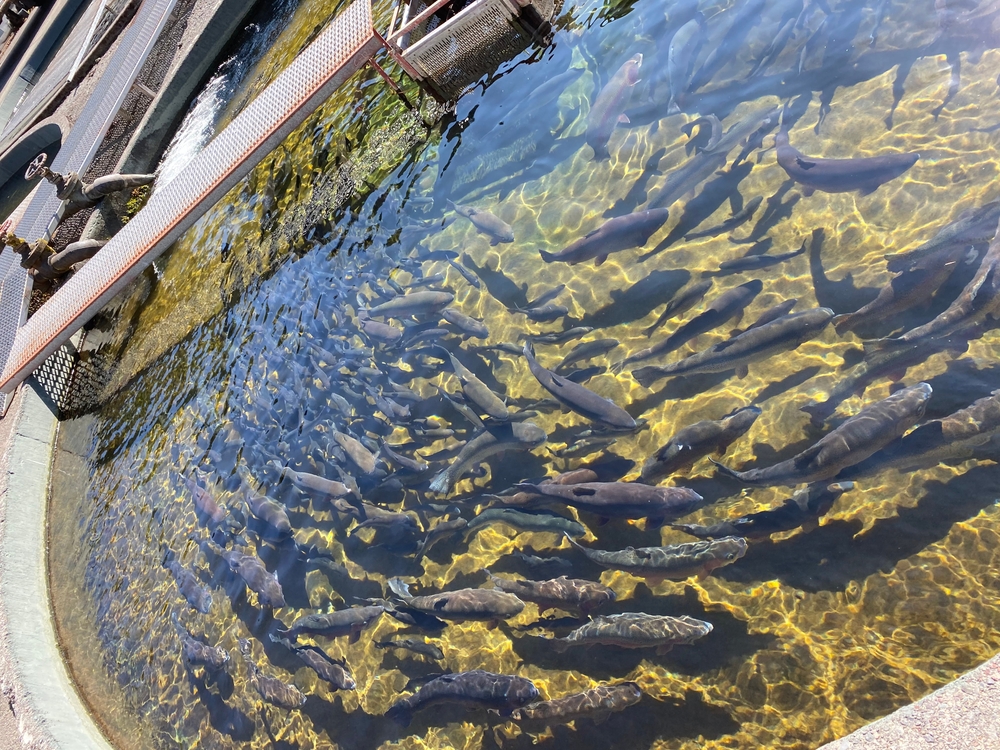
While salmon is often celebrated as a health food, farmed salmon can be problematic. Farms with poor standards have been linked to parasites, pollutants, and antibiotic use. Studies have shown that farmed salmon may contain higher levels of PCBs and dioxins, which are harmful toxins. Imported salmon, especially from unregulated farms, poses the greatest risk. The environmental impact of poorly managed farms includes water pollution and harm to wild salmon populations. While not all farmed salmon is unsafe, sourcing is critical. Consumers should know where their salmon comes from before buying.
Choosing Salmon Safely
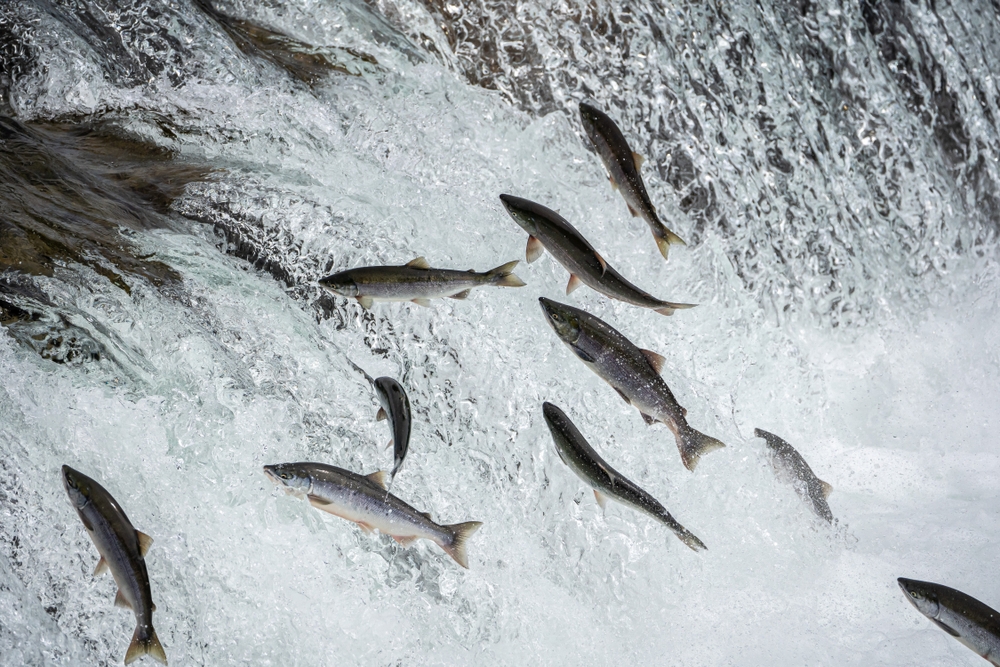
Wild-caught Alaskan salmon is one of the safest and most nutritious seafood choices, rich in omega-3s and low in contaminants. When farmed salmon is labeled responsibly and certified, it can still be safe. Look for Aquaculture Stewardship Council (ASC) certification to identify farms that meet higher standards. Canned wild salmon is another affordable option that retains its nutritional quality. Incorporating salmon into your diet is beneficial, but sourcing matters more than many realize. By choosing wild or certified farmed salmon, you get the health benefits without unnecessary risks.
6. Eel: Contamination and Overfishing Issues
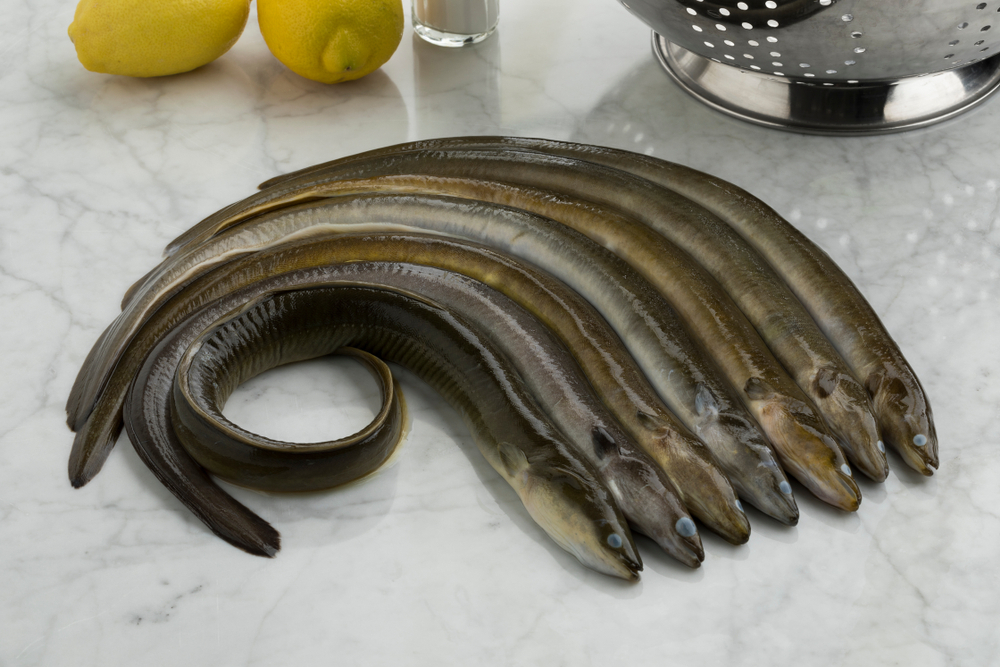
Eel, often found in sushi or traditional dishes, is both environmentally and nutritionally concerning. Populations of freshwater eel have been severely depleted by overfishing. In addition, eels accumulate high levels of PCBs and mercury, making them risky for regular consumption. Import practices are another problem, with much of the global supply coming from poorly regulated sources. For a species already struggling to recover, continued demand puts further pressure on ecosystems. Eating eel not only raises health concerns but also contributes to its decline.
More Responsible Seafood Than Eel
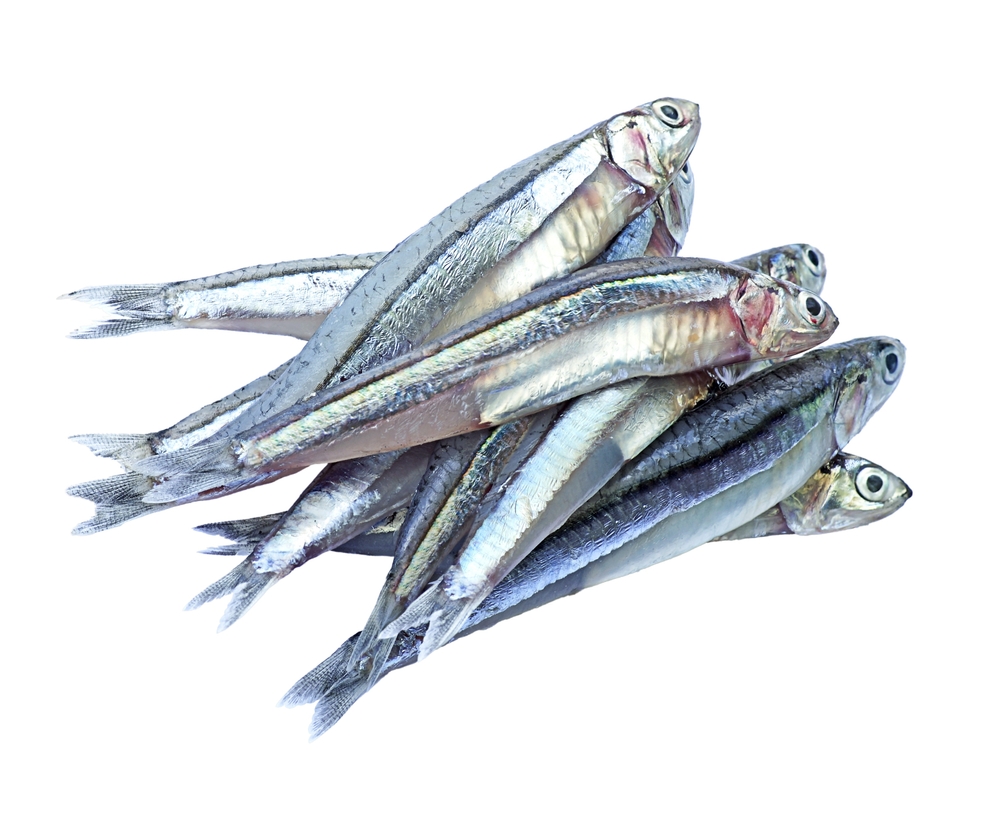
If you enjoy the rich, oily flavor of eel, sardines and mackerel provide a similar depth without the contamination risks. Anchovies are another small oily fish that deliver strong flavor with very low toxin levels. For sushi lovers, unagi alternatives like sustainably farmed trout are becoming more available. Mussels and clams also provide a savory taste experience and are among the most sustainable seafoods. These alternatives reduce personal toxin exposure while supporting marine conservation.
7. Imported Basa (Pangasius): Farmed Under Poor Standards
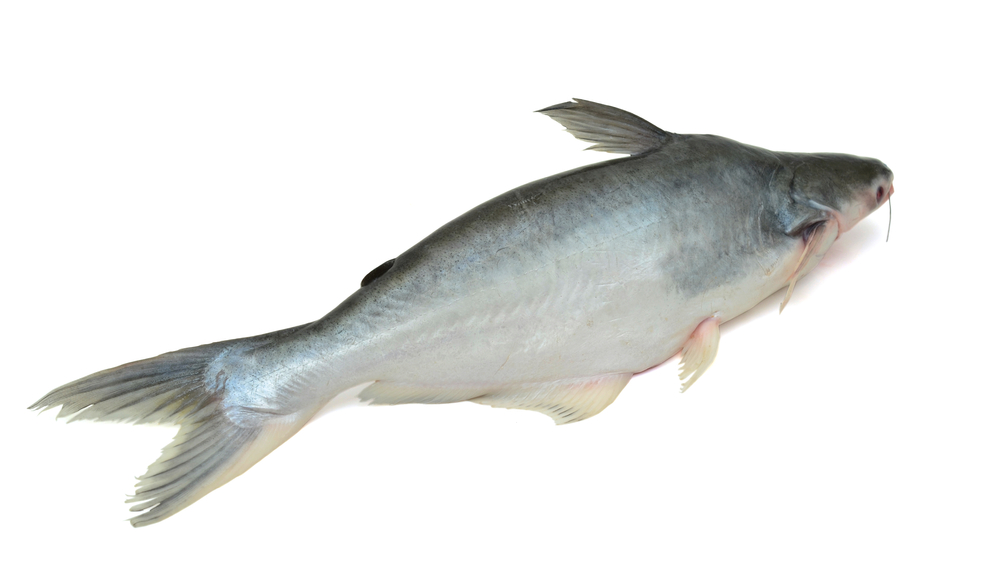
Basa, also known as swai or pangasius, is a catfish species imported mainly from Southeast Asia. It is farmed in rivers with questionable water quality, often exposed to industrial runoff. Antibiotics and chemical treatments are sometimes used to control disease in overcrowded pens. Testing has revealed contamination issues in basa imports, leading to safety concerns. Nutritionally, basa is lower in omega-3s than many other fish. Because of inconsistent standards, it poses unnecessary risks for consumers. Avoiding basa is a sensible choice for both safety and nutrition.
Safer White Fish Alternatives to Basa
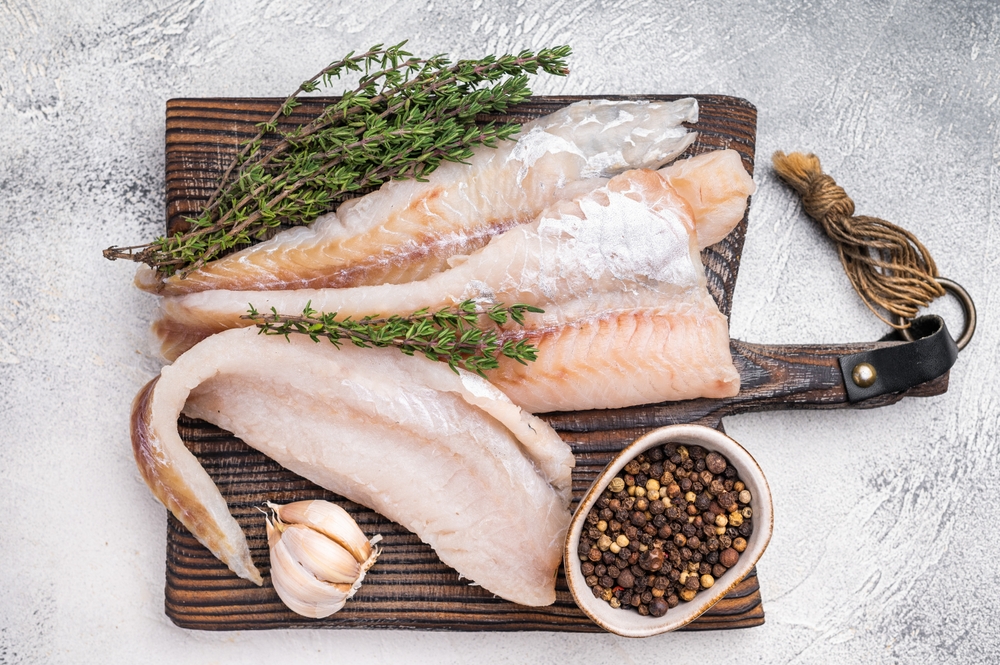
U.S. farmed catfish provides a similar mild flavor but is produced under stricter safety regulations. Wild-caught flounder and cod are also versatile substitutes in recipes. Pollock is widely available and used in products like fish sticks and imitation crab, offering good nutrition at a low cost. Tilapia, when sourced from certified sustainable farms, can also be safe in moderation. These swaps give the same neutral taste without the contamination concerns tied to imported basa. Choosing locally sourced fish adds an extra layer of assurance.
8. Grouper: High Mercury and Overfishing
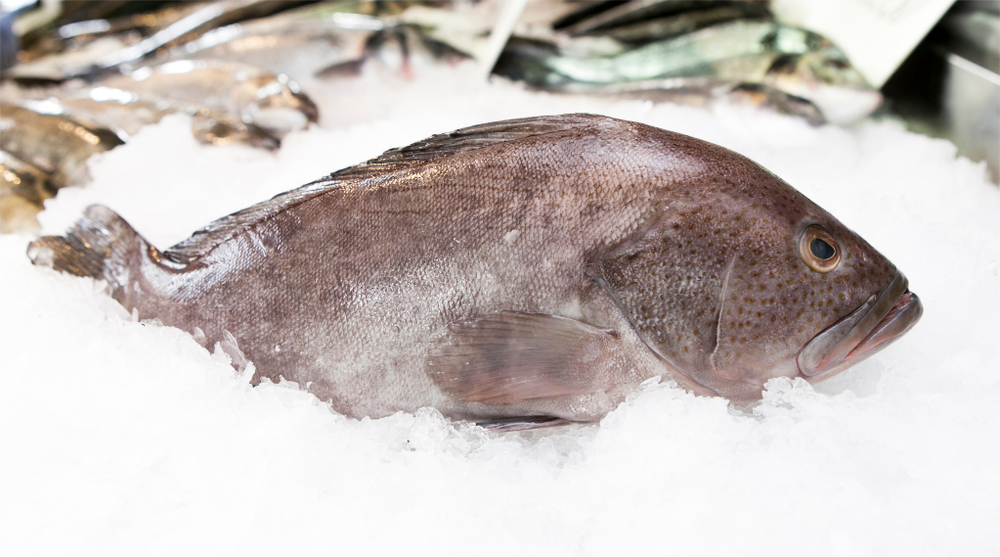
Grouper is a popular choice in restaurants, but it carries both health and sustainability issues. Large grouper species accumulate high mercury levels, putting consumers at risk, and making this a fish you should never eat. In addition, grouper populations have been heavily overfished in many regions. This makes them especially vulnerable, as they grow slowly and reproduce late in life. Eating grouper contributes to declining stocks while also exposing you to contamination. For these reasons, many environmental groups recommend avoiding grouper altogether. It’s a fish that looks appealing on the menu but comes with hidden costs.
Safer Picks Than Grouper
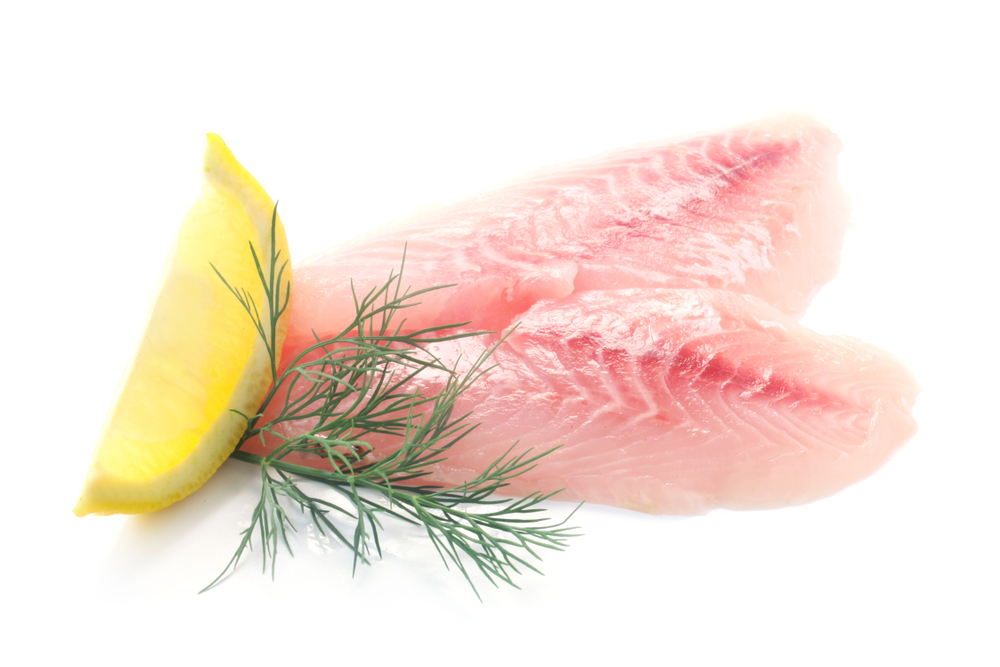
Snapper provides a similar texture and taste but can be more responsibly sourced. Halibut, when caught under sustainable practices, is another firm white fish with better safety profiles. For mild flavor, Pacific cod is widely available and contains less mercury. U.S. farmed catfish also works well in recipes calling for grouper. By choosing these alternatives, you support healthier ecosystems and lower your exposure to toxins. A thoughtful swap can benefit both your health and the oceans.
9. Chilean Sea Bass: A Luxury With a Price
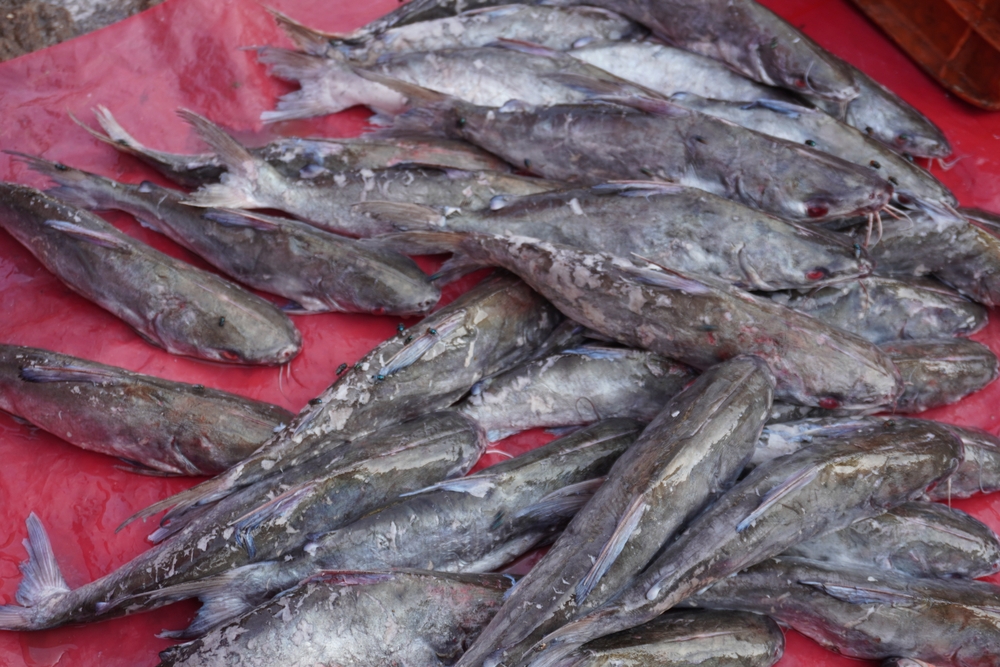
Chilean sea bass is prized for its buttery flavor and flaky texture, but it’s one of the most overfished species globally. Its slow growth and late reproduction make population recovery difficult. Beyond sustainability, Chilean sea bass often contains elevated mercury levels. Much of it is caught illegally, further complicating traceability and quality assurance. Consumers who purchase this fish may be supporting harmful fishing practices unknowingly. Though delicious, the health and ethical concerns are significant. Avoiding it is the more responsible decision.
Ethical and Safer Options Than Chilean Sea Bass
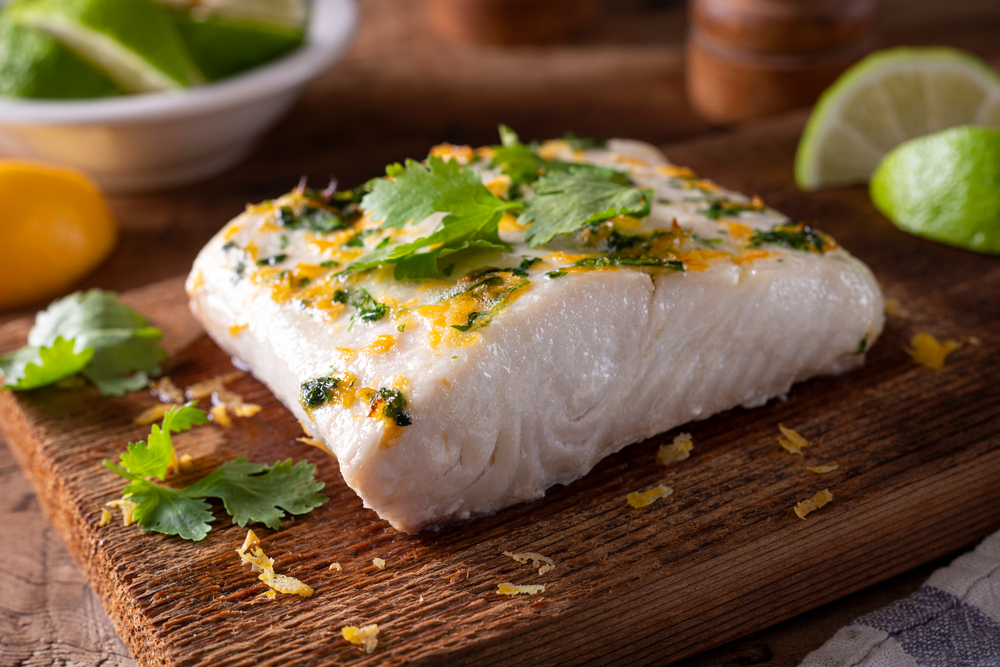
Black cod, also known as sablefish, offers a similar rich flavor but comes from more sustainable fisheries. Halibut and Arctic char provide a firm, buttery bite with lower mercury levels. Salmon is another versatile option that can replace Chilean sea bass in many recipes. For those seeking premium choices, look for Marine Stewardship Council (MSC) certified seafood. By selecting these options, you enjoy quality seafood without supporting damaging practices. Safer choices protect marine biodiversity while offering excellent taste.
10. Shark: Dangerous for Health and Ecosystems
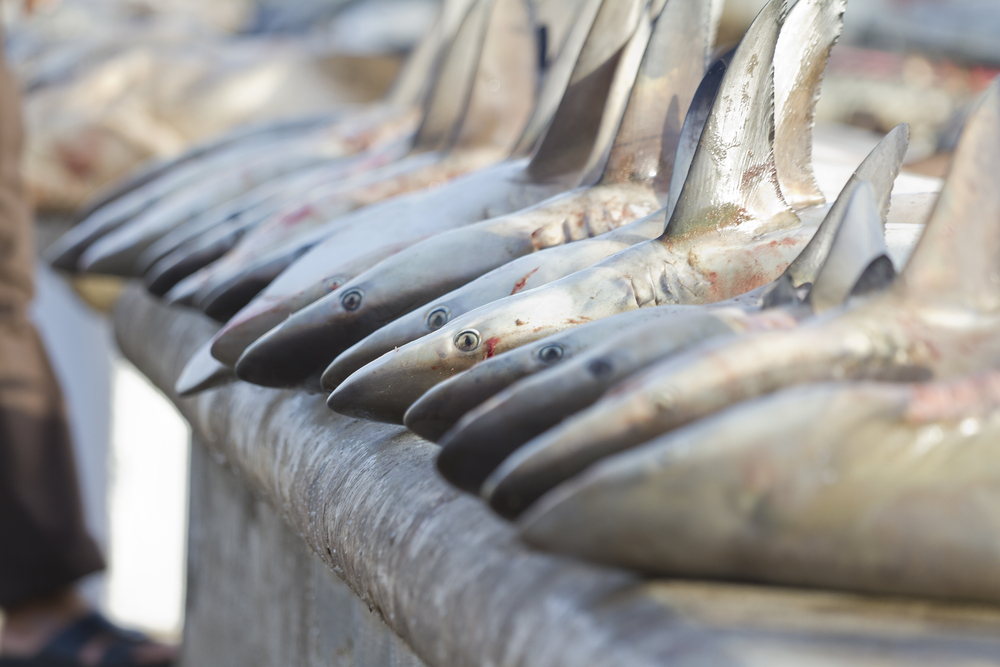
Shark meat is consumed in some regions, but it is among the highest in mercury of all fish. Because sharks are top predators, they accumulate heavy metals throughout their long lives. Mercury levels in shark meat can exceed safe limits by wide margins, which is just one reason this is on our list of fish you should never eat. Beyond health concerns, shark populations are declining due to overfishing and finning practices. Eating shark contributes to the collapse of an already threatened species. While sometimes marketed as “flake” or “rock salmon,” it carries significant dangers, and is certainly a fish you should never eat. Both health and conservation reasons support avoiding shark meat entirely.
Safer Seafood Than Shark
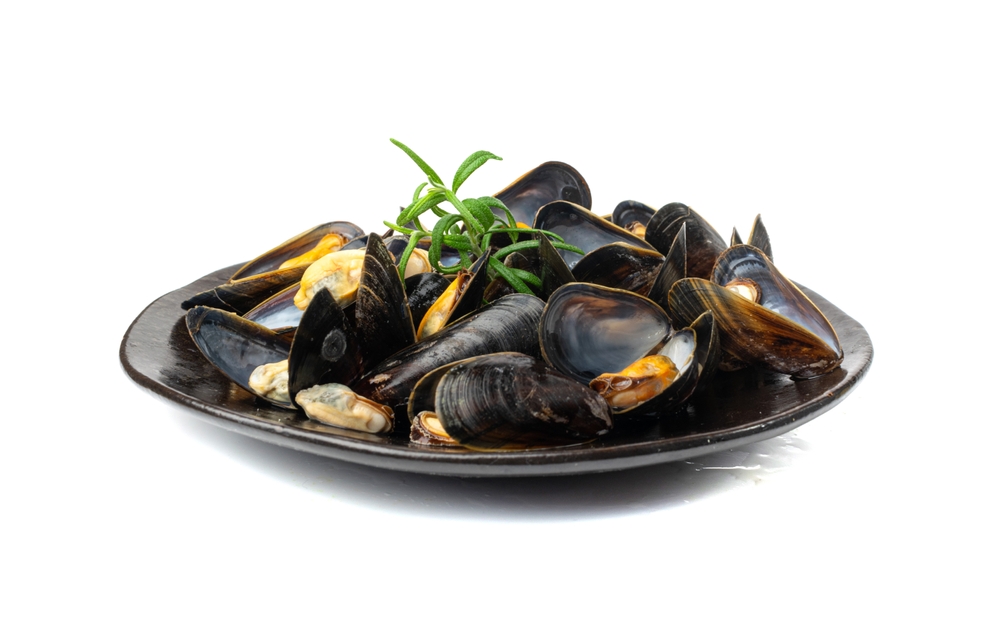
Swordfish and shark have similar dense textures, but safer substitutes include mahi-mahi and halibut. For a meaty bite, tuna steaks can be enjoyed in moderation. Salmon and Arctic char offer more nutritional benefits with far fewer contaminants. Mussels, clams, and oysters provide protein with some of the lowest environmental footprints in seafood. Choosing these instead of shark helps protect vulnerable species while supporting sustainable diets. Every seafood purchase influences marine conservation.
11. Bluefin Tuna: Overfished and Mercury-Heavy
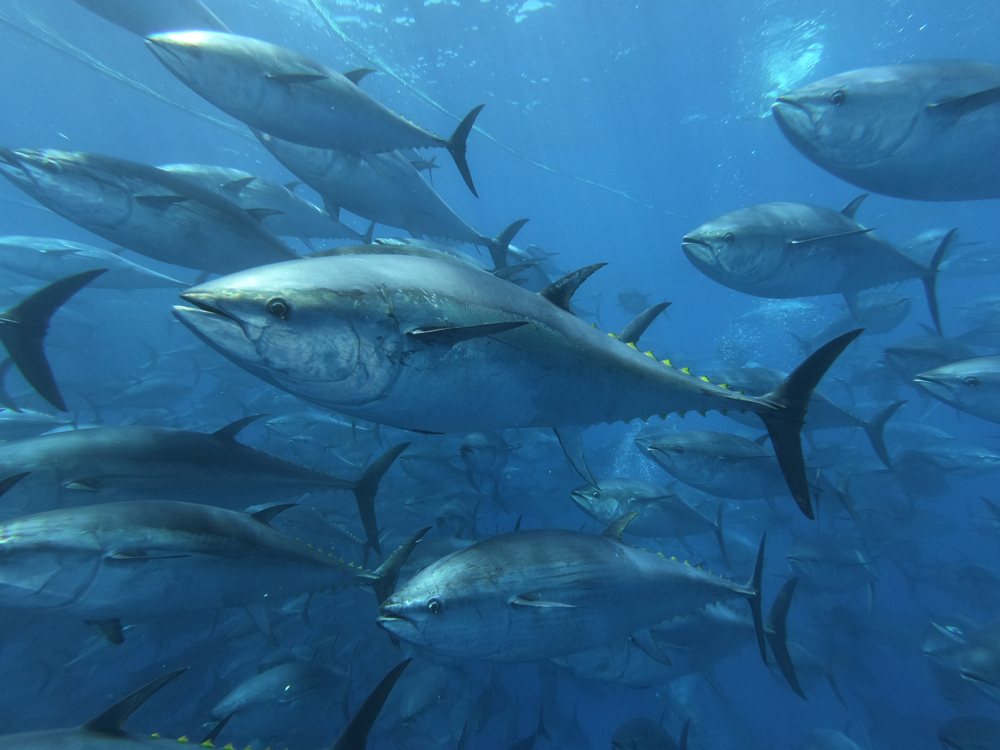
Bluefin tuna is one of the most overfished species in the world, and it’s an obvious fish you should never eat- for many reasons. Demand for sushi and sashimi has driven populations toward collapse. On top of that, bluefin is high in mercury, raising health concerns alongside environmental ones. Eating bluefin regularly increases risk of mercury exposure, with nervous system effects especially dangerous for children and pregnant women. Despite its prized flavor, many conservation groups recommend avoiding bluefin completely. Sustainable options exist that provide similar taste without the same impact. Skipping bluefin is a choice that benefits both health and oceans.
Safer Alternatives to Bluefin Tuna
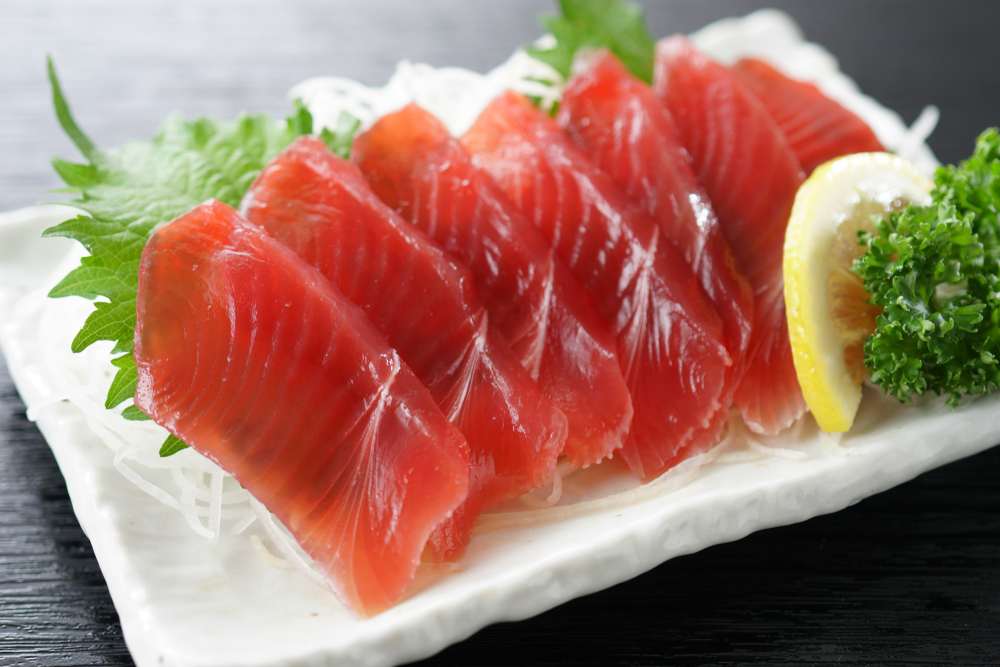
Skipjack and albacore tuna contain lower mercury levels and are more sustainable choices. Arctic char and salmon offer the same rich, fatty texture that makes bluefin appealing. Yellowfin tuna, while still needing moderation, is a better option in terms of sustainability. For sushi, consider mackerel or sardines, which provide deep flavor with far less risk. These swaps deliver the dining experience without supporting overfishing. Responsible consumption helps ensure healthy oceans for future generations.
12. Imported Catfish: Lax Standards Create Risks
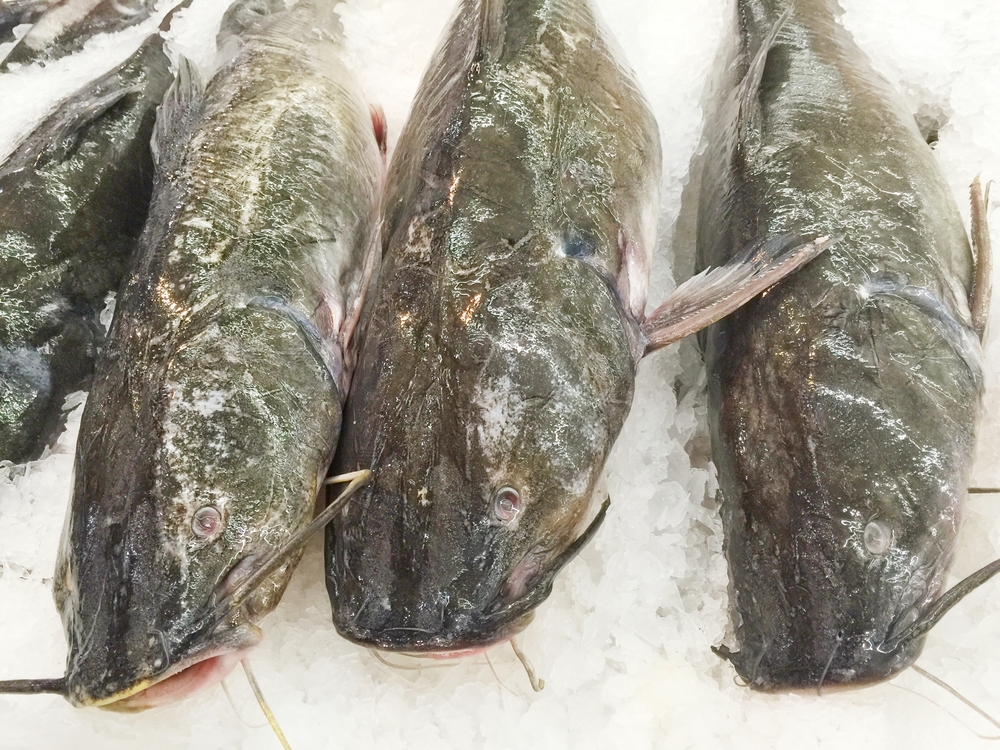
While U.S. farmed catfish is carefully regulated, imported varieties can pose safety concerns. Much of the imported catfish comes from regions where farming conditions are poorly monitored. Testing has revealed contamination from antibiotics, chemicals, and even industrial waste- definitely a fish you should never eat. This creates risks for consumers that outweigh the benefits of an inexpensive protein. Imported catfish also provides less nutritional value compared to other fish. Choosing safer, regulated alternatives is the best way to reduce exposure. For health-conscious seafood lovers, avoiding imported catfish is important.
Choosing Catfish Safely

Domestically farmed catfish from the United States is a safe, affordable, and widely available option. Wild-caught whitefish, such as flounder and cod, can also replace imported catfish in recipes. For omega-3 benefits, herring and sardines are superior choices. Trout is another affordable fish that delivers good nutritional value. When in doubt, look for certification labels that guarantee safe farming practices. By buying responsibly, you avoid unsafe imports while still enjoying versatile fish options.
13. Barramundi From Poorly Managed Farms
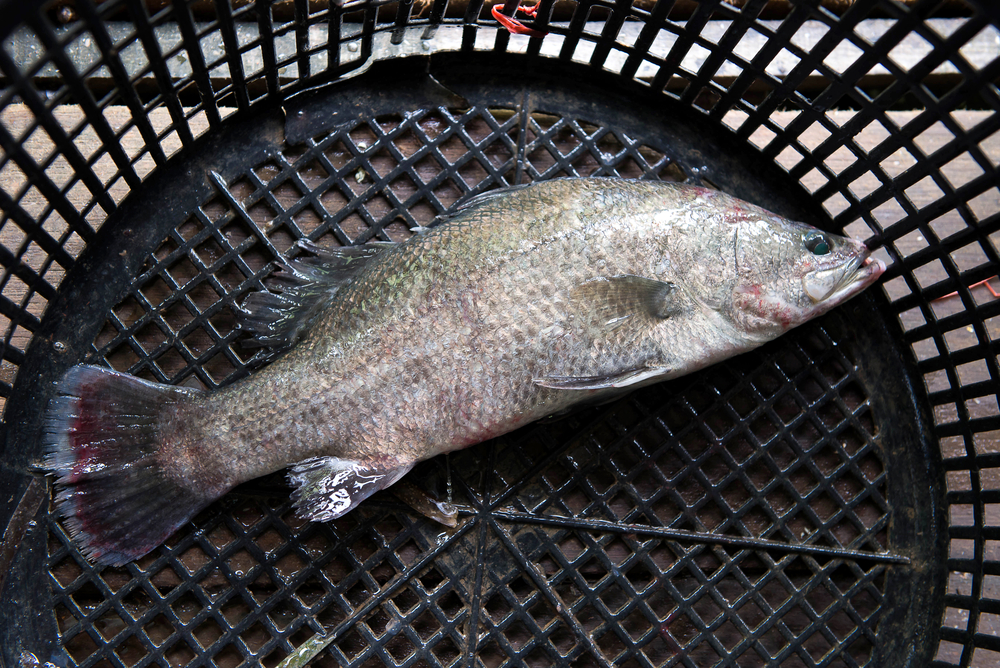
Barramundi, also called Asian sea bass, is farmed in both responsible and questionable conditions. When raised in poorly regulated farms, contamination with pollutants and antibiotics is a concern, making it a fish you should never eat. Some imported barramundi also comes from areas with overfishing problems. While it can be a healthy fish when sourced correctly, the risks depend heavily on origin. Unregulated imports create too much uncertainty for consistent safety. Barramundi raised in questionable conditions should be avoided to protect both health and ecosystems.
Smarter Choices Than Low-Quality Barramundi
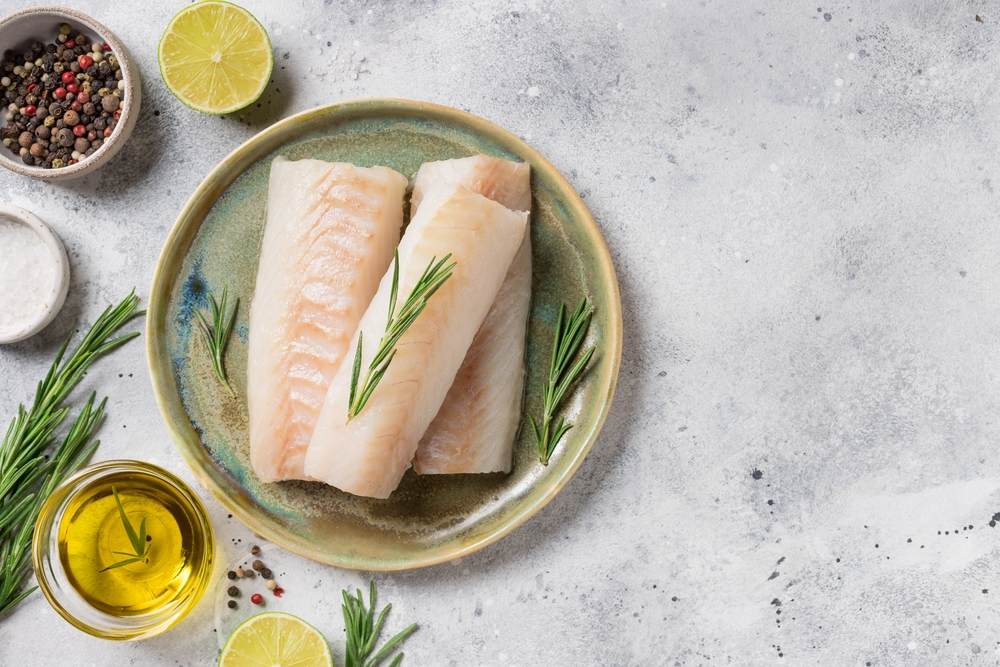
Australian-farmed barramundi is considered safe and sustainable when certified by reputable organizations. U.S. farmed bass or trout can also provide mild flavors with reliable safety. Salmon and cod are versatile substitutes that deliver strong nutrition and better sourcing transparency. Shellfish like mussels are another sustainable protein option with low environmental impact. Choosing certified sources ensures safety and supports responsible aquaculture practices. By selecting carefully, you can enjoy similar flavors without unnecessary risks.
14. Tilefish: A Mercury Concern Few Know About
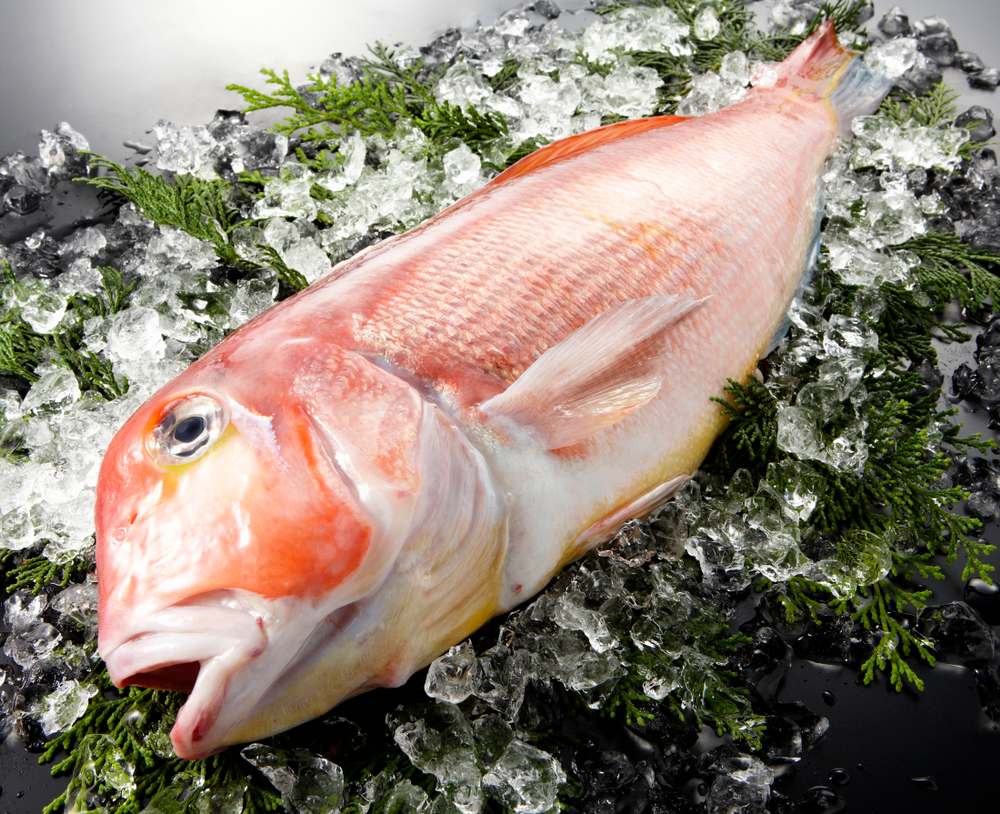
Tilefish is less well known than tuna or swordfish but ranks among the highest for mercury contamination, and it’s a fish you should never eat. The FDA specifically warns against eating tilefish from the Gulf of Mexico due to unsafe mercury levels. Regular consumption may cause neurological effects over time. Children and pregnant women are particularly vulnerable to harm. Despite these dangers, tilefish is still available in some markets. Avoiding it is essential for safe seafood consumption. Many better options exist for those seeking similar qualities.
Safer Alternatives to Tilefish
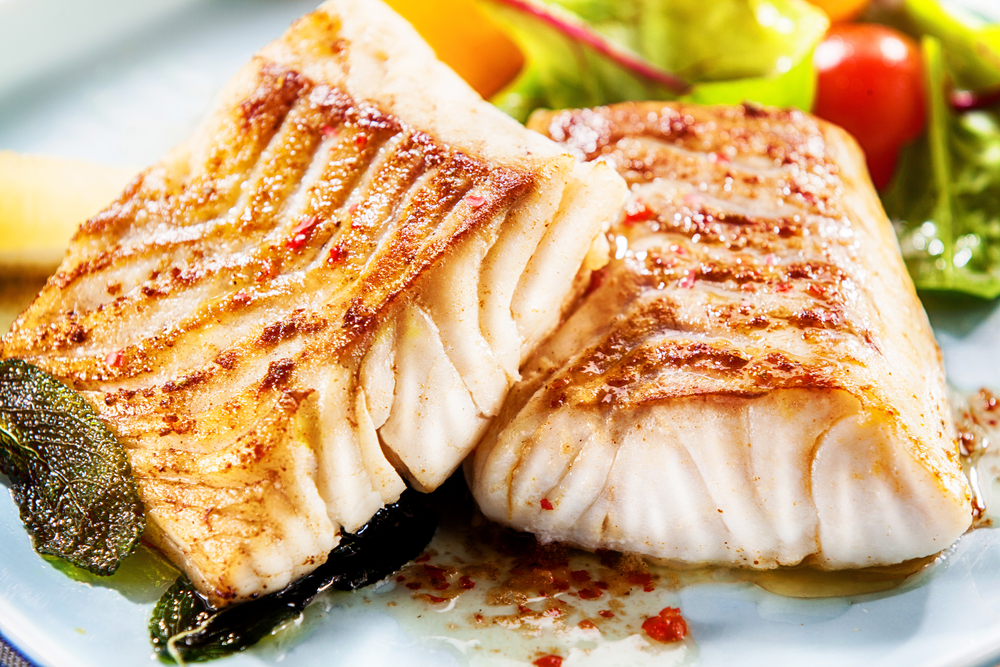
Cod and haddock provide the same mild, flaky texture with far lower mercury risks. Wild-caught Alaskan pollock is another affordable option with safer contamination levels. Flounder and trout offer versatility in cooking without the dangers of tilefish. Choosing these alternatives ensures you can enjoy seafood while minimizing exposure to harmful metals. Adding low-mercury fish to your diet twice a week supports both safety and nutrition. With thoughtful choices, you can enjoy seafood without sacrificing health.
Conclusion: Choosing Seafood Wisely
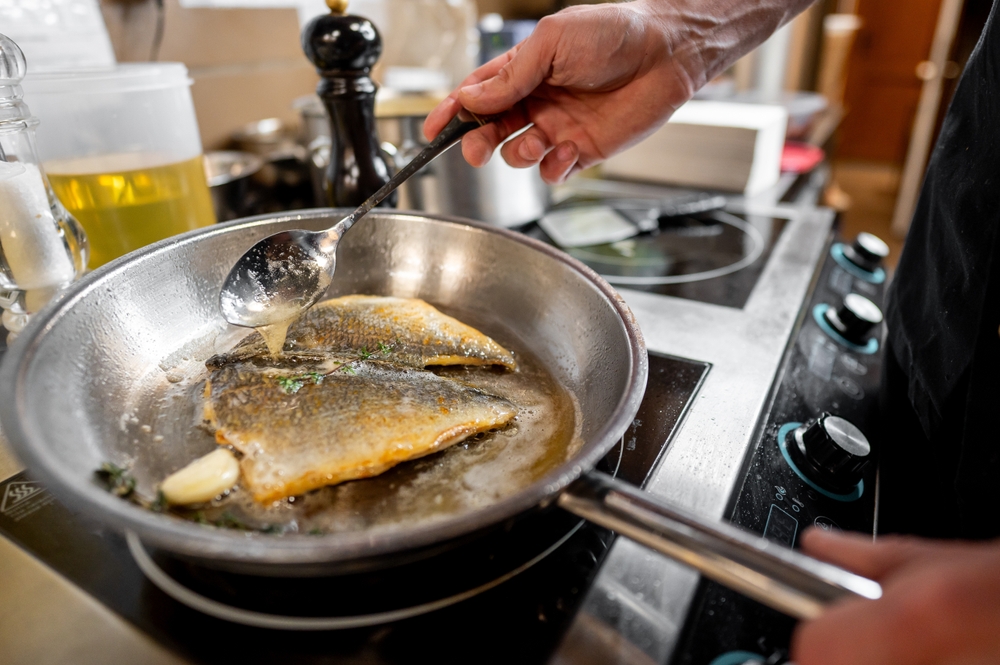
Fish can be an excellent part of a healthy diet, but not every option is safe or sustainable- there are some fish you should never eat. Species high in mercury, such as swordfish and king mackerel, may harm long-term health if eaten often. Overfished species, like bluefin tuna and Chilean sea bass, contribute to declining ocean biodiversity. Farmed fish from poorly managed sources may carry risks from contaminants and antibiotics. Fortunately, safer and more sustainable alternatives exist for every risky option. By choosing low-mercury, responsibly sourced fish, you can support both your health and marine ecosystems. Making informed seafood decisions ensures that future generations can continue to benefit from the ocean’s resources. Smart choices today protect your brain, body, and the planet.
Read More: Neurologists Share Foods They Would Never Eat and Why
Disclaimer: This article was created with AI assistance and edited by a human for accuracy and clarity.