
Sweden is often described as a place of breathtaking landscapes, efficient design, and progressive values. But behind the postcard-perfect views, there are countless quirks and traditions that make life in Sweden unique. Some of these are practical, others are rooted in history, and many are just downright unusual when seen from an outsider’s perspective. From unusual food habits to cultural oddities, Sweden has mastered the art of being both modern and eccentric at the same time. These strange facts about Sweden highlight how culture, tradition, and innovation intersect in ways that surprise visitors. Here are 16 photos and facts that prove life in Sweden is stranger than you might think.
1. Ice Hotels That Melt Away
The Icehotel in Jukkasjärvi is rebuilt each year using over 1,000 tons of ice from the Torne River. Artists from around the world design the suites, and temperatures inside stay around -5°C. Guests can sleep on ice beds with reindeer-hide mattresses.
Every winter, architects in Jukkasjärvi build a hotel entirely out of ice and snow. By spring, the entire structure melts back into the Torne River. Guests sleep on reindeer hides atop frozen beds, wrapped in thermal sleeping bags. It’s both a luxury experience and a survival challenge. This temporary wonder captures the essence of life in Sweden, where nature is both respected and embraced in creative ways.
2. Candy Day on Saturdays
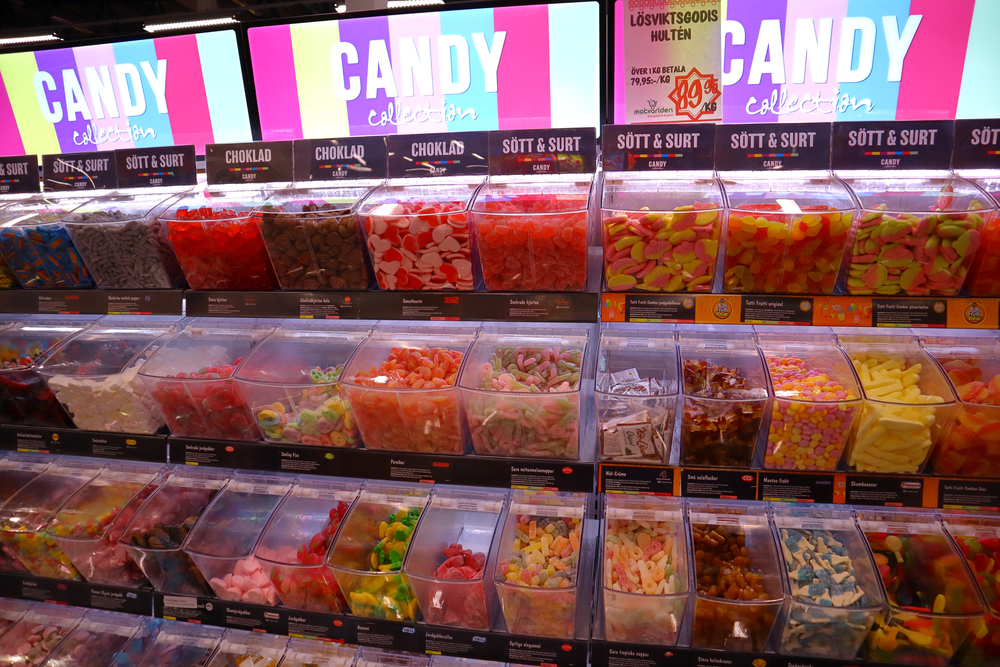
In Sweden, the tradition of “Lördagsgodis” (Saturday candy) began in the 1950s as a public health initiative to reduce sugar intake and prevent tooth decay. Today, it remains a cherished weekly ritual where families visit local candy shops to select from a wide array of sweets, promoting moderation and making candy consumption a special event.
In Sweden, children often save all their candy cravings for Saturday, a practice called “Lördagsgodis.” The tradition began in the 1950s after health officials recommended limiting sugar intake. Families embraced the idea, turning Saturday into the country’s official candy day. Stores dedicate entire aisles to colorful candy bins for kids to scoop and choose. This practice may seem strict, but it’s one of those strange facts about Sweden that shows their balance of health and indulgence.
3. Crayfish Party

Crayfish parties in Sweden date back to the late 1800s when the harvest season made crayfish plentiful. Modern celebrations often include lanterns to light long summer evenings, traditional snapping songs called “snapsvisor,” and themed decorations, turning the meal into a full cultural experience.
One quirky Swedish tradition is the celebration of “Crayfish Parties” (kräftskivor) in August. This festive event involves friends and family gathering outdoors to feast on dill-boiled crayfish served cold. The parties are marked by colorful paper lanterns, whimsical hats, and bibs to protect clothing from the messy delicacies. Guests often sing traditional drinking songs while enjoying snaps, a herb-infused liquor. The crayfish season celebrates the end of summer and harvest time, reflecting Swedes’ love for nature, community, and good food. This tradition combines joyful socializing with seasonal flavors, making it a distinctive and beloved part of Swedish culture that might surprise visitors with its lively and somewhat extravagant atmosphere.
4. Baby Strollers Left Outside
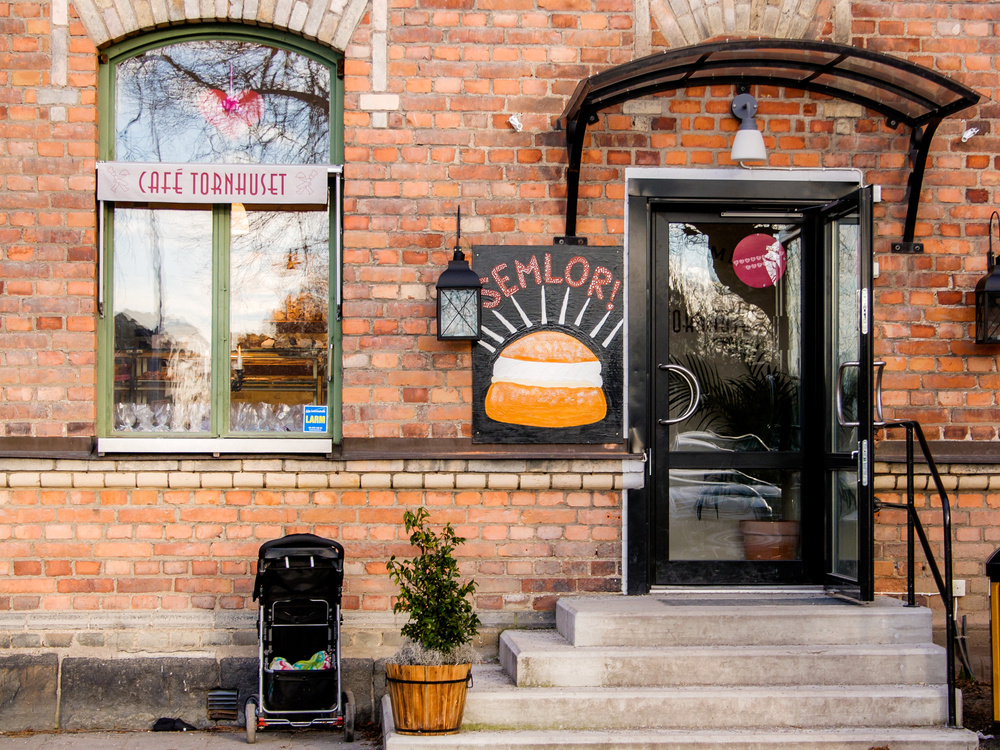
In Sweden, leaving babies in strollers outdoors, even in cold weather, is a longstanding cultural practice linked to beliefs about fresh air promoting better sleep and stronger immunity. Studies have found that infants who nap outside may sleep longer and have lower stress levels.
In Sweden, parents often leave their babies in strollers outside cafés and shops while they sip coffee or shop inside. Locals believe fresh air helps infants sleep better and strengthens their immune systems. Though it might alarm outsiders, this practice is common and socially accepted. It reflects the high level of trust and safety in Swedish society. For many visitors, it becomes one of the most surprising signs of life in Sweden.
5. Moose Warning Signs Everywhere
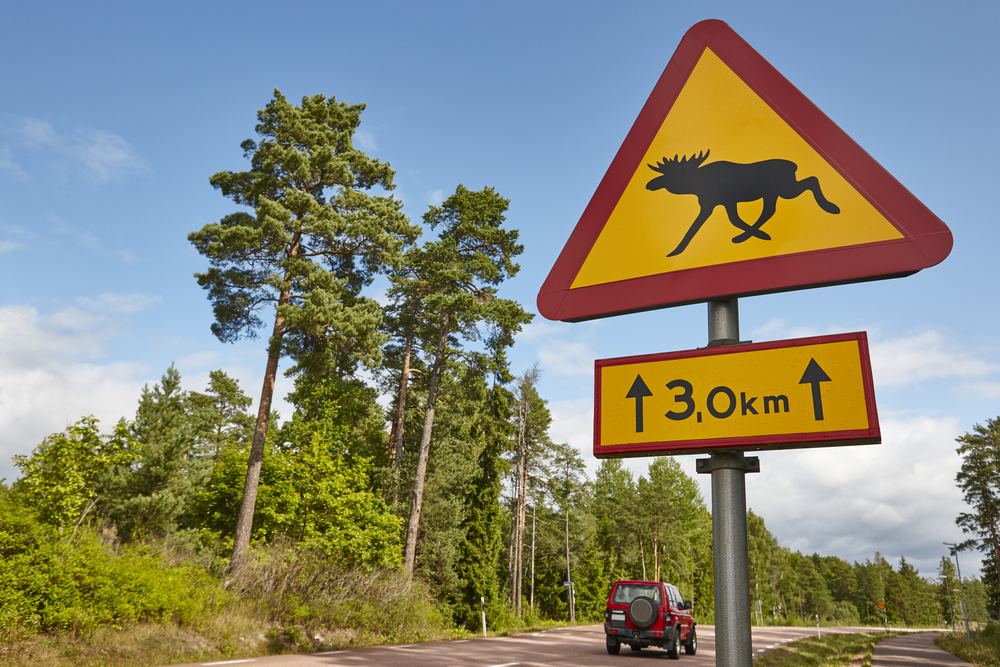
Sweden is home to over 300,000 moose, making vehicle collisions a serious concern. To protect drivers and wildlife, authorities install reflective moose crossing signs and implement nighttime speed reductions in high-risk areas, while research shows most accidents occur during autumn mating season.
Sweden has one of the highest moose populations in Europe, leading to frequent road encounters. To prevent accidents, highways and rural roads are lined with moose crossing signs. Tourists often steal these signs as souvenirs, which is why replicas are now sold in shops. The presence of such signs highlights the harmony Swedes maintain with wildlife. It’s a constant reminder of how nature shapes daily life in Sweden.
6. Hotels That Lend Fishing Gear

In parts of rural Sweden, hotels embrace the local outdoors by offering fishing gear instead of typical amenities. Guests can fish in nearby rivers and lakes, often guided by local experts, creating an immersive experience that highlights Sweden’s rich freshwater ecosystems and culinary traditions.
Instead of offering free slippers or robes, some rural hotels in Sweden provide fishing gear. Guests are encouraged to catch dinner from nearby rivers and lakes. This tradition reflects Sweden’s strong connection to outdoor living and self-sufficiency. For travelers, it’s one of those strange facts about Sweden that feels both unusual and practical. Fishing here is not just a hobby, it’s a cultural experience.
7. Surströmming: Fermented Fish in a Can
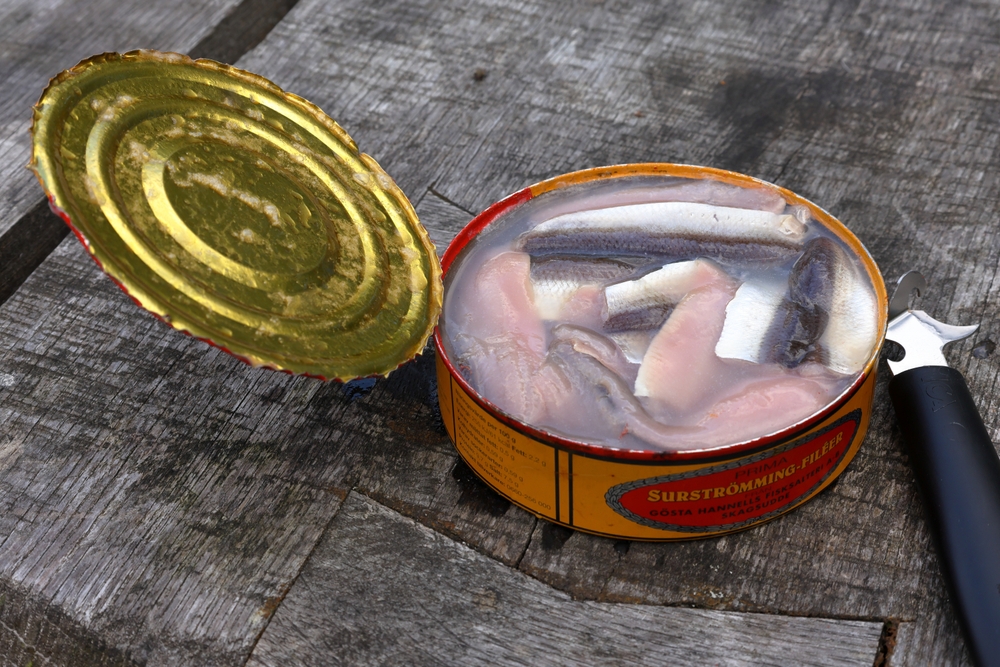
Surströmming, a traditional Swedish dish of fermented Baltic herring, dates back to the 16th century as a preservation method before refrigeration. Known for its powerful aroma, it’s typically eaten outdoors with flatbread, potatoes, and onions, making it both a cultural and culinary experience.
Perhaps one of the most infamous foods in the world, Surströmming is fermented Baltic herring. The smell is so strong that it’s usually opened outdoors. Locals consider it a delicacy, often eaten with flatbread and potatoes. Outsiders, however, are often shocked by the pungent aroma. For better or worse, Surströmming remains one of the strangest facts about Sweden’s food culture.
8. Traffic Switch in 1967
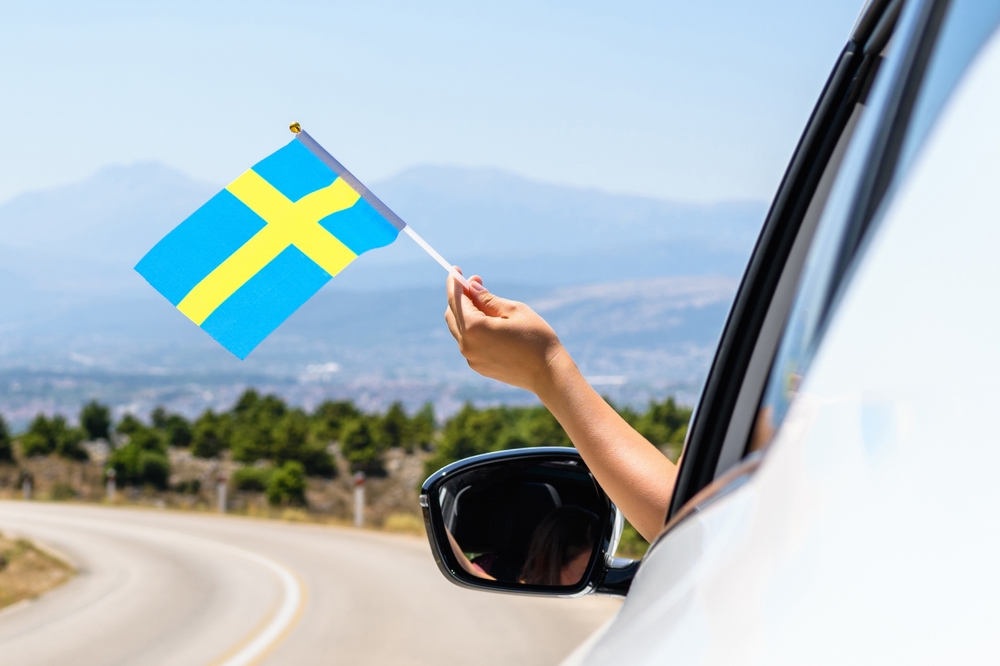
On September 3, 1967, Sweden executed “Dagen H,” switching from left- to right-hand traffic overnight. The massive campaign involved road sign replacements, public education, and temporary traffic restrictions, making it one of the most ambitious traffic system changes in modern history.
In 1967, Sweden switched from driving on the left side of the road to the right in a single day. Called “Dagen H” or “H Day,” it was one of the largest traffic reorganizations in history. Roads, signs, and vehicles all had to adapt at once. While chaotic at first, the transition was surprisingly smooth. This remarkable day remains a fascinating piece of life in Sweden’s history.
9. Hotels Made from Treehouses
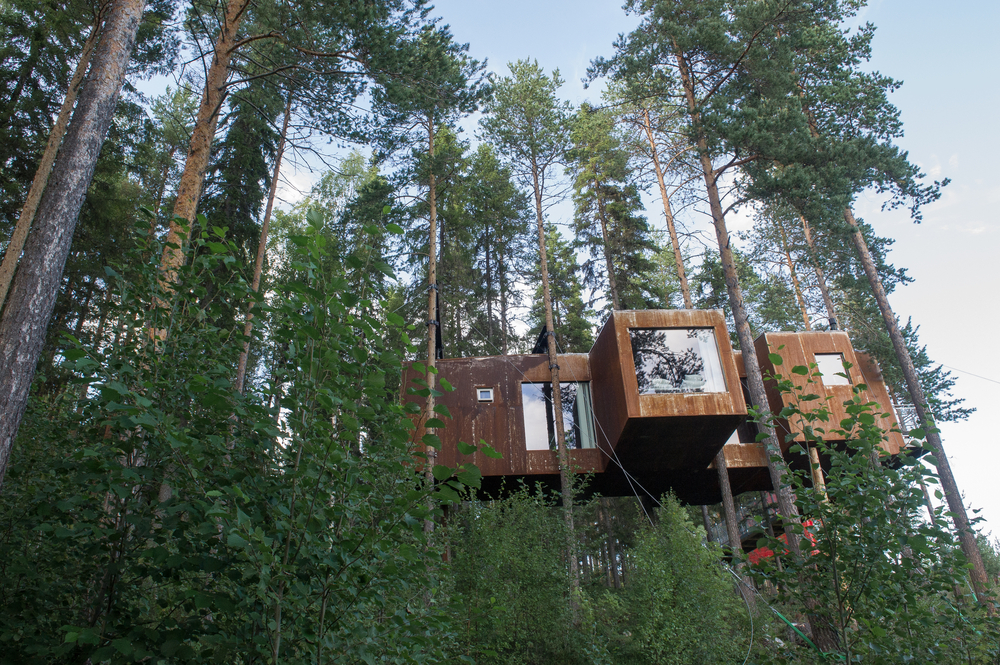
In northern Sweden, forest canopy hotels offer guests a unique stay high among the treetops. Designed by international architects, these treehouse rooms combine modern comforts with sustainable materials, providing immersive wildlife views and a tranquil experience in boreal forests.
Northern Sweden is home to luxurious hotels built high in the forest canopy. Each room is a treehouse designed by architects from around the world. From mirrored cubes to UFO-shaped rooms, these hotels are unlike anywhere else. They allow visitors to connect deeply with nature while enjoying modern comforts. Staying here gives travelers a magical view of life in Sweden’s forests.
10. Church That Doubles as a Sauna
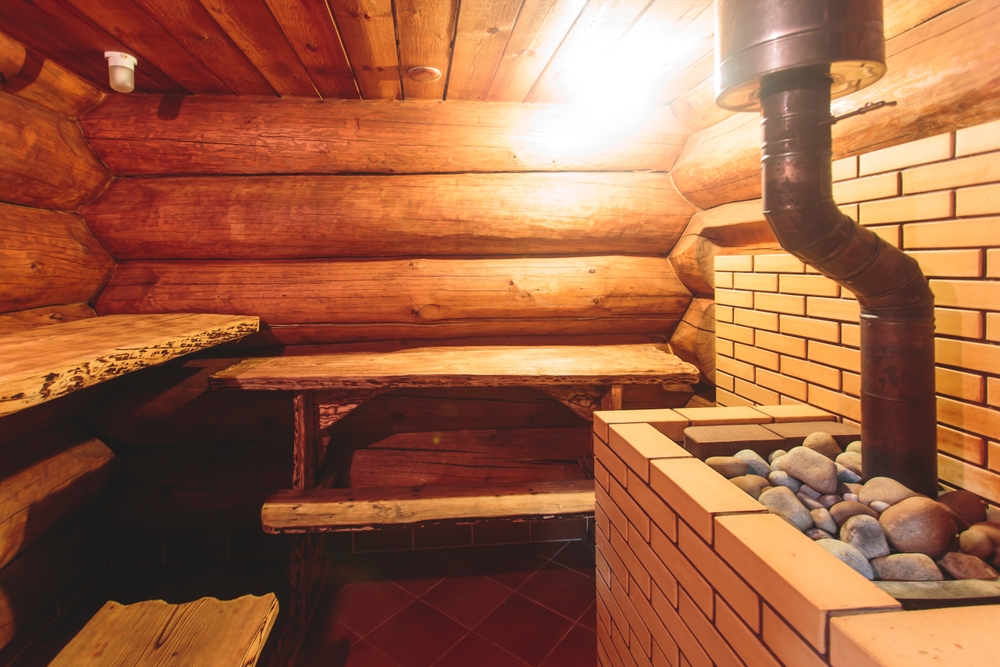
In certain Swedish towns, historic churches have been transformed into saunas, blending heritage architecture with modern leisure. These adaptive spaces often preserve original features like stained glass or wooden beams, offering visitors a unique combination of cultural history and traditional Nordic bathing rituals.
Some small towns in Sweden feature churches that have been repurposed into saunas. This unusual combination reflects the nation’s love of both spirituality and wellness. Locals believe sauna culture promotes relaxation and community bonding. It may sound unusual, but to Swedes it feels natural. This odd blend is a quirky reflection of how life in Sweden integrates tradition and leisure.
11. Shoe-Free Homes
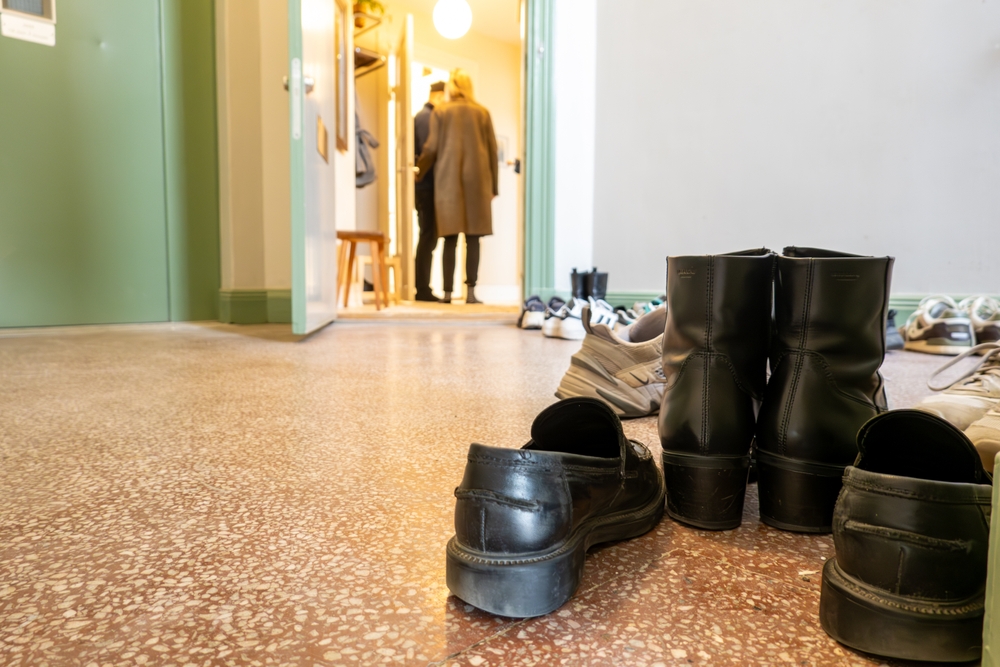
In Sweden, removing shoes before entering a home is standard etiquette, reflecting both hygiene and cultural respect. Many households provide slippers for guests, and this practice also helps protect floors from snow, mud, and wear, especially during harsh winter months.
In Sweden, it is considered rude to wear shoes inside someone’s home. Guests are expected to remove footwear at the door and walk in socks or slippers. The tradition helps keep interiors clean during snowy or muddy months. It also reflects the minimalist and tidy lifestyle many Swedes value. For outsiders, this is one of the gentler but clear signs of life in Sweden.
12. Bridges That Sing

The Uddevalla Bridge in Sweden is known for its eerie humming, which occurs when wind interacts with its suspension cables. Engineers designed the bridge with aerodynamic measures, yet the sound has become a local curiosity, demonstrating the intersection of structural design and natural forces.
The Uddevalla Bridge produces a humming sound when the wind passes through its cables. Locals sometimes refer to it as the “singing bridge.” The sound changes depending on wind speed, creating an eerie natural symphony. Engineers note that the sound is harmless but captivating. This is one of those strange facts about Sweden that blends engineering with unexpected beauty.
13. Sweden Owned an Official Twitter Account

In 2011, Sweden made history by allowing citizens to take turns managing its official Twitter account. Each week, a new person shares personal stories, photos, and perspectives, creating a crowdsourced view of Swedish life and culture for a global audience.
Sweden was the first country to give its citizens control of its official Twitter account. Each week, a different Swede was chosen to tweet on behalf of the nation. The project, called “Curators of Sweden,” ran from 2011 to 2018. It showcased everyday life in Sweden through the voices of ordinary people. This experiment remains a unique example of digital democracy.
14. Midnight Sun in the North

In northern Sweden, the “midnight sun” occurs during summer months when the sun remains visible at midnight. This natural phenomenon enables 24-hour outdoor activities like hiking, fishing, and festivals, while also affecting sleep patterns and inspiring local cultural celebrations.
In northern Sweden, towns experience weeks without sunset during the summer. The “midnight sun” allows people to enjoy outdoor activities at all hours. Festivals and gatherings often take place late into the night. While enchanting, it can also disrupt sleep schedules for newcomers. This natural wonder is a striking part of life in Sweden above the Arctic Circle.
15. Sweden’s Love of Recycling
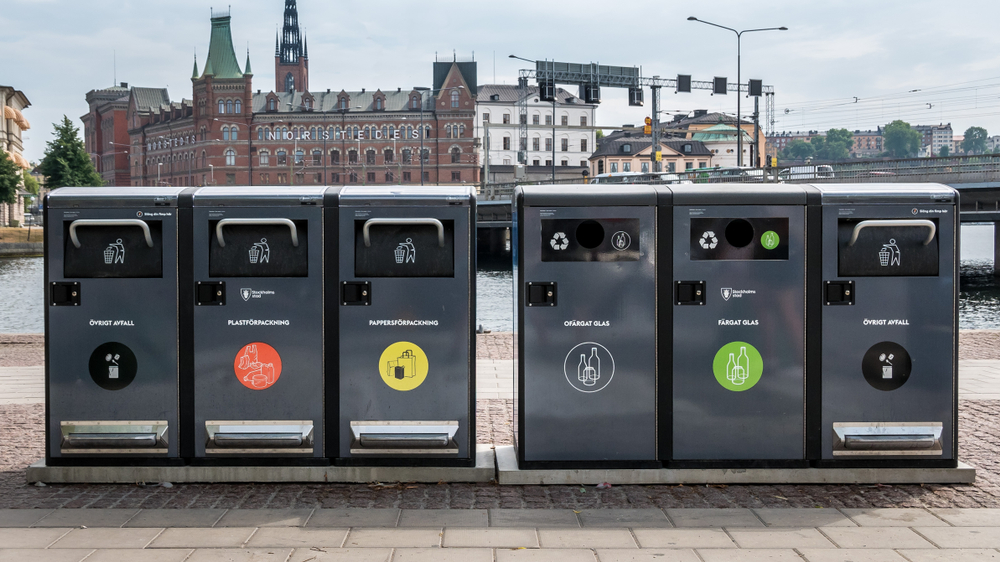
Sweden leads the world in waste management, recycling almost 99% of household trash. Advanced waste-to-energy plants convert non-recyclable materials into electricity and district heating, supplying power to hundreds of thousands of homes while minimizing landfill use and environmental impact.
Sweden recycles nearly 99% of its household waste, turning much of it into energy. Some communities even import trash from other countries to fuel waste-to-energy plants. Recycling bins are color-coded and found throughout every city and town. This commitment reflects both innovation and environmental responsibility. It is a defining element of life in Sweden’s sustainable lifestyle.
16. Hotels Made of Glass Igloos
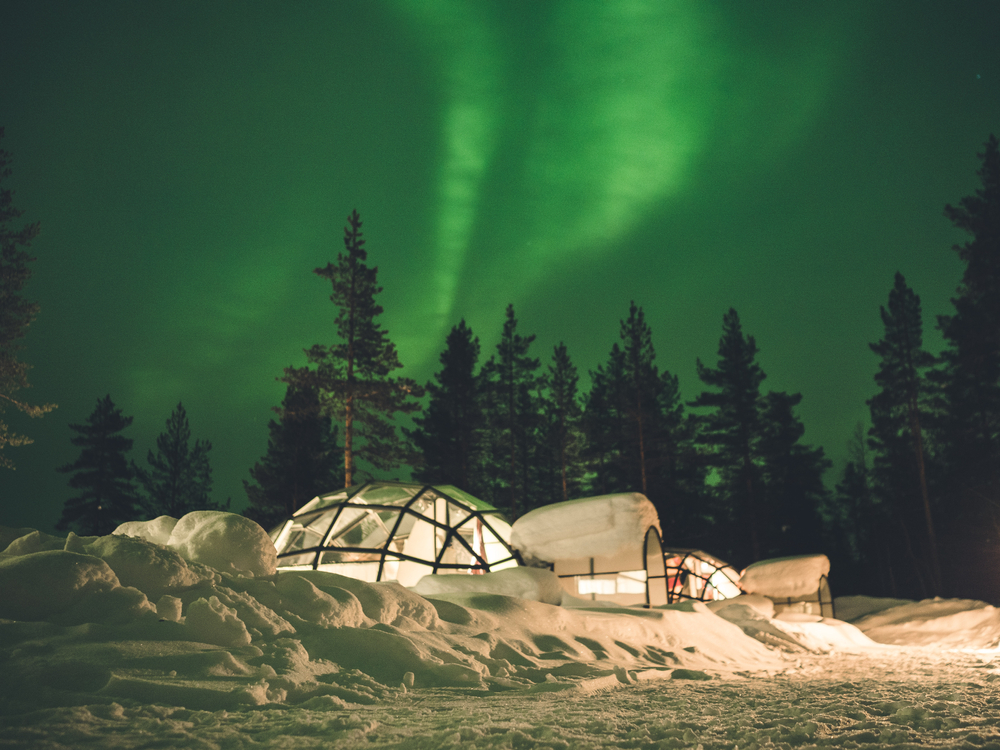
In Swedish Lapland, glass igloos offer travelers panoramic views of the aurora borealis from the comfort of heated accommodations. These unique structures combine Arctic luxury with sustainable design, allowing guests to experience the northern lights while staying insulated from extreme winter temperatures.
In Swedish Lapland, travelers can sleep in glass igloos under the northern lights. The transparent domes keep guests warm while offering views of the Arctic sky. During winter, the auroras dance overhead, creating an unforgettable scene. These igloos symbolize how Swedes merge comfort with harsh environments. They are a magical example of life in Sweden’s unique hospitality industry.
Every Country Has Its Quirks
While these traditions and oddities may seem unusual, every nation has its own quirks. What looks strange to outsiders often feels normal to locals. From Japan’s capsule hotels to Italy’s afternoon siestas, culture shapes daily life in surprising ways. The key is remembering that difference is what makes the world fascinating. Life in Sweden may feel eccentric, but so do many places when seen from the outside.
Why Travel Matters

Anthony Bourdain often emphasized that travel is essential for understanding the world. He believed immersing yourself in local food, culture, and daily life helps break stereotypes, challenge assumptions, and foster empathy in ways that reading or media alone cannot
Travel provides perspective by showing us lives and customs different from our own. Anthony Bourdain once said, “Travel is not a reward for working, it’s education for living.” Experiencing cultures firsthand helps break stereotypes and deepens empathy. Strange facts about Sweden or any other country become more meaningful when experienced in person. Through travel, we see that uniqueness is what makes human life beautiful.
Health Benefits of Travel
Studies show that travel not only lowers cardiovascular risk but also improves immune function, reduces cortisol levels, and enhances mental flexibility. Experiencing new environments stimulates the brain, increasing creativity and boosting overall psychological resilience.
Science shows that travel has measurable benefits for both body and mind. A study from the Global Commission on Aging and Transamerica found that men who vacationed regularly reduced their risk of heart disease by 32%. Women who traveled twice a year were significantly less likely to develop depression compared to those who traveled rarely. Other research highlights that travel reduces stress, boosts creativity, and improves overall life satisfaction. These findings suggest that exploring cultures, including the oddities of life in Sweden, may be as good for your health as it is for your perspective.
Life in Sweden
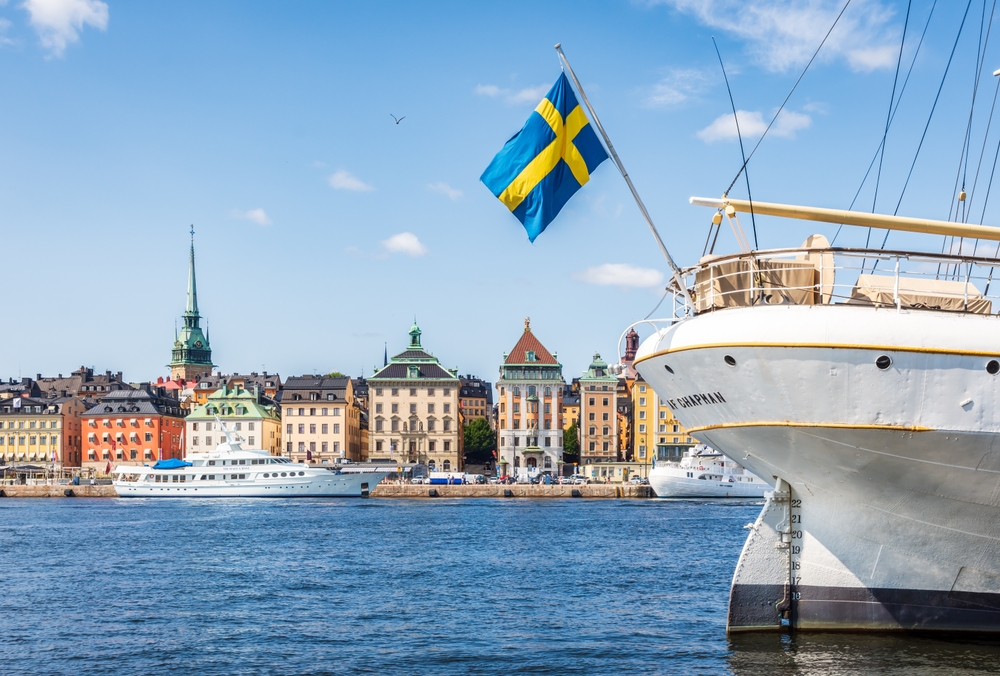
Sweden offers a mix of striking natural landscapes, cutting-edge design, and unique traditions
Life in Sweden reveals a fascinating blend of beauty, innovation, and unusual customs. From ice hotels and candy day to singing bridges and glass igloos, the country thrives on creativity and tradition. These strange facts about Sweden remind us that every place carries surprises worth celebrating. Travel not only shows us these differences but also improves our health and worldview. The more we experience the quirks of other nations, the more we understand that uniqueness is what makes life extraordinary.
Read More: 20+ of The Most Breathtaking Places on the Planet
Disclaimer: This article was created with AI assistance and edited by a human for accuracy and clarity.