
As Mary Poppins once said, a spoonful of sugar helps the medicine go down. But what about a spoonful of plastic and chemicals? That’s what many people are unknowingly swallowing with their softgel medications and supplements. Most of us associate vitamins with health, safety, and self-care. Yet new research is revealing that the glossy coating on many of these capsules contains phthalates, a class of chemicals linked to hormone disruption, fertility problems, and developmental effects. From a toxicology standpoint, its always ‘the dose that makes the poison’, so that leaves us with the question. Are the phthalates found in softgels a concern?
What Are Phthalates and Why Are They Used in Softgel Capsules?
Phthalates are chemical compounds added to plastics and coatings to make them flexible, durable, and easier to shape. In pharmaceuticals, they help control when and how a capsule dissolves, which improves absorption and protects ingredients from breaking down in stomach acid. Manufacturers most often use diethyl phthalate (DEP), dibutyl phthalate (DBP), and diethylhexyl phthalate (DEHP). While these compounds make capsules work more efficiently, they also expose users to chemicals that behave like similarly to hormones; these are known as endocrine disruptors. Since millions of people take softgels every day, scientists are now asking whether that convenience is worth the cost to long-term health.
How Phthalates Affect the Body
Phthalates are classified as endocrine disruptors, meaning they can mimic, block, or alter natural hormones that regulate growth, fertility, metabolism, and brain function. Researchers have identified several ways these chemicals interfere with the body’s internal balance. Phthalates can bind to hormone receptors, alter gene expression, and disrupt communication between the brain and reproductive organs. Studies have linked phthalate exposure to reduced sperm count, lower testosterone levels, menstrual irregularities, thyroid dysfunction, and metabolic changes. Animal studies show that prenatal exposure can cause growth delays, organ abnormalities, and impaired development.
However, it should be noted that just because a substance is classified as an endocrine disruptor does not necessarily mean it will have deleterious effects in humans. Endocrine disruptors exert hormone-like effects in the body, but most do not act with the same potency as native hormones such as estradiol or testosterone. Individually, these compounds have weak effects relative to natural hormones, but they can accumulate, act additively, and interfere during critical windows of development, such as fetal or pubertal stages, when hormonal systems are finely tuned and even small perturbations can have lasting consequences.
What the Evidence Shows
A 2023 systematic review of fourteen human studies found clear associations between phthalate exposure and reproductive harm in both sexes. Men exposed to higher levels had lower sperm motility and concentration, while women experienced increased infertility, polycystic ovary syndrome (PCOS), spontaneous miscarriage, and earlier menopause. The same review found significant hormonal shifts, including altered levels of estradiol, LH, and FSH. Researchers believe this happens because phthalates disrupt the hypothalamic-pituitary-gonadal axis, the system that controls reproductive hormones. They also trigger epigenetic changes like DNA methylation and histone modification, which affect how genes involved in hormone regulation are expressed. These disruptions can even extend across generations, as seen in animal studies linking parental exposure to reduced fertility in offspring.
In 2025, another systematic review on gestational diabetes mellitus (GDM) analyzed thirteen studies and found that pregnant women with higher urinary concentrations of phthalate metabolites were significantly more likely to develop GDM. Scientists found that phthalates impair insulin signaling and glucose metabolism, contributing to gestational insulin resistance. They also discovered changes in microRNA expression related to glucose regulation, reinforcing how deeply these chemicals affect gene function. The takeaway from these studies is simple: phthalate exposure doesn’t just influence reproduction, it can affect the entire endocrine system, including how the body manages energy and blood sugar.
Impacts on Infants and Children

The risks extend far beyond adults. Prenatal exposure to phthalates has been associated with lower birth weight, smaller head circumference, and delayed growth in infants. Studies have also found shorter anogenital distance in male newborns, a known marker of disrupted reproductive development. In children, chronic exposure has been linked to altered growth patterns, changes in thyroid hormone levels, and neurodevelopmental issues such as ADHD and learning difficulties. Young children also face increased risks of respiratory problems, likely due to immune and hormonal interference. As these chemicals are widely present in products, exposure begins in the womb and continues through the most critical stages of development, when the body is most susceptible to hormone disruption.
Are Softgels a Concern Given Everyday Exposure is Unavoidable?
Softgel capsules are only one part of the problem, a small part at that. Phthalates are used in food packaging, cosmetics, cleaning products, and even medical supplies. They easily leach into food, air, and dust, making exposure nearly impossible to avoid completely. Studies show that urinary metabolites of phthalates are detectable in almost every population tested, including newborns, children, and adults. People who take daily supplements or medications are at particular risk because softgels add yet another layer of exposure. The danger lies not in a single dose, but in how small exposures stack together from multiple sources. Scientists now describe this as the cumulative effect, a slow buildup that can eventually affect hormone balance, fertility, and overall health.
So, are softgels on their own dangerous? Likely not. Guidelines suggest that the amount of phthalates leaching from medication coatings or softgel capsules is extremely low, typically in the microgram to low milligram range per day, well below established safety thresholds. By comparison, everyday exposure from food, air, and personal care products is often several times higher. For most people, the contribution from occasional or low-dose softgel use is negligible in the context of total daily exposure. The real concern lies in chronic, overlapping contact from multiple sources throughout life, particularly during sensitive developmental stages.
Read More: Doctor Claims These 5 Supplements Are Linked to Heart Attack and Liver Failure
Regulation and Industry Response
The U.S. Food and Drug Administration (FDA) and the European Medicines Agency (EMA) still allow limited amounts of phthalates in capsule coatings, based on older safety data. However, as new evidence accumulates, both agencies are under pressure to re-evaluate these limits. Several public health groups have called for tighter restrictions and mandatory labeling of inactive ingredients, including capsule coatings. Some companies have already started reformulating their products, replacing phthalates with safer materials and labeling them as “phthalate-free.” But transparency remains inconsistent. Many consumers still have no way to know whether their vitamins or prescriptions contain these chemicals. Until labeling laws change, most of the responsibility for reducing exposure falls on consumers themselves.
Safer Capsule Alternatives
The good news is that safe, effective alternatives already exist. Coatings made from hydroxypropyl methylcellulose (HPMC), shellac, and polysaccharide-based materials perform the same functions without the hormonal interference. Plant-derived cellulose capsules are increasingly popular for supplements and are considered safer for long-term use. When choosing products, look for packaging that specifies “phthalate-free” or lists plant-based coatings. Third-party testing and certifications can also signal that a company prioritizes cleaner ingredients. For prescription medications, patients can ask their pharmacist or healthcare provider if non-phthalate versions are available. Even small decisions like these help reduce your exposure and encourage manufacturers to adopt better standards.
The Bigger Picture: A Public Health Concern
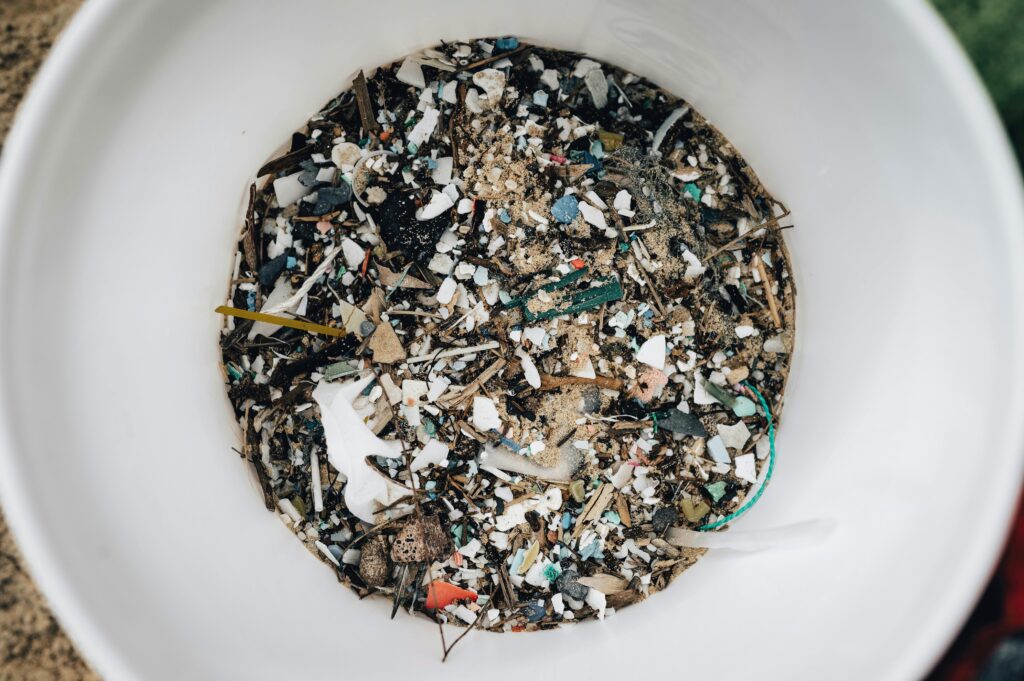
Phthalates are more than a supplement problem; they’re a global health concern. They’ve been detected in human urine, blood, and even breast milk, confirming widespread exposure across all ages. The World Health Organization and the National Institute of Environmental Health Sciences both classify them as chemicals of concern for reproductive and developmental health. The European Union has already banned several types of consumer products due to toxicity. Experts argue that medications and supplements should follow the same safety standards, given how often they are consumed.
Overall Thoughts: What’s Really in the Capsule
Softgel capsules were designed for convenience and comfort, but they don’t come with zero risk. Behind their shiny appearance are chemicals that may interfere with hormones, fertility, and development. The next time you reach for a daily vitamin or supplement, remember that the coating around it matters as much as what’s inside. Look for phthalate-free options, read ingredient labels, and support companies that are transparent about their formulations. When consumers demand safer products, the industry listens.
Disclaimer: This information is not intended to be a substitute for professional medical advice, diagnosis or treatment and is for information only. Always seek the advice of your physician or another qualified health provider with any questions about your medical condition and/or current medication. Do not disregard professional medical advice or delay seeking advice or treatment because of something you have read here.
Read More: Why Vitamin D Deficiency is More Complex Than Just Getting Sunlight or Popping a Pill