
Here’s something not a people know: about three-quarters of people wear underwear that doesn’t even fit right. Too small, too loose, too old. Many of us keep them until the elastic just gives up. What most people don’t realize is how closely underwear and health are tied together.
Usually, we pick underwear by color or style, maybe a sale rack decision. Rarely do we think about what the fabric is actually doing down there. But that tiny piece of cloth sits on the body’s most sensitive skin. The wrong kind can cause irritation, infections, or worse.
This guide takes a simple look at healthy underwear habits. From cotton vs synthetic underwear to tight vs loose underwear, it covers everything, including how often to change underwear and the best fabric for underwear. It’s not rocket science, just basic comfort and hygiene that too many people overlook.
Why Your Underwear Matters
Most people think underwear is just underwear. But it’s really the first layer between your skin and the world.
Your skin is your largest organ, and the groin area is one of the most sensitive parts you have. Sweat, friction, and tight seams make it easy to see why irritation happens. The wrong pair can trap heat and moisture, creating the perfect home for bacteria.
Tight underwear can raise temperatures and reduce airflow, leading to problems like rashes or yeast infections. In men, that warmth can even affect sperm production. On the other hand, breathable materials help air circulate, reducing moisture and keeping the skin calm.
Understanding underwear and your health helps you see why the right pair isn’t just about comfort. It’s about keeping your skin clean and your body happy.
The Best and Worst Fabrics
People often underestimate how much fabric matters. It’s not all the same. Some breathe, some suffocate. Here’s what you should know about the best fabric for underwear, and what to skip.
Best Fabrics
Cotton
Good old cotton. It’s soft, absorbent, and lets your skin breathe. For sensitive people or anyone prone to irritation, cotton is still king. Doctors have been saying that forever.
Modal
Modal feels silky and cool, kind of like cotton’s sophisticated cousin. It comes from plant fibers, keeps its shape, and doesn’t shrink easily. It’s great if you want comfort with a smoother texture.
Bamboo
Bamboo fabric has this nice, natural feel to it. It stays cool and pulls moisture away from the skin. Some call it antibacterial, though that depends on how it’s made. Still, it’s a solid option for hot days or sweaty activities.
Mesh and Technical Fabrics
If you’re active or hit the gym, mesh underwear or performance fabrics can be lifesavers. They wick moisture and breathe better than most synthetics. Just make sure the gusset, the inner lining, is cotton. That part needs to breathe the most.
Fabrics to Avoid
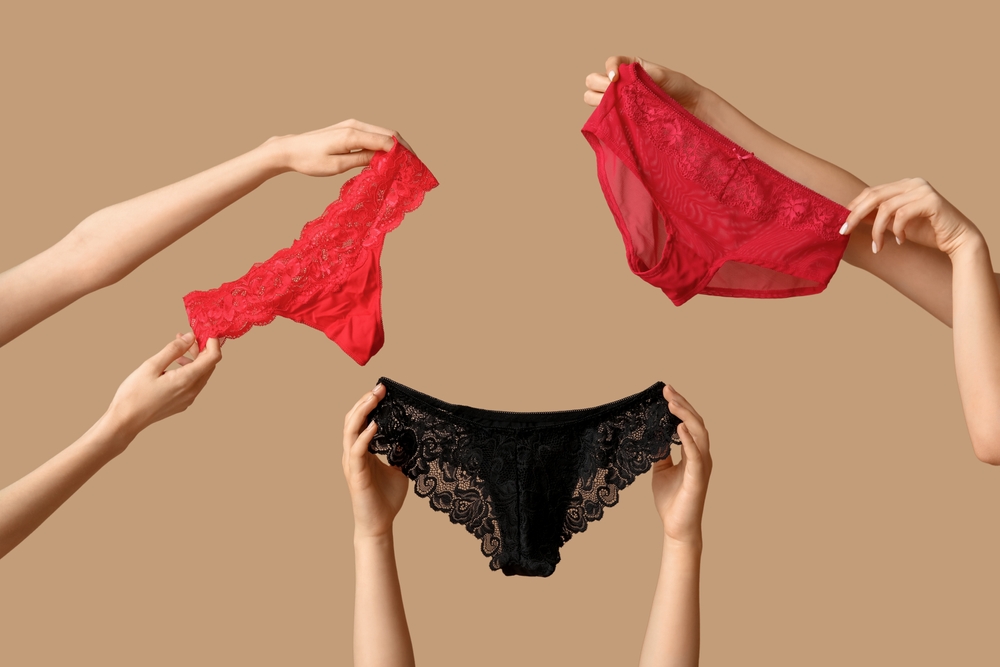
Satin and Silk
They look fancy, but they don’t breathe. Moisture gets trapped, and bacteria love that. Best to save them for special occasions, not every day.
Lace
Lace can be pretty, but also rough. If it’s synthetic, it might rub or irritate your skin. Go for styles with soft cotton linings underneath.
Synthetic Fabrics
When it comes to cotton vs synthetic underwear, cotton usually wins. Polyester and nylon hold in sweat and can cause odor unless made with moisture-wicking tech. Some even have dyes or perfumes that irritate the skin.
Tip: Always check the gusset. Even if the rest of your underwear looks luxurious, that inner patch should be cotton.
How Often Should You Change Your Underwear?
Let’s keep it real. Wearing the same underwear two days in a row is never a good idea.
Sweat, oil, and bacteria build up fast. Clean underwear every day is the bare minimum. If you’re wondering how often to change underwear, once a day is a must, twice if you’ve worked out, been in the heat, or had sex.
After Workouts
After exercise, your underwear is full of moisture, even if it doesn’t feel wet. Bacteria thrive in that. Always change right after your workout. Keeping a spare pair in your gym bag isn’t weird, it’s smart.
Sleeping in Underwear
Some people can’t imagine sleeping without it, and others hate the idea of wearing anything at all. Both are fine. If you sleep in underwear, keep it loose and breathable. Cotton’s your friend here. If you go commando, that’s okay too, it helps skin breathe better overnight.
Washing and Caring for Underwear
Now, washing underwear isn’t complicated, but a lot of people still do it wrong.
You should wash them after every wear. No exceptions. Use mild detergent and skip the fabric softener. It might make your underwear smell nice, but it actually clogs fibers and reduces breathability.
Cool or warm water is fine. Too hot, and you’ll ruin the elastic. Every once in a while, do a warmer wash if you’re dealing with an infection or just want a deep clean.
For delicate underwear, lace or silk, hand-wash it. Gently soak, rinse, and hang to dry. Don’t wring it out or toss it in high heat. That kills elastic faster than anything.
And here’s one that sounds obvious but isn’t: make sure they’re totally dry before storing. Damp underwear invites mildew.
Pro tip: If the waistband is stretched or the material looks tired, it’s probably time for new ones. Old underwear doesn’t owe you loyalty.

Finding the Right Fit and Style
Everyone has a preference. But the best style of underwear is the one that supports comfort and health together.
For Men
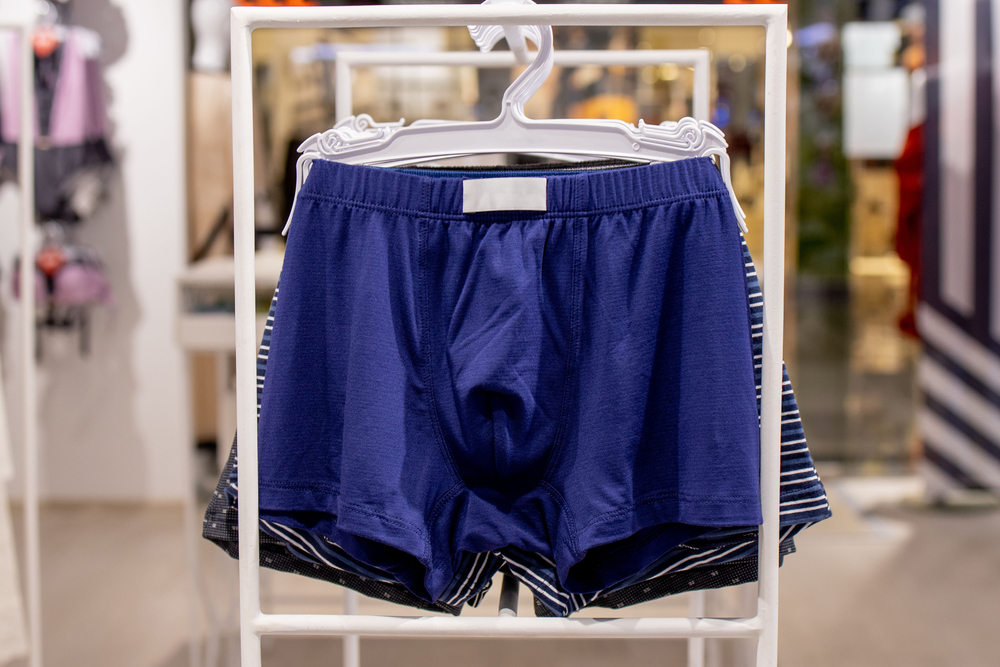
- Boxers
Loose, breezy, and great for airflow. They help keep things cool and comfortable. Studies say men who wear boxers tend to have slightly better sperm counts, so that’s something to note. - Boxer Briefs
Probably the favorite for most guys. Supportive without being suffocating. Just make sure they’re not too tight. - Briefs
Briefs give full support but can trap heat. When comparing tight vs loose underwear, loose usually wins for comfort and sperm health. - Compression Shorts
Great for workouts, not great for everyday wear. Wearing them too long can make you sweaty and uncomfortable.
For Women
- Bikinis and Briefs
Classic styles, comfy, and easy to wear daily. Choose breathable fabrics like cotton or modal. - Thongs
Not bad if they’re clean and fit well. But if they’re too tight or synthetic, they can transfer bacteria. - Boyshorts
Comfy but can ride up sometimes. Fit is everything. - Period Underwear
A lifesaver for some women, but wash them right, cold water, and no softener. They’ll last longer and stay clean.
The bottom line: pick what fits, moves with you, and feels good. That’s all healthy underwear habits really come down to.
Underwear and Health Concerns
Yeast Infections and UTIs
Warm, damp environments help yeast and bacteria grow fast. Tight, synthetic underwear traps heat and moisture, so cotton really is your best bet. Change regularly, stay dry, and skip scented products down there.
Fertility and Temperature
Men’s fertility can take a small hit from too much heat. Tight underwear holds in warmth, and that can affect sperm count. Looser fits or breathable boxer briefs help a lot.
Chafing and Rashes
You’ve probably felt it after long walks or runs. Friction plus sweat equals irritation. Soft fabrics and seamless styles can help. So can anti-chafe creams or powders.
Allergies and Sensitivities
If you get random rashes or itchiness, your detergent or fabric could be the reason. Try switching to dye-free, fragrance-free products. Organic cotton helps too.
Knowing how underwear and health connect can make small problems disappear before they start.
When to Replace Underwear
There’s no prize for keeping a pair until it falls apart.
Most underwear lasts about six to twelve months. After that, the fibers wear down and don’t stay clean as well.
Signs it’s time:
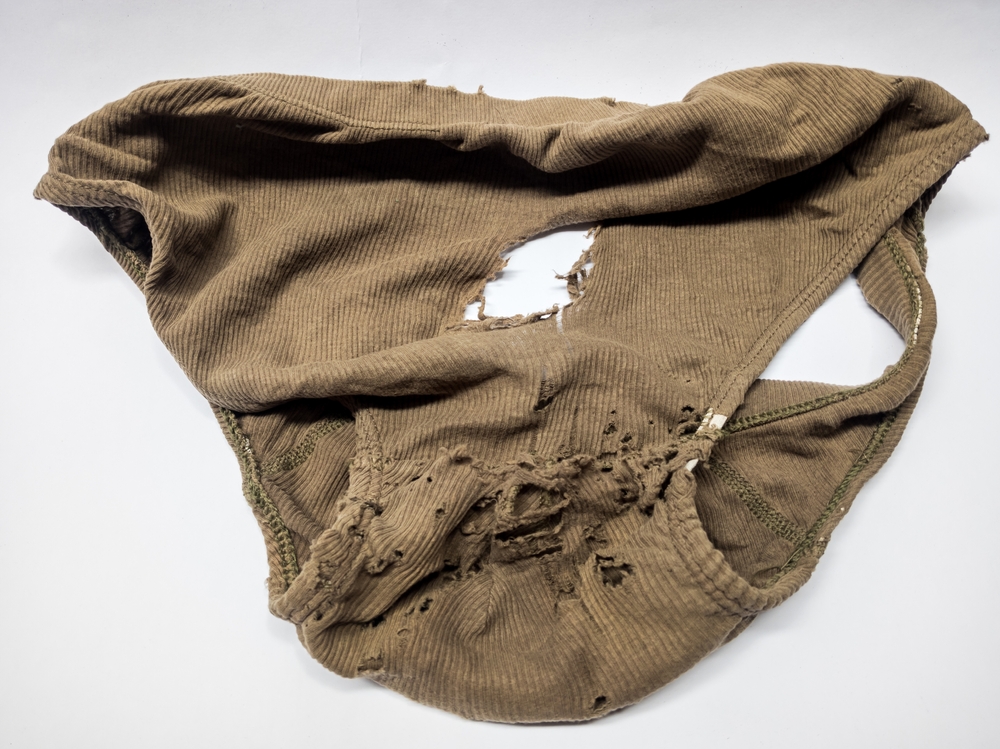
- Loose waistband
- Holes or frayed seams
- Lingering odor
- Fabric so thin you can see through it
Replacing old pairs is part of healthy underwear habits. Your body deserves fresh fabric, not stretched-out relics from college.
Should You Sleep in Underwear?
This one’s up for debate. Some people love the cozy feel, others can’t stand it.
Pros: Warmth and modesty. Cotton underwear is fine for sleeping.
Cons: Tight or synthetic underwear can trap heat and block airflow. That’s how irritation starts.
Best practice: Choose loose, breathable fabrics, or skip underwear altogether. Let your skin rest while you sleep.
Underwear for Travel and Periods
Travel can make even basic hygiene harder, so plan ahead. Bring at least one pair per day plus a backup. Quick-dry fabrics save you if you need to wash in a sink.
For long trips, breathable materials keep you comfortable when sitting for hours. During your period, period underwear works great but wash it well and dry it fully before reusing.
Camping? Disposable underwear isn’t glamorous, but it’s hygienic. It’s worth packing a few. Good planning means your healthy underwear habits won’t take a vacation.
Underwear Across Generations
It’s kind of funny when you think about it. Your grandma probably owned three pairs of underwear total, and now some people buy packs of twenty. Times have changed, and so have habits tied to underwear and health.
Older generations often hand-washed their underwear and dried them in the sun, which naturally killed bacteria. Today, we toss everything in a washer and dryer without thinking twice. Convenience replaced care, and that shift impacts hygiene.
In the past, cotton was standard. Synthetic materials didn’t dominate until the 1960s. Now, with endless stretch fabrics, comfort improved, but breathability didn’t always follow. Modern underwear may look sleek, but many options still trap sweat.
Younger generations also keep their underwear longer. Surveys show many wear pairs years past their prime. Elastic and fabric break down with time, trapping bacteria that washing can’t always remove. Maybe grandma’s sun-drying ritual wasn’t so old-fashioned after all.
The Role of Body Diversity and Fit
Not everyone fits the same size chart. Comfort and fit are essential to underwear and health, and inclusivity is finally becoming part of that conversation.
Body diversity means brands must think beyond small, medium, and large. Tight seams and waistbands can dig into soft tissue, causing irritation and redness. Loose fits that slide around can chafe.
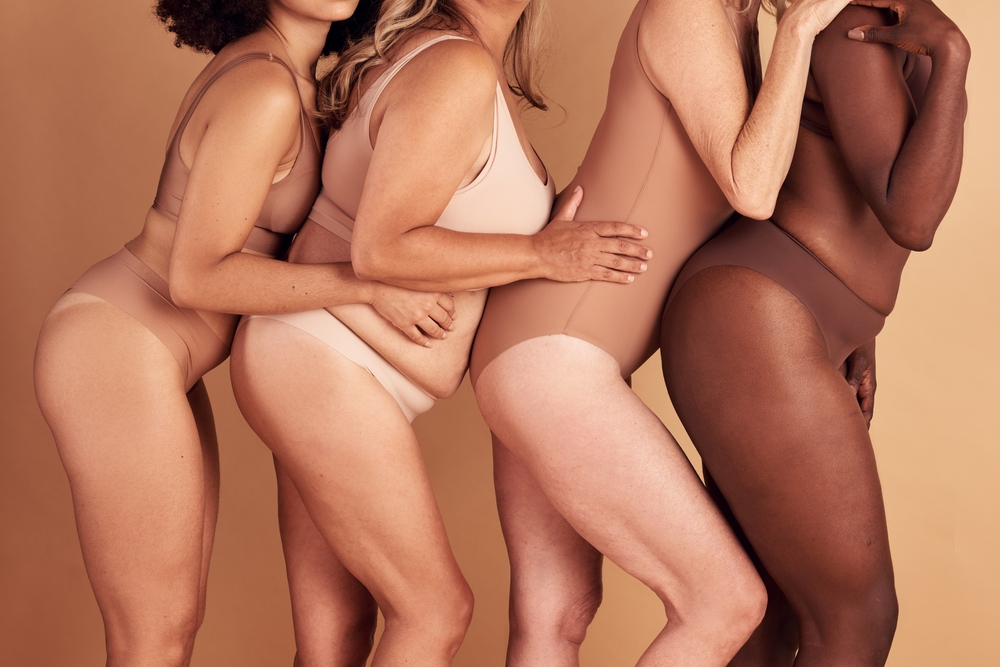
Inclusive sizing prevents discomfort and skin issues. People with thicker thighs may need wider bands. Petite people need underwear that doesn’t bunch or roll. The goal is underwear that supports your body’s movement without squeezing or slipping.
Try this: sit, walk, and bend when trying on a pair. If it digs or shifts, it’s not right. Finding that perfect middle ground between tight vs loose underwear is key to comfort and confidence.
Underwear and Mental Health
No one talks about it much, but underwear quietly affects your mood.
Wearing clean, comfortable underwear gives you a sense of order. Psychologists call this “embodied confidence.” It’s that small spark of calm that comes from feeling fresh.
On the other hand, tight, itchy, or old underwear can annoy you all day. You might fidget, feel distracted, or even more irritable. It’s a simple thing, but it affects focus and comfort more than we think.
Maintaining healthy underwear habits like replacing worn-out pairs or choosing soft fabrics supports mental clarity. Some even say wearing their favorite color gives them an energy boost. Maybe they’re right. Feeling good starts under the surface.
Underwear and Climate
What works in winter won’t always work in summer. Climate has a lot to do with underwear and health.
In hot weather, light and breathable fabrics like cotton or bamboo keep you cool. Synthetic fabrics trap heat unless they’re engineered for moisture control. Avoid multiple layers or heavy waistbands that trap sweat.
In colder weather, layering is fine, but it still matters what sits closest to your skin. Start with breathable cotton, then add thermal layers. Otherwise, you risk heat rash from trapped moisture.
If you live somewhere humid, make sure underwear dries completely after washing. Even slightly damp pairs can grow bacteria fast. Adjusting your underwear choice to your climate is one of the simplest healthy underwear habits to adopt.
What Doctors and Dermatologists Say
Dermatologists and gynecologists see what bad underwear choices can do. Skin irritation, folliculitis, yeast infections, and allergic reactions often trace back to tight synthetic fabrics or poor washing habits.

Doctors recommend natural fibers, gentle detergents, and daily washing. For men, urologists warn that heat from tight underwear can affect sperm quality. Looser fits reduce that risk.
In short, experts agree that underwear and health go hand in hand. Pay attention to your skin. Red marks, itching, or unusual odor are all signs to make a change.
The Science Behind Breathability
When brands advertise “breathable” underwear, it’s not just marketing. It’s science.
Your skin constantly releases heat and moisture. If that moisture stays trapped, bacteria multiply. Breathable fabrics let air flow through, reducing heat and sweat buildup.
Cotton does this naturally, while modal and bamboo balance softness with air circulation. Synthetic blends can work if they use micro-mesh weaves that let skin breathe. Choosing the best fabric for underwear keeps your body cool and your skin balanced.
Read More: Some people are just finding out why they get bleach patches on their underwear
Underwear and Exercise
Exercise adds another layer to underwear and health. The wrong pair can ruin a workout.
During exercise, underwear absorbs sweat, prevents friction, and supports movement. Compression shorts are great for gym use but should be changed immediately afterward.

Moisture-wicking fabrics and mesh panels help manage sweat. For women, cotton-lined sports underwear helps prevent yeast infections. For men, boxer briefs strike a good balance between support and airflow.
Pack an extra pair if you train often. Knowing how often to change underwear makes all the difference after a long workout.
The Hidden Dangers of Going Commando
Skipping underwear sounds freeing, and sometimes it is, but it’s not always the best idea.
Without that barrier, jeans and tight pants can cause friction burns and irritation. Women might experience microtears from rough fabrics. Men can face chafing or odor buildup.
Sleeping without underwear is fine. It lets skin breathe and recover overnight. But during the day, a clean pair adds protection and absorbs moisture. The key to underwear and health is balance, not extremes.
The Future of Underwear
The underwear industry is changing fast. New fabrics are being designed to support both comfort and sustainability.
Some companies are experimenting with temperature-regulating materials and plant-based fibers. Others use silver or bamboo charcoal to resist bacteria naturally.
Researchers are even developing smart underwear that monitors body heat or pH levels. While that sounds futuristic, it shows how far underwear and health research has come.
Buying eco-friendly underwear also helps the planet. Organic cotton and recycled materials reduce waste while keeping your body healthy. It’s a win for comfort and conscience.
A Cultural Look
Underwear isn’t just functional. It’s part of who we are.
Minimalists lean toward simple cotton briefs. Trendsetters love bright prints or lace. Some see underwear as self-expression, others as practicality. There’s no wrong answer.
In many cultures, underwear represents modesty, while in others, it’s empowerment. Feeling good in what you wear, even if no one sees it, builds quiet confidence.
Final Thoughts
By now, it’s clear that underwear and health aren’t separate topics. They work together. Every fabric, fit, and choice affects how your body feels.
Taking care of something so small can change how you experience every day. It’s not about perfection or fashion. It’s about comfort, cleanliness, and respecting your body.
Choose breathable fabrics. Wash them right. Replace them when needed. These healthy underwear habits can improve hygiene, confidence, and overall comfort.
Your underwear might not be visible, but it plays a bigger role in your life than you think.
Disclaimer: This article was created with AI assistance and edited by a human for accuracy and clarity.
Read More: Why Do My Privates Smell? A Guide to Common Causes and Solutions