
A coroner has concluded that the death of 23-year-old Paloma Shemirani was “more than minimally” contributed to by the adverse influence of her mother, Kate Shemirani, a prominent online conspiracy theorist and former nurse. Paloma, a Cambridge graduate, died in July of last year after choosing to forgo conventional cancer treatment in favor of an unproven alternative regimen that included daily coffee enemas.
Diagnosis and the Refusal of Life-Saving Treatment
Paloma Shemirani was diagnosed with non-Hodgkin lymphoma in late 2023. Doctors at Maidstone Hospital advised her to begin urgent chemotherapy. They stressed that the treatment offered an excellent prognosis – an estimated 80% chance of survival. However, the inquest heard that Paloma’s mother, Kate Shemirani, played a “leading role” in swaying her daughter to reject medical advice. Ms. Shemirani, who was previously struck off the nursing register for spreading misinformation about COVID-19, openly questioned the diagnosis and efficacy of chemotherapy, which she has publicly referred to as “the poison path.”
Text messages and voice notes presented at the inquest showed Ms. Shemirano insistently advising her daughter to discharge herself from the hospital, fostering a distrust of the conventional medical system. The coroner, Catherine Wood, concluded that if Paloma had followed the advice of the oncologists, she wouldn’t be conducting her autopsy because she would still be alive.
“It seems that if Paloma had been supported and encouraged to accept her diagnosis and considered chemotherapy with an open mind she probably would have followed that course,” she told the Guardian.
The Alternative Path: Juices and Coffee Enemas
After leaving the hospital, Paloma returned to live with her mother and followed an alternative health program based on Gerson therapy. Her mother claimed to have used this therapy successfully following her own cancer diagnosis years earlier, though Kate had also undergone surgery.
This highly restrictive program involved a strict diet of green juices and supplements, alongside the controversial practice of up to five daily coffee enemas. According to organizations like Cancer Research UK, there is no scientific evidence to support Gerson therapy as an effective treatment for cancer. The coroner found Ms. Shemirani’s actions in supervising this alternative plan and claiming her daughter was “well’ in July 2024, despite her worsening condition, to be “egregious and incomprehensible.”.
What Are Coffee Enemas?
Coffee enemas involve the rectal infusion of a solution made from brewed coffee and water. They gained notoriety as a component of the Gerson Therapy, an alternative cancer treatment that claims to detoxify the body and stimulate bile flow from the liver. Proponents of the method assert that the caffeine is absorbed through the rectal wall, travels via the portal vein to the liver, and helps the liver release built-up toxins, thereby ‘cleansing’ the body and improving general health or fighting disease. For individuals with cancer, they are touted as a way to manage pain and cleanse the blood, often alongside a restrictive diet of juices and supplements.
Scientific and medical consensus, however, firmly rejects these claims. There is no robust evidence to support the theory that coffee enemas detoxify the liver, treat cancer, or provide any clinical benefit beyond the temporary relief of constipation. Furthermore, the practice carries significant risks, including chemical burns to the rectum, sepsis, electrolyte imbalance (which can lead to heart failure), and bowel perforation. The most dangerous shortcoming is not necessarily the direct toxicity of the enema itself, but that patients frequently use it as a replacement for proven medical therapies, leading to critical delays in receiving effective, life-saving conventional cancer treatment.
Tragic Outcome and Brother’s Blame
Paloma’s twin brother, Gabriel, and her older brother, Sebastian, have been vocal in their blame, asserting that their mother’s anti-science views were the direct cause of their sister’s death. Gabriel Shemirani stated that his sister had been “fed fake information” and that their mother was “against her daughter seeking medical treatments that could have saved her.”
“I believe that she sacrificed Paloma’s life for her own principles, I believe that she should be held accountable for Paloma’s death,” he said.
Paloma collapsed on July 19th of last year and was rushed to Royal Sussex County Hospital, where medical staff found a large, untreated tumor in her chest and neck. She died five days later from an unsurvivable brain injury caused by a long cardiac arrest, the result of her rapidly progressing cancer. The coroner formally concluded that the parents’ influence on Paloma’s medical decisions contributed “more than minimally” to her death, ruling out a conclusion of unlawful killing but confirming the profound impact of her mother’s advice.
Kate’s Response
https://ichef.bbci.co.uk/news/
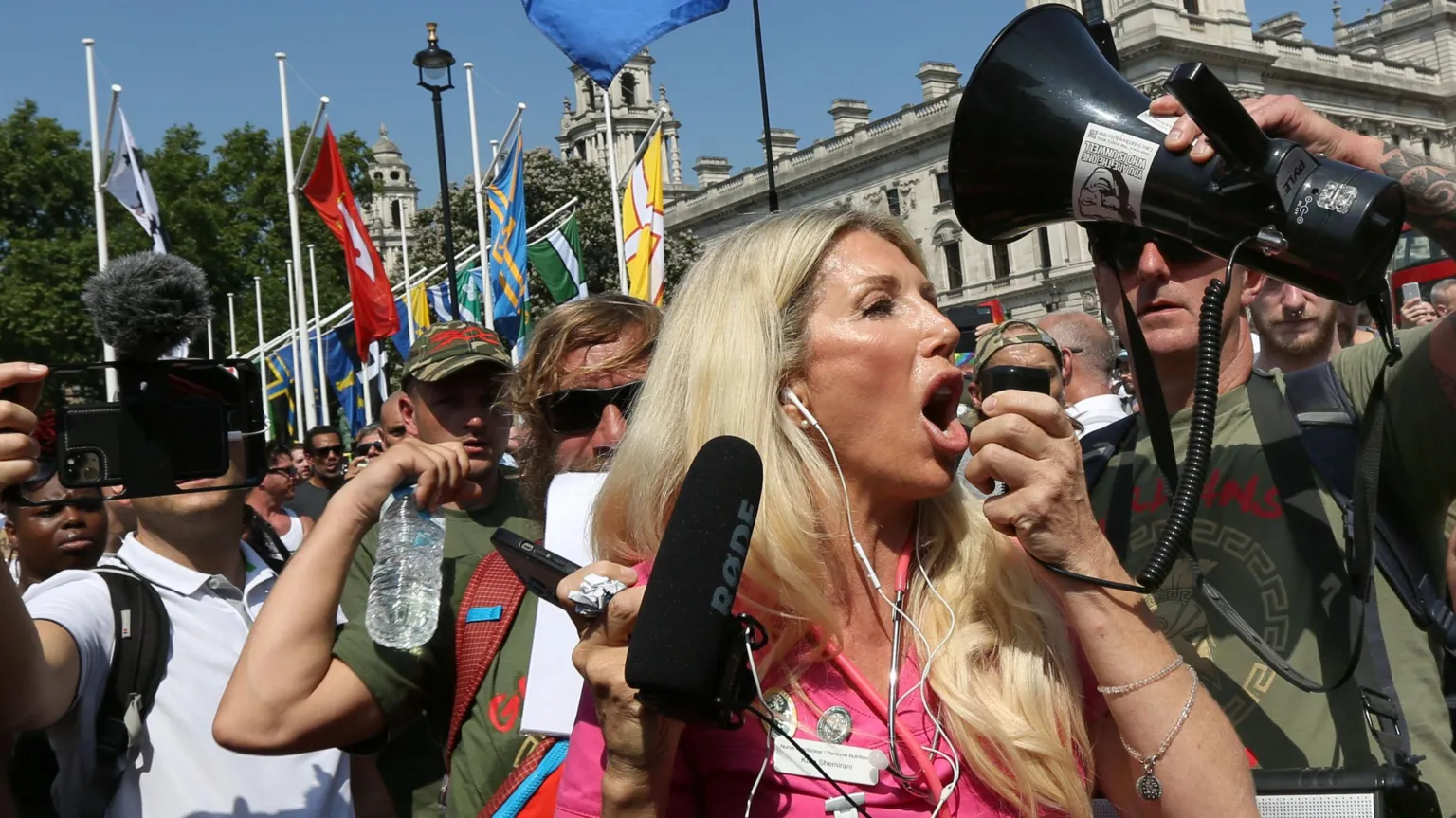
Kate Shemirani vehemently rejects the coroner’s finding that her influence contributed to her daughter Paloma’s death. Instead, she claims that her daughter died due to “gross negligence manslaughter” by medical staff. Ms. Shemirani asserts that Paloma made her own treatment choices, driven by her own research and belief in natural healing. She states that her daughter was never a victim of coercion. She maintains that Paloma was actually “well” on the morning she collapsed, and that her health only deteriorated catastrophically after paramedics intervened and administered drugs without consent. Ms. Shemirani believes the inquest was a deliberate attempt to shift the focus from the real cause of death. She insists that this lies with the medical staff whom she accused of failing to confirm the diagnosis and administering harmful medication.
The Perilous Choice: When Alternative Medicine Replaces Proven Cancer Treatment
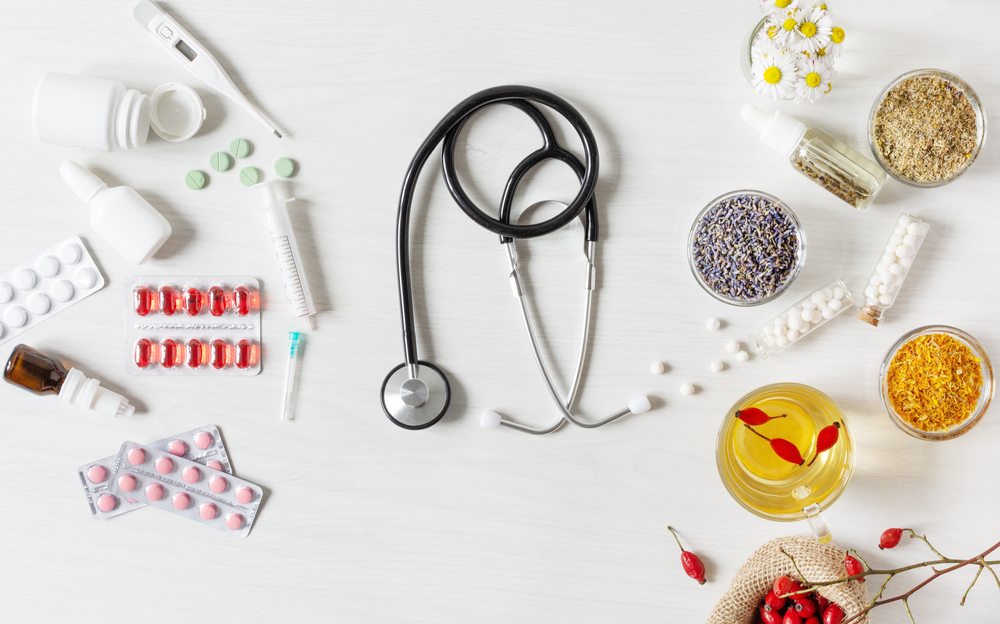
The story of Paloma Shemirani casts a stark light on a critical public health issue. While the appeal of “natural” or alternative approaches can be strong, mounting scientific evidence consistently demonstrates the profound and often fatal risks associated with choosing such methods in place of evidence-based medical care for cancer. The harm, as research unequivocally shows, often stems not from the alternative therapies themselves, but from the dangerous delay or outright refusal of life-saving conventional treatments that allow aggressive diseases to progress unchecked.
The Elevated Risk of Mortality: A Sobering Reality
One of the most compelling insights into the dangers of this choice comes from a 2017 study published in JAMA Oncology by Johnson et al. This rigorous analysis revealed that patients who opted for alternative medicine instead of conventional cancer treatment faced a significantly higher risk of death. Overall, their risk was approximately 2.5 times greater. For those battling breast cancer, the statistics were even more alarming, with patients facing a nearly five-fold increased risk of mortality.
This study underscores a critical point: while personal autonomy in healthcare decisions is valued, informed choices must be built on a foundation of scientific evidence. When that foundation is replaced with unproven claims, the consequences can be devastating.
Australian Insights: The Price of Refusal
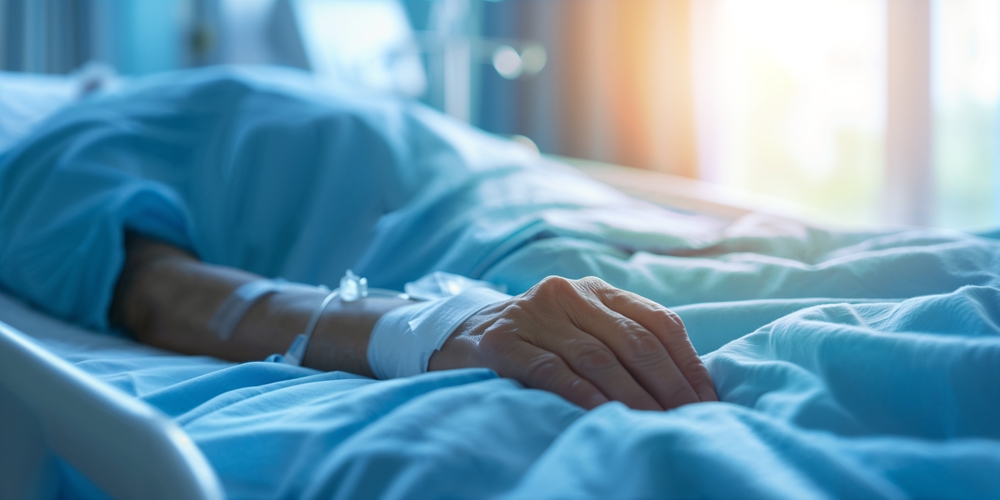
Further supporting these findings, an Australian study focusing on breast cancer patients echoed the grave risks. This research specifically examined outcomes for individuals who refused surgery or chemotherapy, instead relying solely on alternative therapies. The results were grim: of 11 patients who declined surgery, 10 developed disease progression. For some, rejecting standard care was associated with an increase in their 10-year mortality risk by up to 50%.
These studies are not merely academic exercises; they represent real people, real diagnoses, and the tragic loss of potentially salvageable lives. They highlight how crucial prompt, evidence-based intervention is in the fight against cancer.
Time is of the Essence: The Impact of Treatment Delays
Cancer is a time-sensitive disease, and delays in treatment can dramatically alter outcomes. A comprehensive meta-analysis published in the BMJ quantified this risk, demonstrating that every four-week delay in starting cancer treatment – whether surgery, chemotherapy, or radiation – increased the risk of death by between 6% and 13%, depending on the cancer type.
The impact was particularly stark for breast cancer, where a 12-week delay in initiating treatment was linked to a staggering 71% higher risk of death from the disease. This evidence strongly suggests that even if an alternative therapy itself isn’t directly harmful, the time spent pursuing it while delaying proven medical care can be just as lethal, giving the cancer valuable time to spread and become untreatable.
The True Harm: Delaying the Efficacy of Science
The cumulative weight of this research points to a clear conclusion: the primary danger of choosing alternative cancer treatments over conventional ones is not necessarily inherent toxicity from the alternative methods, but rather the delay or refusal of effective, evidence-based treatments. This allows the cancer to grow, metastasize, and reach stages where even conventional medicine can no longer offer a cure.
While the desire for control, fear of side effects, or belief in natural remedies are understandable human responses to a terrifying diagnosis, it is vital that patients and their families understand the documented, often irreversible, real-world consequences of turning away from established medical science. Informed consent in cancer care must include a clear understanding of the risks of not pursuing conventional treatment.
Read More: Here Are 10 Genuine Ways You Can Help Someone Who’s Receiving Cancer Treatment