
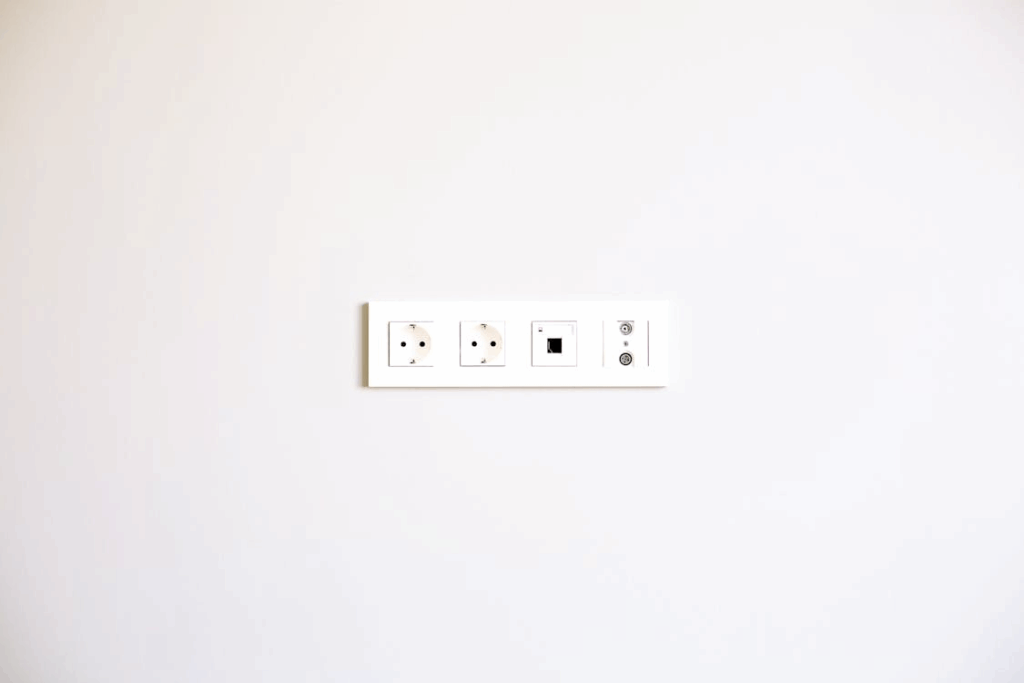
Most assume that turning off lights and electronics is enough to stop electricity use. Yet, even when a home appears to be resting, small energy streams flow through plugged-in devices. This unseen consumption is known as phantom energy, hidden electricity drain, or sometimes vampire power. It happens when electronics draw electricity while in standby mode, quietly raising utility bills without anyone noticing. Many everyday items are guilty of this hidden waste, from phone chargers and microwaves to televisions and gaming consoles. Studies suggest that phantom energy can account for 5% to 10% of total household energy use, depending on how old or advanced the appliances are.
Why Modern Devices Keep Drawing Power
Today’s homes have smart devices designed for convenience and instant readiness. Many of these products remain partially active, even when switched off, so they can respond quickly when needed. For instance, smart televisions that connect to Wi-Fi and other home systems can consume up to 40 watts of energy while idle. That is about 40 times more than older models that completely shut down. According to experts from the American Council for an Energy-Efficient Economy, manufacturers are now working to reduce standby power use through voluntary efficiency agreements. However, phantom energy will remain a challenge as households grow more connected.
The Environmental Cost of Hidden Electricity Drain
While a single device’s standby consumption seems small, the collective effect is substantial. Every bit of unnecessary power drawn by idle appliances increases demand on the electrical grid. In many regions, that power still comes from fossil fuels that release carbon dioxide into the atmosphere. Environmental analysts estimate that when millions of homes waste energy simultaneously, the total emissions can rival those from entire industrial sectors. By simply unplugging unused electronics, households lower their bills and help curb the demand that drives greenhouse gas production. Over time, small domestic changes can make measurable differences in global emissions.
Practical Ways to Cut Hidden Energy Waste

Reducing phantom energy does not require extreme effort. Experts recommend starting with minor adjustments that can quickly become habits. Unplugging phone and laptop chargers once devices are fully charged prevents constant trickle use. Appliances with clocks or lights, such as microwaves, can also be disconnected when unnecessary. Homeowners can use smart power strips that automatically cut electricity when equipment goes into standby mode for devices that must stay connected, like routers or smart speakers. Adjusting settings on smart televisions or computers to disable instant-on or voice activation features further reduces unnecessary energy draw.
Why Individual Action Still Matters
It is easy to overlook the impact of individual habits, but behavioral research shows that visible environmental choices can inspire others. When people unplug unused electronics or invest in energy-efficient devices, they often influence friends, family, and neighbors to follow suit. According to data from Vanderbilt University, collective household actions could reduce national carbon emissions by roughly 20% per year, equal to more than 400 metric tons of carbon dioxide. Each step taken toward lower consumption strengthens sustainability efforts. Over time, simple acts like unplugging chargers or switching off innovative features can reshape energy culture entirely.
A Smarter Way to Save
Phantom energy might seem harmless, but it quietly drains wallets and resources across millions of homes. Awareness is the first step toward change. By identifying devices that stay powered when idle, homeowners can make more intelligent choices that save money and protect the planet. Unplugging electronics, using advanced power strips, and adjusting device settings all help limit unnecessary consumption. The solution requires no special technology or costly upgrades, just awareness and consistency. In the long run, curbing phantom energy is one of the easiest and most cost-effective ways to support household budgets and environmental health.
Disclaimer: This article was created with AI assistance and edited by a human for accuracy and clarity.
Read More: Is It Safe to Keep Chargers Plugged In? Here’s What Experts Say