
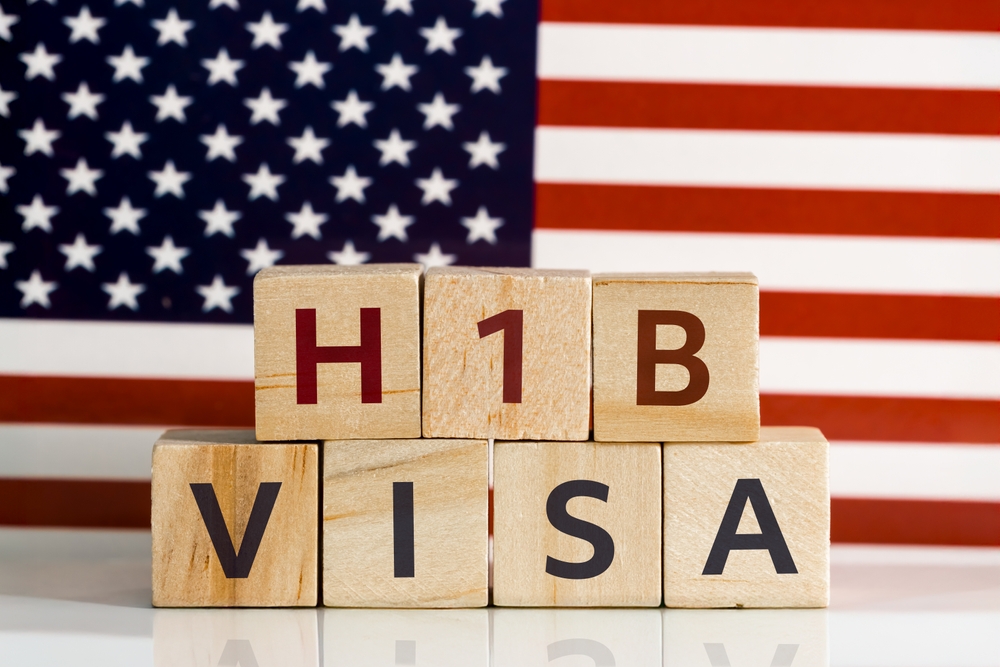
The H-1B visa has always been the ticket many skilled foreign workers needed to live and work in the United States. Companies leaned on it to fill gaps in industries like tech, medicine, engineering, and even finance. But now, that path is changing in a way nobody really saw coming. President Donald Trump has signed a proclamation that bumps the cost of applying from roughly $1,500 to a staggering $100,000. This visa price increase in the US will kick in from September 21, 2025, and people are already arguing about what it means. Some say it protects American workers, others fear it puts the country on a path where global talent just goes somewhere else instead.
The Visa, the Proclamation, and Who Gets Caught in the Middle
The H-1B program might sound complicated, but really it comes down to a simple idea. U.S. employers need skilled workers, and sometimes they just can’t find them at home. For years, they could file a petition, pay government fees, and bring in workers from abroad. The price was never cheap, but most companies could manage it. Suddenly, with Trump’s proclamation, the cost is set at $100,000 for every new petition. That’s not a typo, that’s the actual new number.
Signed on September 19, the order called “Restriction on Entry of Certain Nonimmigrant Workers” makes the new cost-effective from September 21 onward. If an application was filed before that date, it’s safe under the old rules. People already holding an H-1B visa can still renew or extend without paying the increase. But if you’re a company planning to file after the deadline, you’ll need to cough up the full $100,000. The order also raises prevailing wage rules, so salaries for these foreign workers will have to be higher. Employers are staring at two major costs, not just one.
There are a few exceptions, but they’re vague. National interest waivers could apply to industries like defense, healthcare, or essential infrastructure, but nobody really knows for sure yet. Even immigration lawyers admit that the language leaves plenty of gray areas. So, for now, businesses are left wondering if they qualify for relief or not.
Business Reactions, Economic Fears, and Foreign Governments Watching
The reaction from American businesses was loud and fast. Tech companies, especially those in Silicon Valley, are worried they’ll lose access to the global talent that helped them grow in the first place. The U.S. Chamber of Commerce warned that this visa price increase in the US could drive innovation and research abroad. Economists piled on too, saying the sudden jump is risky for long-term growth.
India, which sends the most H-1B workers to the U.S., was quick to respond. Officials there blasted the move, saying it damages trade relations and hurts both sides. India’s software and outsourcing firms rely heavily on U.S. operations, and for them, a $100,000 visa bill isn’t something to brush off. Other countries are paying attention as well. Canada and the U.K., for example, might end up gaining from this shift. Workers who can’t afford the steep cost to get into America could take their skills to other countries instead.
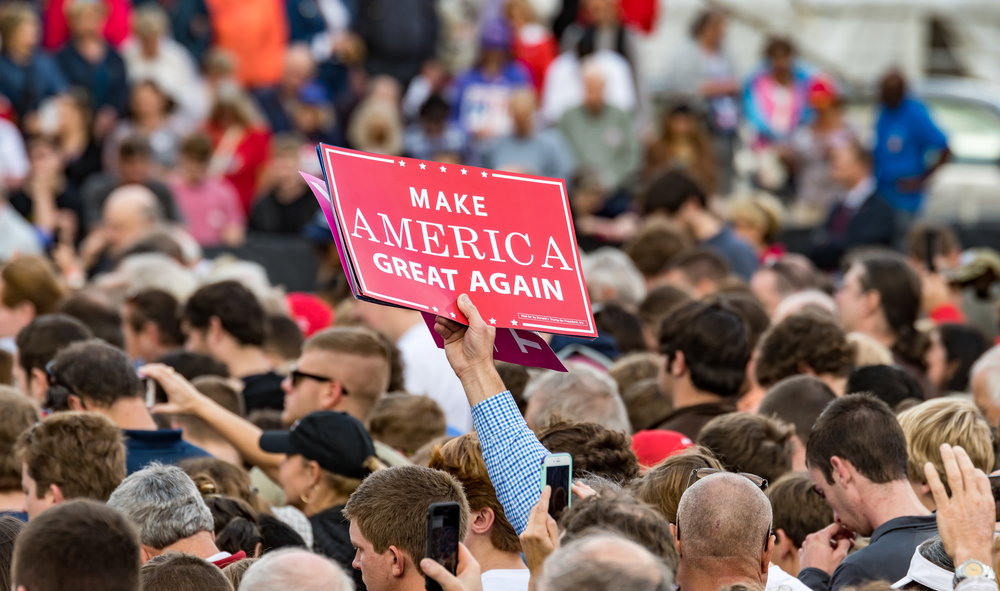
Supporters of the change, however, see it in a very different light. They argue the new policy forces companies to stop depending on cheap foreign labor. Donald Trump’s allies frame it as a way to push businesses to hire Americans first, invest in training at home, and pay fair wages. Some people also believe the revenue from the fees could be used for immigration enforcement or job programs, though no clear plan for that has been announced yet.
The Trump Gold Card Angle
As the debate rages on about the new visa price, another piece of the immigration story is the so-called Trump Gold Card. The administration introduced it as a premium option, pitched almost like a fast-track pass for wealthy investors and elite professionals. While the H-1B fee is climbing, the Gold Card promises quicker processing, added travel flexibility, and a kind of status symbol for those who can afford it.
Critics say it creates a two-tier system, where ordinary skilled workers face massive hurdles while the rich get smoother access. For example, tech workers from India or students finishing degrees in America may find the new H-1B price impossible, but billionaires or investors with Gold Cards can still glide through. Supporters argue it makes sense because wealthy immigrants contribute directly to the economy and jobs. Still, the card has been called “immigration for sale” by opponents who see it as proof that money talks louder than skill.
Whether the Gold Card becomes popular or fades into a political talking point, its timing is hard to ignore. Rolling it out alongside the US visa price increase gives the impression that one door is being closed while another, more expensive one, is being cracked open for a select few. It’s not surprising that this has only added to the criticism around Trump’s broader immigration agenda.
Read More: Four Arrested After Trump-Epstein Images Projected onto Windsor Castle
Legal Uncertainty, Problems, and the Bigger Picture
Immigration lawyers and legal experts predict plenty of lawsuits going forward. They say such a sharp hike might not follow the standard rule-making process. Fees usually change gradually, not in leaps that make headlines worldwide. Universities and research institutions are also preparing to challenge the policy, since they depend heavily on H-1B visas to bring in scholars, scientists, and researchers.
Even if lawsuits don’t slow it down, there are practical problems to solve. Agencies like U.S. Citizenship and Immigration Services need to redesign their systems to handle the new charges. That means new paperwork, new collection processes, and almost certainly more delays. Companies already complain about long waits, and now the entire system risks slowing down even further.
This change also fits neatly into Trump’s broader immigration strategy. From travel bans to strict refugee caps, he has always promised to limit foreign entry into the U.S. The US visa price increase is simply another step in that direction. For some Americans, this is exactly what they voted for. For critics, it’s proof that the U.S. is moving away from being the world’s top destination for innovation and global talent.
What Comes Next
Nobody really knows what comes next. Court battles could drag on for months, maybe longer. Congress could decide to step in if business pressure grows too loud. For now, companies are making backup plans. Some will reduce foreign hiring, others might expand offices in other countries. Universities will likely struggle the most, as they compete with foreign schools for top researchers who may no longer see America as an option.
Closing Thoughts
The US visa price increase is one of the most dramatic policy shifts in years. To some, it’s a bold way to protect workers at home. To others, it’s a reckless move that risks long-term damage to the economy. Either way, the conversation is not ending soon. Whether this change strengthens the American workforce or weakens its global position will only become clear with time. But what is certain now is that the future of skilled immigration in the U.S. is entering very uncertain territory.
Read More: Online Reactions Pour In After Trump Says “Smart People” Don’t Like Him