
Last week, conservative activist Charlie Kirk was shot dead at a rally held at Utah Valley University. Ironically, he was shot while answering a question about gun violence. Kirk was promptly rushed to the hospital, but reports soon followed that he had passed away. A local from Utah, 22-year-old Tyler Robinson, was subsequently arrested for the murder and is currently standing trial. He faces charges of aggravated murder, felony discharge of a firearm, and obstruction of justice, and will likely receive the death penalty if found guilty.
Neuroscientist Breaks Down the Charlie Kirk Video
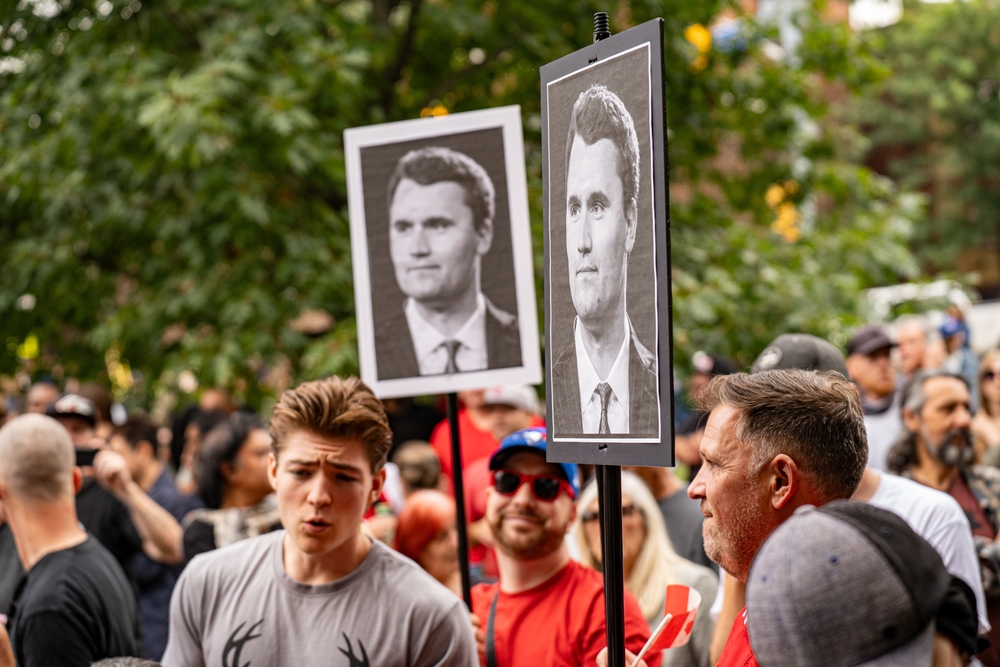
Straight after the shooting occurred, social media was flooded with the graphic video of Kirk’s assassination. The videos show that Kirk lifted his arms towards his chest straight after being shot. Several experts have since weighed in on why he lifted his arms in this manner. While some believe that the shot was intended for Kirk’s head, others have speculated that it might have been aimed at his chest and ricocheted off his bulletproof vest. One medical expert, Josh Cottle, stated that he believes Kirk entered into decorticate posturing after being shot.
This refers to a reflexive movement characterized by the arms involuntarily curling toward the chest. “Many people mistook this for him trying to grab the wound … you can see shortly after that that he just goes completely limp,” stated Cottle. However, not everyone agrees with this prognosis, such as neuropsychologist Derek van Schalk. The doctor stated that “Many have speculated his arms moving upward towards his chest is due to a phenomenon known in forensic science as decorticate posturing. However, that’s unlikely.”
According to Dr van Schalk, decorticate posturing typically occurs when higher brain areas such as the cerebral hemispheres are seriously damaged. When this occurs, voluntary motor control is cut off. Dr van Schalk went on to explain that such a rapid loss of blood to the brain won’t usually result in decorticate posturing. Rather, such a sudden loss of blood would result in instant unconsciousness and flaccid collapse. “Therefore, his arms instantly moving up like that after being hit was apparently due to an instant involuntary defensive reflex,” concluded the Dr.
Read More: What We Know So Far About the Motive Behind the Charlie Kirk Attack
It Happened Too Quickly for Kirk to Have Known he was Shot
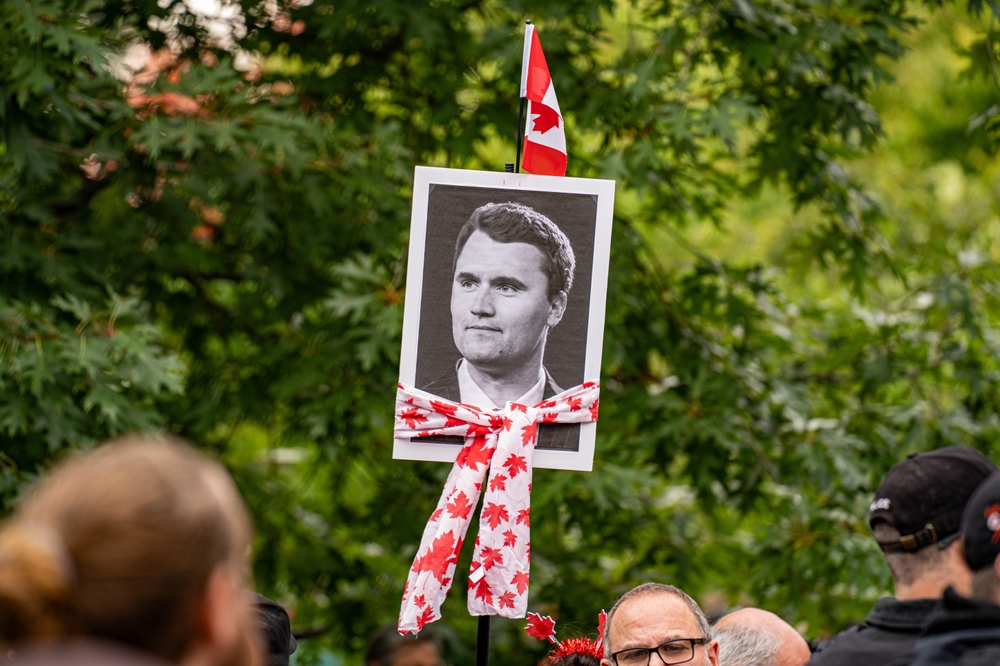
Dr van Schalk explained that if a person gets shot in the neck and the carotid artery and jugular vein are destroyed, there would only be a fleeting moment wherein they could potentially be aware of what is happening. After reviewing the video of Kirk’s shooting, however, he determined that “he was conscious for no more than four-tenths of a second after impact. Far too fast for his brain to even register what had happened to him.” In other words, the activist would not have experienced any panic in his last moments, only a very sudden blackout.
According to the doctor, this means that it was neurologically impossible for him to even know anything was wrong at all, stating that “He absolutely did not know he was shot.” Therefore, it is highly likely that he was not raising his arms towards where he had been shot, but that it was rather an involuntary action. Decorticate posturing is a stiff position that is held for a long duration and typically happens with serious, long-term brain damage. It does not simply pop up for a split second and then disappear again. This is why what was observed was more than likely an automatic flinch.
This type of quick reflex can occur straight after being shot and then fade as the blood flow to the brain stops. One potential reflex candidate is the “startle-flinch” sequence, which is mediated by the brainstem. In this involuntary sequence, the shoulders start to elevate, the elbows flex, and the hands move towards the midline. This seems quite in line with what can be observed in the video clip of Charlie Kirk’s shooting. Also known as a thoracic protection reflex, it can look purposeful but is an involuntary reflex.
The Bottom Line
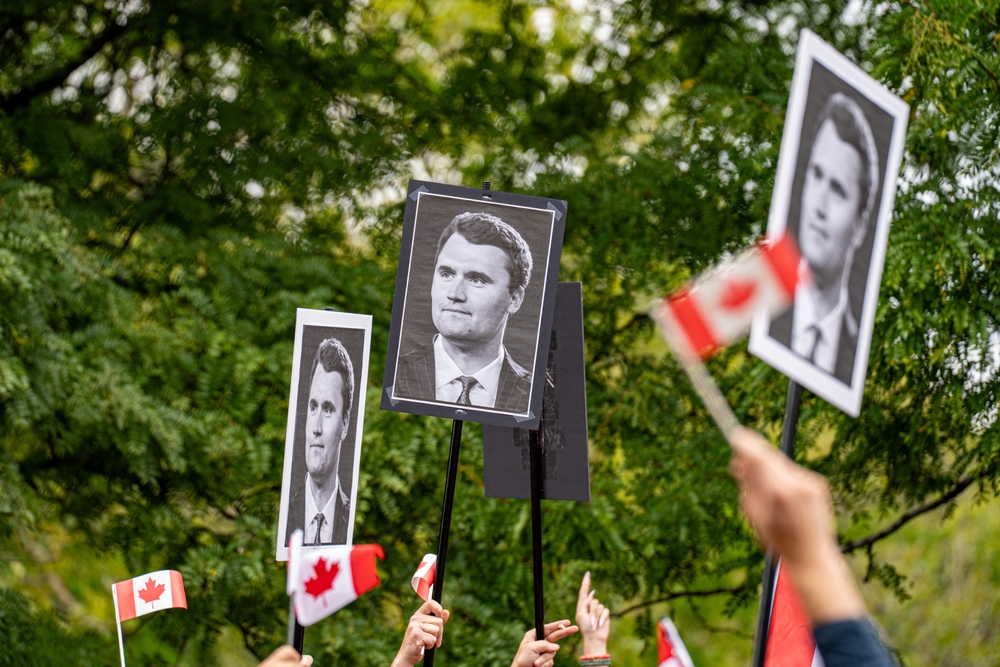
At the end of the day, examining the footage won’t change the outcome, but perhaps it may bring some peace of mind to those who were concerned that Charlie Kirk experienced pain or terror in his final moments. Watching the clip may make some people feel that he was aware of what was occurring and reaching out, or reacting to potential brain damage. However, it seems far more likely it was an involuntary reflex response, and he was completely unaware that he was even shot. Either way, it is a terrible way for anyone to end their lives, and violence should always be condemned. Now, it is up to the courts to decide the fate of the young man from Utah who fired the fatal bullet.