
The burden of commercial air travel, especially those who fly economy, has become increasingly difficult in recent years. Seat sizes have significantly shrinked, food quality has deteriorated and hidden costs for baggage are plentiful. Before even boarding, air travelers are subjected to invasive security measures at the airport. To travelers, it is clear that airlines have pushed profit over traveler satisfaction and comfort, leading to uncomfortable flights for hours while confined in narrow spaces. So the last thing any passenger wants to encounter on top of the impending stress of travel, are entitled passengers. To top off a terrible flight experience, passengers who feel entitled to encroach on other people’s space further causes frustration for travelers. Annoying behavior from fellow travelers can make these experiences worse, particularly when shared space is contested.
The United Passenger’s Experience
A recent United Airlines flyer took to an online community to complain of such an experience. A passenger shared an altercation with a plus-size couple after refusing to raise their armrest for the couple. According to their account, as the couple made it down the aisle, it was clear that their assigned seats would be inadequate. The couple’s seats were located right next to the passenger. The couple immediately demanded that the armrest be lifted so the woman could spread into the neighboring seat. Their request forced the seated passenger into an uncomfortable conflict over boundaries and shared space.
The Confrontation Over the Armrest
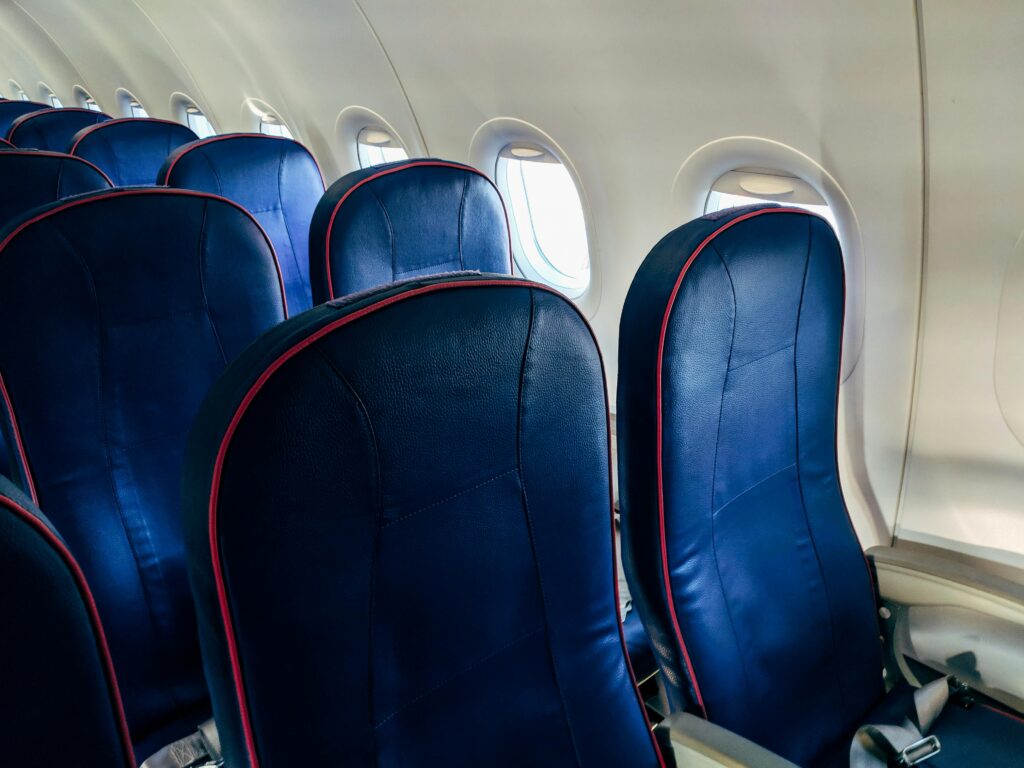
The passenger had already settled into a window seat, prepared for the flight, and positioned for a peaceful flight. When the couple arrived, the woman asked that the armrest be lifted. She argued that the barrier limited her comfort and movement. The seated traveler politely declined, protecting the space they had paid for. The couple continued pushing the issue, squeezing in with the plus-size husband spilling over into the aisle. The woman even forcefully attempted to raise the armrest herself, making the situation more tense. The situation escalated, and eventually, the couple requested that the flight attendant intervene.
The Flight Attendant’s Response
When the flight attendant arrived, she calmly explained to the entitled passengers that there was nothing she could do. She stated that no passenger is obligated to give up paid seat space to another traveler, according to their airline policy. The plus-size couple were furious and left feeling awkward as their request for more space was denied. Over the 3-hour flight, the angry couple shifted uncomfortably and expressed irritation. For the window seat traveler, it was an uncomfortable scenario made tolerable only by holding firm to their rights. However, this conflict raises important questions about current air travel policies.
Passenger Outrage and Online Reaction
In an online community forum, the passenger also discussed their dissatisfaction with the entitled passenger and flight policies. In their post, they strongly criticized airlines for lacking clear solutions for plus-sized passengers. Many commenters supported the passenger’s stance, with one suggesting that airlines should compensate travelers forced into such situations. Others argued that weight-based accommodations are overdue, especially with shrinking seating options.
Airline Seating Policies Around the World
Current airline practices vary significantly by country. Most airlines never focus on their economy class patrons, allowing children to be a disturbance to other passengers. While Dutch-Turkish carrier Corendon Airlines announced in 2024 that it would offer child-free cabins, little effort has been made accommodating plus-size passengers.
Air France provides a 25% discount for extra seats for larger-bodied travelers if the allocated seat is inadequate in width. In Canada, federal aviation rules allow plus-sized passengers to request a free additional seat when they provide size measurements. While these policies show sensitivity toward larger travelers, they are uneven across the industry. United Airlines does not appear to offer similar structured solutions, leaving incidents like this unresolved.
Inclusive Approaches by Some Airlines
Not all carriers are avoiding the issue. Southwest Airlines is often cited as a model of inclusivity. Its “Customer of Size” policy permits passengers who require more room to buy an additional seat. They receive a refund afterward, ensuring they pay no penalty for accommodating their needs. The process is straightforward and avoids public embarrassment. Such programs reduce passenger tension by establishing clear expectations from the start, rather than leaving disputes to inflight confrontations.
The Challenge of Shrinking Seats
According to an article by Jessica Murray for The Guardian, certain airlines, including Air Canada, have rebranded their seats as “slimline”. Air Canada introduced “slimline” seats that reduced seat width from 18.5 inches to 16.9 inches. This trade-off boosts revenue but creates tighter conditions for passengers of all sizes. For larger travelers, the reduced dimensions transform flying into a painful and often humiliating ordeal. For average passengers, the smaller space makes shared seating conflicts more inevitable.
Debating Solutions and Future Policies
Some argue that all airlines should adopt structured policies like Southwest’s. Others believe passengers must accept that their ticket only buys a fixed amount of space. Advocates for inclusive travel insist that thoughtful accommodation is necessary as global obesity rates rise. The broader travel industry now faces growing pressure to find fair, workable solutions.
Read More: Southwest Airlines to Require Plus-Size Passengers to Book Extra Seat