
Just open any information leaflet that accompanies a medication, and you will likely be faced with a long list of potential side effects. In other words, there is a possibility that you can create one issue while trying to deal with another. This is even true for typical over-the-counter medications used to treat various digestive issues. One, in particular, could be increasing your risk of heart attacks and coronary diseases if taken regularly. Let’s take a deeper look at this potential link between antacids and heart risk.
Why Too Much Calcium is Not Good for You
Your typical blood test usually includes a calcium level check. Calcium is vital for your bone health, and a deficiency could indicate other underlying conditions. However, having high calcium levels can also cause certain health conditions. Known as hypercalcemia, high calcium levels can result in a disruption of brain function, kidney stones, and heart issues. It can have a serious impact on your cardiovascular system, leading to arrhythmias. This is because high levels of calcium affect the electrical activity of the heart.
Calcium is a positively charged ion that helps carry electrical signals to the heart when the levels are normal. Yet too much calcium alters the heart’s electrical activity, which leads to heart rate changes. “A genetic predisposition to higher serum calcium levels was associated with increased risk of coronary artery disease and myocardial infarction,” noted one study published in 2017. However, it is not just those with an underlying condition or genetic predisposition at risk. In fact, it can affect anyone who ingests too much calcium.
Doctors Warn of a Link Between Antacids and Heart Risk

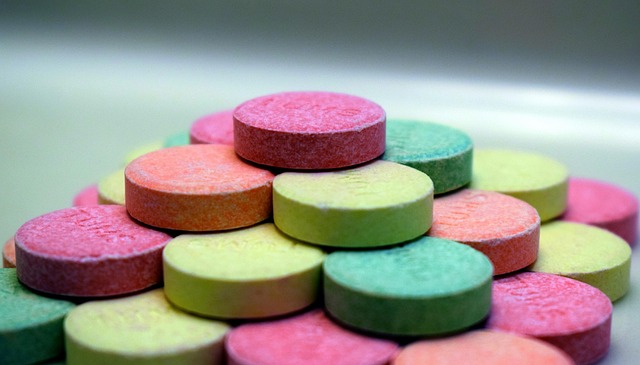
According to the Cleveland Clinic, “Taking too much calcium carbonate in the form of Tums or Rolaids is actually one of the more common causes of hypercalcemia.” Now, the issue with calcium carbonate is that it contains around 40% elemental calcium. According to the previously cited 2017 study, medication that results in sustained serum calcium elevation may slightly increase your risk of experiencing cardiovascular events. Therefore, you should never take antacids as a daily preventative measure and only use them when needed. Your typically healthy adult should consume around 1,000 mg of calcium daily, according to the NIH. This should increase to around 1,200 mg every day for men over 70 and women over 50.
Now, depending on the strength, one Tums contains between 500 and 1000 mg of calcium, which would already meet your daily requirement before consuming anything else. These high levels can lead to kidney issues and constipation. For older individuals with reduced kidney function, it is important to keep tabs on how much calcium they are taking in. Because your kidneys have to work extra hard to filter the excess calcium out, you may find yourself constantly thirsty and needing to urinate. Some people also experience various gastrointestinal issues, such as nausea, vomiting, constipation, and diarrhea. Not only does hypercalcemia cause kidney and digestive issues, but it can also interfere with normal brain function. Patients sometimes feel confused, lethargic, tired, and even experience cognitive issues and psychosis in rare cases.
Alternatives to Over-the-Counter Antacids

The good news is that there are several natural alternatives to OTC antacids. Ginger is known to have anti-inflammatory properties and for its ability to soothe digestive discomfort. Taken in capsule form, tea, or in a smoothie, it can help reduce how often you get heartburn. Turmeric is another great reducer of stomach lining and esophagus inflammation. Drinking chamomile tea before bed may also decrease heartburn. Baking soda may also be effectively used as a natural antacid.
However, it is not recommended to use it for longer than two weeks at a time. Fenugreek contains galactomannan, which may also help reduce heartburn and the symptoms of GERD. Yogurt is known to contain natural probiotics, which can help decrease the symptoms associated with heartburn. Among the best foods for heartburn, though, are bananas, which help neutralize your stomach as they are a low-acid food. They are also high in soluble fiber, which assists in digesting and moving food out of your digestive system.
The Bottom Line

While taking the occasional over-the-counter antacid isn’t likely to affect your health, high levels of calcium have been shown to cause several issues, such as kidney stones and cardiovascular issues. Some types can contain as much as 1,000 mg, which already meets your daily requirements. Luckily, there are many other natural ways to take care of your heartburn. This includes eating bananas, yogurt, fenugreek, baking soda, and chamomile. You can also try other alternatives such as turmeric, papaya, and ginger to lower inflammation nd ease the symptoms of heartburn. If you think you may be showing signs of hypercalcemia, talk to your health practitioner.
Disclaimer: This information is not intended to be a substitute for professional medical advice, diagnosis or treatment and is for information only. Always seek the advice of your physician or another qualified health provider with any questions about your medical condition and/or current medication. Do not disregard professional medical advice or delay seeking advice or treatment because of something you have read here.
Read More: Mother Told Her ‘Heart Attack’ Was Actually Caused By Lung Injury Due to Vaping