
The Adam’s apple is a distinctive feature on the human throat, normally more noticeable in men but present in everyone to some degree. Have you ever stopped to wonder what Adam’s apple actually is, though, and what its purpose is? This is everything you didn’t know you wanted to know about this unique part of human anatomy.
What Is the Adam’s Apple?
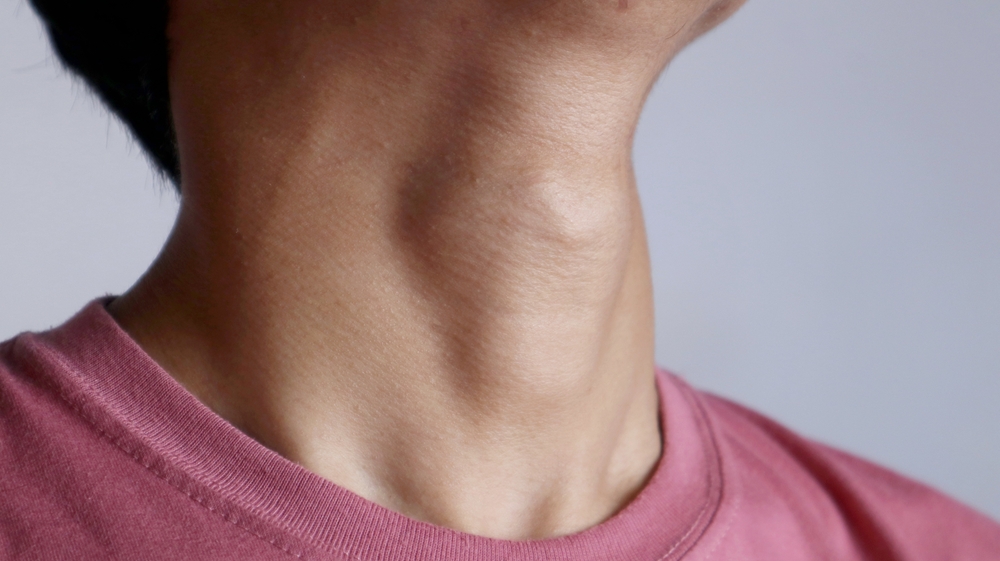
The Adam’s apple is a lump in the throat formed by the thyroid cartilage surrounding the larynx or voice box. It is more visible as a noticeable protrusion in some people and less so in others. Particularly, men seem to have a more prominent Adam’s apple, whereas in women it is often practically invisible. The name “Adam’s apple” comes from the biblical story of Adam and Eve, referring to the moment in the book of Genesis when Adam takes a bite of the apple from the forbidden tree given to him by Eve. Whether or not anyone ever actually believed this to be true, the idea is that the Adam’s apple in a man’s throat is the bite of the forbidden fruit.
The Purpose of the Adam’s Apple
In reality, the Adam’s apple is an anatomical feature that serves a purpose in our bodies. The thyroid cartilage, which makes up the Adam’s apple, plays a protective role by shielding the vocal cords housed within the larynx. The size and shape of this cartilage influence the pitch of an individual’s voice. A larger thyroid cartilage typically corresponds to a deeper voice. Therefore, men with bigger Adam’s apples will often have deeper voices.
Development of the Adam’s Apple
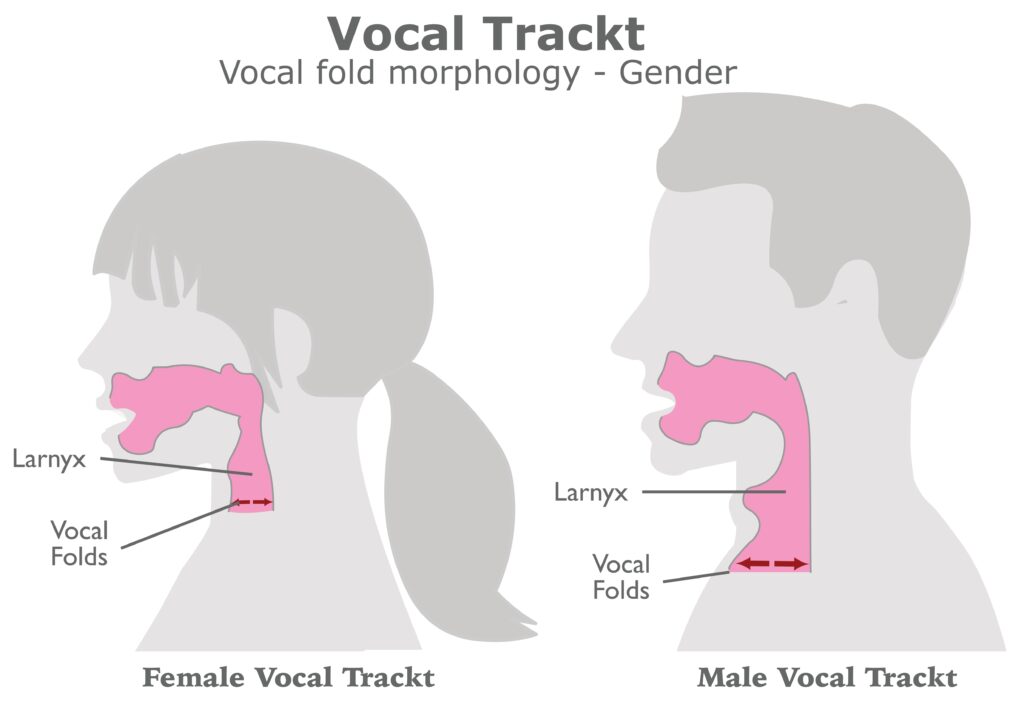
The Adam’s apple begins to develop during puberty due to hormonal changes. In both males and females, the larynx grows, but in males, this growth is much more pronounced. This is because of their increased testosterone levels. This growth causes the voice box to enlarge and the voice to deepen.
Why Is the Adam’s Apple More Prominent in Men?
Men generally have a more prominent Adam’s apple because their thyroid cartilage grows larger and protrudes more during puberty. Testosterone stimulates this growth, causing the larynx to enlarge significantly compared to that of females. This enlargement not only results in a more visible Adam’s apple but also contributes to a lower-pitched voice. In contrast, women have a smaller larynx and thyroid cartilage, so their Adam’s apple is less noticeable or sometimes barely visible.
Can Women Have an Adam’s Apple?
Yes, women have a thyroid cartilage and therefore have an Adam’s apple, too. Again, because their larynx and thyroid cartilage are typically smaller due to lower testosterone levels, the Adam’s apple is less visible. In some cases, especially when the larynx grows slightly larger or the thyroid cartilage protrudes more, a woman’s Adam’s apple may be more noticeable.
Why Do Some People Have a Larger Adam’s Apple Than Others?

Several factors influence the size and visibility of the Adam’s apple, including genetics, hormone levels, and overall body size. Everyone develops differently, so some people naturally have a more prominent Adam’s apple. Others, however, will have a subtler one. Generally speaking, the size of one’s Adam’s apple doesn’t have an impact on one’s health.
Can the Size of the Adam’s Apple Be Surgically Altered?
For cosmetic reasons, some people wish to change the size of their Adam’s apple. For those who want to either reduce or enhance the appearance of it, there are surgical options available. These include a chondrolaryngoplasty (tracheal shave). These are often sought after by those who are wishing to appear more typical of their gender identity rather than the gender assigned at birth, of by those for other cosmetic reasons.
Reasons Why Your Adam’s Apple Might Be Sore
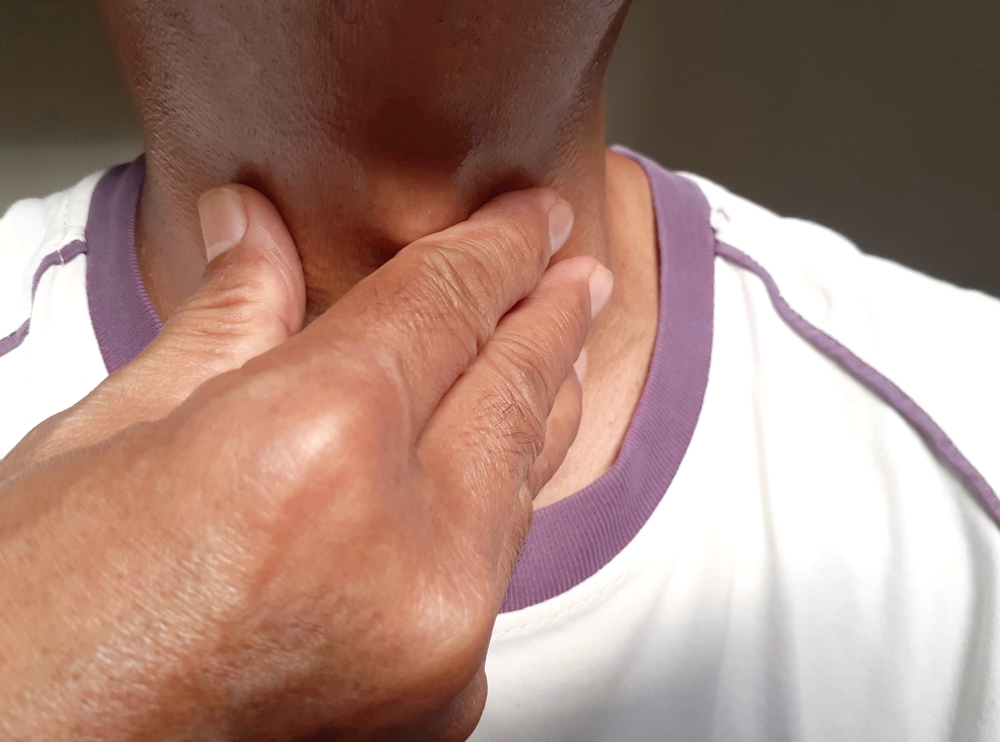
Pain or discomfort around the Adam’s apple can be concerning, especially since important structures like the larynx, thyroid gland, and various muscles are located in this area. Although the Adam’s apple itself is cartilage and rarely causes pain, soreness in the region often originates from other nearby organs or tissues. Here are six common reasons your Adam’s apple may be sore.
1. Muscle Tension or Tightness

The neck contains numerous muscles that support head movement and posture. Some of these muscles lie over or near the thyroid cartilage forming the Adam’s apple. It’s common for the neck muscles to become strained or tight from repetitive movements, maintaining the same position for long periods (like working at a computer), or even jaw pain radiating downwards.
What can you do about it? Gentle neck stretches, such as looking up, turning your head side to side, and loosening the muscles can relieve tension. Taking regular breaks from stationary postures will also help. If you’re really stiff, consider massage therapy, osteopathy, or acupuncture.
2. Throat Tension
Throat tension affects many people and can feel like a lump in the throat or tightness around the vocal cords. Symptoms include frequent swallowing to relieve tension, a blocked airway sensation, neck tenderness, and discomfort near the Adam’s apple. Common causes of throat tension include anxiety, stress, environmental allergies, postnasal drip, and overusing your voice – muscle tension dysphonia.
What can you do about it? Identify and manage triggers with the help of a healthcare provider. Approaches can include medication, avoiding irritants, stress management techniques, or voice therapy.
3. Thyroid Disorders
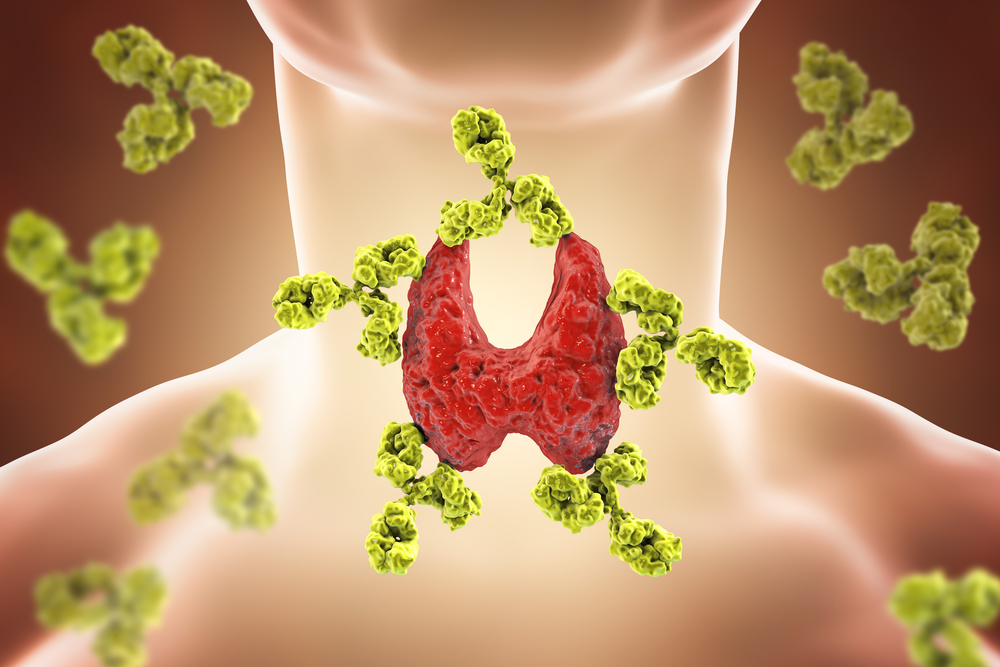
The thyroid gland is located just below the Adam’s apple, controls metabolism through hormone production. Conditions like hyperthyroidism, hypothyroidism, or an enlarged thyroid gland (goiter) can cause swelling and discomfort in the neck area. Goiters may make swallowing difficult or cause shortness of breath and soreness if they grow too large.
What can you do about it? If you suspect a thyroid problem, consult a healthcare provider for testing and treatment. At-home thyroid function tests measuring TSH, free T4, and free T3 can help in the diagnosis.
4. Infections
Infections in the throat region can cause inflammation and soreness near the Adam’s apple. These may include viral infections, such as the common cold, the flu, and COVID-19, or bacterial infections, like strep throat. Symptoms often include throat pain, swelling, fever, fatigue, and difficulty swallowing.
What can you do about it? The best thing to do here is to rest, stay hydrated, and consider throat soothing techniques. These include lozenges, soups, and warm drinks with honey for relief. If your symptoms worsen or persist, seek medical care.
5. Gastroesophageal Reflux Disease (GERD)
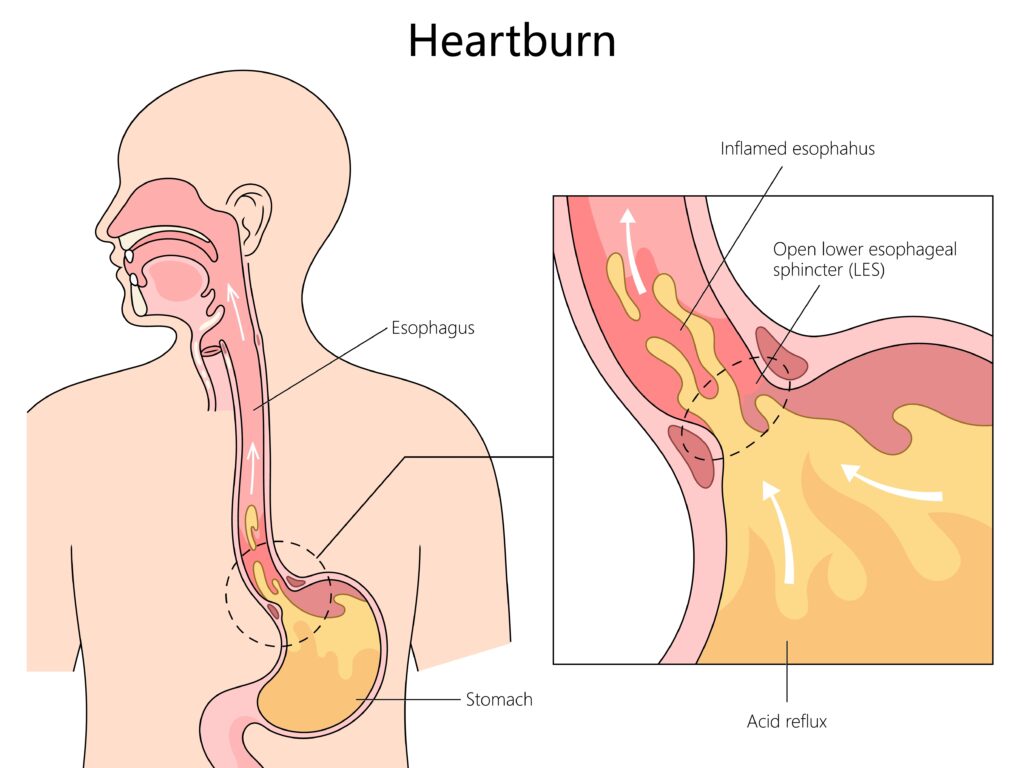
GERD occurs when acid refluxes from the stomach into the esophagus, irritating the throat. This causes burning sensations near the Adam’s apple, dry cough, or trouble swallowing.
What can you do about it? The first step is to avoid your known triggers. These will vary among individuals, but often include fatty foods, caffeine, alcohol, and chocolate. Beyond this, eating smaller meals and staying upright after eating can help. If you are really struggling, consult your healthcare provider for appropriate medications such as proton pump inhibitors.
Read More: Why Your Appendix Might Be More Useful Than You Think
6. Laryngeal Cancer
Though less common, pain near the Adam’s apple can be a sign of laryngeal cancer. This is especially in individuals who smoke or consume excessive alcohol. This cancer affects the larynx (voice box) which lies right behind the Adam’s apple.
What can you do about it? Early diagnosis by a healthcare professional is crucial for positive outcomes. If you have persistent pain or other symptoms such as voice changes, seek prompt evaluation.
When to See a Healthcare Provider

Pain in and around the area of your Adam’s apple is often not serious; however, pain is still pain, and this affects our mood and quality of life. If the soreness is persistent, worsening, or accompanied by symptoms like difficult breathing or swallowing, fever, or unexplained swelling, seeing a healthcare provider is essential for an accurate diagnosis and appropriate treatment.
The Bottom Line
The Adam’s apple is a natural anatomical feature, more pronounced in men due to the effects of testosterone on the growth of the larynx and thyroid cartilage during puberty. While everyone has thyroid cartilage, the size and visibility vary widely. The primary role of the Adam’s apple is to protect the vocal cords and influence voice pitch. Soreness in the area usually means that is a problem in the structures, organs, and tissues around or near the Adam’s apple. Pain that persists, gets worse over time, or is accompanied by other symptoms should be checked out by a doctor to rule out any serious conditions, such as laryngeal cancer.
Disclaimer: This information is not intended to be a substitute for professional medical advice, diagnosis or treatment and is for information only. Always seek the advice of your physician or another qualified health provider with any questions about your medical condition and/or current medication. Do not disregard professional medical advice or delay seeking advice or treatment because of something you have read here.
Read More: What Does It Mean If You Have Those Two Dimples On Your Lower Back?