
Periods are something everyone with a uterus deals with, but how they are handled changes with every generation. For years, tampons, pads, and cups were the norm. Now Gen Z is leaning toward something different, free bleeding. It’s when you just let the blood flow freely without plugging it up or catching it with pads.
To outsiders, it might sound odd or messy, but to many young people it feels natural, cheaper, and even freeing. The rise of free bleeding is not just about comfort, it is wrapped in culture, money struggles, health reasons, and a push to break down shame.
What Free Bleeding Means and Why It’s Growing
At its core, free bleeding is simple. No pads, no tampons, no cups. Some use special underwear to help absorb the blood, others just let it go and maybe use a towel if they are at home. Medically, it is not dangerous at all. The body already knows what to do. The problem isn’t really health but more about stains, odors, and how society reacts.
And a big reason it’s getting attention is TikTok. Videos of young people talking about bleeding without products spread fast. Some clips show users lounging around at home with towels, others are more bold and go about their day. Supporters call it brave and real, while critics say it is unhygienic or even gross. But like most things on TikTok, it’s the attention that makes it grow. A few years ago you wouldn’t even say “period” in public, now people debate about it openly online.
Stigma and the Push for Change
For generations, periods were hidden. Girls were told to hide pads up their sleeves, act quiet about cramps, and panic over leaks. Free bleeding goes against all that. It’s almost like saying, “why should I be ashamed of what my body does every single month.” For many Gen Z, stains are not embarrassing accidents but just a part of life.
But it goes beyond stigma too. There’s an activist edge here. In some countries and states menstrual products still get taxed as if they are luxuries. People call it the tampon tax, and it doesn’t sit right with many. By not buying products at all, some feel they are protesting that unfair system. So in that sense, bleeding freely is not only about comfort but also about politics. It’s a statement, one that forces others to look at periods differently.
Money, Comfort, and the Environment
Another big factor is money. Period products are expensive, and over a lifetime people spend thousands just to manage their cycle. Gen Z is growing up with high rents, student loans, and shaky jobs, so saving where you can matters. Free bleeding at home, even just a few days a month, can cut costs a lot.
And then there is comfort. Some people’s skin reacts badly to pads, others find tampons irritating. Bleeding freely removes that whole issue. The body just does its thing without anything stuffed inside or taped on. For some, it feels healthier and less stressful.
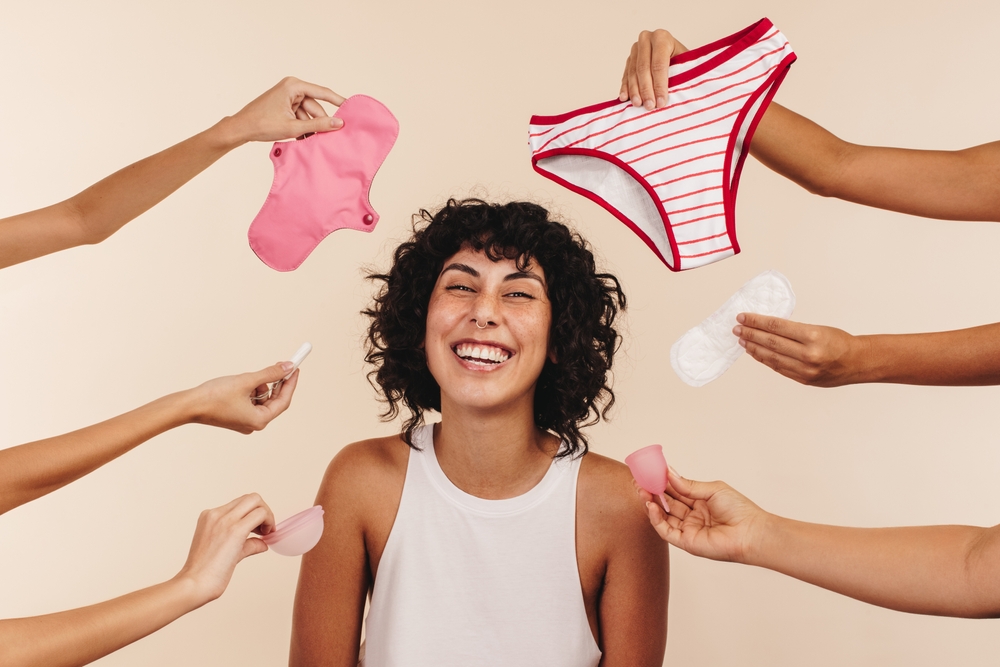
On top of that, there is the environment. Pads are loaded with plastic that can sit in landfills for hundreds of years. Tampons come with wrappers and applicators that pile up too. Gen Z cares about sustainability and climate issues, and choosing a period without products is a way to reduce waste. Even if it’s just at home, it fits into that bigger lifestyle of eco-friendly choices.
The Criticism and Practical Side
Of course, not everyone is on board. Older generations often find the idea gross or unnecessary. Even some peers think it’s more of a social media stunt than a real practice. And to be fair, it’s not always practical. Going to school, work, or sitting on the bus while bleeding freely is tough. Most people who do it stick to lighter flow days or practice at home. Others mix it with tools like absorbent period underwear, which still avoids disposable products but keeps leaks under control.

Criticism though kind of proves the point. People’s disgust shows how much stigma still exists around menstruation. For many free bleeders, the backlash only strengthens their belief that the conversation has to change. If society can’t handle a bit of blood, then maybe it is society that needs fixing, not the body.
Feminism, Hygiene, and Where It’s Headed
Free bleeding also connects with feminism. It challenges the idea that women’s bodies must always be hidden, neat, and silent. By choosing not to hide, people reclaim their autonomy. Some activists have even run marathons while free bleeding to draw attention to menstrual equity. Gen Z sees this and takes it further, linking body autonomy to social justice.
Hygiene is often raised as a concern. But menstrual blood is not dangerous. It’s no more harmful than a cut on your finger. The main issue is managing odor or stains, which can be controlled with good washing. Unlike tampons, there is no risk of toxic shock syndrome. So the hygiene debate is less about health and more about people’s comfort zones.
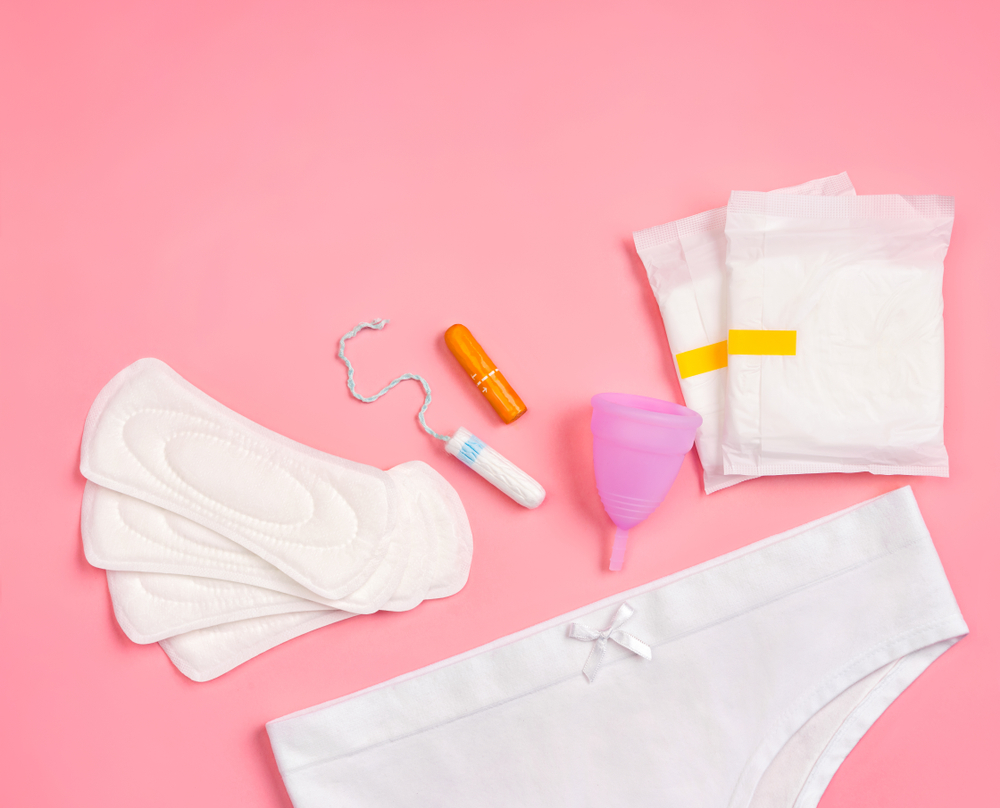
Looking ahead, free bleeding probably won’t replace pads and tampons completely. But it already changed the conversation. Period care is no longer just about stopping leaks. It’s about money, the planet, stigma, and identity. Companies are responding too, with more reusable and eco-friendly products. The fact that we are even talking about free bleeding openly shows progress.
Closing Thoughts
At the end of the day, free bleeding is not for everyone. Some love the freedom, others prefer the security of products. But what matters is the choice. Gen Z is showing that periods don’t have to be hidden or whispered about. They can be seen for what they are, a natural part of life.
Whether free bleeding is a passing trend or something that sticks, it has already sparked conversations that needed to happen. It’s not really about blood at all. It’s about breaking rules, saving money, protecting the planet, and being honest about bodies.
Read More: Why Do My Privates Smell? A Guide to Common Causes and Solutions