
Resilience means different things to different people. According to the American Psychological Association (APA), it is “the process and outcome of successfully adapting to difficult or challenging life experiences, especially through mental, emotional, and behavioral flexibility and adjustment to external and internal demands.” In other words, psychological resilience refers to how people can recover from life challenges and become stronger. It’s a trait cultivated through tough times, and unfortunately, no age is immune to tough times. Research shows that people who experience certain difficulties early in life can become uniquely resilient as adults.
Abuse and neglect

Resilience is not about being unbothered by difficult situations. People can be severely and negatively affected by things like abuse and neglect, and still be considered resilient. “A key ingredient to resilience is recognizing that what you’ve been through is… significant, and recognizing the importance of seeing how it has impacted you and that you’re different than you were prior to the event,” says Kendra Kubala, PsyD, a psychologist who works with trauma survivors, to Psych Central. Through this recognition, the person is able to actively understand and work through their emotions instead of falling into maladaptive behaviors like avoidance, withdrawal, passive-aggressiveness, anger, self-harm, or substance use.
Divorce or parental separation

Divorce and parental separation can feel apocalyptic to a young child, especially if the parents are hostile to each other or if other traumatic issues are involved. Many kids deal with feelings of guilt and might blame themselves for the separation. Co-parents can help mitigate these emotions by keeping the conflict out of the children’s earshot and fostering self-esteem. Self-compassion is an important facet of reliance, according to Very Well Health, and it’s a skill that will serve them over and over again in the future.
Discrimination
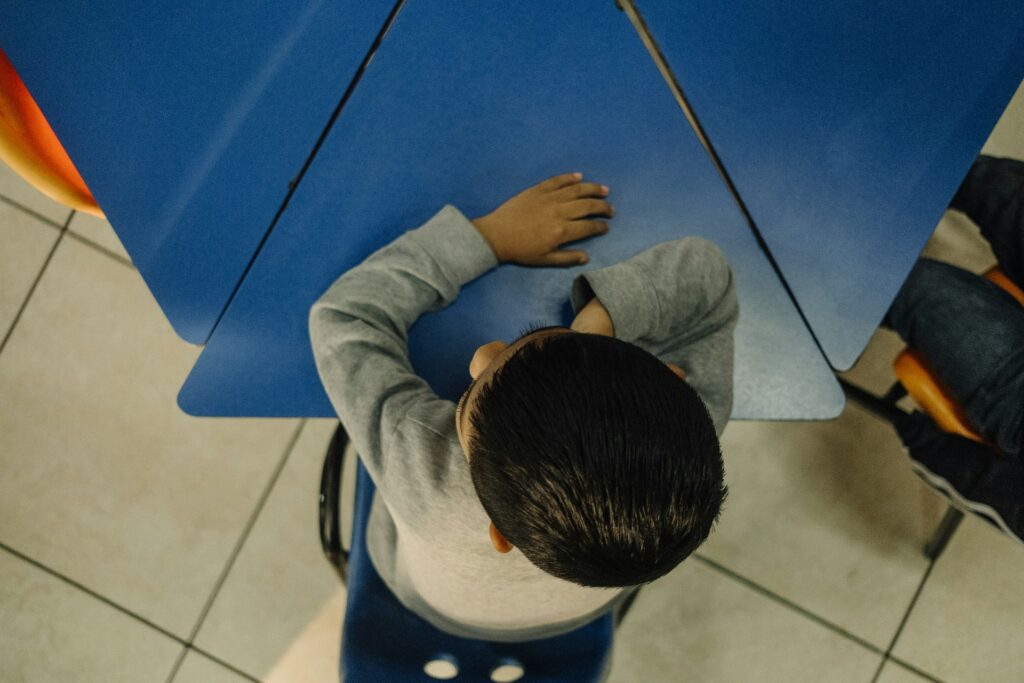
Adults are able to compartmentalize by thinking of “the grand scheme of things,” but children’s worlds are smaller and more enclosed. So acts of discrimination against them can make them feel completely helpless, anxious, depressed, and unsafe. Fortunately, kids can develop mental resilience, especially when they are empowered by their family members and community, and taught to take pride in their culture. This helps lower the risk of mental health issues and better equips individuals to process and confront discrimination moving forward, according to 2021 clinical trials.
Early cognitive, emotional, and social challenges
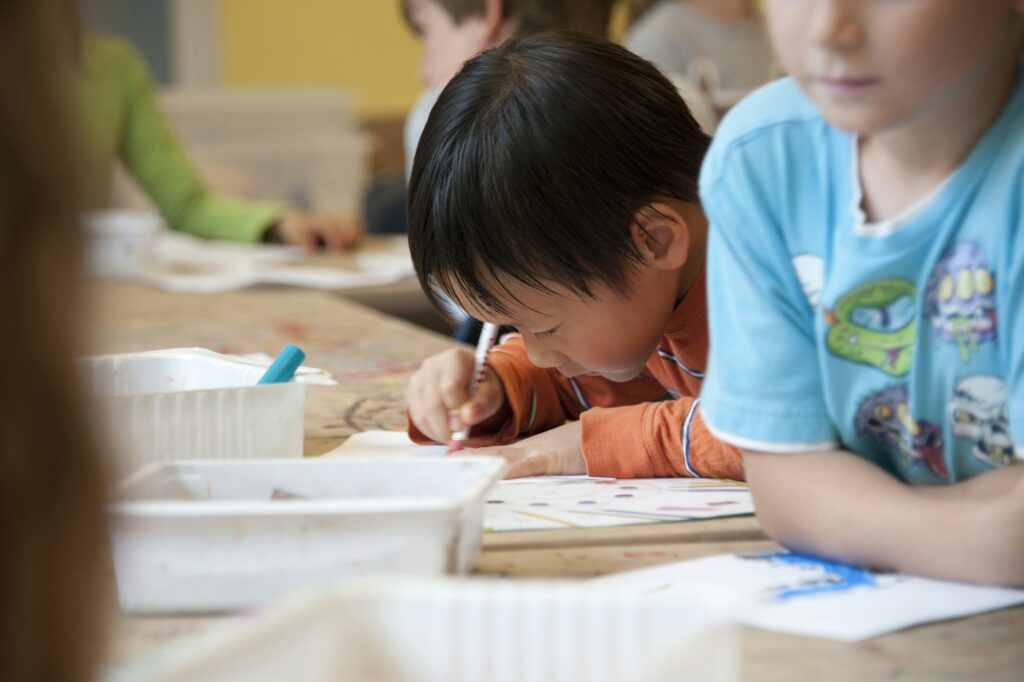
Some kids slowly pick up on self-regulation and problem-solving skills as they develop. Others are forced to learn them to counter early cognitive, emotional, and social issues. These can include learning disabilities, mood disorders, anxiety disorders, developmental delays, speech disorders, and social difficulties, according to a 2018 report. Even small life challenges can foster this form of emotional resilience. For example, a child may be prone to speaking too quickly and unintelligibly, and become frustrated when people don’t understand them. When they learn to speak more clearly, they can experience a boost in confidence and social skills, and therefore resilience.
Medical conditions

Severe or chronic medical conditions in childhood could have lasting effects far into adulthood. Even if the condition is completely cured, the body has accumulated chronic stress, which hurts the ability to adapt to and recover from ailments later in life. In other words, childhood illnesses can biologically set the foundation for more medical conditions, according to a 2019 report published in the American Journal of Lifestyle Medicine. However, people who were forced to improve their health before any of their peers will always have those routines, skills, social support, and knowledge. Over time, these factors can actually improve their physical resilience.
Crises like natural disasters or warfare
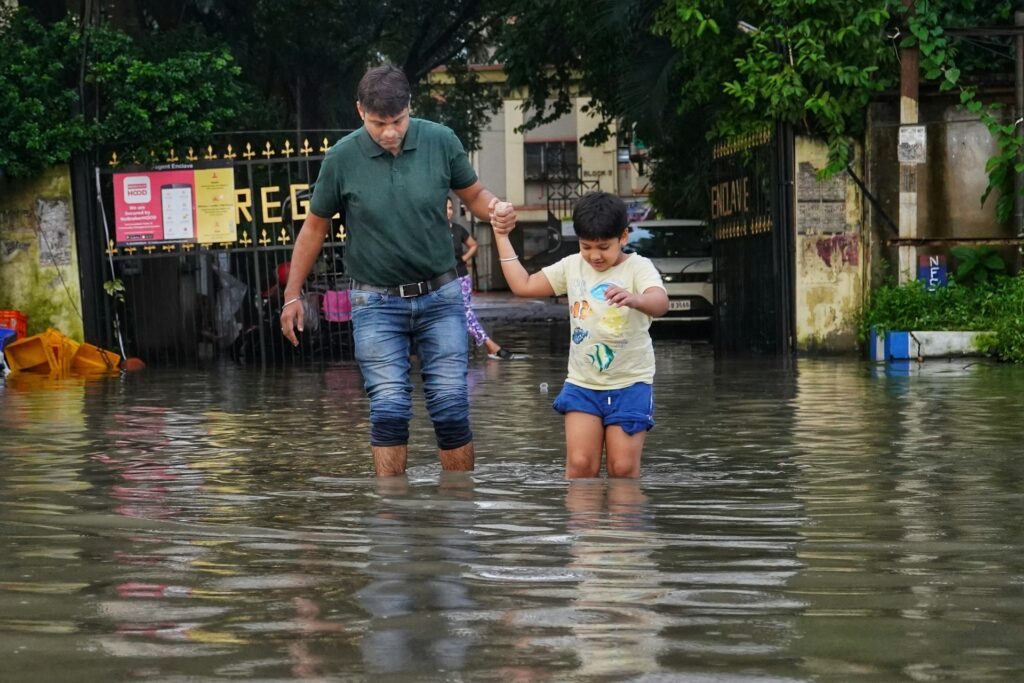
Tragedies and disasters have a way of bringing people together or pushing them further apart. They can leave an impact on anyone who lives through them, but children are particularly vulnerable since they can feel the tension and fear while being unable to understand or manage these feelings. However, they can learn social resilience as they recover, especially if they are in a supportive family unit or community. This was demonstrated in a 2021 review that included a hundred kids and teens who lived through the 2016 Fort McMurray, Alberta wildfire.
Death of a loved one
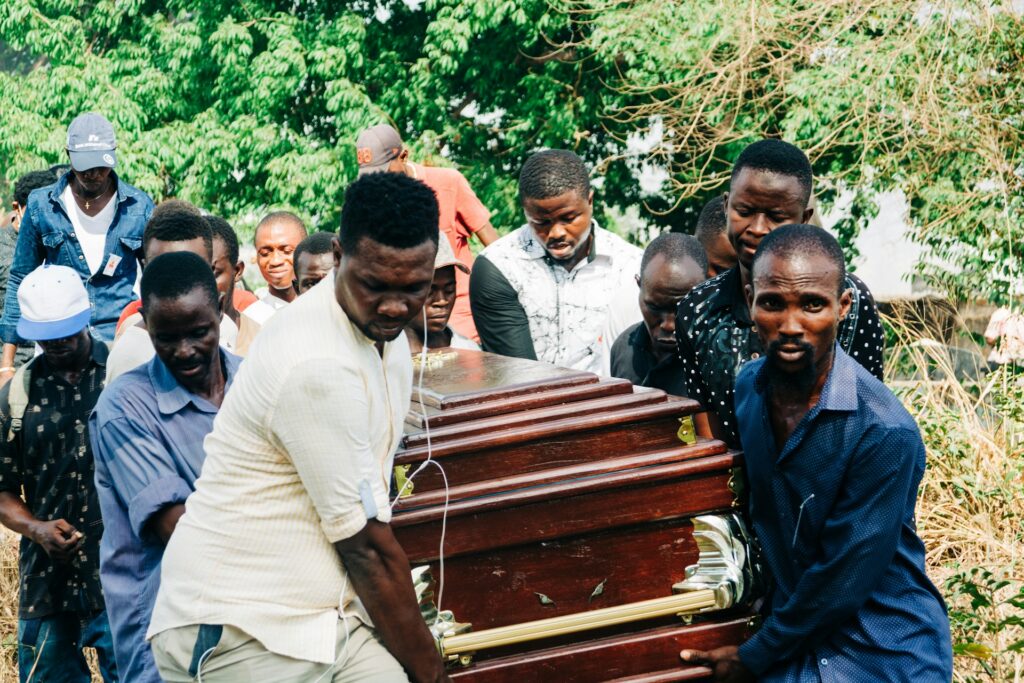
The death of a friend or family member is destabilizing for most adults but it’s especially true for children. They may feel unsafe and in danger alongside their emotional distress. They may struggle to understand and manage their emotions, which may feel scary and overwhelming to them. Resilient children adapt by developing skills to cope and self-regulate, often with the help of supportive parents or communities. Finding healthy ways to confront difficult emotions and maintain a sense of hope is a sign of emotional and mental resilience.
Financial hardship

Children may not have access to credit cards and bank accounts, but they can feel when there are money problems at home. For one, their parents may act stressed, and there may be family conflicts around spending. Plus, the children may lack material needs. This can come as small details, like wearing shabby shoes or owning fewer toys than other kids, or they can suffer from more intense situations, such as empty fridges and no heating in the winter. However, kids may develop life skills to counter these challenges like persistence, independence, and a sense of responsibility, according to research from 2019. For example, they may contribute by helping with chores or sibling care. Limited resources may train them to come up with creative solutions. They may take on part-time jobs to contribute financially, which can promote self-efficacy, create a feeling of purpose and accomplishment, and build workplace skills
Caregiving responsibilities
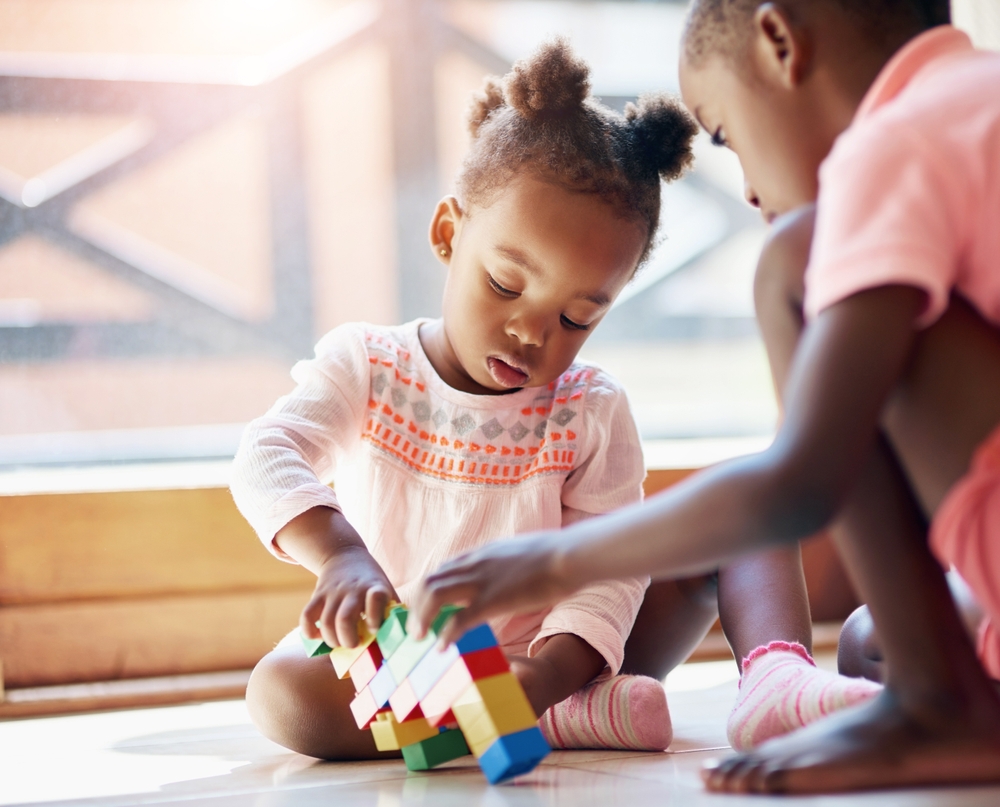
Many family situations create scenarios where children and teens become caregivers in some capacity, explains the Young Caregiver of Association of Canada. For instance, they may have to help care for sick or disabled relatives, or take over their chores. If parents have to work strange hours, they may be responsible for cooking dinner or putting their younger siblings to bed. If a relative has a physical or mental illness, the adolescent may be responsible for comforting and emotionally supporting them. Young caregivers might feel stressed trying to balance these tasks with their schoolwork, social life, and personal well-being. If they are able to develop resilience, these people may learn skills that can benefit them for life, such as practical life skills, mental strength, maturity, adaptability, and stress management.
The importance of social support
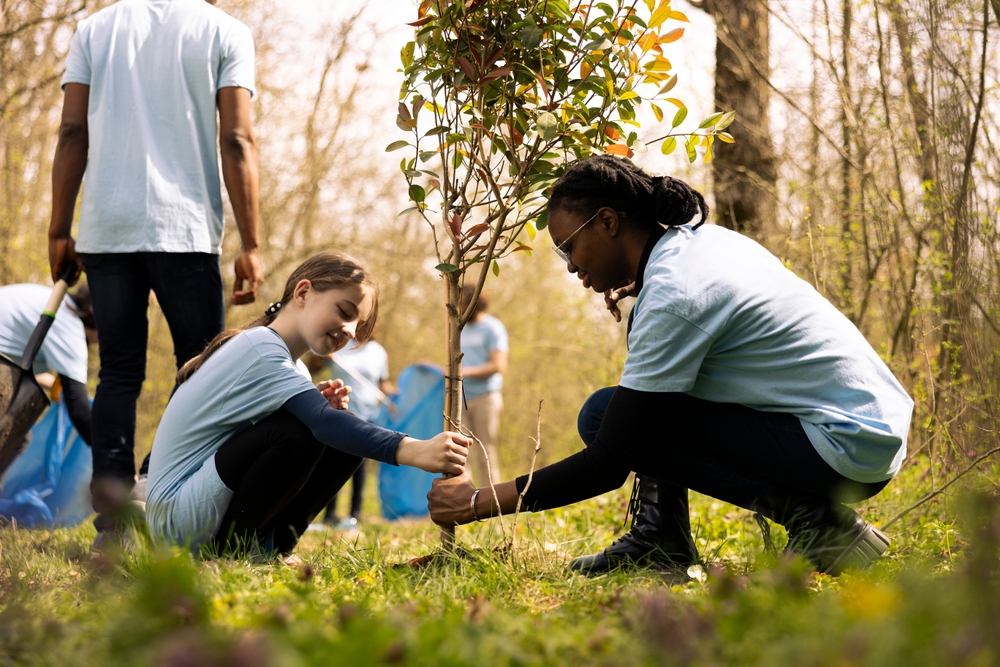
The difference between resilience and burnout often falls to social networks. If the children and teens have supportive relationships and communities they can depend on, they are more likely to grow and succeed. Many people who struggled in their youth, resilient or not, wished they had had more support from their family, friends, school, or community. As adults, we are able to help foster resilience in children and teens, no matter what challenges life throws at them. The APA recommends several strategies such as:
- Guide them to view themselves in a positive light
- Teach them social and communication skills
- Empower them by having them help others
- Teach self-care
- Show them how to make goals and work toward completing them
- Demonstrate a positive and hopeful outlook
Read More: 11 quiet habits people who never felt truly loved as children usually develop later in life