
A recent announcement from Russian scientists has brought attention to Enteromix, a new cancer vaccine developed using mRNA technology. This is the same approach behind some of the COVID-19 vaccines. The vaccine reportedly demonstrated a “100% efficacy” in preclinical trials, signaling a potential breakthrough in cancer immunotherapy. That being said, experts caution that this figure is based on early-stage data and is not yet validated in comprehensive human clinical trials.
What is Enteromix and How Does It Work?
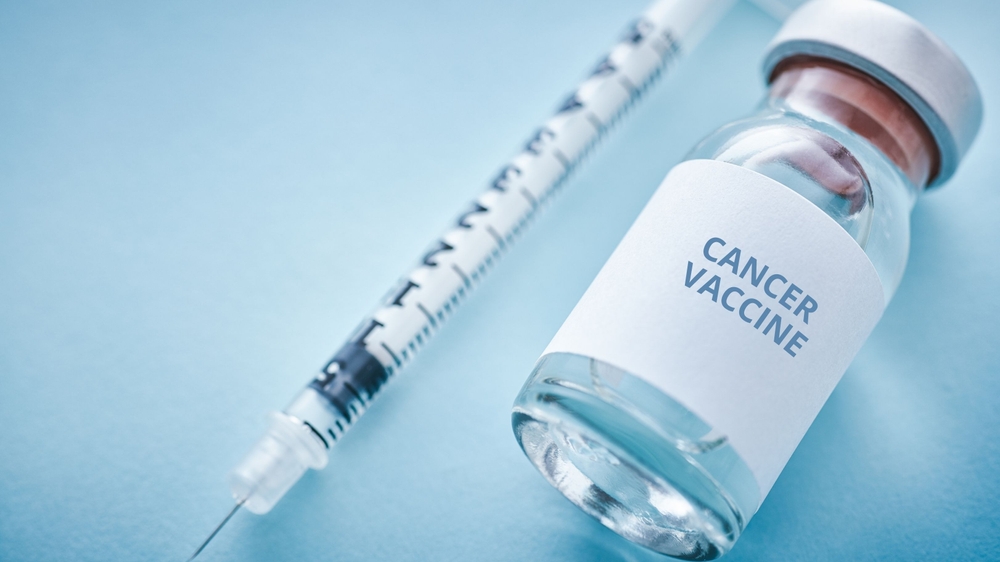
Enteromix is designed as a personalized cancer vaccine that harnesses the body’s immune system to target tumor cells effectively. Unlike traditional vaccines that use inactivated viruses, mRNA vaccines deliver genetic instructions enabling cells to produce specific antigens – proteins on tumor cells recognized by the immune system. According to the Russian news agency TASS, this mechanism allows the immune system to build antibodies that selectively target cancer cells while sparing healthy tissue. This is a significant departure from chemotherapy’s often broad and damaging effects.
An Exciting Development
This could be a potential major breakthrough in cancer treatment. For this reason, some experts are quite excited about it. Professor Siow Ming Lee from University College London Hospitals spoke of the promise of mRNA in cancer therapy to FirstPost news.
“It’s simple to deliver, and you can select specific antigens in the cancer cell, and then you target them. This technology is the next big phase of cancer treatment.” he explained.
What’s more, these vaccines can be personalized for each patient, tailoring antigen targets to an individual’s unique tumor profile. This has the potential to improve treatment specificity and therefore effectiveness, as well.
Read More: Vaccines Without Needles: The Future of Delivery May Be… Dental Floss?
Promising Preclinical Results, But Human Efficacy Still to be Confirmed

Reports reveal that Enteromix underwent years of research, including three years of mandatory preclinical testing. Russian Federal Medical and Biological Agency (FMBA) head Veronika Skvortsova stated at the Eastern Economic Forum that the vaccine showed safety even after repeated dosing. In some cases, it contributed to tumor shrinkage or slowed tumor growth by 60-80%, depending on the cancer type. The vaccine’s initial focus is on colorectal cancer, with ongoing research aimed at aggressive cancers such as glioblastoma and melanoma, including ocular melanoma. Early trials involved 48 volunteers at the National Medical Research Radiological Center collaborating with the Engelhardt Institute of Molecular Biology.
Though this is all very exciting, experts warn against getting too excited. They explain that the “100% efficiency” figure comes from preclinical studies, meaning animal or laboratory studies, not from large human clinical trials. More extensive Phase II and III trials are still needed to conclusively demonstrate safety and efficacy in humans. When speaking with The Indian Express, AIIMS oncologist Dr. Abhishek Shankar pointed out that, despite ongoing research worldwide, effective cancer vaccines still remain both elusive and usually quite expensive.
Other Efforts in Cancer Vaccines
Russia is not the only country pursuing cancer vaccines. There are several others, including the UK. Their NHS has partnered with BioNTech since 2023 to launch the Cancer Vaccine Launch Pad aiming to accelerate personalized mRNA cancer vaccine trials. The United States is also working in this space. The FDA has approved one cancer vaccine, Sipuleucel-T (2010), for prostate cancer, which modestly extended patient survival.
A Cautious Hope
Enteromix represents an exciting step forward in cancer immunotherapy, particularly through personalized mRNA technology. Nevertheless, current evidence is limited to preclinical data with promising early human safety and tumor response signals. It is important to avoid overstating results before rigorous human trials validate this vaccine’s efficacy. If subsequent trials confirm the current findings, Enteromix could transform cancer treatment landscapes. Until then, the vaccine remains an experimental therapy under regulatory review.
Disclaimer: This article was created with AI assistance and edited by a human for accuracy and clarity
Read More: RFK Jr. Demanded a Vaccine Study Be Retracted. The Journal Said No.