
There’s nothing quite as annoying as being forced to listen to loud music that you don’t particularly enjoy. We will happily spend days at a music festival enjoying the music we love, but an hour of hearing your neighbour practise the bagpipes can easily drive you up the wall. While that last example may not be a common one, it is one that I personally had to encounter and never fully recovered from. Well, it turns out that humans are not the only species susceptible to noise. In fact, many creatures are very sensitive to noisy vibrations, and it can have detrimental consequences on their lives. Back in 2019, a study examined how noisy music such as Skrillex may disrupt mosquito behavior.
The Study on Skrillex and Mosquitoes
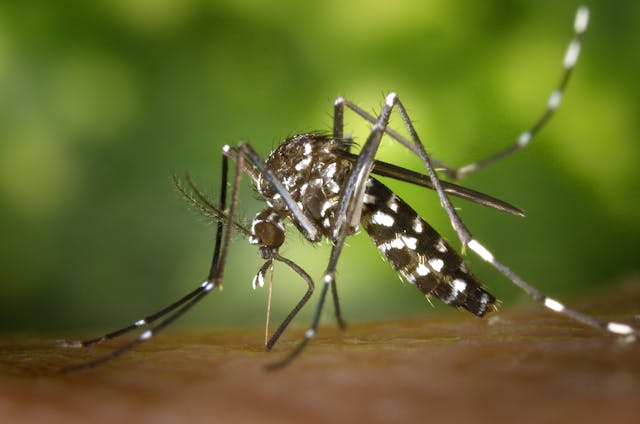
Dubstep once ripped up the charts, an electronic genre largely spearheaded by the popular producer known as Skrillex. However, a recent study revealed that females forced to listen to Skrillex subsequently had less sex and ate less food. Those existing male fans of the genre shouldn;t be too concerned, though, as these females were from the insect world. In fact, any method that proves to be successful in preventing bites from these blood suckers is likely to be met with much praise and support. The aim of the study was to test whether loud music could affect mosquito behavior enough to be a viable alternative to insecticides.
Mosquitoes can transmit deadly diseases such as dengue fever and the Zika virus; therefore, interrupting their mating and feeding behaviors could significantly prevent the spread of these diseases. For the study, the research team set up a speaker close to a cage of female mosquitoes who had not eaten for 12 hours and blasted electronic music at the insects. A male mosquito (for mating) and hamster (for food) were also placed in the cage. Ten female mosquitoes were placed in the cage for 10 minutes at a time, while “Scary Monsters and Nice Sprites” by Skrillex played on repeat. This song was specifically chosen because of its noisiness and continuously escalating pitch.
The Results of the Study
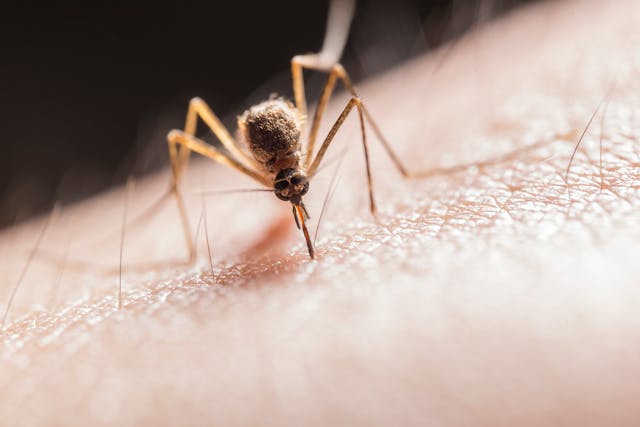
The researchers then compared the eating and mating behavior of the mosquitoes exposed to loud Skrillex music to a control group that had been contained in a noiseless environment. What they found was that those blasted with loud music mated and ate significantly less than the control group. Even though they had not sucked any blood for more than 12 hours, the mosquitoes seemed to be too distracted by the noise to bother to feed. In fact, their normal pursuit for food only continued around two to three minutes after the noise had stopped. The mosquitoes in the control group, however, typically went for the hamster after around 30 seconds.
The Skrillex mosquitoes also tended to attempt to suck less once they eventually found their prey. When it came to mating, mosquitoes exposed to Skrillex mated approximately five times less often than those in the control group. As reported by LiveScience the researchers stated that, “Both males and females produce sounds through the beating of their wings. For successful mating to occur, the male must harmonize its flight tone with that of its partner using auditory sensitivity.” The team believes that the noisy vibrations might have disoriented the mosquitoes who were attempting to synchronize the beats of their wings.
Other Studies Have Found Similar Results
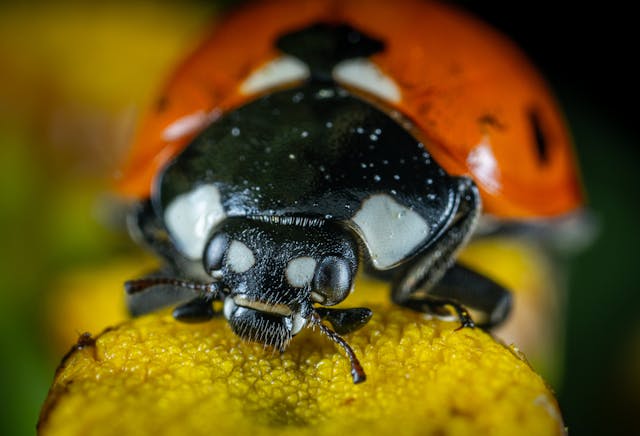
In another study conducted in 2019, Mississippi State ecologists tested whether loud music changed the predator/prey dynamics. They put the predator lady beetles with soybean plants covered in aphids and played different sounds at them. When they played Back in Blak by AC/DC, the beetles consumed fewer aphids, which led to a rise in aphid numbers and a subsequent decline in biomass. Strangely, other genres such as country music did not have the same effect. A study from 2024 also revealed that green stink bugs had their courtship communications disrupted by vibrational noises, even when the noise didn’t overlap with their signals. Additionally, another study conducted this year revealed that traffic noise changed the songs of nearby male field crickets. Considering what a noise-filled world we live in, we can only imagine how much of insect communication and behavior is affected by human-made vibrations.
The Bottom Line
All of these studies reveal the negative impact that man-made noise can have on the surrounding wildlife. The results of these studies also raise questions regarding the effect of our noise on the ecosystem around us. Yet, understanding how pests such as mosquitoes are affected by noise, we may be able to fine-tune devices that can interfere with their mating and feeding behaviors. While blasting Skrillex might be a temporary solution, it is one that you and your neighbors will soon grow tired of. So, for now, you may just have to resort to good old mosquito nets and bug spray.
Read More: Why Drones Are Releasing Thousands of Mosquitoes Over Hawaii’s Islands