
In mid-August 2025, a Russian mountaineer named Natalia Nagovitsina broke her leg while climbing high on Victory Peak in Kyrgyzstan. What followed was a massive international rescue effort to try to retrieve the stranded 47-year-old woman. The effort included volunteer climbers, drones, and helicopters, but the rescue attempt was eventually called off in late August. In early September, the Mountaineering and Climbing Federation in Kyrgyzstan announced that the stranded climber had died.
Who is Natalia Nagovitsina?
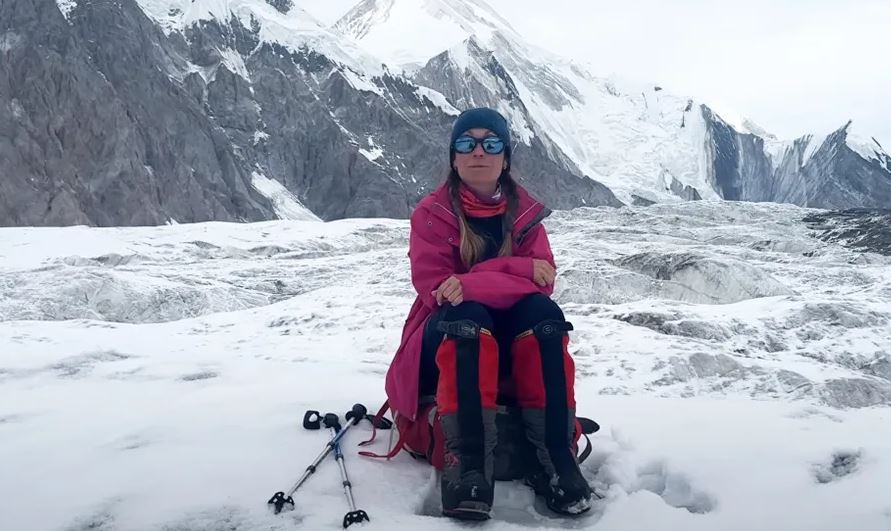
This was far from Nagovitsina’s first climb. In fact, she was an experienced high-altitude climber with dozens of ascents in Central Asia under her belt. However, while descending Victory Peak, she fell and broke her leg, leaving her unable to move on her own. She was stranded more than 7,000 meters, which made rescue efforts extremely challenging. Teams tried to reach her multiple times, yet strong winds and plummeting temperatures continuously halted their progress. On the 24th of August, the authorities announced that they had called off their final effort to retrieve her after more than a week of efforts.
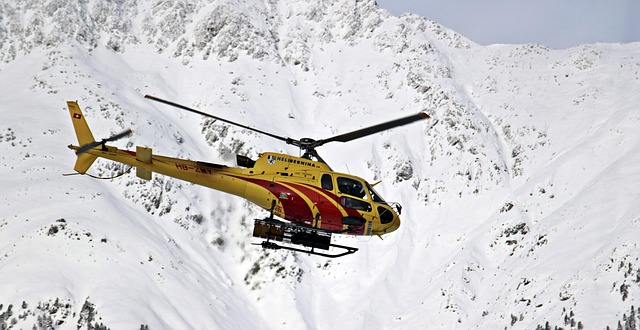
In the following days, drones and reconnaissance flights still continued, but hopes of her recovery slowly started waning. The rescuers tried everything in their power to rescue the woman, as well as many others stuck in the region around that same period. On the 19th of August, two helicopters belonging to the Kyrgyz Defense Ministry evacuated 62 mountaineers from both Victory Peak and Khan Tengri Peak in six flights. However, the thin air and strong gusts near the summit made repeated extraction attempts impossible. One military Mi-8 helicopter even crashed during the operation, injuring those on board.
Things took an even more dire turn when a climber from Italy, Luca Sinigaglia, died during his second attempt to reach Nagovitsina with supplies. It is believed that he likely succumbed to hypothermia and hypoxia. His heroic attempts were praised by the mountaineering community. According to Sinigaglia’s sister Patrizia, “He carried out an act of great courage. He would never have left anyone behind, and especially not Natalia, with whom he had survived an experience that made them very close.” After subsequent drone flights could find no signs of life, the Mountaineering Federation formally ended its effort in early September.
The Notorious Challenges of Climbing Victory Peak
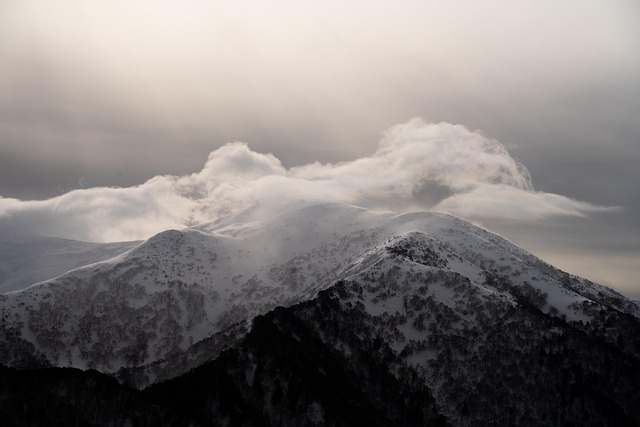
The weather on Victory Peak is notorious for flipping from clear skies to catastrophic conditions in mere minutes. The ridge where Natalia Nagovitsina was stranded was far from any safe landing zones for aircraft and exposed to the intense conditions. Up at that height, even powerful helicopters struggle to lift in the thin air, and ground teams would have needed days to climb safely to that height. Anything above 7,000 meters is regarded as “extreme altitude”, and it is at this height that human performance declines rapidly, frostbite starts to set in, and any small delay or wrong move becomes potentially life-threatening.
A Sobering End and Ongoing Questions
By the 3rd of September, officials publicly acknowledged that there were no signs of life and the search mission was declared over. The latest incident has once again reignited debate about the associated risks and responsibilities of rescue operations at such high altitudes and dangerous conditions. For those thinking about doing the climb, the failed rescue attempt is a sobering reminder that you may be stuck without any help above a certain height. Once you climb above 7,000 meters in increasingly worsening weather, even if volunteers and governments try their best, you may be out of help’s reach.
Even before Natalia Nagovitsina’s final climb, she was no stranger to the reality of the dangers associated with mountaineering. In fact, her own husband passed away while climbing Khan Tengri in 2021. Then, of course, there is the loss of the Italian climber who twice attempted to reach her with supplies and lost his life on the second attempt. All of their deaths are a harsh reminder that even experienced climbers can struggle when faced with the extreme conditions of such high altitudes.
The Bottom Line
For thrill seekers and climbers, the allure of high mountain peaks is strong, but they come with considerable risks. Above the 7,000-meter mark, the natural conditions and the limits of the human body start to make rescue increasingly difficult. Yet, this does not stop many people from attempting to do so every year. While some may be successful, very often things can end in tragedy. While many people might consider it heartless to stop a rescue mission, volunteers and authorities had done everything they could to try to help the woman. They had already lost another life trying to reach her, and subsequent drone flights revealed that there were no signs of life. Perhaps, as with her husband, her life ended doing what she loved.
Read More: Medics Mistook Teen for Dead After River Rescue—Then the Unexpected Happened