
For anyone who wants to have children, there are many considerations to be made in terms of fertility for both partners involved. While we tend to focus on nutrition, exercise, and lifestyle habits, there is one factor that you may not have considered: Your clothing. Concern has been growing about how synthetic fabrics in underwear, everyday clothing, and sportswear might be affecting fertility. A recent large-scale study on men sheds new light on the topic of underwear fabrics and fertility, and the results are not great. The question remains: Does this affect women as well? Let’s have a look.
Men’s Fertility and Underwear: Insights from the Largest Study to Date
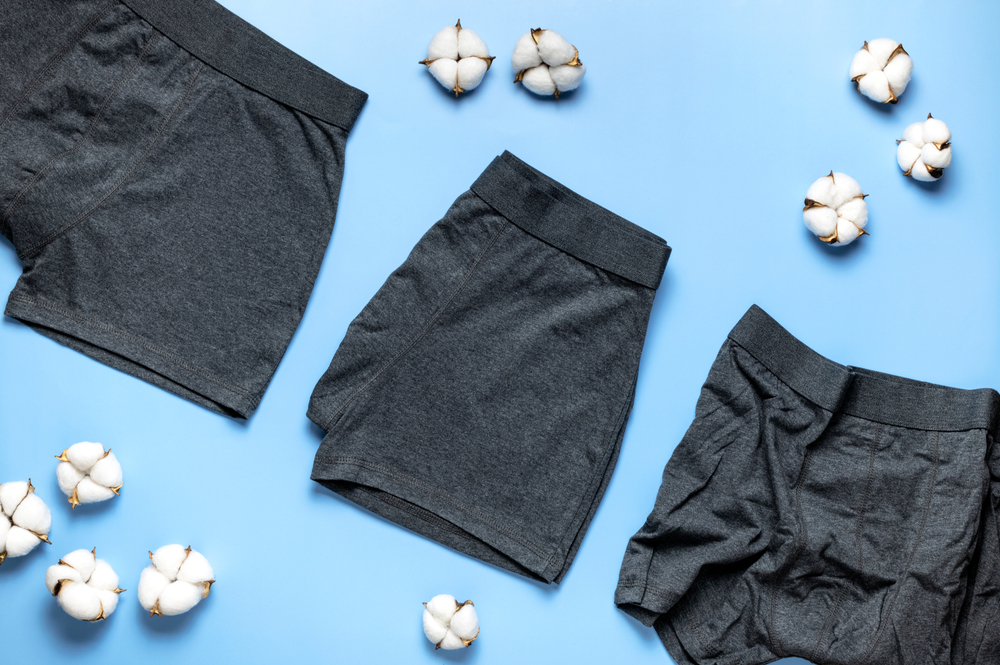
A pivotal study published in Human Reproduction in 2018 examined the relationship between men’s underwear type and semen quality. The research, led by Dr. Lidia Minguez-Alarcon from Harvard T.H. Chan School of Public Health, involved 656 men aged 18 to 56 who were partners in couples seeking infertility treatment. Often, when a couple is having trouble with fertility, the focus is on the female and what might be affecting her ability to conceive. Studies like this one, however, show that we should be focusing just as much on the male half of the couple’s fertility, as well.
Key Findings
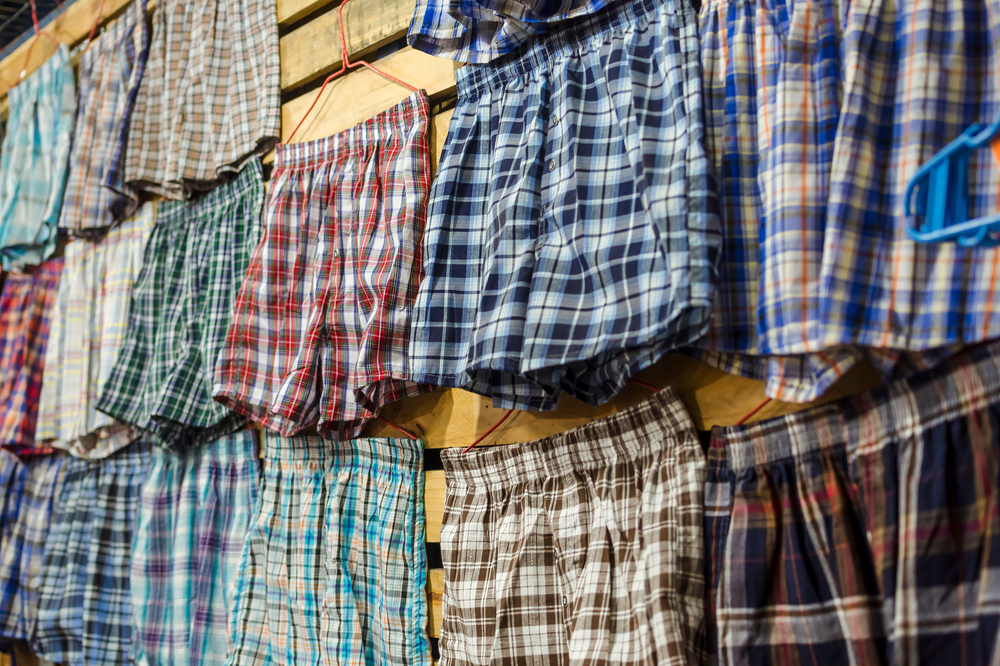
The study’s findings were very interesting, and should be especially interesting to any men who are looking to have a baby with their female partner. The researchers found that men who wore boxer shorts, or looser-fitting underwear, exhibited significantly better semen quality than men who wore tighter underwear such as briefs, “bikinis”, or “jockeys.” To be more specific, boxer wearers had a:
- 25 % higher sperm concentration
- 17% higher total sperm count
- 33% more motile (swimming) sperm
- 14% lower follicle-stimmulating hormone (FSH) levels
To be clear, FSH is a hormone that stimulates sperm production. Increased levels often indicate that the body is compensating for decreased testicular function or heat-induced damage.
What Does This Mean?
Tighter underwear likely increases scrotal temperature, which can impair sperm production. The study suggests that higher scrotal heat damages sperm-producing testicular cells, prompting the body to produce more FSH in an attempt to compensate. This mechanism, involving the hypothalamic-pituitary-gonadal axis, links underwear choice to reproductive hormone regulation and sperm quality.
Limitations
The study wasn’t actually focused on fabric types. Rather, it focused on underwear fit and style. It did adjust for some cofounding factors, such as BMI, hot baths, smoking, and physical activity; however, it did not adjust for other clothing-related heat factors. This includes things such as tight pants or synthetic fabrics, which were not isolated. The generalizability of the research may be limited, as well, as also participants were from a fertility clinic population, not a general one.
What About Synthetic Fabrics?
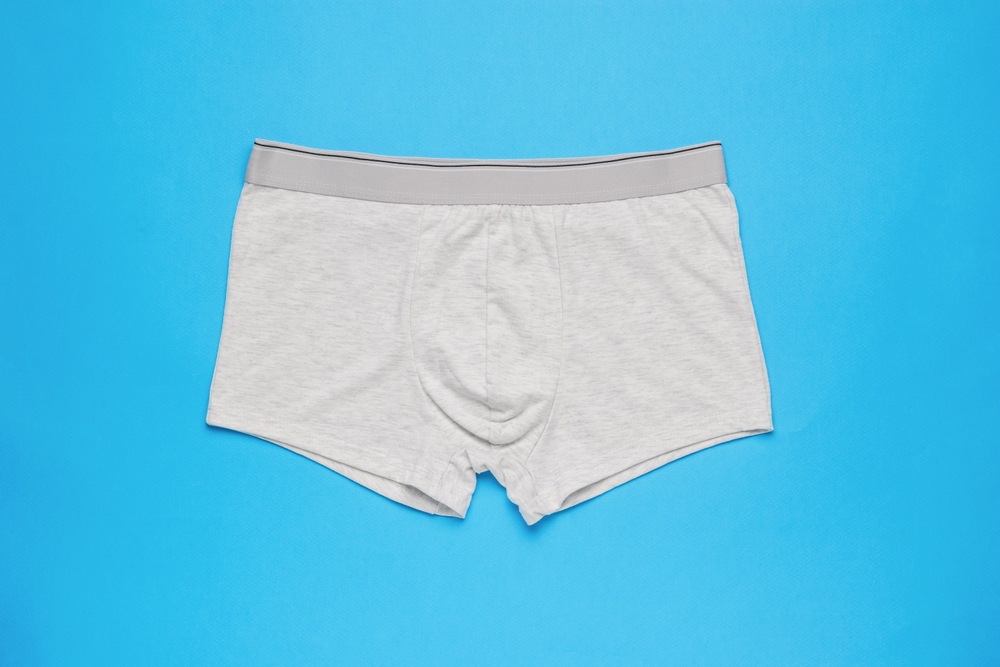
While the study above focuses primarily on underwear fit rather than fabric, there are some takeaways that can be applied. The general problem that the study found was that tighter underwear increases scrotal temperature. Synthetic fabrics are known to have different thermal and moisture-wicking properties than natural fibers. Synthetic materials such as polyester, nylon, and spandex tend to:
- Reduce breathability
- Increase local heat and moisture retention
- Possibly disrupt normal skin and genital temperature regulation
These factors could, in theory, increase scrotal temperature similar to tight underwear, and thus affect sperm quality. It is important to note, however, that there is no direct evidence linking synthetic fabric use in underwear or clothing to male fertility at this time.
Read More: Male Birth Control Pill Clears Human Safety Trials in Major Breakthrough
Impact of Synthetic Fabrics on Women’s Fertility: What the Research Says
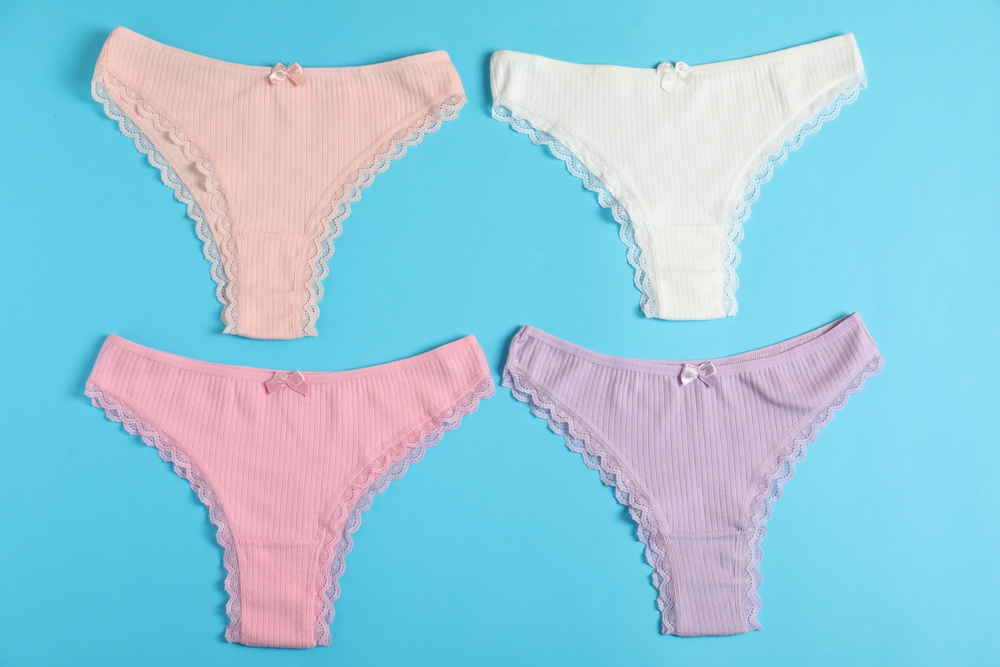
Unfortunately, research specifically analyzing the effects of synthetic fabrics on women’s fertility is sparse. That being said, there are some general considerations and indirect evidence to be considered. Heat exposure to the pelvic area is less studied in women regarding fertility. We do know, however, that overheating reproductive organs could plausibly affect ovarian function or menstrual cycles. We also know that some synthetic fabrics may alter vaginal microflora and increase susceptibility to infections due to poor moisture management. This, in turn, could impact reproductive health. Finally, endocrine-disrupting chemicals (EDCs) used in the manufacture or treatment of synthetic fabrics – such as phthalates or per- and polyfluoroalkyl substances (PFAS) – have raised concerns for hormonal balance and fertility in both sexes. At this time, however, robust causal data is lacking. Overall, there is insufficient direct scientific evidence linking synthetic underwear or sportswear fabrics to impaired female fertility at this time.
What Can You Do?
For men concerned about fertility, wearing looser-fitting underwear like boxers may be a simple lifestyle adjustment to help maintain optimal scrotal temperature and sperm quality. While evidence specifically based on fabric type is limited, choosing breathable, natural fibers could complement this approach. For women, given the lack of conclusive research, no specific recommendations on synthetic fabrics for fertility can be made. That means that, no, synthetic fabrics, including those in your underwear, workout clothing, and even yoga pants, are not likely to have a big impact on your ability to become pregnant. However, maintaining good genital hygiene and avoiding prolonged heat exposure are prudent general measures. Further research is needed to clarify the role of synthetic fabrics and garment fit on reproductive health in both men and women.
Disclaimer: This information is not intended to be a substitute for professional medical advice, diagnosis or treatment and is for information only. Always seek the advice of your physician or another qualified health provider with any questions about your medical condition and/or current medication. Do not disregard professional medical advice or delay seeking advice or treatment because of something you have read here.
Read More: Are Fabric Softeners Polluting The Air in Your Home? What You Need to Know