
The term biohacking has been thrown around a lot the last 5-10 years, from it, various gurus have risen. But before all that was Valter Longo. Valter Longo dedicated his career to longevity research and biohacking – following strict dietary regimens, intense medical testing and ingesting a myriad of supplements in the effort to live longer. Longo focused on sustainable dietary interventions, extending “health” span. His research was conducted at USC’s Longevity Institute and focused on the number of years disease-free as opposed to the number of years lived.
Italy Abandoning The Mediterranean Diet

Once hailed as the gold standard for longevity, Italians once held Mediterranean diets, community and walkability which benefitted long living. Sardinia, Italy is known as 1 of 5 original Blue Zones – places where people live longer, healthier lives. However, Longo, an Italian native, states that almost no-one follows a Mediterranean diet in Italy today. According to a 2020 report by the WHO, Italy ranks third in European childhood obesity, with 20.4% of children overweight and 9.4% obese.
Understanding the ‘Poisonous 5 P’s’

Longo identifies five dietary culprits perpetuating Italy’s growing obesity problem amongst the youth. He contrasts modern eating in Italy with the previous Mediterranean diet. He also promotes consuming plant-focused meals and nuts. Another fairly new concept in better living is “faux” fasting – a periodic fasting-mimicking diet which he champions to gain the benefits of fasting without abandoning food. This diet protocol is meant to be low in refined carbohydrates and protein, and high in fatty acids.
Pizza and pasta contain refined carbohydrates, which are usually processed, removing most of the nutritional value in these foods. Refined carbohydrates spike blood sugar rapidly, triggering insulin responses that promote fat storage. Potatoes, especially fried or processed varieties, can contribute to metabolic dysfunction due to their high starch content and unhealthy preparation methods. Bread made from refined flour lacks essential nutrients while causing blood sugar spikes.
Protein becomes problematic when consumed excessively, particularly from processed animal sources. In America and other wealthy nations, most people meet and exceed their protein requirements. Research speculates that excessive protein intake results in an overproduction of insulin, which leads to fat storage, increasing the risk of obesity.
Pasta
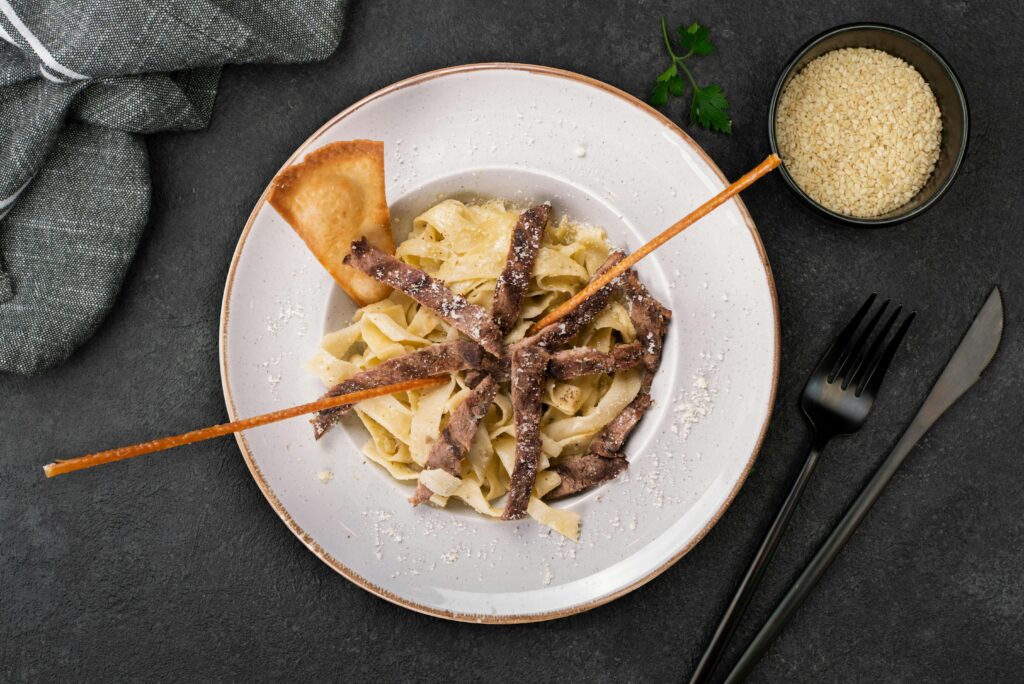
While pasta contains refined carbohydrates, a 2023 review analyzed 38 studies on the correlation between pasta and weight. The authors reported that pasta eaters were generally no more likely to be overweight than non-pasta eaters. Several observational datasets even linked pasta intake with lower body weight or abdominal adiposity within balanced diets.
However, some test results yielded different results, showing that pasta consumers were more likely to gain weight compared to those who did not. But these results were only observed in 3 of the 38 studies. Essentially, the research, in conclusion, found no clear association or “an inverse association” with BMI and adiposity, and a hypocaloric study found equal weight loss regardless of high vs low pasta allotments.
Pizza

Observational analyses in youth show that eating pizza adds substantial calories, sodium, and saturated fat, which can raise daily energy intake beyond necessity. A Pediatrics-linked analysis reported children consumed roughly 408 extra calories and teens 624 extra calories on days where they ate pizza. The report also recorded higher saturated fat and sodium levels from consuming pizza in the youth.
Pane (Bread)

A study looked at the correlation between bread consumption over time and heart disease. The study assessed how bread intake changed over a 4-year period. What the study uncovered is that patients who had increased white bread intake over the 4-year period had gained significantly more weight than those who did not.
Patients with increased white bread intake also exhibited waist circumference gain, implicating refined bread in central adiposity when consumption rises. A review of 38 studies reported that whole-grain bread supports a better BMI, while refined bread findings were mixed. Evidence points towards excess abdominal fat with higher refined bread intake, according to the study.
Protein

Protein belongs on Longo’s list only in specific contexts, not categorically. Without calorie restriction, higher‑protein diets generally do not change weight or waist size in adults. With calorie restriction, higher protein modestly improves weight and fat loss through satiety and lean mass preservation.
In overfeeding studies, excess calories drive fat gain regardless of protein level. Higher protein increases energy expenditure and lean mass during overfeeding, shifting composition favorably. These data challenge the idea that “protein” is inherently fattening within the 5 P’s. Instead, risk rises with ultra‑processed meals, oversized portions, and chronic energy surplus.
Potatoes

Due to their high GI and starch content, potatoes are usually seen as detrimental to weight loss. Most believe that potatoes should be avoided as part of a weight loss diet. A randomized study instructing 5-7 potato servings weekly found all groups lost similar weight whether on high, low, or unspecified-GI diets, indicating potatoes per se did not prevent weight loss when energy was managed.
Observational data show that fried potatoes are associated with higher BMI and blood pressure in women. However, boiled/baked/mashed forms of potatoes showed no BMI link in either sex. A short trial found daily potato sides matched refined grains for weight and glucose, with better overall diet quality in the potato group.
The Fasting-Mimicking Diet Alternative
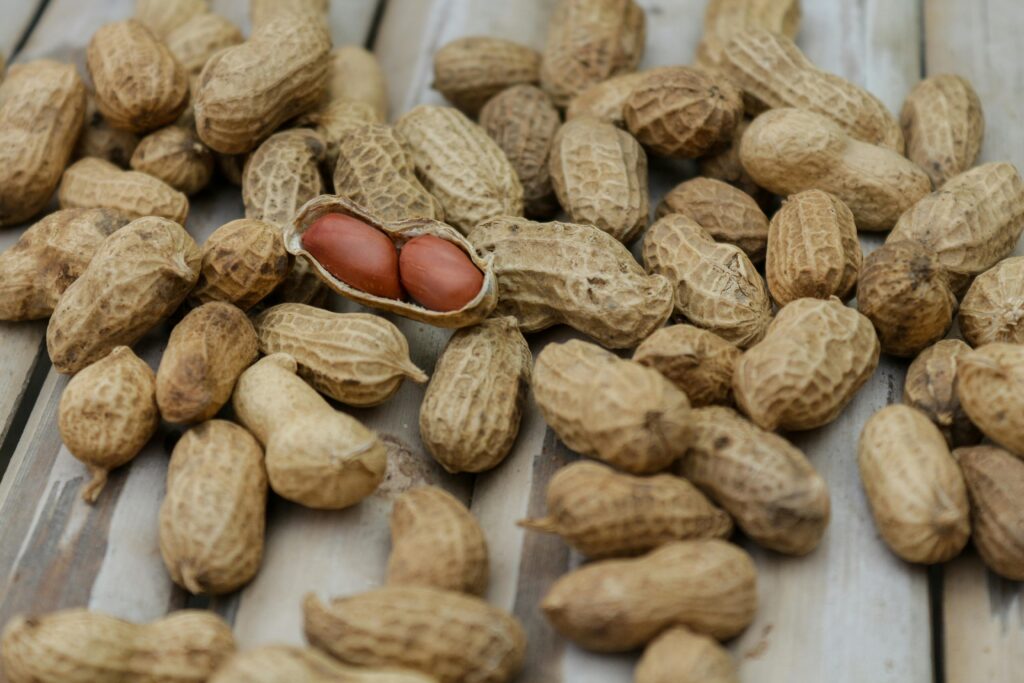
He is a proponent of reverting to the Mediterranean diet, consisting of plant-based foods and various nuts. The author of The Longevity Diet, Longo, has his own recipes for longevity on his website. As recently mentioned in a revised Fortune.com article, Longo developed the Fasting-Mimicking Diet as a practical longevity intervention.
This 5-day regimen provides nutrients while triggering fasting-like cellular responses. By limiting food intake, Longo purports that this helps the body reap the metabolic benefits without completely fasting. The diet includes foods high in unsaturated fats but low in overall calories, protein, and carbohydrates. Research has shown that intermittent fasting or Longo’s “faux” fasting have both its benefits and its issues.
The Future of Longevity Medicine

Longo aims to extend healthy human lifespan to 120-130 years through dietary interventions. This ambitious goal requires population-wide changes in food systems and eating behaviors. Current research suggests significant biological age reversal is achievable through proper dietary protocols.
Emerging longevity science emphasizes prevention over treatment, targeting aging processes before disease appears. The combination of fasting-mimicking diets, ultra-processed food avoidance, and Mediterranean-style eating patterns offers a comprehensive approach to healthy aging.
Read More: Longevity Doctor Claims to Reverse His Biological Age by 11 Years, These Are His 3 Daily Habits