
The Transportation Security Administration (TSA) has implemented new restrictions that will affect millions of travelers who use cordless hair devices. This particular focus on cordless hair devices is due to some devices potentially containing harmful materials. Materials such as gas cartridges and butane canisters are not permitted on flights. These changes, announced in August 2025, ban 3 specific categories of cordless hair devices from checked luggage due to safety concerns.
What Items Are Now Banned

TSA officials now prohibit three types of cordless hair styling devices in checked luggage but permit them as carry-ons. Travellers must not check cordless curling irons that use gas cartridges or butane fuel, which remain carry-on only with a fitted safety cover. Travellers must also keep cordless flat irons and hair straighteners powered by gas cartridges or butane out of checked bags, following the same carry-on-only rule.
These fuel sources for these devices are a high flight safety risk and could potentially combust under high pressure. TSA rules completely prohibit gas refills and spare cartridges for curling irons or flat irons in both checked and carry-on bags. The TSA considers these items to be hazardous materials that cannot travel on aircraft.
Safety Concerns Behind the Ban
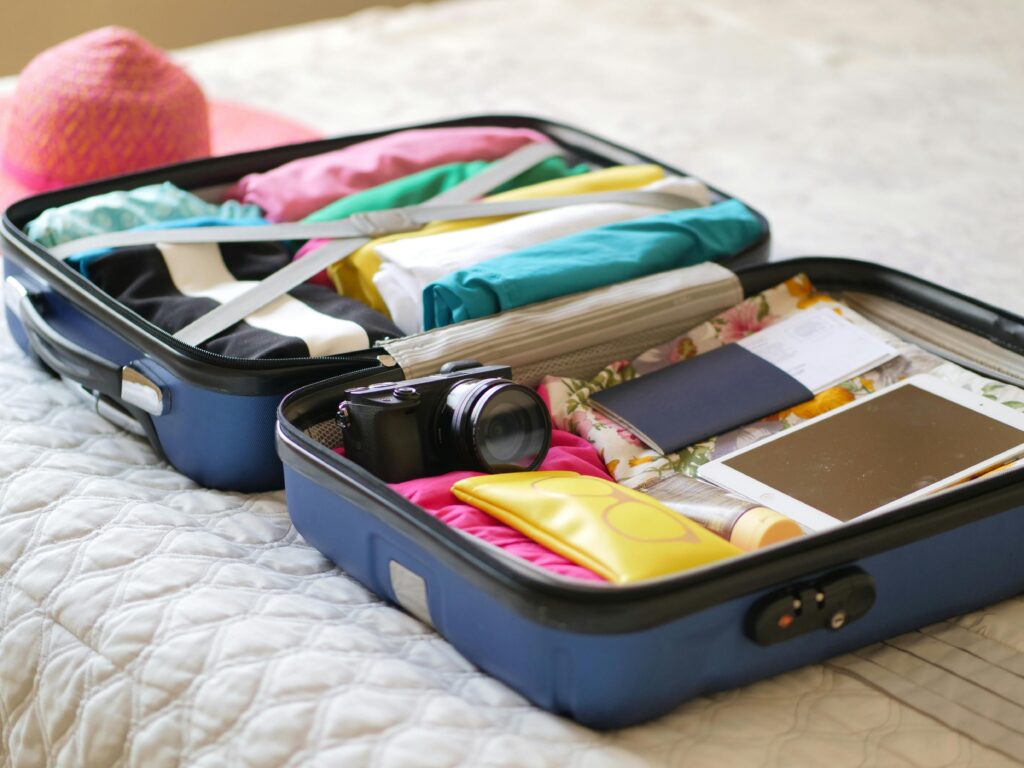
The Federal Aviation Administration (FAA) flagged these cordless hair devices as potentially hazardous materials due to their flammable gas components. Butane and gas cartridges pose a significant fire hazard when damage or malfunctions release their combustible contents during transport.
Checked bags sit in the aircraft’s cargo hold, which raises the primary safety concern. Daniel Velez, spokesperson for Florida’s TSA, explained the reasoning: “If these items can catch fire in the cargo area where checked bags are transported, there’s no one there to put it out”. This lack of immediate access to fire suppression makes these devices particularly dangerous in checked luggage.
Carry-On Rules Still Apply
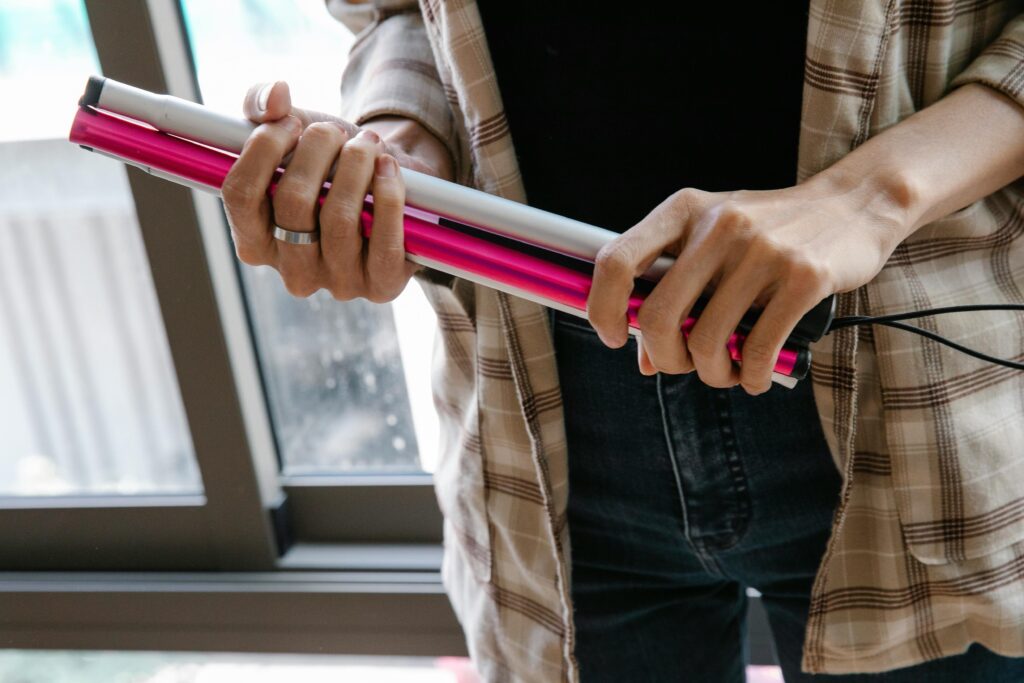
However, travellers will still be able to keep certain cordless hair styling devices as carry-on luggage, provided they are securely packed to specific safety requirements. The devices must have safety covers securely fitted over heating elements to prevent accidental activation during flight.
These items are permissible as carry-on luggage because passengers and flight attendants can respond immediately if these items activate in the cabin. According to the TSA this immediate access for flight attendants to intervene significantly reduces the risk of fire spreading or causing serious damage.
Growing Battery Safety Concerns
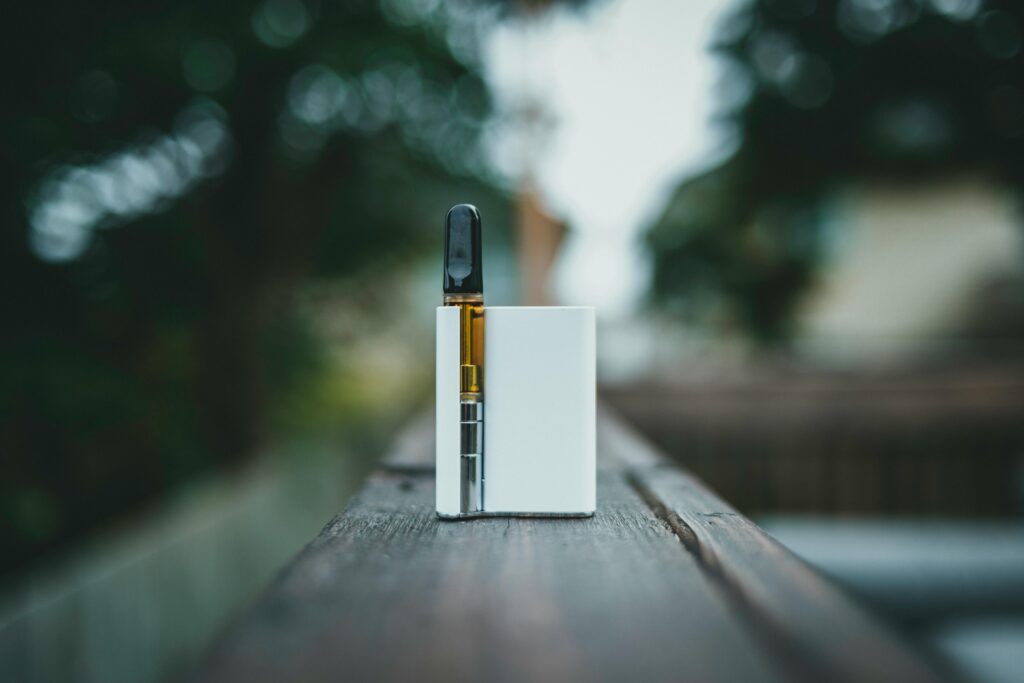
The TSA’s recent ban update to include cordless hair styling devices comes amid increasing incidents of lithium-ion battery in-flight fires. The UL Standards and Engagement organization reports that battery-related incidents on planes have increased 15% over the past 5 years. In 2025 alone, there have been at least 46 lithium battery incidents on aircraft, averaging approximately 2 incidents per week.
These statistics highlight why the TSA has become more aggressive about restricting potentially hazardous items from checked luggage. Nearly 40% of all lithium battery incidents involve portable chargers, while vaping devices and power banks also contribute significantly to the problem.
TSA’s Broader Modernization Efforts
The particular ban on cordless hair devices and lithium-ion batteries is only a part of the TSA’s comprehensive modernization initiative launched in 2025. While security remains a top priority for the agency, they have also made significant changes to improve the traveler experience. In July 2025, the TSA announced the removal of the requirement for passengers to remove shoes during security screening.
This change ended a nearly 20-year policy that began after the attempted shoe bombing incident in 2001. Homeland Security Secretary Kristi Noem announced this change as part of efforts to “modernize and enhance traveler experience across our nation’s airports”.
Family-Friendly Travel Initiatives
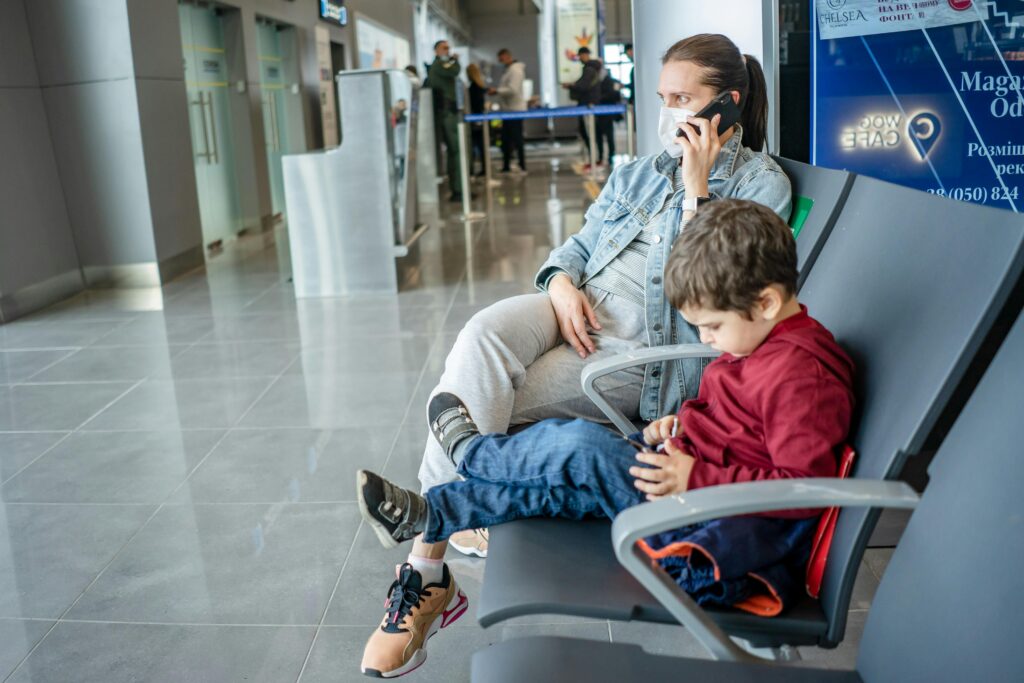
The TSA has also launched the “Families on the Fly” campaign to make going through airport security easier for parents traveling with children. This program creates dedicated security lanes for families with children 12 years old and under at select airports.
The family lanes are currently operating at major destinations, including Orlando International, Charlotte-Douglas International, John Wayne Airport in Orange County, and Daniel K. Inouye International Airport in Honolulu. The program offers families a $15 discount on TSA PreCheck enrollment, reducing the cost from $100 to $85 per person.
Military Travel Benefits Expanded

The TSA has expanded benefits for military personnel and their families through the “Serve with Honor, Travel with Ease” program. Gold Star families now receive free TSA PreCheck enrollment, while military spouses can enroll at a discount. This initiative aims to ease traveling for government service members by offering discounts and expedited lanes at airports and terminals. The program includes dedicated screening lanes for service members at airports near major military installations. Military personnel and Department of Defense civilians can use their DOD ID numbers as Known Traveler Numbers to access TSA PreCheck benefits.
Biometric Technology Integration
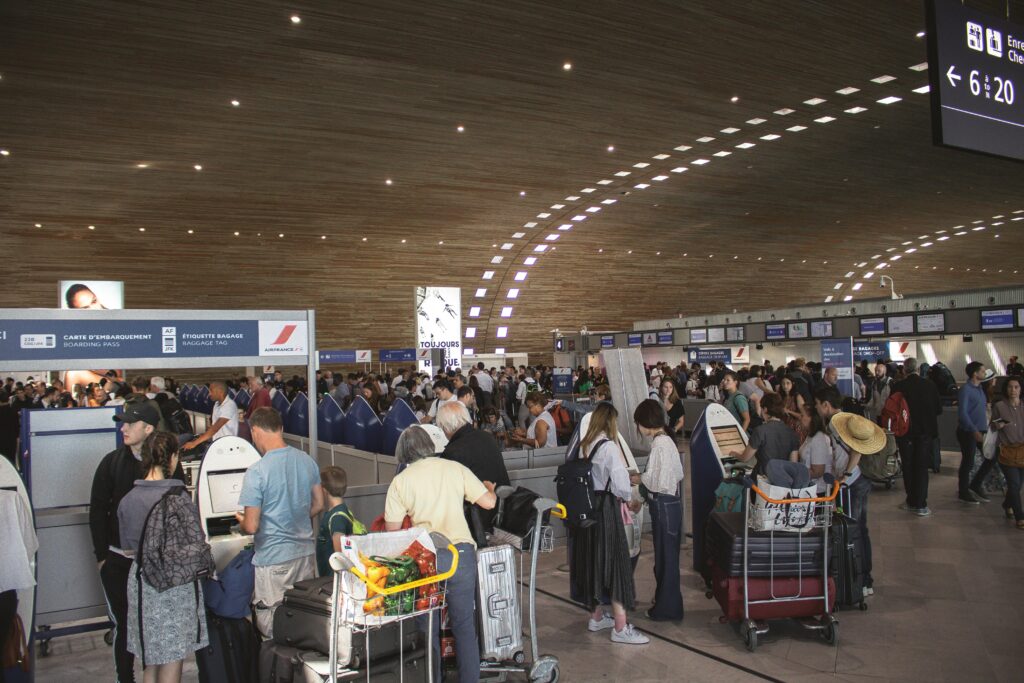
The TSA is partnering with CLEAR to introduce biometric eGates at 3 major airports across America. Atlanta’s Hartsfield-Jackson, Washington DC’s Reagan National, and Seattle-Tacoma will all be receiving these new gates by the end of the month. The eGate system allows CLEAR Plus members to bypass traditional TSA podium checks while maintaining full TSA operational control. This technology prepares U.S. airports for increased traffic expected during the 2026 FIFA World Cup and America’s 250th anniversary celebrations.
Conclusion

The TSA’s ban on cordless hair devices containing gas cartridges represents a proactive approach to flight safety amid rising incidents of fire hazards on aircraft. While this change may inconvenience some travelers, it reflects the agency’s commitment to preventing potentially catastrophic incidents in flight cargo areas where immediate intervention is impossible.
Combined with other modernization efforts like eliminating shoe removal requirements, expanding family-friendly services, and introducing biometric technology, these changes demonstrate the TSA’s evolution toward more efficient and secure travel experiences.
Read More: Flying in 2025? Be Prepared for These Key TSA Rule Changes