
A couple of weeks ago we had reports of rabbits with horns. This week we have reports of zombie squirrels covered in massive lumps. What is going on with nature lately? Well, as with the recent infected rabbit reports, these new reports of lump-filed squirrels are the result of a parasite. This parasite in squirrels and other animals is caused by the botfly. Female botflies lay their eggs in places that squirrels visit often and their tiny larvae enter through the mouth or nose or burrow under the skin. There, they form and grow inside a pore-like lump called a warble. While it looks very gross, the parasite typically doesn’t kill the host and the larva exits the lump when mature.
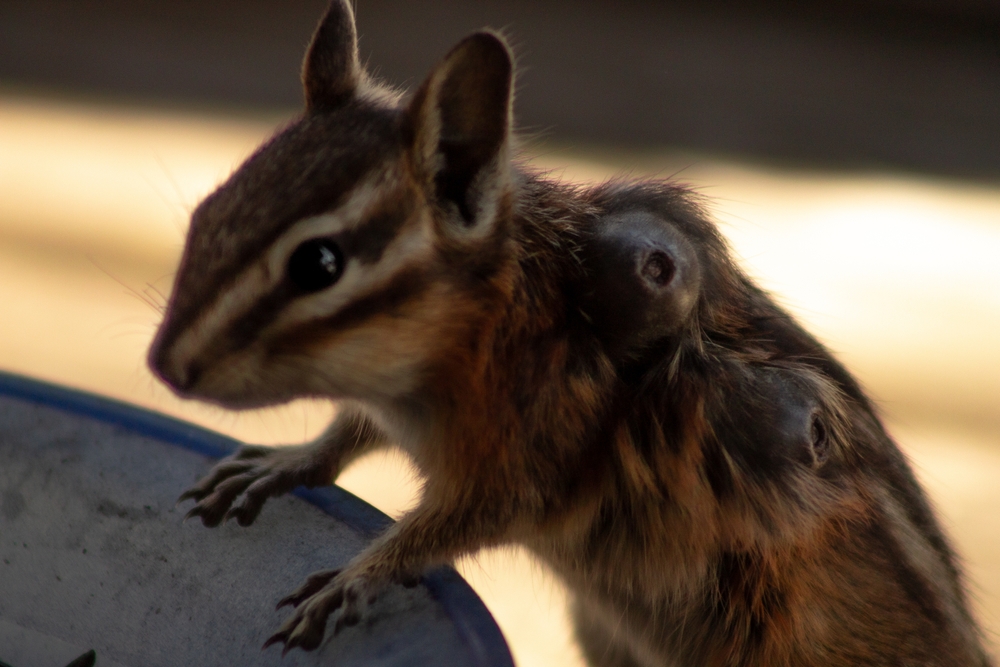
The botfly parasite mostly affects wild rodents and rabbits. However pets, such as cats, dogs, ferrets, and domestic rabbits can get them too. While very rare, there have also been documented cases of human infection in North America. However, the Companion Animal Parasite Council has stated that pets don’t generally pose a transmission risk to people. Typically, human infections occur when the larvae enter through orifices directly in nature, not through contact with an infested pet
One Virginian wildlife rescue, Evelyn’s Wildlife Refuge, issues reminders every year not to attempt home removals if you find one on your pets or a wild animal. They state that only trained veterinarians should ever extract a botfly. This is because a severe allergic reaction can be experienced by the host animal if the larva is ruptured during removal. That means that home remedies like smearing with petroleum jelly or trying to pry out with tweezers is not recommended. According to the The Merck Veterinary Manual, the larvae needs to be removed in one piece and never squeezed. This is why it is far better to let a trained professional perform such a delicate procedure.
What to Do if You Spot the Parasite in Squirrels
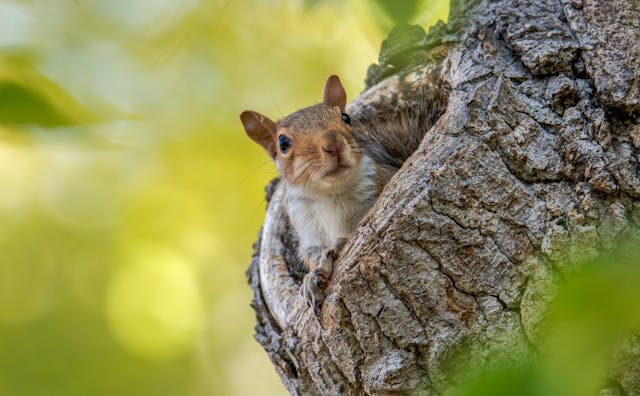
It’s pretty easy to spot the parasite in squirrels. Their bodies are full of large hairless swellings with a little opening on each one. Do not ever attempt to handle the animal or pop the larva. It is better to contact a wildlife rehabilitator in your area. Make sure that you keep your pets, such as cats and dogs away from the squirrel until they have been safely removed from your premises by a rehabilitator. If you notice any suspicious-looking swellings on your pet, make sure to get to a vet as soon as possible.
They usually occur in the late summer and early autumn months when botfly activity is at its peak. A vet will properly remove the larva intact, clean the wound, and give it medication to prevent secondary infection or allergic reactions. Rehabbers warn that you should never apply grease or oils to the opening or cover it with tape. Also, complications are more likely to occur if the larva is in the nasal passage, neck, or head. While many people try to help animals at home, it unfortunately often ends up turning out badly for the host animal.
Not Every Lump Is Caused by Botfly Larvae
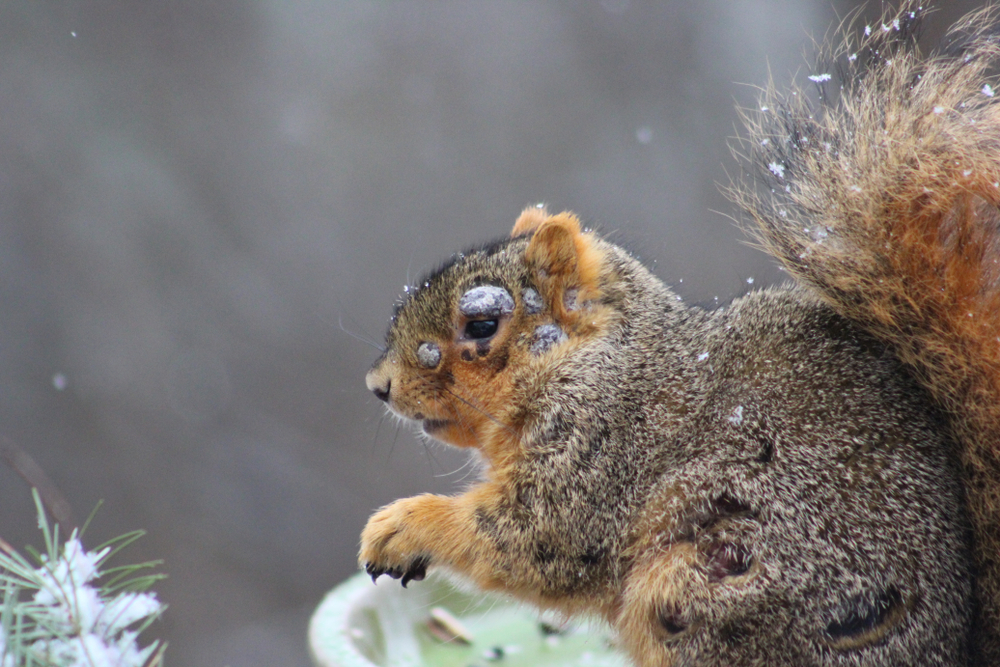
Sometimes squirrels can also develop lumps on their bodies from other causes, such as squirrel pox. This disease causes hairless growths to form on grey and fox squirrels. These lesions can ulcerate, and sometimes even affect the animal’s vision or ability to eat. However, this condition only occurs in that species and therefore is not considered a risk to people. Recently, there were also reports of rabbits with tentacle-like growths appearing in backyards and out in the wild. It turns out that these growths were the result of the Shope (cottontail) papillomavirus.
As with the parasites in squirrels, it is best to leave these animals to the professionals. While the rabbit and squirrel infections pose no threat to us, there is one infection that can be a potential health hazard. Roundworm eggs shed in raccoon feces can remain infectious for years. If you accidentally touch it and it gets into your system, it can cause severe neurologic disease in rare cases. If there is a communal raccoon poop site near your living area, get hold of the right people to dispose of it properly.
No matter what the particular condition or disease is that you observe in wild or domestic animals, the bottom line is that you should never try and remove them or deal with them yourself. It is important that a vet handles it so that no further harm will come to the animal during the removal process. They will know how to effectively remove and treat the animal without putting it at risk of infection or a severe allergic reaction. Seeking professional help is the best thing you can do for the host animal, your pets, and your family.
Read More: Infected ‘Frankenstein’ Rabbits With Tentacles Spotted in the US, Phenomena Explained