
“Grandma hobbies” have become a viral shorthand for hands-on, slower activities like knitting, crochet, bird-watching, baking, gardening, and puzzle making. Social posts now go further, claiming that women who embrace these pastimes may live eight years longer. The idea is catchy, but big health promises deserve careful checking. These hobbies are surging, reaping benefits for mood, attention, and social connection. Those benefits are real, but whether they translate into a precise number of added years is another question.
What Counts as a Grandma Hobby

Despite the nickname, these activities are not age-bound or gender bound. They are typically low-cost, easy to start at home, and offer a mix of gentle movement, concentration, and tangible progress. The main focus emphasizes how learning or returning to a craft can spark neuroplasticity, support focus, and reduce stress. While the social side of craft communities strengthens belonging and purpose. In short, they tick boxes that psychologists and public-health researchers associate with better mental health and more resilient aging. None of that requires being a grandmother, and none of it requires buying expensive gear.
What Peer-Reviewed Research Actually Shows About Hobbies
Large, multi-country analyses have linked having a hobby with better well-being in older adults. A 2023 paper in Nature Medicine pooled data from more than 90,000 people in 16 countries and found hobby engagement was consistently associated with higher life satisfaction and better mental health. Even after adjusting for health status. This is not the same as proving hobbies make you live longer, but it establishes plausible pathways that support healthy aging. Harvard Health’s summary of that study noted similar takeaways. Particularly, the role of hobbies in boosting mood and purpose, which tend to support healthier choices across the board.
Do Hobbies Reduce the Risk of Death?
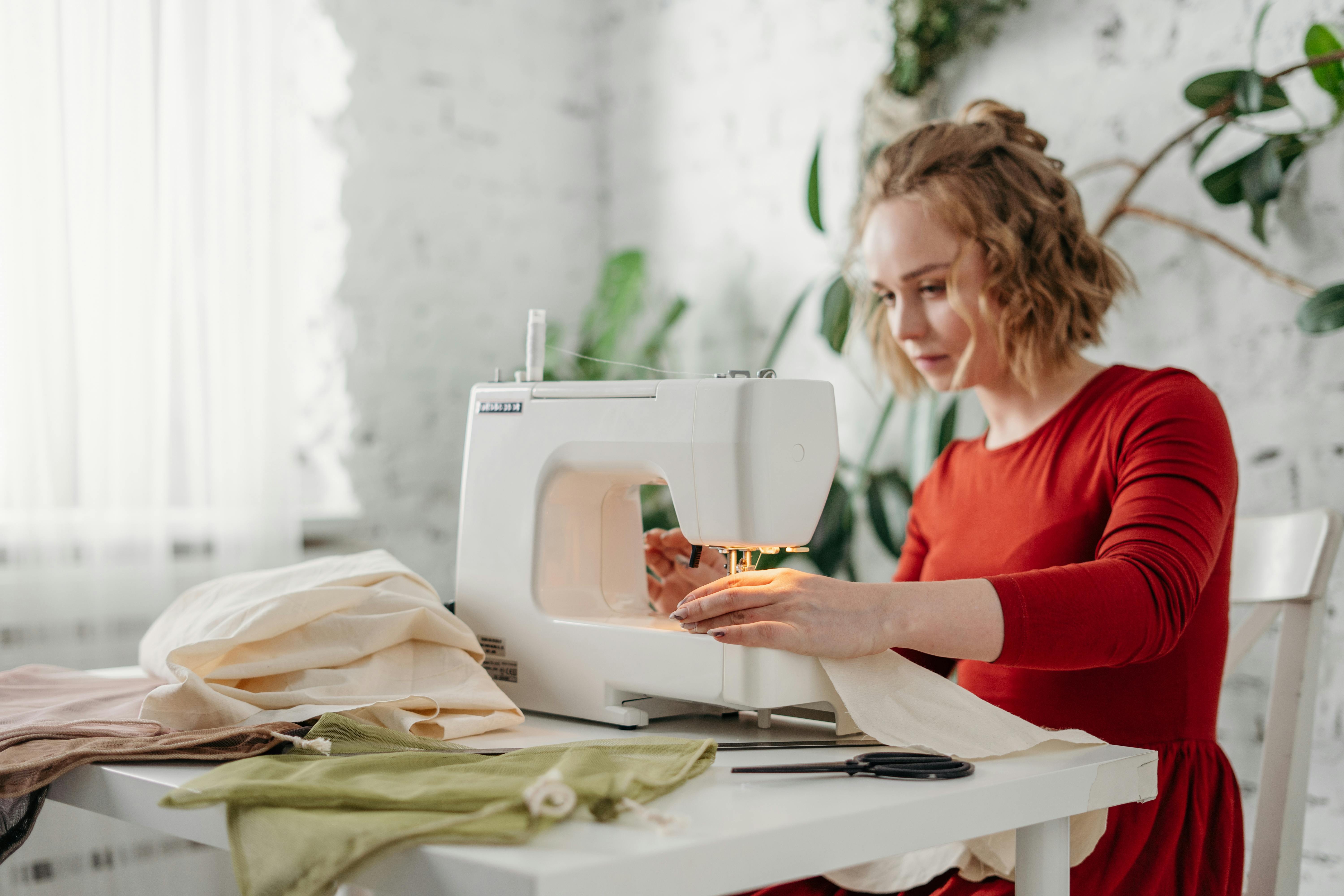
Newer evidence says yes, at least in association. A 2025 study spanning 19 countries reported that older adults who engaged in hobbies had a lower risk of all-cause mortality over follow-up. The modeling suggested that hobby engagement could prevent a noticeable share of deaths in the population. Importantly, the authors also translated risk reduction into a time metric and estimated life-expectancy gains of roughly one year over five years among hobby-engaged participants. That is meaningful, but it is not eight years, and it reflects group averages rather than guarantees for any individual.
Read More: Study Shows Women Who Are Surrounded By Plants Are Happier And Live Longer
Arts and Cultural Participation Show Similar Patterns
Earlier cohort studies found related signals for arts and cultural activities. In a 2019 BMJ analysis of nearly 7,000 adults, engaging with the arts even a few times a year was associated with a lower risk of death during follow-up. A Finnish cohort published in 2025 also linked cultural activity with reduced all-cause mortality. While cautioning about potential confounders and the limits of observational research.
The Physical Activity Thread Inside Many Grandmas’ Hobbies
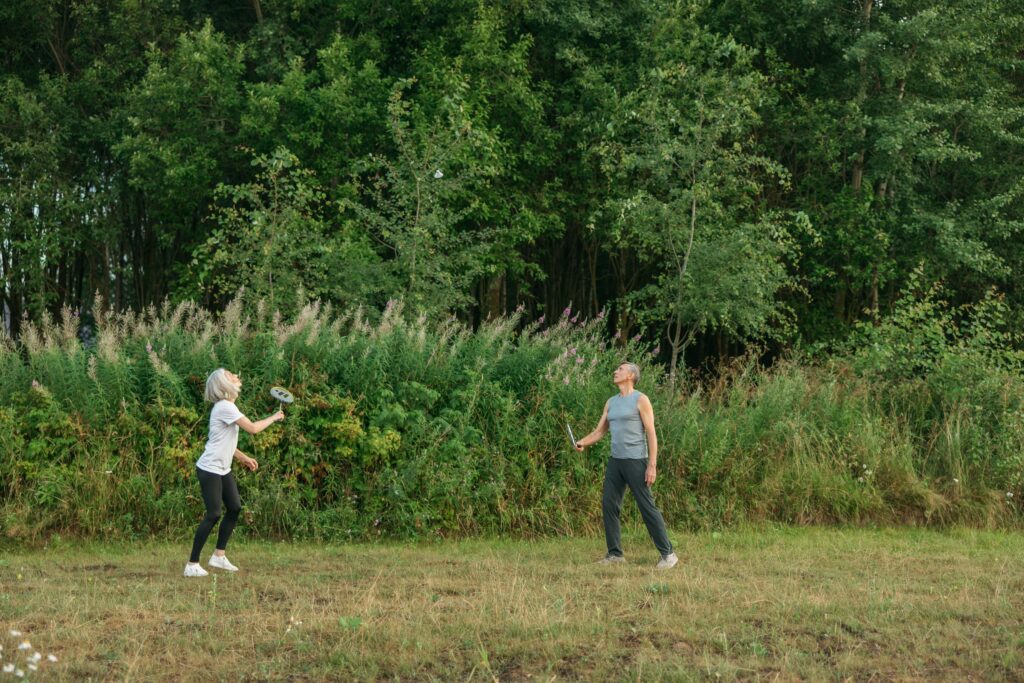
Some so-called grandma hobbies involve light physical activity, which matters because movement itself is strongly tied to longevity. A 2022 analysis led by National Cancer Institute researchers found that meeting weekly activity guidelines through any combination of leisure activities was associated with a lower risk of death from any cause. Racquet sports and running were among the strongest, and walking still beneficial. Gardening often includes light-to-moderate movement, time outdoors, and routine exposure to daylight. All of which support circadian health and mood, so it is no surprise that gardening repeatedly appears in healthy-aging research.
Why These Hobbies May Help Brains and Bodies
Mechanisms are starting to come into focus. Learning and practicing skills recruit memory, attention, and motor planning, which is one reason craft-based activities are studied for cognitive benefits. Longitudinal data suggest gardening is associated with healthier cognitive function into later decades, and nature-oriented activities like bird-watching are linked with better moment-to-moment mental health. Add the social support that often surrounds clubs, classes, and online craft communities, and you get a package that lowers stress, improves sleep routines, and nudges people toward steadier self-care. Those effects will not add years overnight, but they amplify protective habits that do.
What the Research Says About Women in Particular
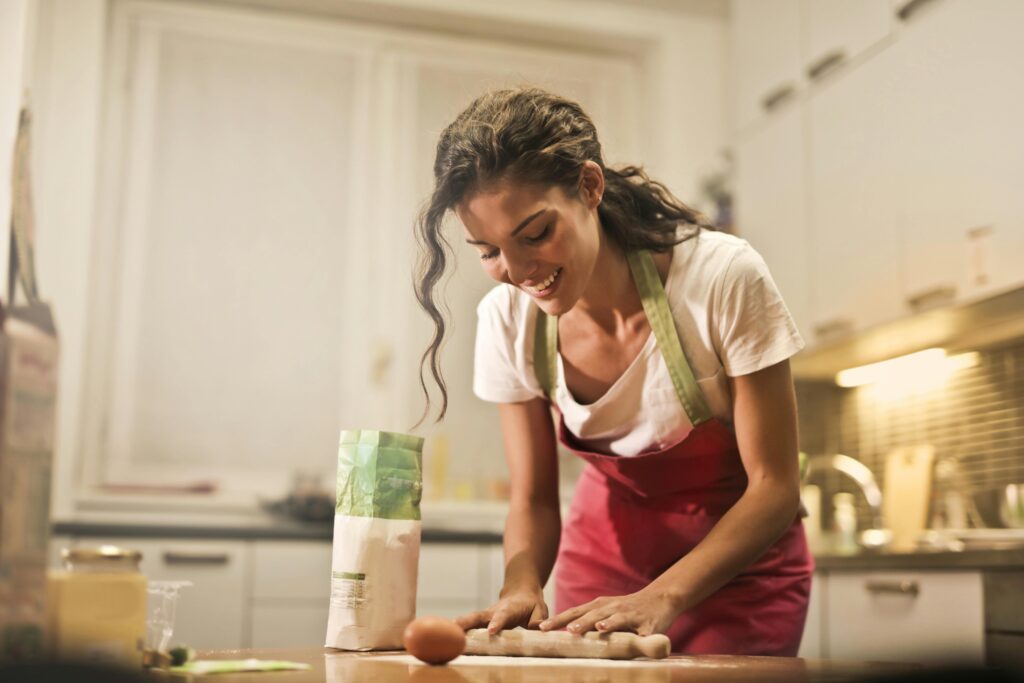
Several cohort studies have looked at gender differences. A Norwegian analysis found that among women, participating in associations or club meetings was linked with substantially lower cardiovascular mortality. While other creative and community activities were also protective across sexes. Knitting circles, gardening groups, or choir rehearsals may look quaint, yet they create regular contact, routine, and mutual accountability. This supports blood pressure control, medication adherence, and stress management.
Read More: 5 Signs That Reveal You Live Longer Than Other People Your Age
Fact-Checking the Eight-Year Number
No high-quality, peer-reviewed study shows that adopting “grandma hobbies” alone adds eight years to a woman’s life. The closest quantitative estimate we could find from a hobby-specific analysis suggested one additional year of life over five years of follow-up among hobby-engaged older adults, not eight. By contrast, the widely cited “eight to fourteen years” gains come from a different literature on combined lifestyle changes, such as not smoking, maintaining a healthy weight, exercising regularly, moderating alcohol, and eating a nutritious diet. Those habits together produced the largest life-expectancy boosts in large Harvard cohorts, and media summaries sometimes blur that distinction.
How to Translate the Evidence Into Everyday Practice
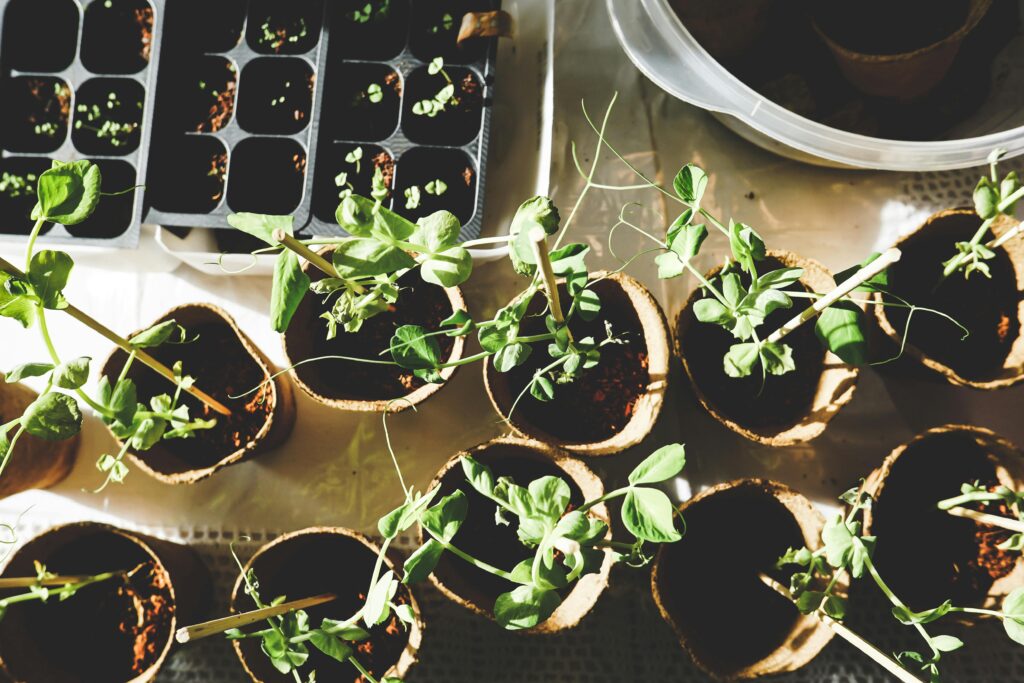
If you want to use this research, start with a craft or activity you genuinely enjoy, because adherence matters more than novelty. Pick one that offers a mix of light movement and concentration, such as gardening, knitting, crochet, or bird-watching, and schedule it at least once or twice a week. Consider joining a class, club, or community group so the social layer becomes part of the benefit. Keep sessions long enough to feel immersed, but short enough that you look forward to the next one, and pair the hobby with outdoor time or a neighborhood walk when possible. The goal is a routine that is sustainable, enjoyable, and gently active.
Evidence-Based Guardrails for Expectations
Hobbies are not a substitute for medical care, and they are not a cure for chronic disease on their own. Think of them as one part of a low-risk, high-return strategy that also includes physical activity, sleep, nutrition, preventive screenings, and quitting smoking. If a hobby involves repetitive motions, vary your posture and add simple strength and mobility work to avoid overuse issues. If it involves tools, chemicals, or outdoor exposure, add basic safety steps like protective gloves, sunscreen, or eye protection. These small details help ensure the mental health benefits do not come with preventable injuries or strains.
Practical Starter Ideas for Common Grandma Hobbies

For knitting or crochet, begin with a simple scarf or dishcloth, where counting, tension, and pattern following develop steadily, and consider local meetups for tips and accountability. As for gardening, start with container herbs or native pollinator plants, which are forgiving, affordable, and require minimal time outdoors with light activity. For bird-watching, pick a park route and keep a simple log of species, which adds a purpose to walks and supports attention training. For baking, treat it like a short weekly lab, where measuring, sequencing, and sharing the output turn a solo task into a social ritual. Each option builds mastery, focus, and connection.
Bottom Line
Women who take up so-called grandma hobbies are aligning themselves with a body of research that links creative engagement, gentle activity, and social connection with better mental and cognitive health and with lower mortality risk. The strongest studies to date do not support a precise claim of eight extra years from hobbies alone, and the best quantitative estimate so far is closer to one added year over five years of follow-up. The overall picture is favorable when these activities are part of a healthy lifestyle. If you enjoy them and keep them up, they can be a practical, affordable way to feel better now and stack the odds toward a longer, healthier life.
Read More: Expert Reveals One Meal You Should Never Skip If You Want To Live A Longer Life