
A hot air balloon crash in Brazil has resulted in the deaths of eight people after a fire broke out while the balloon was in flight. The incident took place on July 3, 2025, near Boituva in São Paulo state. The area is a well-known destination for hot air balloon rides and skydiving. Authorities say the balloon was carrying 12 individuals, including the pilot. The fire began while the balloon was airborne. Eyewitnesses reported seeing the basket engulfed in flames and several passengers attempting to jump to escape. Emergency services responded quickly, but eight lives were lost either due to the fire or from injuries sustained during the fall.
Victims and Families Identified
:max_bytes(150000):strip_icc():focal(534x0:536x2):format(webp)/ballon-crash-02-062225-e112ede400e54433ac75e813da0800d5.jpg)
Officials confirmed that the deceased included tourists and the pilot. Some were celebrating special events such as birthdays and anniversaries. The victims’ names were released publicly, and their families have since shared tributes online. Photos and videos circulated on social media showed moments from before the flight, adding to the emotional impact of the tragedy. Witness accounts described the balloon descending in flames, with at least three passengers jumping before it hit the ground. According to police and local media, those who jumped died from the fall, while others could not escape the fire.
Investigation Into the Fire
An investigation by Brazil’s Civil Police and Aeronautics Command is ongoing. Early findings suggest a possible fuel leak may have triggered the fire near the balloon’s burner system. Video footage taken by a local journalist showed the balloon burning as it descended. The footage is being reviewed as part of the investigation. Authorities are also examining whether proper safety checks were carried out before the flight and whether any known defects were ignored. The balloon’s operating company and manufacturer are being questioned as part of this process.
Accounts From Survivors
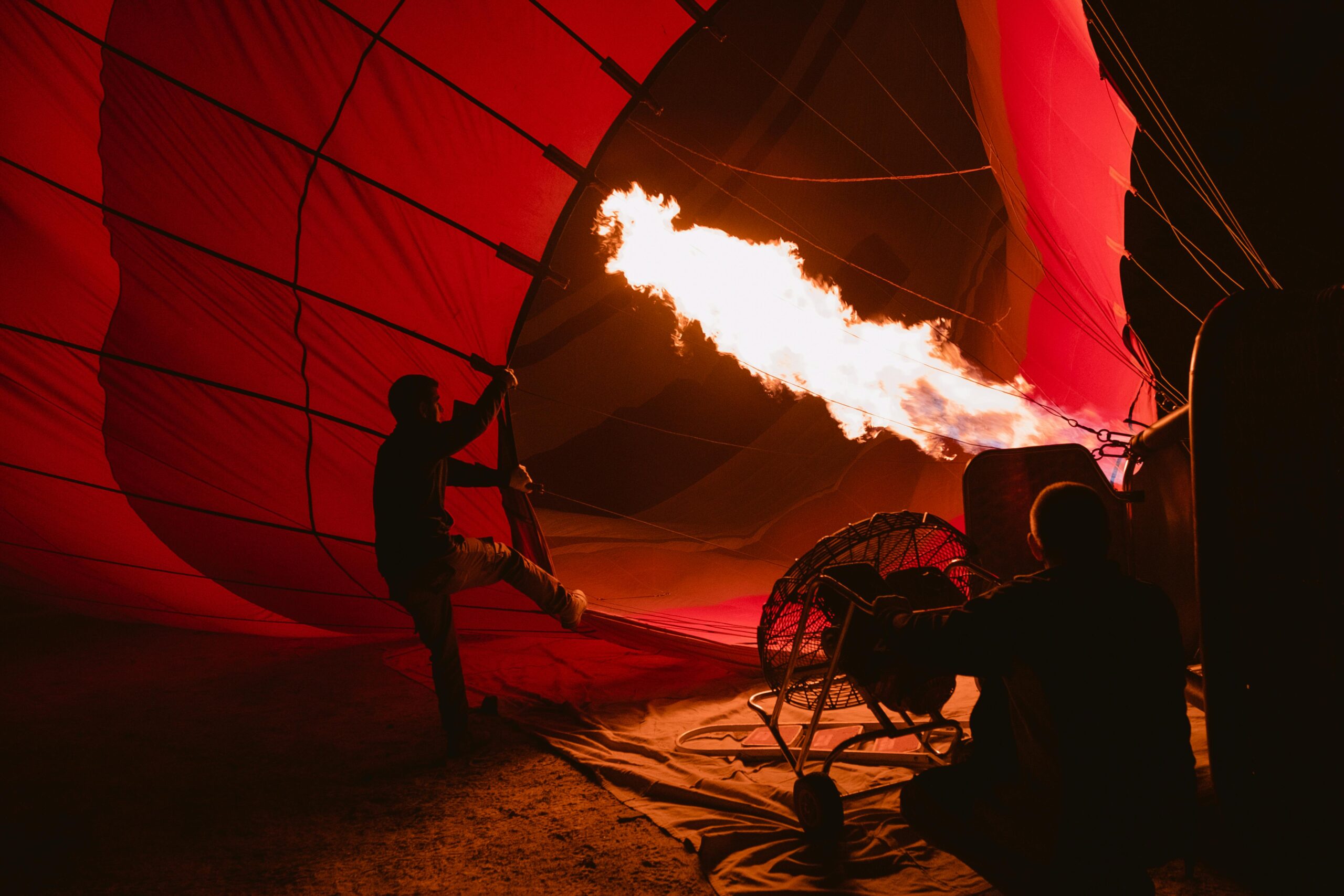
Four people survived the hot air balloon crash. Some remain in the hospital with serious injuries. One survivor reportedly jumped just before the balloon hit the ground. Another survivor told relatives that they had smelled fuel shortly before the fire started, indicating there may have been a warning sign that something was wrong. These survivor accounts are forming a key part of the ongoing investigation. One concern raised is that there were no fire extinguishers or escape tools in the basket, and no emergency response plan was in place for this type of situation.
Impact on Boituva’s Balloon Tourism
Boituva is considered a hotspot for aerial tourism in Brazil. Following the incident, several balloon tour companies suspended their operations temporarily. Local authorities held a public memorial for the victims, attended by residents and visitors who expressed support for the grieving families. The mayor of Boituva stated that the city would fully cooperate with investigators and that the crash raised serious concerns about the oversight and safety of the balloon tourism industry.
Read More: Man ‘Declared Dead’ After Freak Accident on Boys’ Trip Recalls Haunting First Memory
Questions About Balloon Safety
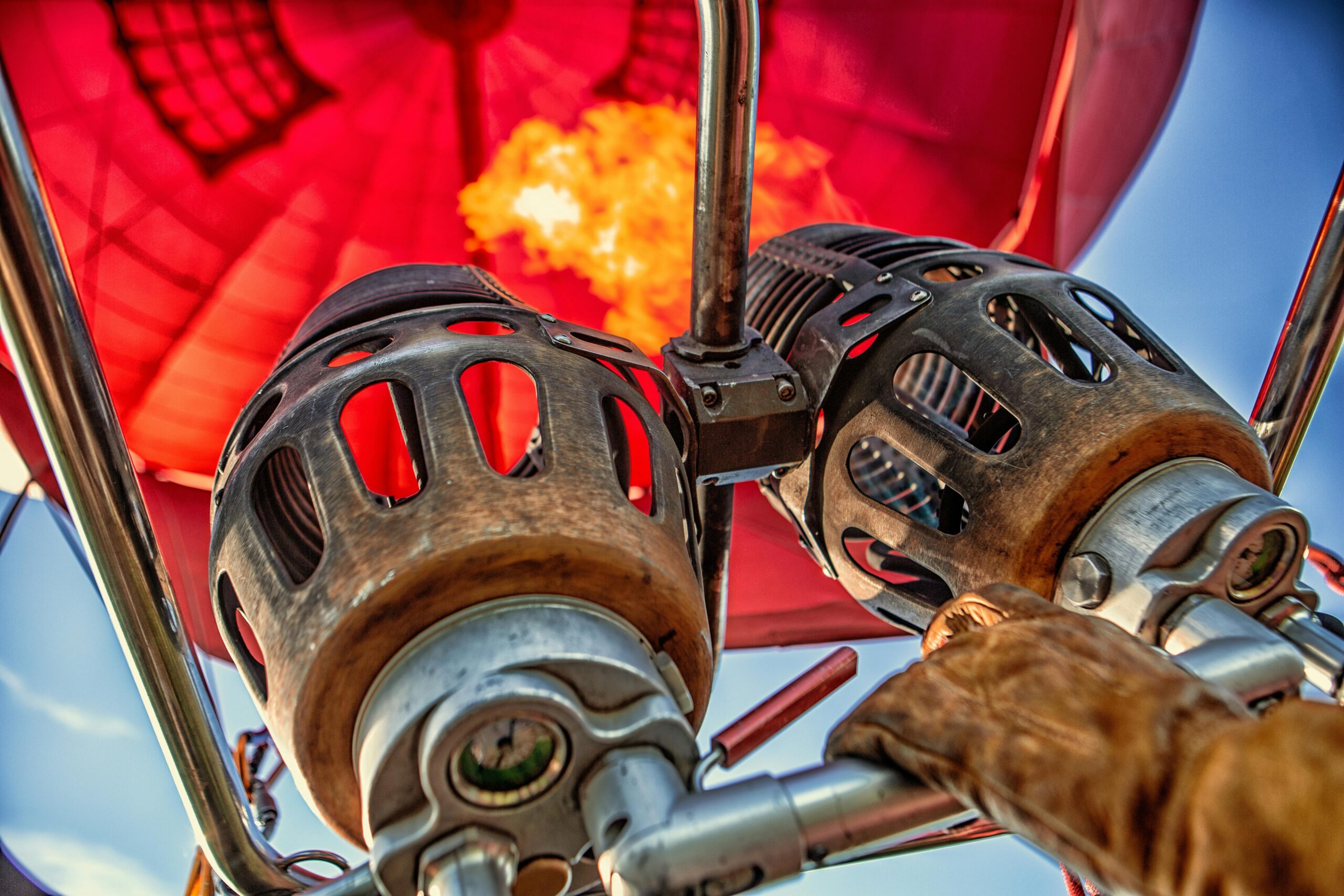
Although rare, hot air balloon accidents tend to be fatal when they do happen. Safety experts say that fire, poor weather conditions, and equipment failure are the most common causes. Hot air balloons do not have many built-in safety features, and passengers usually do not have access to parachutes or protective gear. Unlike airplanes, balloon flights are often not subject to the same strict inspections. This raises questions about whether operators and their equipment are being checked regularly and thoroughly enough to prevent incidents like this.
Regulatory Gaps and Industry Oversight
Brazil does not currently enforce the same level of regulation for hot air balloon operators as it does for commercial airlines. While pilots must be licensed, there are few requirements for routine safety checks or emergency training. The crash has led to renewed discussion around the need for stricter national standards for balloon tourism companies. Other countries have already made changes following past balloon accidents. The United States, for example, introduced stricter licensing and inspection rules in response to previous fatal crashes. There is now increased pressure on Brazil to do the same.
Emotional and Social Consequences

The families of those who died continue to deal with the emotional aftermath. Many had given the balloon ride as a gift or celebration. What was meant to be a joyful experience turned into a disaster with lasting effects for those left behind. Mental health services in Boituva have seen increased demand following the tragedy. Support teams have been made available for both survivors and the families of the deceased. The emotional toll of the crash has reached beyond those directly affected, impacting the entire community.
Moving Forward After the Crash
The hot air balloon crash in Boituva has raised major concerns about safety and accountability within the aerial tourism industry. There are growing calls for more effective regulation, improved equipment standards, and better emergency procedures for balloon operators. As the investigation continues, families of the victims are waiting for clear answers about what went wrong. Memorials and messages of support continue to appear both in the city and online. For now, the incident remains a painful reminder of the risks involved in aerial tourism and the need for stronger preventative measures.
Read More: Woman’s Head ‘Reattached’ After Internal Decapitation Caused By Freak Gym Accident