
Glucagon-like peptide-1 receptor agonists (GLP-1RAs or GLP-1 drugs for short) such as Ozempic, Wegovy, Zepbound, and Mounjaro have recently gone from names only those with diabetes would know to the most well-known medications on the market today. Having started out with initial approval just for treating Type 2 diabetes, they have now become incredibly popular as weight loss drugs. The question is, how effective are these drugs for weight loss specifically in people without diabetes? Let’s look at what the science says.
What Are GLP-1 Drugs?
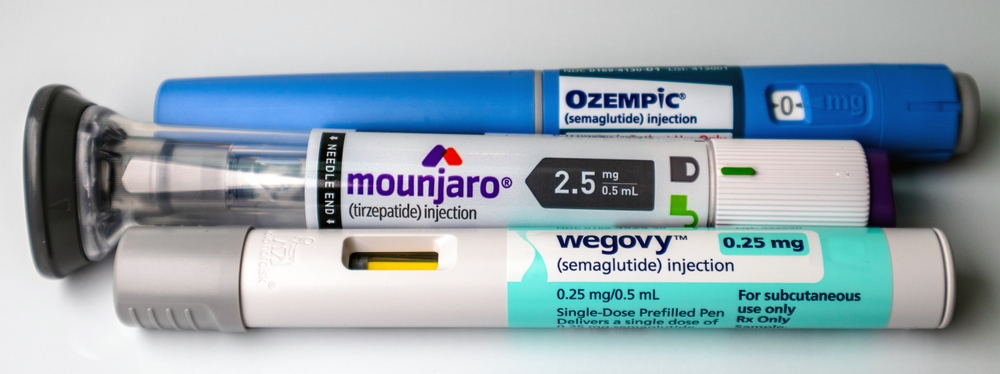
GLP-1 medications are those that mimic a hormone in the body called glucagon-like peptide-1. This hormone helps to regulate insulin and blood glucose, but it also promotes satiety – helping people to feel full. Initially, these drugs received FDA approval to control blood glucose in patients with Type 2 diabetes. Their appetite-suppressing qualities, however, have brought them into the spotlight for another reason: GLP-1 medication for weight loss.
Proven Effectiveness in Weight Management

How effective are GLP-1 medications for weightloss, exactly? The research is in, and it confirms that these drugs are highly effective at reducing body weight. Up until recently, however, this had primarily been studied in diabetic populations, leaving the question as to whether or not these medications would work the same for those without diabetes. A recent comprehensive review of 15 different GLP-1 medications demonstrated consistent success not only in blood glucose control, but also significant weight loss and improvement in cholesterol levels. Not only were patients able to control their blood sugar, but they experienced weight reduction and improved their metabolic health at the same time.
Translation to Non-Diabetic Weight Loss: What We Know

This, of course, is incredible news for those with diabetes, but what about those without this condition who are hoping that it will work for them, too? While most studies focus on diabetic patients, the appetite-suppressing and metabolism-boosting effects of GLP-1 medications suggest potential for weight loss in non-diabetic populations as well. That being said, experts caution that the drugs are not a universal magic bullet for obesity in those without diabetes. Effects may vary based on individual health profiles. On top of that, factors such as dosage and specific drug choice have a huge impact on the outcome.
The Complexity of Off-Label Use

The uncertainty of GLP-1 medications for weight loss’s efficacy and safety among non-diabetic populations has not prevented people from buying in. There has been a recent surge in off-label GLP-1 use for cosmetic weight loss, fueled by celebrity endorsements and social media. This has caused much concern among experts about these medications. Dr. Chun-Su Yuan Cyrus Tang, Professor of Anesthesia and Critical Care at the University of Chicago, says that this widespread use of off-label use risks overuse and potential long-term consequences. We currently don’t have enough conclusive, long-term safety data in non-diabetic populations for people to be using these drugs in this way.
“The current fervor for GLP-1RAs in the capital markets as well as in the general public, especially in terms of weight reduction, is probably going to result in overuse,” he explained. “This should raise a red flag.”
Side Effects and Patient Considerations

As with all medications, GLP-1s, while they tend to have a relatively limited side-effect profile, are not completely without them, either. Common issues that patients report include gastrointestinal discomfort, nausea, and vomiting. This is particularly true when taken at higher doses. Side effects vary among individuals, so decisions as to what a patient is taking and at what dose should be highly personalized to reflect that. Healthcare providers should weigh the potential benefits of weight loss against these risks and make sure their patients are well informed about their treatment plan.
“It’s also important to note that the long-term side effects of these drugs are not yet well-studied,” Dr. Yuan said. “If large swathes of the general public start taking them off-label for weight loss and then we find out years later that there are bad side effects, it could be a real issue.”
Some GLP-1s like Ozempic, have also been show to exert some promosing off lable uses, like the potential to help with migraines.
Cost and Accessibility Challenges

One of the most significant barriers for people using GLP-1 drugs is their high cost. On top of that, their recent surge in popularity has caused shortages, and insurance companies are quite hesitant to cover these medications for weight loss alone. This, of course, is problematic for those needing them for diabetes, as well as those who truly need medical help to decrease their weight. Health economists suggest using more innovative treatment plans, combining GLP-1 use for weight loss followed by lower-cost maintenance programs. This will improve affordability and accessibility without drastically reducing the benefits.
“We wanted to challenge the assumption that once you’re on a GLP-1RA drug, you have to keep taking it forever,” said University of Chicago Health economist David Kim. “That’s where some of the affordability concerns are coming from: large populations are potentially eligible to take these drugs, and we can’t pay for a lifetime supply for everyone… We argue that this alternative framework is a viable solution that provides greater flexibility for managing a limited drug supply and giving healthcare payers financial headroom to support more patients accessing effective weight management treatment,”
Moving Forward: Research and Responsible Use

Ongoing research is focusing on comparative effectiveness across different GLP-1 medications and their impact on various health outcomes, beyond both diabetes and weight loss. They are looking at conditions such as cardiovascular risk and disease, and even cancer. Meanwhile, experts advise clinicians to be prudent and ensure their prescriptions are highly personalized. They caution against generalized off-label GLP-1 medication use for weight loss until long-term safety in non-diabetic populations is better understood.
The Bottom Line: Effective but Not a Cure-All

GLP-1 receptor agonist drugs represent a promising tool for weight loss, offering significant benefits for those with diabetes, in particular. Their effectiveness in non-diabetic populations appears promising, but requires cautious, patient-specific application given the complexities of side effects, cost, and long-term safety concerns. As research continues, balancing innovation with responsibility will be key to integrating GLP-1 drugs into weight management strategies for broader populations. For the general population, as always, listen to experts and healthcare providers, not to celebrities or influencers on TikTok. Your health is too great a risk.
Read More: Everything You Need to Know About GLP-1 Drugs and Natural Ways to Increase Levels Naturally